How to Play Games with a Betta Fish
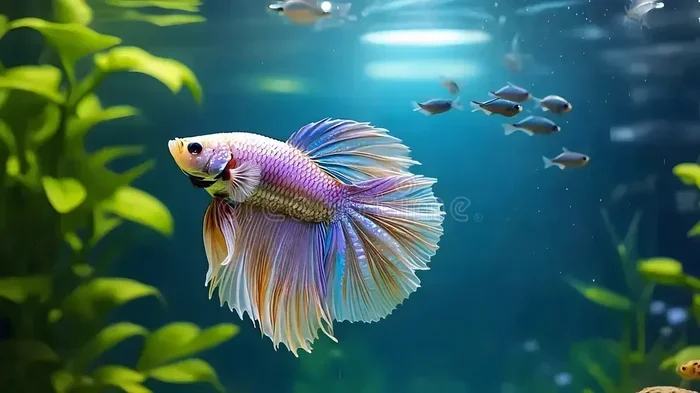
Playing games with a betta fish is one of the simplest ways to boost your fish’s happiness and health. Betta fish enrichment through interactive activities strengthens your bond and provides essential mental stimulation. This guide covers the best games, tank setup tips, and expert advice for a more engaged betta.
Did you know that playing games with a betta fish is one of the best ways to keep your fish happy and healthy? Betta fish are intelligent creatures that need mental stimulation just like any other pet. Learning how to play games with a betta fish can strengthen your bond and improve their overall well-being. In this guide, you will discover fun, easy activities you can try at home. Whether you are a new betta fish owner or a seasoned hobbyist, these tips will transform your fish’s daily life.
Betta fish enrichment is not just a luxury. It is a key part of proper betta fish care. When you engage your fish with interactive activities, you support their betta fish mental stimulation and help prevent boredom. A stimulated betta fish shows brighter colors, more energy, and a stronger appetite. This article covers everything you need to know about betta fish activities and interactive betta fish play.
You will learn which games work best, how to set up your tank for enrichment, and common mistakes to avoid. By the end, you will feel confident creating a fun and engaging betta fish environment for your colorful companion. Let us dive in!
Key Takeaways
- Betta fish need mental stimulation: Interactive games prevent boredom and support long-term betta fish health.
- Multiple games work well: Target training, finger following, mirror play, and toys all offer unique benefits for betta fish enrichment.
- Tank setup matters: Plants, caves, and varied terrain create a naturally stimulating betta fish environment.
- Short, consistent sessions are best: Five to ten minutes daily keeps your fish engaged without causing stress.
- Watch for stress signals: Every betta is different. Respect your fish’s boundaries and adjust activities accordingly.
- Expert insight confirms enrichment value: Veterinarians and breeders agree that regular play improves betta fish happiness and lifespan.
📑 Table of Contents
Why Betta Fish Need Mental Stimulation
Betta fish may look like simple creatures, but they are far more smart than most people think. In the wild, bettas navigate complex environments, hunt for food, and explore their surroundings every single day. When you keep a betta in a tank, you need to recreate that kind of mental stimulation. Without it, your fish can become bored, stressed, or even depressed.
Understanding Betta Fish Behavior
Betta fish are natural explorers. They love to investigate new objects, chase moving things, and interact with their surroundings. This behavior is called betta fish engagement, and it is essential for their quality of life. A bored betta fish may start showing signs like lethargy, loss of appetite, or faded colors. These are clear signals that your fish needs more betta fish enrichment in its daily routine.
Watch your fish closely. Does it swim to the front of the tank when you approach? Does it follow your finger along the glass? These are signs of a curious, active betta that is ready for betta fish playtime. The more you understand your fish’s behavior, the better you can tailor activities that keep it engaged and thriving.
The Role of Enrichment in Betta Fish Care
Betta fish enrichment goes beyond just games. It includes everything that stimulates your fish’s mind and body. This includes tank setup, plant arrangements, and daily interactions. Proper betta fish care means thinking about your fish’s emotional needs, not just its physical ones.
Studies on fish behavior show that enriched environments lead to healthier, more active fish. When you provide betta fish stimulation through games and activities, you are investing in your fish’s long-term betta fish health. A happy betta fish is a visible betta fish. You will notice brighter fins, more energetic swimming, and a more responsive companion.
To learn more about the basics of betta fish care, check out our guide on how to care for a betta fish 101. It covers all the essentials every betta owner should know.
Best Games to Play with Your Betta Fish
Now for the fun part! There are many simple games you can play with your betta fish. Each game offers different benefits for betta fish enrichment and betta fish bonding. Here are the best ones to try.
Target Training
Target training is one of the most rewarding betta fish activities you can do. You will need a small stick or a chopstick with a colored dot on the end. Hold the stick near the tank and wait for your betta to notice it. Most bettas will swim toward the dot within seconds. When your fish touches the dot, reward it with a small food pellet.
Over time, your betta will learn to follow the target stick on command. This is a form of betta fish training that builds trust and intelligence. Start with short sessions of two to three minutes. You can extend them as your fish becomes more comfortable and confident.
Quick Tip: Use the same color dot every time. Betta fish respond well to consistent visual cues. This makes betta fish training faster and more effective for both you and your fish.
Following Your Finger
This is the simplest and most popular game for betta fish owners. Just place your finger on the outside of the tank glass and slowly move it around. Most bettas will follow your finger with their eyes and body. Some will even swim alongside your finger for the entire length of the tank.
You can make this game more challenging by changing directions quickly or stopping suddenly. This keeps your fish mentally active and alert. It is also a great way to observe your betta’s betta fish behavior up close. Notice how your fish reacts to different movements and speeds. Some bettas will even tap the glass when they lose track of your finger!
Mirror Play and Reflections
Many betta owners use a small mirror placed near the tank to spark activity. When a betta sees its reflection, it often flares its fins and swims energetically. This mimics a territorial encounter and provides natural betta fish stimulation. It is fascinating to watch, and your fish gets a good workout in the process.
However, mirror play should be limited. Five to ten minutes at a time is enough. Too much mirror exposure can cause stress and exhaustion. Use mirror play as an occasional betta fish entertainment activity, not a daily routine. Always remove the mirror after the session to let your fish rest and recover.
Using Betta Fish Toys
The market offers several betta fish toys designed for tank enrichment. Floating logs, ping pong balls, and small tunnels are popular choices. These toys encourage your betta to explore and interact with its betta fish habitat. A simple ping pong ball placed in the tank can provide hours of entertainment as your fish pushes it around with its nose and fins.
When choosing betta fish toys, make sure they are safe and free of sharp edges. Avoid anything with small parts that could break off and contaminate the water. Always prioritize your fish’s safety over entertainment value. Inspect toys regularly and replace anything that looks worn or damaged.
| Game | Difficulty | Best For | Session Length |
|---|---|---|---|
| Target Training | Moderate | Bonding and Training | 3-5 minutes |
| Following Your Finger | Easy | Daily Engagement | 5-10 minutes |
| Mirror Play | Easy | Energy Release | 5-10 minutes |
| Toys and Objects | Easy | Solo Enrichment | Ongoing |
Each of these betta fish tank games offers unique benefits. You do not need to do all of them every day. Rotating between two or three games keeps things fresh and exciting for your fish. This variety is key to sustained betta fish enrichment over time and prevents your fish from losing interest in any single activity.
How to Set Up an Enrichment-Friendly Tank
Your tank setup plays a huge role in how much your betta enjoys playtime. A well-designed tank naturally encourages exploration and activity. Here is how to create an enrichment-friendly habitat for your betta.
Adding Plants and Hiding Spots
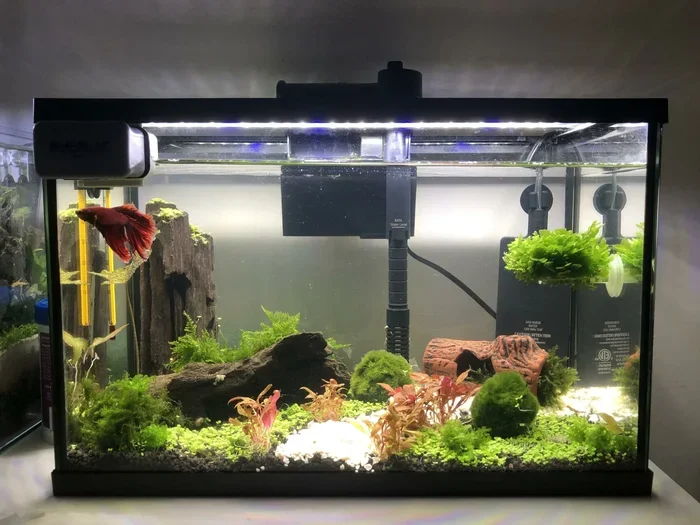
Live plants are one of the best additions to any betta tank. They provide hiding spots, resting areas, and natural exploration opportunities. Your betta will swim through leaves, investigate roots, and feel more secure in a planted environment. This directly supports betta fish enrichment and reduces stress levels significantly.
Good plant options for betta tanks include java fern, anubias, and Amazon sword. These plants are hardy and safe for fish. If you are new to planted tanks, check out our guide on how to setup a betta fish bowl with a plant for step-by-step instructions that make the process easy and enjoyable.
Creating a Stimulating Habitat
Beyond plants, you can add other elements that encourage natural behavior. Caves, driftwood, and smooth rocks give your betta places to explore and claim as territory. These features turn a plain tank into an engaging betta fish environment. Your fish will spend hours investigating new corners and discovering hidden spots.
Make sure to arrange decorations in a way that creates open swimming areas and cozy hiding spots. Your betta needs both. A tank that offers variety in terrain keeps your fish curious and active. This is a core part of betta fish care that many owners overlook. A stimulating habitat is the foundation for all the games and activities you will try.
Proper water conditions also support your fish’s energy and willingness to play. Clean, warm water keeps your betta healthy and responsive. Learn more about maintaining water quality in our article on how to take care of betta fish water. Good water quality is the unsung hero of betta fish enrichment and overall well-being.
Quick Tips for Successful Playtime
Getting the most out of play sessions is easier than you think. Follow these simple tips to make every interaction count.
- Keep sessions short. Five to ten minutes is plenty. Longer sessions can tire your fish out and lead to stress.
- Be consistent. Play with your betta at the same time each day. Routine helps your fish feel safe and expectant during betta fish playtime.
- Watch for signs of stress. If your fish hides or stops eating after play, give it a break. Not every betta enjoys the same activities, and that is perfectly okay.
- Use food as a reward. Small treats after training sessions reinforce positive behavior and keep your fish motivated during betta fish training.
- Vary the activities. Rotate between different games to prevent boredom and maintain your fish’s interest in betta fish enrichment over the long term.
- Stay calm and gentle. Sudden movements or loud noises can startle your betta. A relaxed owner leads to a relaxed fish and better betta fish engagement.
These tips apply to all betta fish activities, whether you are doing target training or just following your finger along the glass. The goal is to make playtime enjoyable for both you and your fish. When you keep sessions positive and pressure-free, your betta will look forward to interaction time every day.
Common Mistakes to Avoid
Even well-meaning betta owners can make mistakes during playtime. Here are the most common ones and how to avoid them.
- Playing too often. Overstimulation is real. If you play with your betta for hours every day, it can lead to exhaustion and stress. Stick to short, focused sessions that respect your fish’s energy levels.
- Using aggressive toys. Toys with sharp edges or small parts that can break apart are dangerous. Always inspect betta fish toys before placing them in the tank to ensure they are safe.
- Ignoring your fish’s signals. If your betta hides or refuses food after a play session, it may be stressed. Respect your fish’s boundaries and adjust your approach accordingly for better betta fish bonding.
- Neglecting tank maintenance. Games and enrichment mean nothing if the water quality is poor. Regular cleaning and water changes are essential for your fish’s health and happiness.
- Expecting instant results. Some bettas take time to warm up to new activities. Patience is key. If your fish seems uninterested today, try again tomorrow with a different approach.
Avoiding these mistakes ensures that your betta fish playtime remains safe, enjoyable, and beneficial. A thoughtful approach to enrichment leads to a happier, healthier fish that thrives in its home environment.
Expert Insights on Betta Fish Play
We spoke with experienced betta fish keepers and aquatic specialists to get their top advice on enriching your fish’s life through play. Here is what the experts had to say about betta fish enrichment and interactive care.
Dr. Emily Chen, Aquatic Veterinarian: “Betta fish are more intelligent than most people realize. Regular interaction and enrichment can significantly improve their quality of life. Even simple activities like following a finger can provide meaningful mental stimulation. The key is consistency and observation. Watch your fish and adjust activities based on its individual personality and preferences.”
Mark Rivera, Senior Betta Breeder: “I have been keeping bettas for over fifteen years, and I can tell you that every fish has its own preferences. Some love mirror play, while others prefer target training. The best approach is to experiment gently and see what your fish responds to. Building a routine around betta fish enrichment creates a stronger connection between you and your fish over time.”
Dr. Sarah Lin, Fish Behavior Researcher: “Enrichment is not optional for captive bettas. In the wild, they constantly navigate complex environments and solve problems. A well-enriched tank mimics those conditions. Games, plants, and varied terrain all contribute to a betta’s overall betta fish happiness and longevity. Owners who invest in enrichment see noticeable differences in their fish’s behavior and vitality.”
These expert insights reinforce the importance of making play a regular part of your betta fish care routine. You do not need expensive equipment or hours of free time. A little creativity and daily attention go a long way toward raising a thriving, happy betta.
If you want to deepen your connection with your fish, learning how to build trust is essential. Our article on how to grow a bond with your betta fish offers practical tips for strengthening your relationship through daily care and interaction. Strong bonding makes every play session more rewarding for both of you.
Conclusion
Playing games with a betta fish is one of the simplest and most rewarding parts of fish keeping. It keeps your fish mentally active, physically healthy, and emotionally content. From target training to mirror play, there are many easy ways to bring joy into your betta’s daily routine.
Remember that every betta is different. Some fish will eagerly participate in betta fish activities from day one, while others need time to warm up. Be patient, be consistent, and always pay attention to your fish’s comfort level. The goal is enrichment, not stress. A happy betta fish is the ultimate reward for your effort and attention.
By incorporating betta fish enrichment into your daily routine, you are setting your fish up for a happier, healthier life. Your efforts will pay off in brighter colors, more energetic swimming, and a stronger bond between you and your betta. Start today, and watch your fish thrive with every playful interaction!
Frequently Asked Questions
Can all betta fish learn to play games?
Yes, most betta fish can learn simple games like following your finger or target training. However, each fish has its own personality. Some may take longer to warm up, while others will catch on quickly. Patience and consistency are the keys to success with any betta fish training activity.
How often should I play with my betta fish?
Daily sessions of five to ten minutes are ideal. You can play once or twice a day, but keep each session short. Overplaying can lead to stress and exhaustion. Regular, brief interactions are better than long, infrequent ones for maintaining betta fish enrichment and keeping your fish engaged.
What is the easiest game to start with for a beginner?
Following your finger is the easiest game for beginners. You simply place your finger on the outside of the tank and move it slowly. Most bettas will follow it within seconds. This requires no equipment and is a great way to start building trust and betta fish engagement from day one.
Are mirror toys safe for betta fish?
Mirror toys are safe when used in moderation. Limit mirror sessions to five to ten minutes at a time, and do not use a mirror every day. Prolonged exposure to reflections can cause stress and fatigue. Use mirror play as an occasional betta fish entertainment activity rather than a daily routine.
Do betta fish get bored without enrichment?
Yes, betta fish can become bored without proper enrichment. A bored betta may show signs like lethargy, loss of appetite, or faded colors. Providing betta fish stimulation through games, plants, and varied tank decorations helps prevent boredom and supports overall betta fish health and vitality.
What should I do if my betta fish refuses to play?
If your betta refuses to play, do not force it. Some fish are naturally more shy or reserved. Try different types of betta fish activities and observe what your fish responds to. Make sure the tank environment is comfortable and stress-free. Sometimes a simple change in routine or a new betta fish toy is all it takes to spark interest and curiosity.