Why Does a Betta Fish Make Bubbles
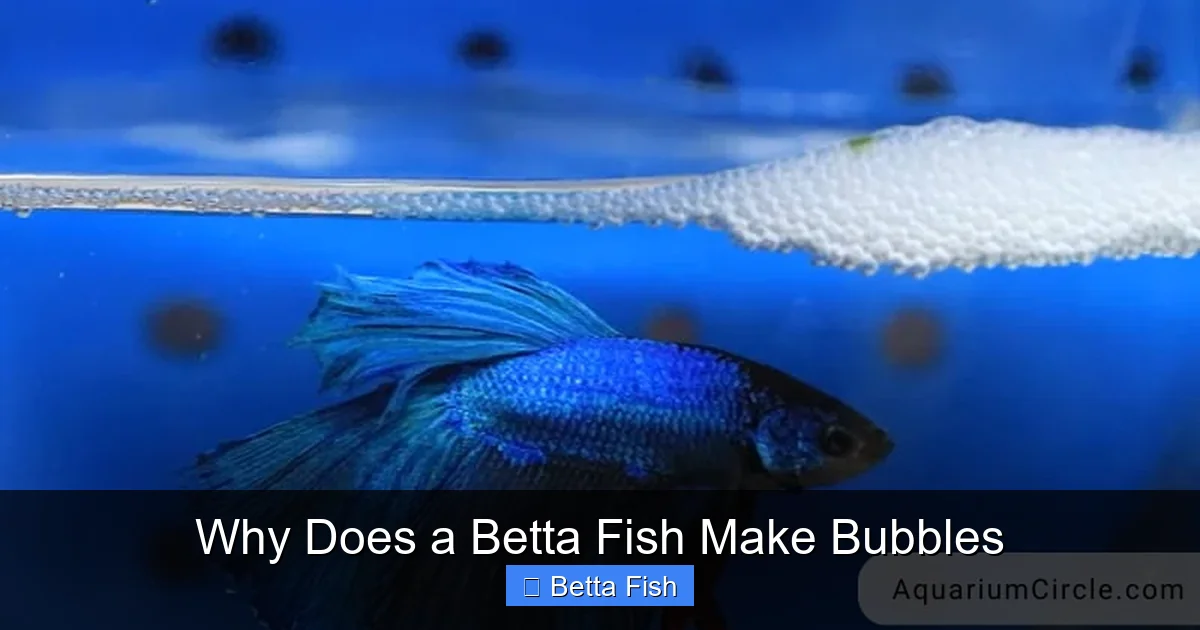
Betta fish create bubbles for several natural reasons, from building bubble nests to communicating stress or excitement. Understanding these behaviors helps you provide the right environment, ensuring a thriving, vibrant pet.
Key Takeaways
- Bubble nests are a sign of breeding instinct: Males build them to attract females and protect eggs.
- Surface breathing is normal: Betta’s labyrinth organ lets them gulp air, often creating bubbles.
- Stress or poor water quality can trigger excess bubbling: Check parameters and tank conditions.
- Feeding habits affect bubble production: Over‑feeding or heavy‑protein foods may increase gulping.
- Tank size and décor matter: A spacious, well‑planted tank reduces unnecessary bubbling.
- Observing bubble patterns helps spot health issues early: Sudden changes may signal disease.
- Simple adjustments—like a lid, proper heating, and regular water changes—keep bubbling behavior healthy.
📑 Table of Contents
- Introduction: The Curious Case of Betta Bubbles
- 1. The Natural Instinct: Bubble Nest Building
- 2. Breathing With a Labyrinth: Surface Gulping
- 3. Stress, Illness, and Water Quality
- 4. Feeding Habits and Bubble Production
- 5. Tank Environment: Size, Décor, and Equipment
- 6. Interpreting Different Bubble Behaviors
- Conclusion: Embrace the Bubbles, Keep Your Betta Happy
Introduction: The Curious Case of Betta Bubbles
If you’ve ever watched a betta fish wobble near the water’s surface and wonder, why does a betta fish make bubbles? you’re not alone. Those shimmering orbs can be both mesmerizing and perplexing. Some owners think the bubbles mean their fish is sick, while others see them as a sign of a happy, thriving pet.
In this friendly, easy‑to‑read guide we’ll break down the science, the instincts, and the everyday tank factors that lead to bubble‑making. By the end, you’ll be able to read your betta’s “bubble language” and give it the best home possible.
1. The Natural Instinct: Bubble Nest Building
What is a bubble nest?
Male bettas are famous for constructing floating “bubble nests” on the water’s surface. These nests look like a fluffy cluster of tiny bubbles, sometimes held together by a thin film of slime. The purpose? To create a safe haven for eggs and fry (baby fish) after spawning.
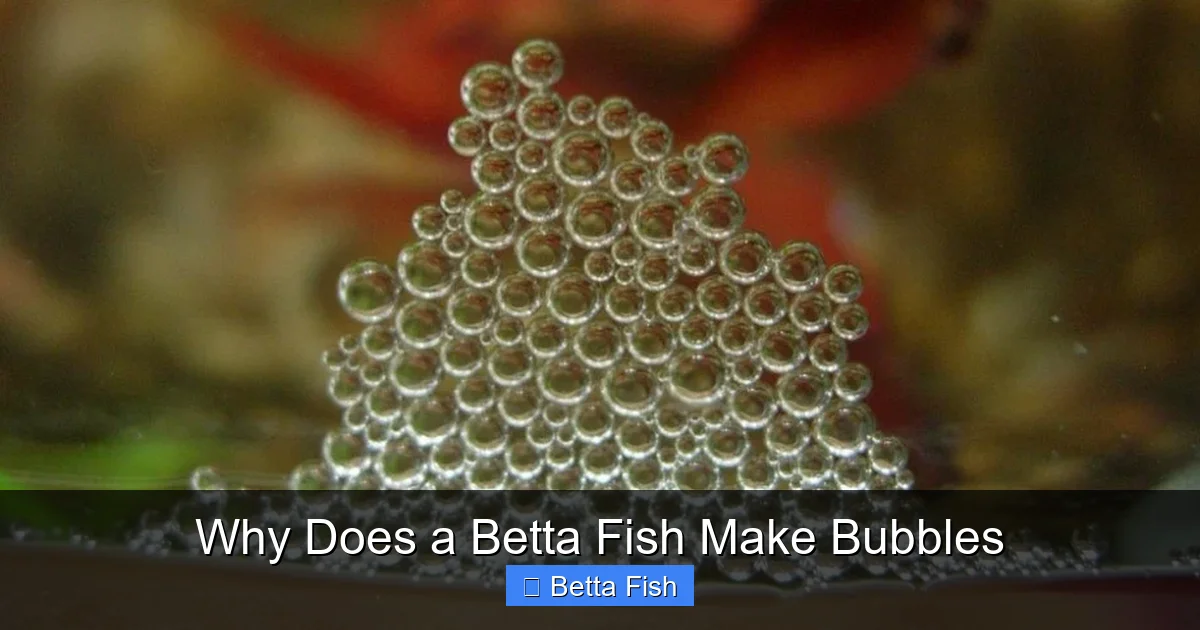
Visual guide about Why Does a Betta Fish Make Bubbles
Image source: bettafishworld.com
When does the nest appear?
Typically, a nest forms when a male senses a potential mate or when water conditions are just right—warm (around 78‑80°F), calm, and slightly acidic. Even if you never plan to breed, a healthy male may still practice nest‑building as a natural behavior.
How to tell a nest from random bubbles
- Location: Nests gather in one spot, often near a plant leaf or the tank lid.
- Size: A nest can grow to several centimeters across, while random bubbles are small and scattered.
- Consistency: Nests stay together; stray bubbles disappear quickly.
For a deeper dive on bubble nests, check out our article on why did my betta fish make a bubble nest.
2. Breathing With a Labyrinth: Surface Gulping
The labyrinth organ explained
Betta fish belong to the “labyrinth” family, meaning they have a special organ that lets them breathe air directly from the surface. This adaptation is a lifesaver in low‑oxygen habitats like rice paddies.
Why does gulping create bubbles?
When a betta takes a breath, it opens its mouth, pulls in a gulp of air, and then releases excess air through the gills or mouth, forming a small bubble that rises to the surface. This is completely normal and often mistaken for “blowing bubbles.”
Tips to support healthy surface breathing
- Keep the water temperature stable; colder water holds more dissolved oxygen.
- A gentle surface agitation (like a small sponge filter) can help maintain oxygen levels.
- Provide a calm water surface—strong currents can make gulping difficult.
3. Stress, Illness, and Water Quality
When bubbles signal a problem
Excessive bubbling, especially if it’s frantic or paired with frantic swimming, can be a red flag. Common stressors include:
- Poor water parameters (high ammonia, nitrite, or nitrate).
- Sudden temperature changes.
- Overcrowding or aggressive tank mates.
- Insufficient hiding spots.
How to diagnose
Test your water with a reliable kit. Ideal betta parameters: temperature 78‑80°F, pH 6.5‑7.5, ammonia 0 ppm, nitrite 0 ppm, nitrate < 20 ppm. If any values are off, perform a partial water change (25‑30%) and clean the substrate.
When to seek veterinary help
If bubbling is accompanied by loss of appetite, faded colors, or frayed fins, consider a visit to a fish‑savvy vet. Early intervention can save a betta’s life.
4. Feeding Habits and Bubble Production
Heavy meals cause more gulping
High‑protein foods (like live or frozen brine shrimp) can increase a betta’s need to surface‑breathe because digestion raises metabolic demand for oxygen.
Feeding schedule tips
- Feed small portions 2‑3 times a day.
- Remove uneaten food within 5 minutes to prevent water quality decline.
- Include a variety of foods: high‑quality pellets, occasional frozen treats, and occasional live foods.
Link for more feeding insights
Learn how diet impacts behavior in our guide on why betta fish making bubbles.
5. Tank Environment: Size, Décor, and Equipment
How tank size influences bubbling
A cramped bowl can cause a betta to work harder for oxygen, leading to more surface breaths and bubbles. Aim for at least a 5‑gallon tank with a lid to prevent escape.
Plants and hiding spots
Live or silk plants break the surface tension, giving bettas gentle places to rest while they gulp air. They also provide cover, reducing stress‑induced bubbling.
Do you need an air pump?
Most healthy bettas don’t require an air pump because of their labyrinth organ. However, a gentle sponge filter can improve water circulation without creating strong currents.
Helpful reading
For a quick overview of tank basics, see does a betta fish need an air pump.
6. Interpreting Different Bubble Behaviors
Normal vs. abnormal patterns
| Behavior | Likely Meaning |
|---|---|
| Single, occasional bubbles | Normal surface breathing |
| Clustered nest‑like bubbles | Breeding instinct |
| Rapid, frantic bubbling | Stress or poor water quality |
| Large, floating bubbles that linger | Possible gut blockage or disease |
Quick checklist when you see unusual bubbles
- Test water parameters.
- Observe temperature and flow.
- Check for signs of illness (faded color, torn fins).
- Make sure the tank is not over‑crowded.
- Adjust feeding if needed.
Conclusion: Embrace the Bubbles, Keep Your Betta Happy
Now you know that when you ask, “why does a betta fish make bubbles?” the answer isn’t one‑size‑fits‑all. Bubbles can be a sign of natural breeding behavior, a healthy breathing method, or an alarm bell for stress.
By monitoring water quality, providing a suitable tank, feeding wisely, and watching for changes, you’ll turn those bubbles into a beautiful part of your betta’s daily show. Happy bubbling!
Frequently Asked Questions
Why does my betta fish make bubbles only at night?
Nighttime bubbles often indicate a male preparing a bubble nest for breeding. Cooler, calmer water at night encourages nest building.
Can a betta fish live without a bubble nest?
Yes. If the fish isn’t breeding, it may never build a nest. Lack of a nest doesn’t mean the fish is unhealthy.
Do bubbles mean my betta is sick?
Not always. Excessive, frantic bubbling paired with other symptoms (loss of appetite, faded color) can signal illness and should be investigated.
Should I remove bubble nests from the tank?
Only if the nest is causing water quality issues or if you’re trying to prevent breeding. Otherwise, let the male keep it—it’s a natural behavior.
How often should I clean bubbles from the tank surface?
Generally, you don’t need to. Bubbles either dissolve or rise and pop on their own. If a large nest is present, gently remove it during a water change.
Will a larger tank stop my betta from making bubbles?
A larger tank reduces stress and improves water quality, which may decrease frantic bubbling, but normal surface breathing will still occur.