Can Betta Fish Starve
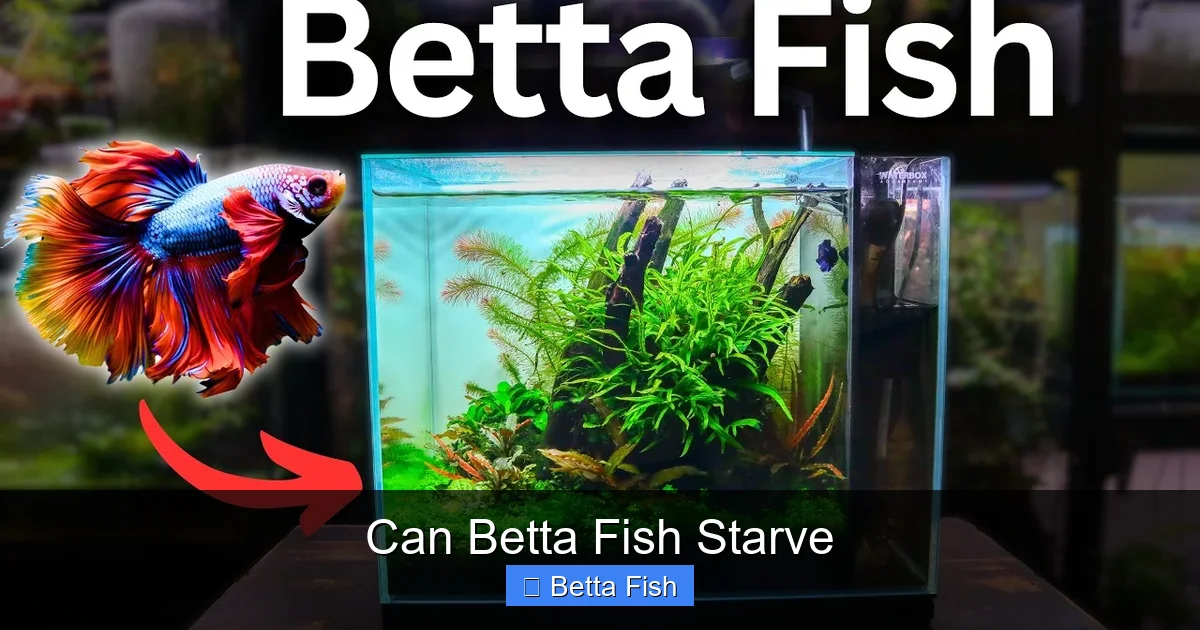
Yes, betta fish can starve if not fed properly, but they are surprisingly resilient and can survive up to two weeks without food. Understanding how often to feed your betta, recognizing the signs of starvation, and knowing what to do when you’re away are essential to keeping your fish healthy. This guide covers everything you need to know about betta fish feeding and starvation prevention.
- Betta fish can survive 10-14 days without food, but this is not ideal and should never be intentional.
- Overfeeding is just as dangerous as underfeeding – it can cause bloating, constipation, and poor water quality.
- Signs of starvation include lethargy, loss of color, fin deterioration, and a sunken belly.
- A proper feeding schedule is 1-2 times daily with only what your betta can eat in 2 minutes.
- Vacation feeding solutions include automatic feeders, slow-release food blocks, or asking a friend to feed your fish.
- A varied diet of pellets, frozen foods, and live foods keeps bettas healthy and prevents nutritional deficiencies.
- Water quality matters just as much as feeding – a starving betta in dirty water will decline much faster.
📑 Table of Contents
- Can Betta Fish Starve? What Every Owner Needs to Know
- How Long Can Betta Fish Go Without Food?
- Signs Your Betta Fish Is Starving
- How Often Should You Feed Your Betta Fish?
- What Happens When Betta Fish Starve?
- Feeding Your Betta When You Are Away
- Common Feeding Mistakes Betta Owners Make
- How to Help a Starving Betta Recover
- Conclusion
Can Betta Fish Starve? What Every Owner Needs to Know
If you have ever worried about whether your betta fish is getting enough food, you are not alone. It is one of the most common concerns among new and experienced betta owners alike. The short answer is yes, betta fish absolutely can starve if they are not fed properly. But the full picture is more nuanced than a simple yes or no. Understanding how betta fish metabolize food, how long they can safely go without eating, and what signs to watch for will help you become a much better caretaker for your aquatic friend.
Betta fish, also known as Siamese fighting fish, are hardy creatures with a reputation for surviving in less than ideal conditions. In the wild, they live in shallow rice paddies, slow-moving streams, and marshes across Southeast Asia. These environments are not always abundant with food, so bettas have evolved to handle periods of scarcity. However, survival is not the same as thriving. Just because a betta can endure a week or two without food does not mean it should have to. Let us dive deep into everything you need to know about betta fish starvation and how to prevent it.
How Long Can Betta Fish Go Without Food?
The Survival Window
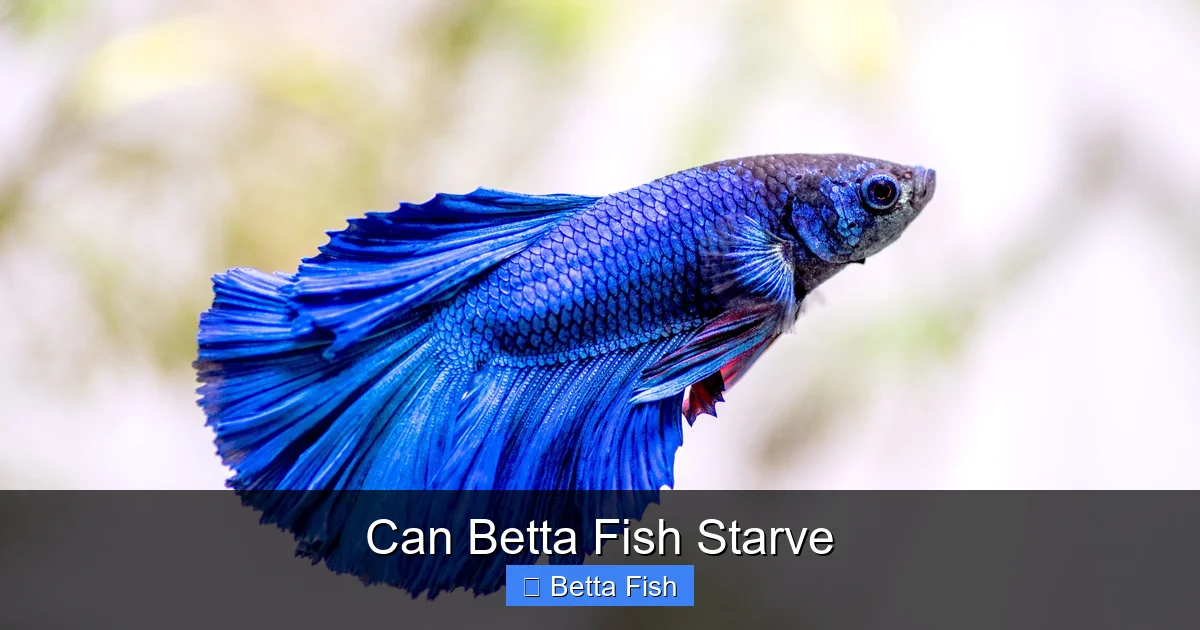
A healthy adult betta fish can typically survive between 10 and 14 days without food. This timeframe can vary based on several factors, including the fish’s age, overall health, metabolism, and the water temperature in their tank. Younger bettas with faster metabolisms may start showing signs of starvation sooner than older fish. Similarly, bettas kept in warmer water will burn through their energy reserves more quickly because their metabolism speeds up in higher temperatures.
Visual guide about Can Betta Fish Starve
Image source: thesprucepets.com
It is important to understand that this survival window is an emergency buffer, not a feeding plan. Going without food for extended periods weakens your betta’s immune system, makes them more susceptible to disease, and can cause irreversible organ damage. Think of it like a human surviving without food – you technically can do it for a while, but your body will start breaking down muscle and fat stores to keep vital organs running, and the damage accumulates quickly.
Factors That Affect How Long a Betta Can Fast
Not all bettas are created equal when it comes to fasting tolerance. Here are the key factors that influence how long your fish can safely go without eating:
- Age: Juvenile bettas need to eat more frequently because they are still growing. A baby betta should never go more than a day or two without food.
- Health status: A betta that is already sick or recovering from illness has fewer energy reserves and will deteriorate faster without food.
- Water temperature: Warmer water (78-80°F, which is ideal for bettas) increases metabolism, meaning your fish burns energy faster and needs food more often.
- Body condition: A well-fed betta with healthy fat reserves will last longer than an already underweight fish.
- Stress levels: A stressed betta uses more energy dealing with environmental stressors, which shortens the safe fasting window.
Signs Your Betta Fish Is Starving
Physical Warning Signs
One of the most important skills a betta owner can develop is recognizing when their fish is not getting enough nutrition. Starvation does not happen overnight – it is a gradual process, and your betta will give you clues along the way. Here are the physical signs to watch for:
Visual guide about Can Betta Fish Starve
Image source: buildyouraquarium.com
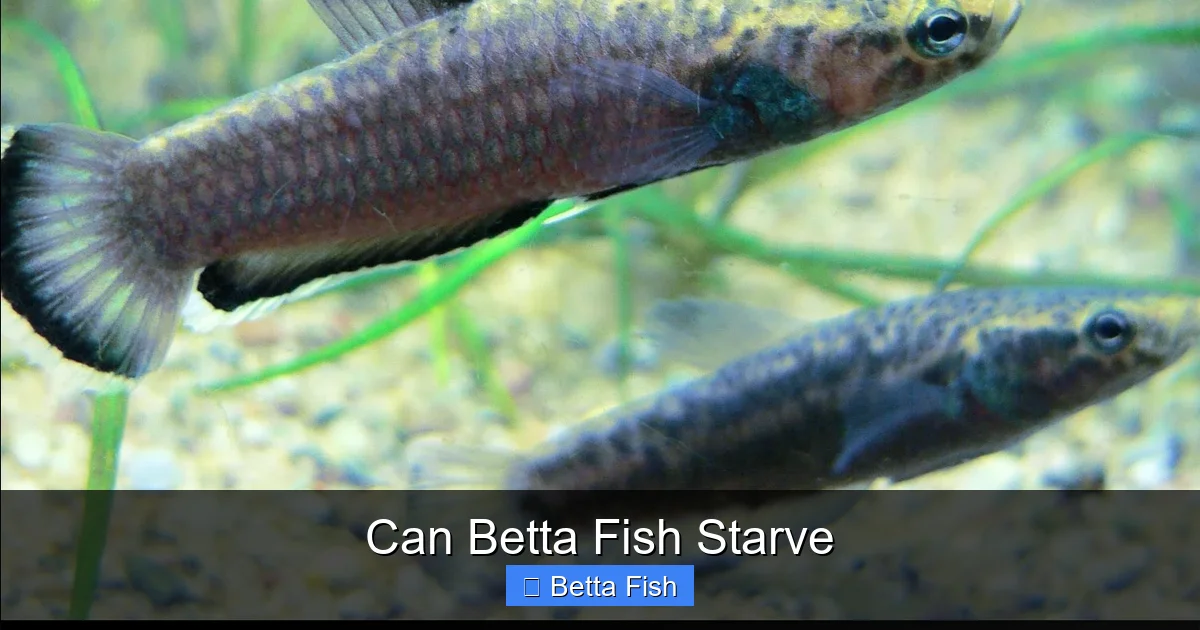
- Sunken or concave belly: A healthy betta should have a slightly rounded belly. If the area behind the head looks pinched or sunken, your fish is likely not eating enough.
- Faded color: Bettas are known for their vibrant colors. When they are malnourished, their colors become dull and washed out.
- Fin deterioration: If your betta’s fins look ragged, torn, or are shrinking, it could be a sign of nutritional deficiency. You might want to read about whether betta fish fins can grow back to understand how nutrition plays a role in fin health.
- Weight loss: If your betta looks noticeably thinner than usual, especially around the midsection, this is a red flag.
- White or stringy feces: This can indicate internal issues related to malnutrition or parasites that take hold when the immune system is weakened.
Behavioral Changes
Starving bettas also exhibit behavioral changes that attentive owners can spot. Your fish may become lethargic and spend most of its time sitting at the bottom of the tank or resting on plant leaves. A healthy betta is curious and active, swimming around its environment and responding to your presence. If your fish seems uninterested in its surroundings, something is wrong.
Another behavioral sign is refusing to eat when food is offered. This might seem counterintuitive – a starving fish should be eager to eat, right? But bettas that have gone too long without food can become weak and disoriented, losing the energy needed to swim to the surface and eat. If your betta ignores food repeatedly, it is time to investigate further.
You may also notice your betta gasping at the surface more than usual. While bettas are labyrinth breathers and naturally breathe air from the surface, excessive gasping combined with other symptoms can indicate that your fish is struggling due to weakness from malnutrition.
How Often Should You Feed Your Betta Fish?
The Ideal Feeding Schedule
Now that you know the dangers of underfeeding, let us talk about the right way to feed your betta. The general recommendation is to feed your betta fish once or twice a day. Each feeding should consist of only as much food as your betta can consume in about 2 minutes. For most adult bettas, this translates to 2-4 pellets per feeding or a small pinch of freeze-dried or frozen food.
Visual guide about Can Betta Fish Starve
Image source: koala.sh
Many experienced betta owners also recommend implementing a fasting day once a week. Skipping one day of feeding per week gives your betta’s digestive system a break and helps prevent constipation, which is a common problem in betta fish. Think of it as a mini-cleanse that keeps their gut healthy.
What Can Betta Fish Eat?
A common mistake betta owners make is feeding their fish the same thing every single day. While betta pellets are a convenient staple food, they should not be the only thing your fish eats. A varied diet is essential for preventing nutritional deficiencies that can lead to starvation-related health issues even when your fish is eating regularly.
Here are some excellent food options for your betta:
- High-quality betta pellets: Look for pellets with protein as the first ingredient. Brands like Hikari and Omega One are popular choices.
- Freeze-dried bloodworms and brine shrimp: These are great as occasional treats but should be soaked in tank water before feeding to prevent bloating.
- Frozen foods: Frozen bloodworms, daphnia, and brine shrimp are closer to a betta’s natural diet and are highly nutritious.
- Live foods: If you can source them safely, live foods like mosquito larvae, daphnia, and brine shrimp are the best option for stimulating natural hunting behavior.
For a more detailed breakdown of dietary options, check out our guide on what betta fish can eat to ensure your fish gets a balanced and nutritious diet.
What Happens When Betta Fish Starve?
The Biological Process of Starvation
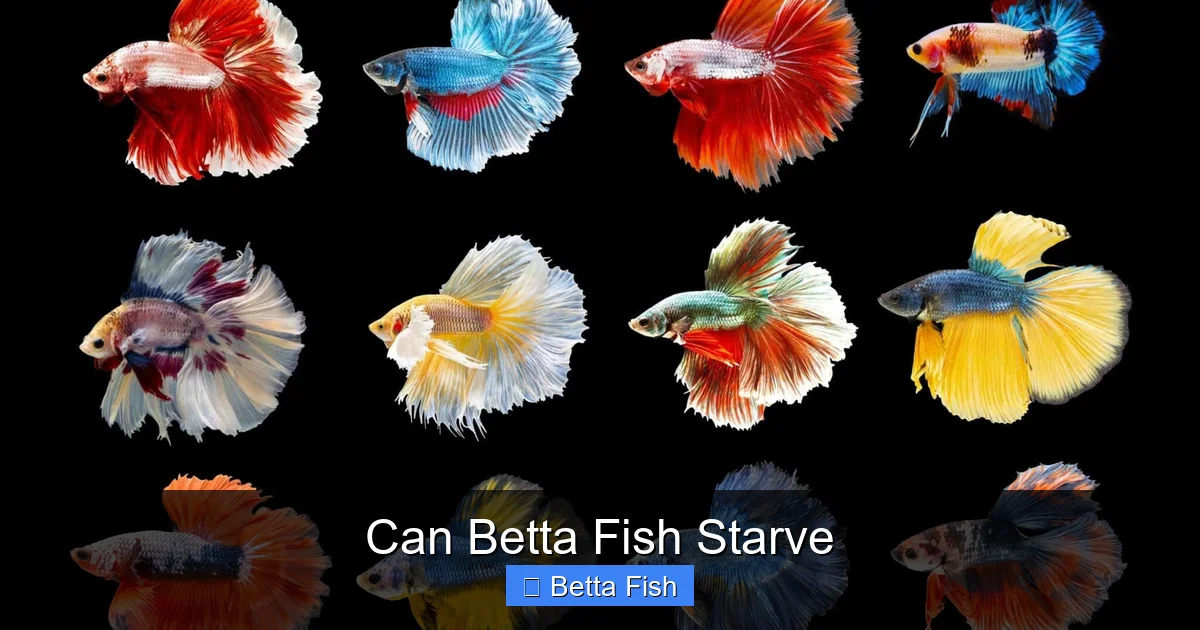
When a betta fish stops receiving food, its body goes through a predictable series of stages. Understanding these stages helps you appreciate why consistent feeding is so critical.
Visual guide about Can Betta Fish Starve
Image source: aquariumwhisperer.com
Stage 1 (Days 1-3): Your betta uses up the readily available energy from its last meal. During this time, you probably will not notice any changes in behavior or appearance. The fish is still active and alert.
Stage 2 (Days 4-7): The body starts breaking down stored glycogen and fat reserves. Your betta may become slightly less active and start losing some of its vibrant coloration. The immune system begins to weaken.
Stage 3 (Days 8-14): The body starts breaking down muscle tissue for energy. This is when you will see significant weight loss, lethargy, and physical deterioration. The fish becomes vulnerable to infections and diseases that a healthy immune system would normally fight off.
Stage 4 (Beyond 14 days): Organ failure becomes a real risk. At this point, even if you start feeding again, the damage may be irreversible. Recovery is possible in some cases, but the fish may never return to full health.
Long-Term Effects of Malnutrition
Even if your betta does not reach the point of complete starvation, chronic underfeeding can cause lasting damage. Malnourished bettas are more prone to diseases like fin rot, ich, and dropsy. Their growth can be stunted, their colors permanently faded, and their lifespan significantly shortened. A well-fed betta can live 3-5 years or even longer, but a chronically underfed fish may only survive a year or two.
Malnutrition also affects a betta’s ability to heal from injuries. If your fish sustains a tear in its fin or develops a minor infection, a well-nourished betta can recover relatively quickly. A malnourished one may struggle to heal, and small problems can escalate into life-threatening conditions.
Feeding Your Betta When You Are Away
Short Trips (1-3 Days)
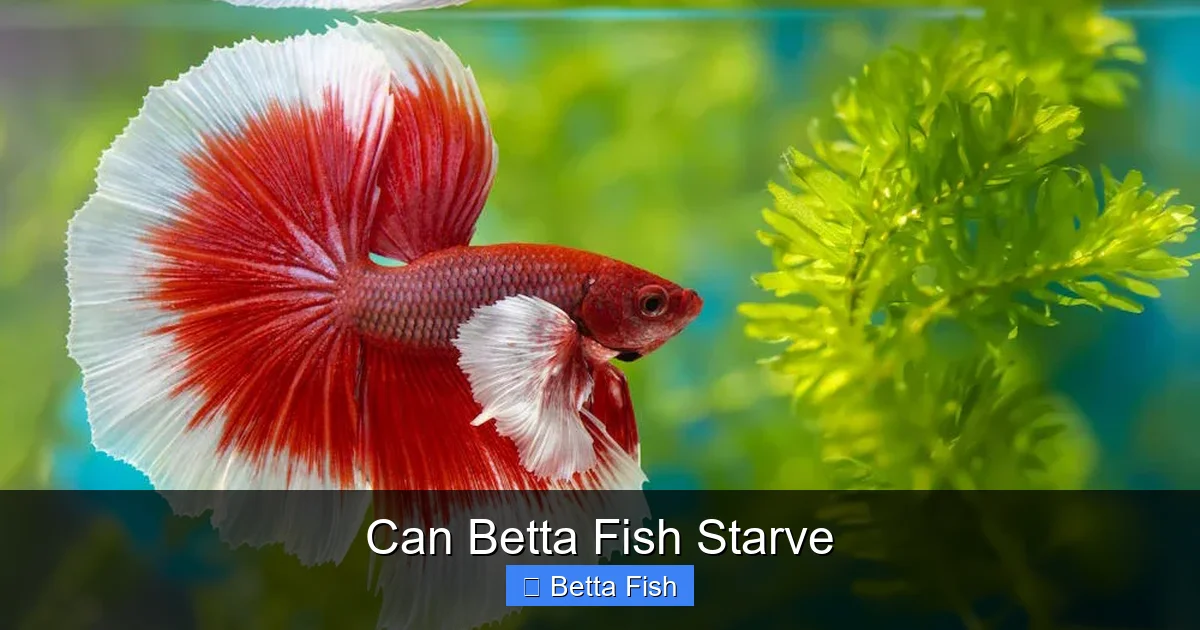
If you are going away for a weekend or a couple of days, your betta will be perfectly fine without food. In fact, it is better to leave your betta unfed for a short trip than to risk overfeeding before you leave. Many owners make the mistake of giving their betta a large meal before heading out, which can lead to water quality issues and bloating while you are gone.
Visual guide about Can Betta Fish Starve
Image source: cdn.shopify.com
Before you leave, do a partial water change and make sure the tank temperature is stable. A clean, well-maintained tank will keep your betta healthy and comfortable until you return. When you get back, resume your normal feeding schedule.
Medium Trips (4-7 Days)
For trips lasting up to a week, you have a few options. The best approach is to ask a trusted friend or neighbor to feed your betta every other day. Leave clear written instructions about how much food to give – many well-meaning people overfeed fish because they think the fish looks hungry.
If you cannot find someone to help, consider using an automatic fish feeder. These devices can be programmed to dispense a set amount of food at specific times. Test the feeder for a few days before your trip to make sure it works correctly and dispenses the right amount.
Long Trips (1-2 Weeks)
For extended absences, an automatic feeder is your best bet. Slow-release feeding blocks are another option, but they come with a significant downside – they can cloud the water and cause ammonia spikes, which are dangerous for your betta. If you must use a feeding block, choose a high-quality one and monitor water parameters closely when you return.
Another option for long trips is to have a pet sitter check on your fish every 2-3 days. This person can feed your betta, check the water temperature, and make sure the filter is running properly. It is the most reliable way to ensure your fish stays healthy while you are away.
Common Feeding Mistakes Betta Owners Make
Overfeeding: The Silent Killer
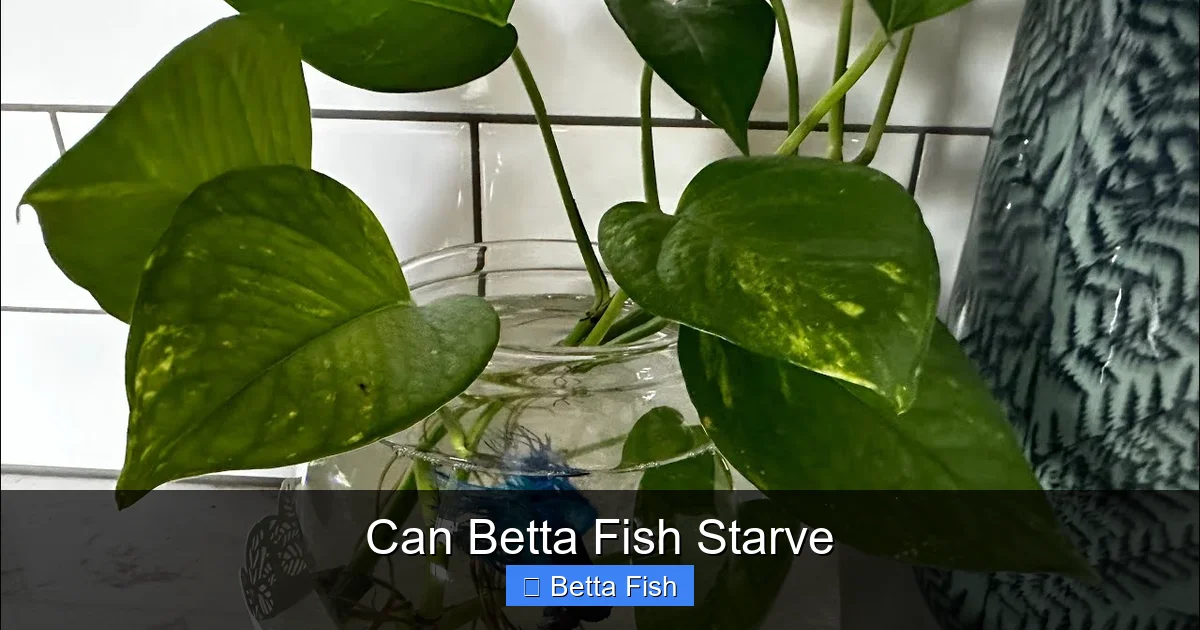
While this article focuses on starvation, it is worth mentioning that overfeeding is actually more common and arguably more dangerous than underfeeding. Bettas are opportunistic eaters and will consume as much food as you give them, even if they do not need it. Overeating leads to bloating, constipation, swim bladder disease, and poor water quality from uneaten food decomposing in the tank.
Visual guide about Can Betta Fish Starve
Image source: i.ytimg.com
A good rule of thumb is that your betta’s stomach is roughly the size of its eye. That is not a lot of food! Stick to small portions and resist the urge to add more just because your fish seems to be begging. Betttas are masters at looking hungry, even when they are not.
Feeding the Wrong Foods
Not all fish food is appropriate for bettas. Bettas are carnivorous and need a high-protein diet. Flakes designed for tropical fish often contain too many fillers and not enough protein for bettas. Goldfish food is completely inappropriate and can cause serious health problems. Always choose food specifically formulated for bettas or high-protein carnivore diets.
Ignoring Water Quality
Feeding and water quality are deeply connected. Uneaten food decomposes and releases ammonia, which is toxic to fish. Overfeeding leads to dirty water, which stresses your betta and makes it more susceptible to disease. Perform regular water changes (25-50% weekly for most setups) and remove any uneaten food after 5 minutes to keep the tank environment healthy.
If you are keeping your betta in a small bowl without a filter, you need to be even more vigilant about water changes. Learn more about whether betta fish can live in small bowls and how housing conditions affect their overall health and feeding needs.
How to Help a Starving Betta Recover
Gradual Reintroduction of Food
If you have rescued a starving betta or your fish has gone too long without food, do not immediately give it a large meal. A starving digestive system cannot handle a normal portion, and overfeeding at this stage can cause serious complications. Instead, start with very small amounts of easily digestible food.
Good options for initial recovery feeding include:
- Daphnia: Acts as a natural laxative and is easy to digest.
- Soaked betta pellets: Soaking softens the pellets and makes them easier on a weakened digestive system.
- Small amounts of frozen brine shrimp: High in protein and easy to eat.
Feed tiny portions 2-3 times a day for the first week, then gradually increase the portion size as your betta regains strength. Monitor your fish closely for signs of improvement, including increased activity, improved color, and a fuller body shape.
Optimizing the Environment for Recovery
A recovering betta needs a stress-free environment to heal. Make sure the water temperature is stable between 78-80°F, as warmth supports metabolism and immune function. Keep the tank in a quiet area away from loud noises and excessive foot traffic. Dim lighting can also help reduce stress during recovery.
Consider adding Indian almond leaves or a stress coat supplement to the water. These release tannins that have antibacterial properties and create a more natural, soothing environment for your betta. Clean, warm, calm water is one of the best medicines for a recovering fish.
Conclusion
Betta fish can indeed starve, but with proper knowledge and care, it is entirely preventable. The key takeaways are simple: feed your betta a varied, high-quality diet once or twice a day, watch for signs of malnutrition, and have a plan in place for when you are away. Remember that your betta depends on you completely for its nutrition – there is no foraging in a tank like there would be in the wild.
By understanding your betta’s dietary needs and paying attention to its behavior and appearance, you can ensure your fish lives a long, healthy, and vibrant life. A well-fed betta is a beautiful, active, and engaging pet that will bring you joy for years to come. Do not let starvation be the thing that cuts that journey short.
Frequently Asked Questions
Can betta fish die from starvation?
Yes, betta fish can die from starvation if they go without food for too long. While they can survive 10-14 days without eating, prolonged starvation leads to organ failure, immune system collapse, and eventually death. Consistent, proper feeding is essential for their survival.
How long can a betta fish go without eating?
A healthy adult betta fish can survive approximately 10-14 days without food. However, this varies based on the fish’s age, health, and water temperature. Juvenile bettas and sick fish have shorter survival windows and should never be left unfed for extended periods.
What are the signs that my betta fish is starving?
Signs of starvation include a sunken belly, faded colors, lethargy, weight loss, fin deterioration, and refusal to eat. If you notice these symptoms, assess your feeding routine immediately and consult a vet if the condition does not improve with proper feeding.
Is it better to overfeed or underfeed a betta fish?
Neither is ideal, but overfeeding is generally more immediately dangerous. Overfeeding causes bloating, constipation, and poor water quality, which can lead to serious health issues. It is better to slightly underfeed than overfeed, as bettas can handle missing an occasional meal.
Can I leave my betta fish alone for a week?
You can leave your betta alone for up to 3-4 days without any issues. For a week-long absence, use an automatic feeder or ask someone to feed your betta every other day. Always test automatic feeders before leaving to ensure they work properly.
What should I feed my betta fish for optimal health?
A healthy betta diet includes high-quality betta pellets as a staple, supplemented with frozen or freeze-dried bloodworms, brine shrimp, and daphnia. Variety is key to preventing nutritional deficiencies. Feed 2-4 pellets once or twice daily, and consider one fasting day per week.