How Tocure Ich Betta Fish
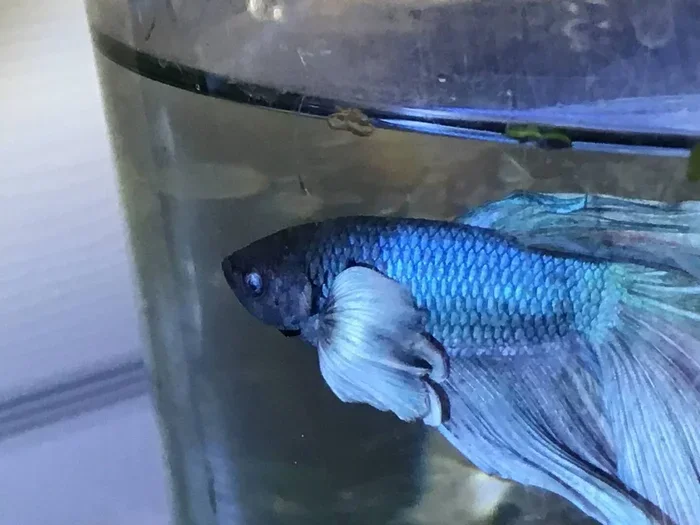
Curing ich in betta fish is possible with the right approach. This guide covers everything from spotting early white spot symptoms to applying effective treatments like aquarium salt and medication. You will learn how to raise water temperature safely, use proper betta fish care methods, and prevent ich from coming back.
If you have noticed tiny white spots on your betta fish, you are probably dealing with ich. This common parasite can stress out any fish owner, but the good news is that curing ich in betta fish is very doable at home. You do not need expensive equipment or a degree in fish science. With the right steps, your betta can be back to its colorful, active self in no time.
How to cure ich betta fish starts with understanding what ich actually is. Ich, also called white spot disease, is caused by a tiny parasite that attaches to your fish’s fins, body, and gills. It spreads fast in tanks with poor water quality or stressed fish. The sooner you act, the better your betta’s chances of a full recovery.
In this guide, you will find everything you need to know about treating ich. We will walk you through symptoms, causes, treatments, and prevention. Whether your betta is showing early signs or a full-blown outbreak, this article has you covered.
Key Takeaways
- Early Detection Saves Lives: Catching white spots on your betta early makes treatment much easier and faster.
- Aquarium Salt Is a Proven Remedy: Salt baths and aquarium salt in the tank are safe and effective ways to treat ich in betta fish.
- Raise the Water Temperature Gradually: Warmer water speeds up the ich lifecycle and helps your betta recover quicker.
- Prevention Beats Cure: Maintaining clean water, proper water quality, and a stress-free environment keeps ich away.
- Isolate Sick Fish Immediately: Quarantining a betta with ich protects tank mates and makes treatment simpler.
- Patience Is Key: Full recovery takes time, and consistent care ensures your betta fish stays healthy long-term.
📑 Table of Contents
- What Is Ich and Why Does It Affect Betta Fish?
- How To Tell If Your Betta Has Ich
- How To Cure Ich Betta Fish: Step-by-Step Treatment
- Can Ich Spread to Other Fish in the Tank?
- Preventing Ich in the Future
- How Long Does It Take to Cure Ich?
- Common Mistakes When Treating Ich
- Expert Insight: Why Some Bettas Get Ich More Than Others
- Conclusion
What Is Ich and Why Does It Affect Betta Fish?
Ich is one of the most common fish diseases in freshwater aquariums. The parasite, known as Ichthyophthirius multifiliis, lives in most tanks at low levels. A healthy betta fish immune system can usually keep it under control. But when stress or poor conditions weaken your fish, ich multiplies rapidly.
Betta fish are especially prone to ich because they are often kept in small bowls or tanks. Betta fish care requires stable water conditions, and any drop in quality can trigger an outbreak. Understanding the ich lifecycle helps you treat it at the right stage.
The Ich Lifecycle Explained
The ich parasite goes through several stages:
- Trophont: The parasite burrows under the fish’s skin and feeds. This is when you see the white spots.
- Tomont: The parasite drops off the fish and attaches to surfaces in the tank. It divides and creates hundreds of new parasites.
- Theront: Free-swimming parasites look for a new host. This is the best time to treat the tank.
- Encysted Tomont: The parasite forms a protective cyst and waits to release new theronts.
Knowing this lifecycle is important because treatments only work on free-swimming stages. This is why raising water temperature and using medication together gives the best results.
How To Tell If Your Betta Has Ich
Spotting ich early is the first step to curing it. The symptoms are usually easy to see if you check your betta daily.
Common Symptoms of Ich in Betta Fish
- White spots on fins and body that look like grains of salt or sand
- Scratching or flashing — your betta rubs against rocks or decorations
- Clamped fins held close to the body
- Loss of appetite or refusing food
- Rapid breathing or gasping at the surface
- Lethargy and hiding more than usual
- Cloudy eyes in advanced cases
If you notice white spots on betta along with any of these behaviors, act quickly. The longer you wait, the harder it becomes to treat. Can betta fish get ich? Absolutely yes, and almost every betta owner will deal with it at some point.
When To See a Vet
Most ich cases can be treated at home. However, if your betta stops eating entirely or the spots spread to the gills, you may need professional help. A fish vet can prescribe stronger betta fish medication if over-the-counter treatments are not working.
How To Cure Ich Betta Fish: Step-by-Step Treatment
Treating ich requires a two-pronged approach. You need to kill the parasites and support your betta’s healing. Here is exactly how to do it.
Step 1: Raise the Water Temperature
One of the most effective ways to speed up the ich lifecycle is to raise the water temperature. The parasite reproduces faster in warmer water, which means the treatment works faster too.
Gradually increase the temperature to about 80-82°F (27-28°C). Do this slowly — no more than 2°F per day. Sudden temperature changes will stress your betta even more. Use a reliable heater and monitor the temperature closely.
Warmer water also helps your betta’s immune system fight off the infection. This is a key part of how to cure ich betta fish naturally.
Step 2: Add Aquarium Salt
Aquarium salt is a safe and effective treatment for ich in bettas. Salt creates a hostile environment for the parasite while being gentle on your fish.
Add one teaspoon of aquarium salt per gallon of water. Dissolve the salt in a cup of tank water first, then pour it in slowly. You can also do a separate salt bath for more severe cases. For detailed instructions on salt baths, check out our guide on how to salt bath betta fish.
Keep the salt in the tank for 7-10 days. Do not do water changes during this period, as it will remove the salt before it has time to work.
Step 3: Use Ich Medication
If salt alone is not enough, you can use commercial ich medications. Look for products containing malachite green or formalin. These are proven to kill free-swimming theronts.
Follow the dosage instructions exactly. Overdosing can harm your betta, especially in smaller tanks. Remove any carbon filter media before adding medication, as carbon will absorb the treatment and make it less effective.
Many owners also wonder how to use tetracycline for betta fish as an alternative. While tetracycline is an antibiotic, it is more useful for bacterial infections than parasites. Stick to ich-specific medications for the best results.
Step 4: Improve Water Quality
Poor water quality is the number one cause of ich outbreaks. During treatment, keep the water as clean as possible without removing the salt.
- Test ammonia, nitrite, and nitrate levels daily
- Remove uneaten food immediately
- Avoid overfeeding — feed small amounts twice a day
- Ensure proper filtration is running
For tips on maintaining great water conditions, read our article on how to take care of betta fish water. Clean water is the foundation of betta fish health and recovery.
Step 5: Reduce Stress
Stress weakens your betta’s immune system and makes it harder to fight off ich. Create a calm environment during treatment.
- Keep the tank in a quiet area away from loud noises
- Avoid bright lights — use dim lighting for a few days
- Do not handle or disturb the fish unnecessarily
- Keep the tank away from drafts and temperature swings
You can also help your betta recover faster by adding live plants or hiding spots. These make your fish feel safe and reduce stress. For more on helping a stressed betta, see our guide on how to treat a stressed betta fish.
Can Ich Spread to Other Fish in the Tank?
Yes, ich is highly contagious. If you have tank mates with your betta, the parasite can spread quickly. In fact, can betta fish spread ich to tank mates? They absolutely can, and any fish in the same tank is at risk.
This is why many experts recommend treating ich in a separate quarantine tank. Isolation makes it easier to monitor your betta and adjust treatment without affecting other fish. If you do not have a quarantine setup, treat the entire main tank.
For more on how ich spreads between fish, check out can betta fish spread ich to tank mates.
Preventing Ich in the Future
The best way to deal with ich is to prevent it from happening in the first place. Prevention is simple and saves you a lot of trouble.
Maintain Consistent Water Parameters
Keep your tank temperature stable and test the water regularly. Sudden changes in water conditions are the biggest trigger for ich outbreaks. Use a thermometer and test kit to stay on top of things.
Quarantine New Fish
Before adding any new fish to your tank, quarantine them for at least two weeks. This gives you time to spot any signs of ich or other diseases before they spread.
Feed a Nutritious Diet
A strong immune system starts with good nutrition. Feed your betta high-quality pellets, frozen bloodworms, or brine shrimp. You can even make betta fish food at home to ensure it is fresh and healthy.
Keep the Tank Clean
Regular water changes (about 25% per week) help maintain water quality. Vacuum the substrate and clean the glass to remove waste buildup. Clean water equals a healthy betta.
How Long Does It Take to Cure Ich?
With proper treatment, most betta fish start showing improvement within 3-5 days. The white spots should begin to disappear as the parasites die off. Full recovery usually takes 1-2 weeks.
However, complete eradication of ich from the tank can take longer. The encysted tomont stage can survive for weeks, which is why you should continue treatment for at least 10 days after spots disappear. Stopping too early is one of the most common mistakes people make.
For more information on how long bettas live and stay healthy after treatment, see a betta fish lives how long and how to make my betta fish tank warmer.
Common Mistakes When Treating Ich
Avoid these common errors that can make ich treatment less effective:
- Raising the temperature too fast — this shocks your betta and makes things worse
- Removing the carbon filter too late — carbon absorbs medication and reduces its effectiveness
- Stopping treatment too early — surviving parasites will restart the cycle
- Using table salt instead of aquarium salt — table salt contains additives that harm fish
- Ignoring water quality — dirty water undermines every treatment effort
- Overmedicating — more is not better and can damage your betta’s organs
For detailed guidance on treating ich specifically for bettas, also check out our article on how to treat ich on a betta fish.
Expert Insight: Why Some Bettas Get Ich More Than Others
Not all bettas are equally susceptible to ich. Fish that are kept in cold water, small bowls, or stressful environments get sick more often. On the other hand, bettas with proper betta fish care and clean tanks rarely deal with outbreaks.
Age also plays a role. Younger bettas with stronger immune systems tend to recover faster. Older bettas or those with existing health issues need gentler treatment and closer monitoring.
If you are curious about your betta’s age and how it affects health, read can you tell how old a betta fish is. Understanding your fish’s age helps you tailor the right care approach.
Conclusion
How to cure ich betta fish is straightforward when you follow the right steps. Raise the temperature gradually, add aquarium salt, use medication if needed, and keep the water clean. Most importantly, reduce stress and give your betta time to recover.
Prevention is your best long-term strategy. Consistent water changes, proper nutrition, and quarantine for new fish keep ich from ever becoming a problem. Your betta deserves a healthy, happy home, and now you have the tools to provide one.
Stay patient, stay consistent, and your betta will be swimming happily again before you know it.
Frequently Asked Questions
Can ich kill a betta fish?
Yes, if left untreated, ich can be fatal. The parasites damage the gills and skin, making it hard for your betta to breathe and fight off secondary infections. Early treatment greatly improves survival rates.
Is ich contagious to humans?
No, ich is a fish-specific parasite and cannot infect humans. You do not need to worry about catching it from your betta. However, always wash your hands after handling tank water to maintain good hygiene.
Can I treat ich without raising the water temperature?
You can, but raising the temperature significantly speeds up treatment. Warmer water shortens the ich lifecycle, making medication and salt more effective. If you cannot raise the temperature, extend the treatment duration to compensate.
How long should I keep aquarium salt in the tank?
Keep aquarium salt in the tank for 7 to 10 days. This ensures all free-swimming parasites are killed. After treatment, do a partial water change to remove the salt before returning to normal maintenance.
Can betta fish recover from ich on their own?
A healthy betta with a strong immune system can sometimes fight off a mild ich infection. However, treatment greatly improves the speed of recovery and reduces the risk of complications. Do not rely on self-recovery for moderate or severe cases.
What is the difference between ich and a fungal infection?
Ich appears as small white spots scattered across the body and fins, while fungal infections look like fluffy white or gray patches. Ich causes scratching and rapid breathing, whereas fungal infections often follow injuries or burns. Proper diagnosis ensures you use the right treatment.