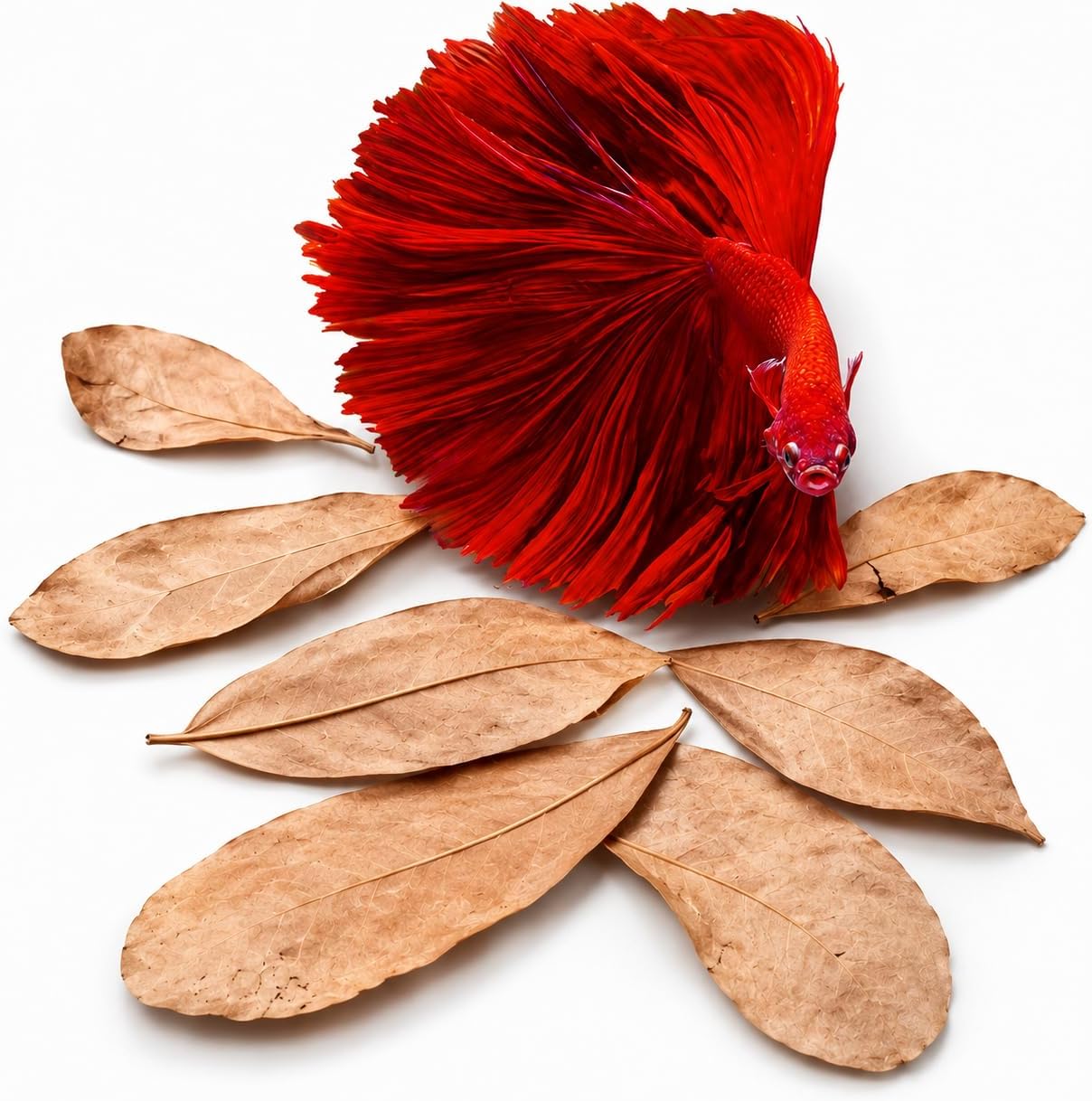
Do Betta Fish Grow Their Tails Back
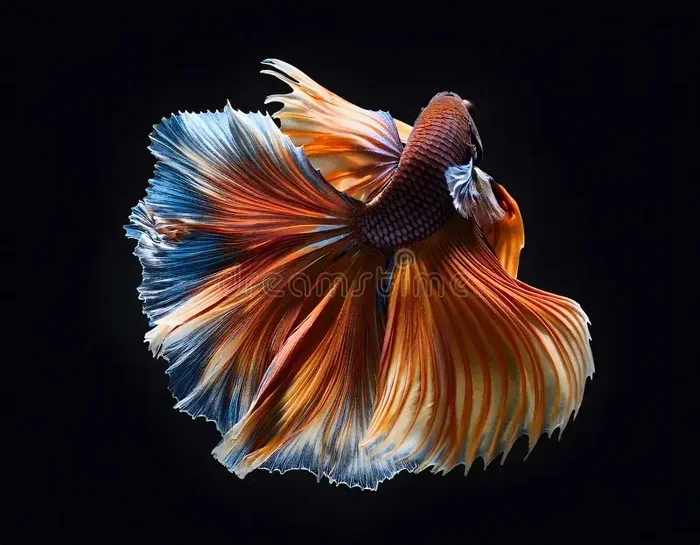
Yes, betta fish can grow their tails back under the right conditions. Tail regrowth depends on the cause of damage, water quality, and proper care. This guide covers everything you need to know about betta fish tail regrowth and healing.
Do betta fish grow their tails back? This is one of the most common questions betta owners ask. The short answer is yes. Betta fish can regrow their tails and fins in many cases. But the process depends on several factors. The cause of the damage, the overall health of your fish, and the care you provide all play a role. In this article, we will walk you through everything you need to know about betta fish tail regrowth. You will learn why tails fall off, how to speed up healing, and what to do if your betta’s tail does not grow back.
Watching your betta lose its beautiful tail can be stressful. Betta fish are known for their long, flowing fins and vibrant colors. When those tails start to fade, fray, or disappear, it is natural to worry. The good news is that bettas have a remarkable ability to heal. With the right approach, you can support your fish through the recovery process. Let us dive into the details of how betta fish regrow their tails and what you can do to help.
Key Takeaways
- Betta fish can regrow their tails: Given time and proper care, most bettas will regrow damaged tails and fins.
- Identify the cause first: Tail loss can stem from fin rot, tail biting, injury, or poor water conditions.
- Water quality is critical: Clean, warm water speeds up healing and supports new tail growth.
- Healing takes time: Full tail regrowth can take several weeks to months depending on severity.
- Prevention matters: Proper tank setup and diet reduce the risk of future tail damage.
- Watch for infection: Signs like redness, fraying, or white edges need immediate attention.
- Not all tail loss is permanent: Understanding the cause helps you determine if regrowth is possible.
📑 Table of Contents
Why Do Betta Fish Lose Their Tails?
Before you can help your betta regrow its tail, you need to understand why the tail was lost in the first place. Different causes lead to different outcomes. Some are easy to fix, while others need more attention.
Fin Rot and Infections
Fin rot is one of the most common reasons bettas lose their tails. It is a bacterial or fungal infection that eats away at the tail tissue. You will often notice the edges turning white, black, or red. The tail may look ragged or frayed. Fin rot usually happens when water quality is poor. High ammonia or nitrite levels weaken your betta’s immune system. This makes it easy for infections to take hold. If caught early, fin rot is treatable and the tail can grow back.
Tail Biting
Some bettas bite their own tails. This behavior is called tail biting or self-mutilation. It can happen out of boredom, stress, or curiosity. Betta fish are intelligent creatures. When they do not have enough stimulation, they may start chewing on their fins. Over time, this can cause serious tail damage. The good news is that tail-biting bettas can still regrow their tails once the behavior is addressed. You can find more about why bettas do this in our article why do betta fish bite their tails.
Physical Injury
Sharp decorations, rough filter outflows, or aggressive tankmates can cause physical tail injuries. A torn or ripped tail does not always mean the tail is gone forever. Betta fish can heal from minor injuries. The damaged tissue will regrow over time. However, severe tears may leave permanent scarring. The tail may not look exactly the same as before, but it will still grow back.
Poor Water Conditions
Dirty water is the enemy of betta fish health. When ammonia and nitrite levels rise, your betta’s fins and tail start to deteriorate. This is not always an infection. Sometimes it is simply the result of living in bad water. Regular water changes and proper filtration can prevent this. If the tail damage is caught early, regrowth is very likely.
How Long Does It Take for a Betta Tail to Grow Back?
The answer to this question varies from fish to fish. Betta fish tail regrowth timelines depend on the severity of the damage and the care you provide. Let us break it down.
Minor Tail Damage
For small tears or slight fraying, you can expect regrowth within 2 to 4 weeks. The new tail tissue grows slowly. You may notice a small, translucent nub at the base of the damaged area. This is the beginning of the new tail. Over time, it will elongate and take on color. Keeping the water clean and warm during this period is essential.
Moderate Tail Damage
If a significant portion of the tail is lost, regrowth can take 4 to 8 weeks. The new tail may look different at first. It could be shorter or a slightly different shape. This is normal. Betta tails grow in layers, so the new growth may not match the original perfectly. But given time, it will improve.
Severe Tail Damage
In cases where the tail is almost completely gone, full regrowth can take 2 to 3 months or longer. Severe damage increases the risk of infection during the healing process. You will need to monitor your betta closely. Watch for signs of redness, swelling, or white fuzzy growth. If you see any of these, treat the water with appropriate medication. Some severe cases may not result in full regrowth, but most bettas will see at least partial recovery.
Factors That Affect Tail Regrowth Speed
Several factors influence how quickly your betta’s tail grows back:
- Age of the fish: Younger bettas heal faster than older ones.
- Overall health: A well-fed, active betta regrows tails more efficiently.
- Water temperature: Warm water between 78 and 80 degrees Fahrenheit supports healing.
- Water quality: Low ammonia and nitrite levels are crucial for regrowth.
- Diet: A nutritious diet rich in protein fuels tissue repair.
- Stress levels: A calm, stable environment promotes faster healing.
How to Help Your Betta Regrow Its Tail
You are not helpless when your betta loses its tail. There are several steps you can take to support the regrowth process. These simple actions make a big difference.
Step 1: Improve Water Quality
This is the single most important thing you can do. Test your water parameters regularly. Keep ammonia and nitrite at zero. Nitrate should be below 20 ppm. Perform 25 to 30 percent water changes every week. Use a gentle filter to avoid strong currents that can damage delicate new tail growth. Clean gravel and remove any debris from the substrate.
Step 2: Maintain Proper Temperature
Betta fish are tropical creatures. They need warm water to thrive and heal. Keep the tank temperature steady at 78 to 80 degrees Fahrenheit. Use a reliable heater with a thermostat. Avoid sudden temperature changes. Fluctuations stress your betta and slow down the healing process.
Step 3: Feed a Nutritious Diet
Good nutrition fuels tail regrowth. Feed your betta high-quality pellets as the staple diet. Supplement with frozen or live foods like brine shrimp and bloodworms. These foods are rich in protein and nutrients. Feed small amounts twice a day. Do not overfeed, as uneaten food can foul the water.
Step 4: Reduce Stress
A stressed betta heals slowly. Keep the tank in a quiet area away from loud noises and direct sunlight. Avoid moving decorations around frequently. Some bettas get upset when you change their environment. If you need to rearrange the tank, do it gradually. You can learn more about how bettas react to changes in our article do betta fish get mad when you change their decorations. Consider adding gentle plants or hiding spots to make your betta feel secure.
Step 5: Treat Infections Promptly
If you notice signs of fin rot or infection, act quickly. Use aquarium salt as a first-line treatment. Add one teaspoon per gallon of water. This creates a healing environment and fights mild infections. For more serious cases, use a broad-spectrum fish antibiotic. Always follow the dosage instructions on the product label. Remove carbon from your filter during treatment, as it can absorb medication.
Step 6: Separate If Needed
If your betta lives with other fish, consider moving it to a quarantine tank during recovery. Aggressive tankmates may nip at the healing tail. A separate tank gives your betta peace and a controlled environment for healing. This also makes it easier to monitor food intake and medication.
Can All Betta Fish Regrow Their Tails?
While most bettas can regrow their tails, not every case results in full recovery. Understanding the limits of betta fish tail regrowth helps you set realistic expectations.
When Regrowth Is Likely
Regrowth is most likely when:
- The damage is minor to moderate.
- The cause has been removed or treated.
- Water quality is excellent.
- The fish is young and healthy.
- You act quickly at the first sign of damage.
When Regrowth May Not Happen
In some situations, the tail may not grow back fully. This includes:
- Severe tissue loss where the base of the tail is completely destroyed.
- Chronic infections that go untreated for a long time.
- Extreme age, where the fish’s healing ability is reduced.
- Repeated tail biting that prevents the tissue from stabilizing.
Even in these cases, partial regrowth is still possible. Your betta may not regain its full, flowing tail, but it can still live a happy and healthy life. For more information on related topics, check out our article on do betta fish grow new fins.
Preventing Future Tail Damage
Prevention is always better than cure. Once your betta’s tail has started to regrow, you want to protect it from further damage. Here are some practical tips.
- Choose smooth decorations: Avoid sharp plastic plants and rough driftwood. Go with silk plants and smooth rocks instead.
- Use a sponge filter: Sponge filters provide gentle filtration without strong currents that can tear delicate fins.
- Keep the tank peaceful: Do not house bettas with aggressive or fin-nipping fish.
- Maintain a consistent routine: Regular feeding, water changes, and tank checks keep stress low.
- Monitor water parameters weekly: Test kits are inexpensive and worth the investment.
- Provide enrichment: Add safe toys and hiding spots to prevent boredom and tail biting.
For more tips on setting up a healthy betta tank, read our guide on what do betta fish like in their tanks.
Common Mistakes to Avoid During Tail Recovery
When your betta is healing, it is easy to make mistakes. Here are some common ones to avoid.
- Changing too much water at once: Large water changes can shock your betta and slow healing. Stick to 25 to 30 percent changes weekly.
- Using the wrong medication: Not all fish medications work for every issue. Identify the cause first before treating.
- Overfeeding: Excess food pollutes the water and can trigger fin rot again.
- Ignoring water parameters: You cannot fix what you do not measure. Test your water regularly.
- Moving the tank around: Constant changes in environment stress your betta and delay recovery.
Expert Insight: Many experienced betta keepers recommend adding a small amount of aquarium salt during the healing phase. Salt supports the slime coat, reduces stress, and creates an environment that discourages bacterial growth. Just be careful not to use too much, and always dissolve the salt in a separate container before adding it to the tank.
Conclusion
Do betta fish grow their tails back? Yes, they absolutely can. With the right care, most bettas will regrow damaged tails over time. The key is to identify the cause of the damage quickly, maintain excellent water quality, and provide a stress-free environment. Betta fish tail regrowth is a natural process, but it requires patience and consistent effort on your part. Follow the steps outlined in this guide, and you will give your betta the best chance at a full recovery. Remember, a healthy betta is a happy betta. Keep monitoring your fish, stay proactive, and enjoy watching that beautiful tail grow back.
Frequently Asked Questions
How long does it take for a betta fish tail to grow back?
Minor tail damage can regrow in 2 to 4 weeks. Moderate damage may take 4 to 8 weeks. Severe damage can take 2 to 3 months or longer. The timeline depends on the severity of the injury, your betta’s overall health, and the quality of care you provide during recovery.
Can a betta fish tail grow back after fin rot?
Yes, betta fish can regrow their tails after fin rot, especially if the infection is caught early and treated promptly. Improve water quality, use aquarium salt or medication as needed, and feed a nutritious diet. For more details on fin recovery, see our article do betta fish fins grow back after fin rot.
Why is my betta fish losing its tail?
Betta fish can lose their tails for several reasons, including fin rot, tail biting, physical injury, and poor water conditions. Each cause requires a different approach to treatment. Identifying the root cause is the first step toward helping your betta recover.
Can I speed up my betta’s tail regrowth?
You can support faster regrowth by maintaining clean, warm water, feeding a high-protein diet, and reducing stress in the tank. Avoid harsh medications unless necessary, as they can stress your fish. Consistent, gentle care is the best way to encourage healing.
Will my betta’s new tail look the same as the old one?
The new tail may look slightly different at first. It could be shorter, a different shape, or less vibrant in color. Over time, as the tail continues to grow, it will often improve in appearance. However, severe damage may result in permanent changes to the tail’s shape.
Is tail loss in betta fish permanent?
Tail loss is not always permanent. Most bettas can regrow their tails if the underlying cause is addressed and proper care is provided. In cases of extreme tissue damage or chronic untreated conditions, full regrowth may not occur. But even then, partial recovery is usually possible.