Do Betta Fish Come Up for Air and What It Means for Tanks

Many new betta fish owners wonder why their pets rise to the surface repeatedly. Betta fish come up for air primarily when the water lacks enough dissolved oxygen. While occasional surfacing is normal, frequent behavior signals trouble that you should address. This guide explains the science behind this behavior, shows you how to spot early warning signs, and provides clear steps to keep your betta thriving in a happy, well-maintained environment.
### Why Betta Fish Come Up for Air
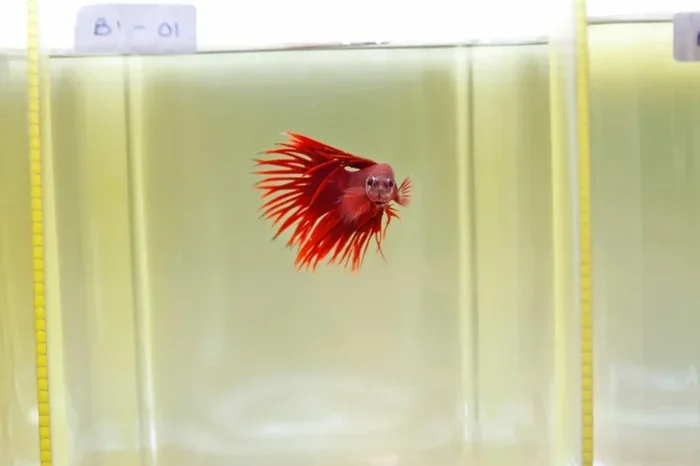
When you first buy a betta fish, you might notice it swimming lazily near the surface. You could think it is just relaxing or exploring its territory. However, there is a very real reason behind this behavior. Betta fish come up for air because their bodies are built to breathe both underwater and in the open atmosphere. This unique ability comes from a specialized organ called the labyrinth organ. It allows them to gulp small bubbles of air and store oxygen in their blood.
In nature, this trait helped them survive in shallow ponds where oxygen gets depleted quickly during hot summer days. Today, we keep most bettas in glass tanks with artificial setups. If the water in those tanks isn’t rich enough in oxygen, your fish will struggle to get enough to power their body functions. That is when they make a trip to the surface to fill their labyrinth organ with fresh air.
It is not always a sign of disaster. Sometimes, a temporary dip in oxygen causes just a few moments of surfacing. But if your betta starts doing this constantly, something serious is wrong. The next part of this guide will walk you through the telltale signs, the best ways to fix the root cause, and how to keep your beautiful pet safe.
### How Low Oxygen Levels Force Betta Fish to Surface
Oxygen is the lifeblood of every fish in your home aquarium. Without enough of it, a betta will panic and swim to the highest point possible in the water column. This is not a habit; it is a biological necessity. When the oxygen level drops below what the fish needs to function properly, their metabolism speeds up rapidly. They need that extra oxygen either from the water or from the sky above.
Several factors can cause this situation. One major culprit is inadequate aeration. Most beginner betta setups rely on a single air pump to circulate water. If the pump runs too slowly or sits too far away from the tank, the water becomes stagnant and oxygen-poor. Another common issue involves filter efficiency. If the filter is clogged with debris, it stops pumping water effectively. The result is dead zones where oxygen cannot reach.
Here is a quick look at what triggers the behavior:
– Poor water movement – Stagnant water holds less oxygen.
– Clogged equipment – Sediment buildup blocks air pumps.
– Incorrect tank size – Small tanks have fewer water molecules to hold oxygen, so they run dry faster.
– High temperature – Warmer water holds less oxygen overall.
– Overstocking – Too many fish mean more waste, which uses up oxygen.
Understanding these causes helps you act fast before your betta suffers. The next section will show you how to recognize the differences between normal surfacing and dangerous gasping.
### Recognizing the Signs: When It Becomes a Concern
Not all times you see your betta at the surface are the same. Occasional trips to the top are harmless. But when they happen every few minutes or persistently throughout the day, you must pay attention. You know your fish best. Watch for these specific behaviors:
Gasping at the surface
Your betta suddenly dives down and then swims upward to the glass. Then it remains there for several seconds, taking a deep breath before returning to the bottom. This is a clear signal that the water below has lost its oxygen.
Rapid fin movement
If your fish is constantly shaking its fins near the surface, it is trying to increase its own oxygen intake. Shallow, frantic movements indicate distress.
Restlessness and hiding
A betta that is jumping up and down constantly, especially after lights turn off at night, is likely struggling. It may also hide in plants or crevices instead of settling comfortably on the substrate.
Changes in swimming pattern
Normal bettas swim gracefully along the bottom or glide through the water column. When they prefer the surface, they lose interest in exploring the aquarium floor. This shift in preference tells you something is wrong.
By learning to distinguish these patterns, you can catch problems early. Many people wait until it is too late to treat low oxygen levels. However, fixing the underlying issue usually restores calm behavior almost overnight. The goal is to keep your betta comfortable and alert so it can thrive.
### Preparing Your Tank for Better Oxygen Exchange
Creating the right environment starts before your betta even enters the water. The foundation of healthy aquarium life lies in excellent water quality management. Good filtration systems work hard to remove waste and recycle nutrients, keeping oxygen levels steady. Regular water changes also refresh the water, pulling out impurities that would otherwise choke the ecosystem.
Before placing your fish inside the bowl, consider these essential elements:
Choose the right tank size
Smaller tanks hold less water relative to the number of residents. Less volume means oxygen depletes quickly. A minimum of twenty-five gallons for a single betta is recommended, though larger spaces give your fish room to swim and reduce stress.
Invest in a reliable aeration system
An air pump is non-negotiable for any betta hobbyist who wants consistent oxygen levels. Place the pump near a filter outlet so it reaches all corners of the tank. Test the flow rate regularly; a weak bubble stream does not move enough water to circulate oxygen efficiently.
Position the air stone wisely
You want the stone to sit near the surface where the bubble rises. If it hangs too deep, the oxygen won’t mix well with the surrounding water. Experiment with height until you feel gentle turbulence rather than violent splashing.
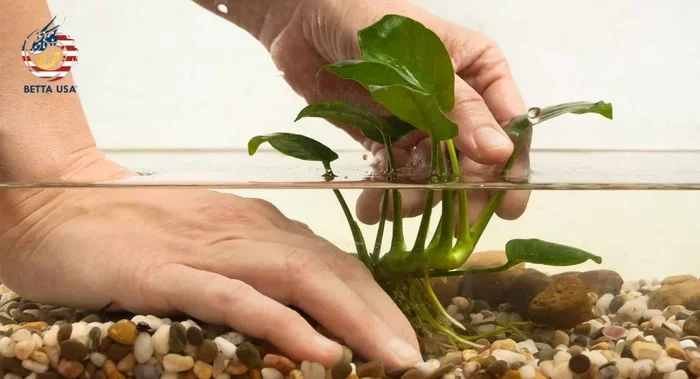
Add live plants strategically
Plants aren’t just decorations. They absorb excess nitrogen and release some oxygen during photosynthesis. A moderate amount of greenery creates a natural buffer against sudden oxygen drops. However, avoid overcrowding, as roots can trap debris that clogs filters.
Below is a quick comparison showing how different tank setups affect oxygen levels:
| Setup Type | Typical Oxygen Level | Surfacing Frequency |
|————|———————-|———————|
| Small tank with basic filter | Low | Very frequent |
| Medium tank with air pump | Moderate | Occasional |
| Large tank with protein skimmer | High | Almost none |
Remember that even the best setup requires maintenance. Skimming waste weekly and checking pump performance monthly go a long way toward preventing emergencies. Prevention beats cure every time.
### Preventing Future Surfacing: Practical Tips for Success
Once you understand why your betta might be climbing the walls, you can take proactive steps to stop it. Here are five actionable strategies that work wonders:
Upgrade your aeration
Consider adding a second air pump if your current one struggles to reach the farthest corner. Multiple smaller bubbles distribute oxygen more evenly across the entire tank. Also, choose a model that produces bubbles of varying sizes; this mimics natural ocean conditions and keeps water moving.
Improve water flow
Even a slow current helps oxygen dissolve into the liquid. Install a powerhead or add a diffused waterfall feature. Moving water carries dissolved oxygen downward, reducing the chance that some areas become oxygen-starved.
Control temperature
Keep your aquarium slightly cooler if your heater runs hot. Every degree matters. A thermometer placed near the plant area lets you track fluctuations. Cooler water retains more oxygen, giving your betta a bigger margin of safety.
Reduce organic load
Feeding your betta sparingly goes a long way. Overfeeding creates decaying waste that consumes oxygen. Aim for portions the size of a pea once or twice daily. Clean the filter cartridge regularly to remove trapped particles.
Monitor oxygen levels
Many modern aquarium monitors display real-time readings. If yours doesn’t exist yet, consider adding one. Even a simple test kit works fine. Check the level every week, especially during warm months when oxygen drops fastest.
By implementing these changes, you eliminate the trigger for surface behavior. Your betta will return to its usual exploratory swims, enjoying the water as intended rather than fighting to survive.
### Addressing Common Problems and When to Get Help
Despite your best efforts, some situations require immediate intervention. Persistent gasping can indicate a critical decline in water parameters. Before panicking, follow this step-by-step troubleshooting guide:
Step 1: Test the water
Run a comprehensive water test kit. Look specifically for ammonia, nitrite, and nitrate levels. High ammonia or nitrite means your filtration is overwhelmed, and your fish is already stressed. Nitrate should remain low above ten parts per million.
Step 2: Increase oxygen artificially
If testing confirms low oxygen, temporarily raise the surface area of the air stone or add a supplemental air pump. This boost can buy time while you adjust your regular routine.
Step 3: Reduce stressors
Temporarily remove bright lighting or loud noise. Stressful environments drain energy and lower tolerance for poor water quality. Give your betta a quiet corner to retreat to.
If these measures fail, contact an aquatic veterinarian or consult online forums specializing in betta care. Some infections or injuries can impair a fish’s ability to extract oxygen effectively. Prompt veterinary help saves lives.
### Final Thoughts and Ongoing Care
Keeping a betta fish healthy is about balancing biology with practical habits. Betta fish come up for air as a last resort when their environment fails to meet basic oxygen demands. By paying attention to signs of distress, maintaining pristine water quality, and providing adequate aeration, you create a sanctuary where your fish can live peacefully. Remember that curiosity drives them to the surface—don’t mistake this behavior for weakness. Instead, view it as a clue pointing you toward necessary improvements. Consistency in monitoring and adjustment transforms a potential crisis into a routine aspect of responsible fishkeeping. Now you have everything you need to enjoy watching your beloved fish glide through the water with confidence.
—
Key Takeaways
- Betta fish come up for air mainly when dissolved oxygen levels fall too low.
- Normal surface behavior is occasional; constant rising indicates a problem in your tank.
- Proper aeration and filtration prevent unnecessary stress and health issues.
- Monitoring your betta’s breathing habits reveals hidden water quality problems early.
- Adjusting air pump output and adding surface decoration improves oxygen exchange.
- Regular water changes and monitoring air stone positioning maintain long-term stability.
Frequently Asked Questions
Question?
Why do betta fish come up for air in their aquarium?
Answer
Betta fish come up for air because they possess a special organ called the labyrinth organ that allows them to gulp tiny bubbles of oxygen from the surface. This behavior typically happens when the tank’s water runs low on dissolved oxygen due to poor aeration, heat, or excessive waste. While occasional surfacing is normal, frequent instances usually signal a problem that needs addressing.
Question?
Is it okay if my betta surfaces occasionally?
Answer
Yes, occasional surface visits are completely normal for bettas. These brief trips occur when oxygen levels momentarily dip, helping the fish extract additional oxygen. However, if your betta spends extended periods at the surface, it may be a sign of chronic low oxygen or other health issues requiring attention.
Question?
How can I improve oxygen levels in my betta tank?
Answer
To boost oxygen, ensure your air pump runs continuously and distributes bubbles evenly across the tank. Adding more surface air stones, increasing water movement with a powerhead, and keeping the tank temperature stable all contribute to healthier oxygen levels. Regular water changes further support a balanced chemical environment.
Question?
What should I do if my betta is breathing heavily at the surface?
Answer
Monitor your water parameters closely. If ammonia or nitrite levels are high, perform an emergency water change. Simultaneously, check your filtration system for clogs and increase aeration. If the problem persists, seek advice from an aquatic specialist to rule out illness.
Question?
Can betta fish survive in a tank without an air pump?
Answer
While some bettas can manage short periods without aeration, relying solely on still water is risky. Natural water currents and surface agitation provide enough oxygen for most bettas in established setups. For beginners, especially with new equipment, having a backup air source reduces the risk of stress or health issues.
Question?
Are there signs that my betta is becoming ill from low oxygen?
Answer
Watch for lethargy, loss of appetite, rapid gill movement, or unusual color changes. If your betta seems weak, swims poorly, or refuses food, lowering oxygen levels further could be happening. Early detection through careful observation makes treatment much easier and safer.