Do Betta Fish Eat Sea Monkeys
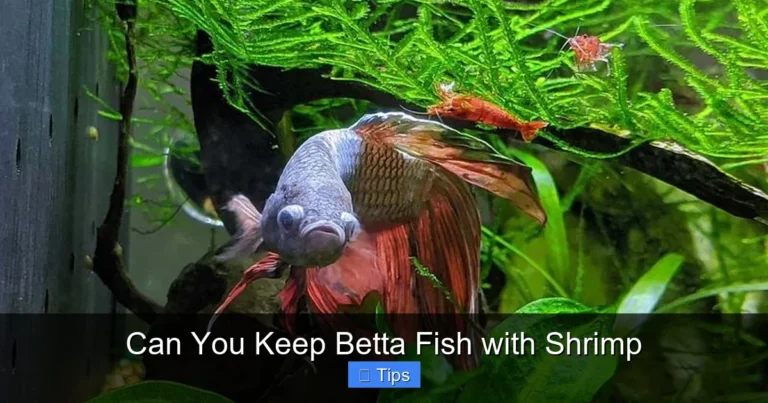
Yes, betta fish can eat sea monkeys, which are actually brine shrimp. These tiny creatures are a natural and protein-rich food source that many bettas love. Learn about the benefits, risks, and best practices for feeding sea monkeys to your betta fish.
Sea monkeys are one of the most interesting creatures you can keep in an aquarium. They are tiny, fun to watch, and many betta fish owners wonder if they can share them with their fish. If you have ever asked yourself, do betta fish eat sea monkeys, you are not alone. This is a question that comes up a lot in betta fish communities, and the answer might surprise you.
The good news is that bettas can eat sea monkeys safely. Sea monkeys are actually a type of brine shrimp, and brine shrimp are a natural part of a betta’s diet. In the wild, bettas hunt small aquatic creatures like insects, larvae, and tiny crustaceans. Sea monkeys fit right into that menu. They are small, soft, and packed with protein that your betta needs to stay healthy.
Feeding sea monkeys to your betta is not just about nutrition. It is also about enrichment. Bettas are active hunters by nature. Giving them live food to chase and catch keeps them mentally stimulated and happy. A bored betta can become lazy or stressed, and that can lead to health problems over time. Sea monkeys give your betta something fun to do during feeding time.
But there is more to know than just “yes, they can eat them.” You need to understand how often to feed them, how many to give, and what risks might be involved. This guide covers everything you need to know about feeding sea monkeys to your betta fish. By the end, you will feel confident about adding this live food to your betta’s diet.
Key Takeaways
- Betta fish can safely eat sea monkeys: Sea monkeys are brine shrimp, a natural food source that bettas thrive on.
- They provide essential protein: Live brine shrimp offer high-quality protein that supports betta health and vibrant color.
- Feed in moderation: Overfeeding can lead to digestive issues and poor water quality in your tank.
- Live food is a great supplement: Sea monkeys work best as a treat alongside a balanced betta fish diet.
- Preparation matters: Always rinse and source sea monkeys from a trusted supplier before feeding.
- Watch for allergic reactions: Some bettas may refuse sea monkeys or show signs of discomfort after eating them.
📑 Table of Contents
What Are Sea Monkeys?
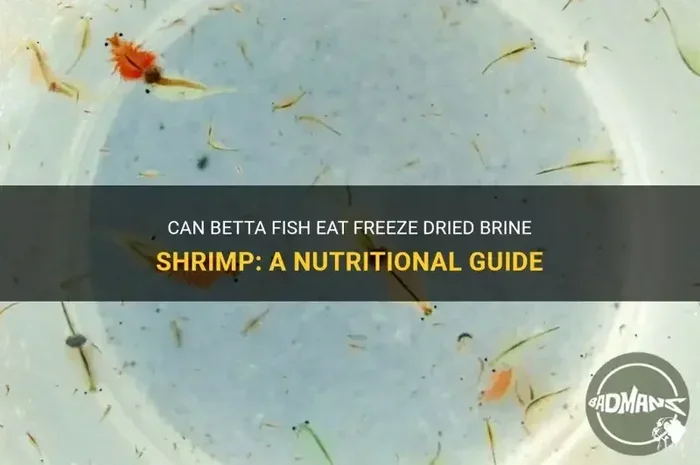
Sea monkeys are a branded type of brine shrimp that became popular as novelty pets in the 1960s. They are sold in kits that include eggs, water conditioner, and food. When you follow the instructions and add water, the eggs hatch within a few days. What emerges are tiny, translucent creatures that swim around and grow over time.
Sea monkeys are actually a hybrid species of brine shrimp called Artemia NYSC. They are specially bred to be hardy and easy to care for. In their natural habitat, brine shrimp live in saltwater lakes and ponds around the world. They are a vital part of many aquatic food chains and serve as a food source for countless fish species.
These little creatures are fascinating to watch. They have small tails that they use to swim and can grow up to half an inch long. Some even develop tiny eye structures that make them look almost cartoon-like. But beyond their novelty appeal, sea monkeys serve a very practical purpose in the aquarium world. They are an excellent food source for many types of fish, especially bettas.
Brine shrimp, including sea monkeys, are a natural food source for many types of fish. In the wild, bettas hunt small aquatic creatures like insects, larvae, and tiny crustaceans. Sea monkeys fit right into that diet. They are small enough for a betta to eat easily and packed with nutrients that your fish needs. For more details on feeding brine shrimp to your betta, check out our guide on live brine shrimp for bettas.
Do Betta Fish Eat Sea Monkeys?
The answer is a clear yes. Betta fish eat sea monkeys without any problems. In fact, brine shrimp are one of the most popular live foods for bettas. Your betta will likely view sea monkeys as a tasty treat and hunt them down with excitement. The movement of the tiny shrimp triggers your betta’s natural hunting instinct, making feeding time an engaging activity.
Bettas are natural predators. They have a strong hunting instinct that kicks in when they see small, moving creatures. Sea monkeys are the perfect size for a betta to catch and eat. They are not too big, not too small, and they move in a way that triggers your betta’s feeding response. Your fish will chase them, stalk them, and then snap them up with its mouth.
Many betta owners use sea monkeys as a supplement to their regular betta fish food. While pellets and flakes should form the base of your betta’s diet, live foods like sea monkeys add variety and extra nutrition. Think of them as a healthy snack rather than a full meal. A balanced diet includes both staple foods and occasional treats like live brine shrimp.
Why Bettas Love Sea Monkeys
There are a few reasons why bettas go crazy for sea monkeys. First, the movement of the shrimp triggers their natural hunting behavior. Bettas are curious and active fish that love to chase things. Sea monkeys provide the perfect target for that energy. Your betta will swim around the tank, following the shrimp and preparing to strike.
Second, sea monkeys have a natural smell and taste that bettas find irresistible. In the wild, bettas eat whatever small creatures they can find. Brine shrimp are a staple in many tropical fish habitats. Your betta’s instincts tell them that sea monkeys are good food. This is why even picky eaters often accept sea monkeys eagerly.
Third, sea monkeys are easy for bettas to eat. They are soft-bodied and small, so your betta can swallow them without any trouble. Unlike some harder foods that might be difficult for bettas to chew, sea monkeys are gentle on their digestive system. This makes them suitable for bettas of all ages, from juveniles to adults.
Benefits of Feeding Sea Monkeys to Your Betta
Feeding sea monkeys to your betta comes with several benefits. Let us look at why this live food is such a great addition to your betta’s diet and how it can improve your fish’s overall health and wellbeing.
High Protein Content
Sea monkeys are rich in protein, which is essential for betta fish. Bettas are carnivorous by nature, so they need a diet that is high in animal-based protein. Brine shrimp contain about 60% protein, making them an excellent food source for your fish.
Protein helps your betta build and repair muscles, maintain vibrant colors, and stay active. A well-fed betta with a protein-rich diet will have brighter fins and a more energetic personality. If you want your betta to look its best, live food for bettas like sea monkeys is hard to beat. The natural protein in sea monkeys is easier for your fish to absorb compared to some processed alternatives.
Natural Diet Match
One of the biggest advantages of feeding sea monkeys is that they closely match what bettas eat in the wild. In their natural habitat, bettas hunt small invertebrates and crustaceans. Sea monkeys are a close approximation of those natural prey items.
Feeding your betta foods that mimic their natural diet helps reduce stress and promotes healthy behavior. A betta that gets to hunt its food is a happier betta. Sea monkeys give your fish that opportunity to engage in natural feeding behaviors, right in your aquarium. This kind of enrichment is important for your betta’s mental health and can reduce signs of boredom or lethargy.
Easy to Digest
Sea monkeys are soft and easy to digest. This is important for bettas, which can have sensitive stomachs. Some commercial fish foods contain fillers and preservatives that can cause digestive issues. Sea monkeys, on the other hand, are a clean and natural food source that your betta can process without trouble.
If your betta has been having trouble with certain foods, switching to something like sea monkeys might help. They are gentle on the stomach and less likely to cause bloating or constipation. This makes them a great option for bettas with sensitive digestion or for fish that are recovering from illness and need easy-to-dense nutrition.
Great for Breeding and Conditioning
Many breeders use sea monkeys and other brine shrimp to condition bettas for breeding. The high protein content helps prepare fish for spawning. If you are planning to breed your bettas, adding sea monkeys to their diet can improve their overall health and fertility rates.
Even if you are not a breeder, conditioning your betta with nutritious live food can boost their immune system. A stronger immune system means your betta is less likely to get sick. Sea monkeys can play a role in keeping your fish healthy and resilient, especially during seasonal changes when fish are more vulnerable to disease.
How to Feed Sea Monkeys to Your Betta
Now that you know bettas can eat sea monkeys, let us talk about how to do it properly. Feeding live food the right way is important for your fish’s health and your tank’s water quality. Following a few simple steps will make the experience safe and enjoyable for both you and your betta.
Step-by-Step Feeding Guide
Here is a simple guide to feeding sea monkeys to your betta:
- Source your sea monkeys: Buy sea monkeys from a reputable supplier. Make sure they are raised in a clean environment and free from contaminants or harmful chemicals.
- Rinse before feeding: Always rinse the sea monkeys with clean water before adding them to your tank. This removes any bacteria or residue from their packaging or shipping container.
- Use a feeding net or turkey baster: Gently drop a small number of sea monkeys into your betta’s tank. Use a feeding net or turkey baster to control the amount and avoid overfeeding.
- Watch your betta eat: Observe your betta as it hunts and eats the sea monkeys. This is a fun and entertaining experience for any fish owner. You will see your betta’s natural hunting instincts come alive.
- Remove uneaten food: If there are any sea monkeys left after feeding, remove them from the tank. Uneaten live food can die and pollute the water, which can harm your betta.
How Often Should You Feed Sea Monkeys?
Sea monkeys should be treated as a treat, not a staple food. Feeding them 2 to 3 times per week is a good schedule. On other days, stick to your betta’s regular betta fish food, such as high-quality pellets or flakes. This balance ensures your fish gets all the nutrients it needs while still enjoying the benefits of live food.
Overfeeding live food can lead to several problems. Your tank’s water quality can drop quickly if there is too much uneaten food. Also, feeding too many sea monkeys can cause your betta to refuse its regular diet. Variety is great, but balance is key. Think of sea monkeys as a supplement to a well-rounded betta fish diet, not a replacement for it.
How Many Sea Monkeys to Feed
A good rule of thumb is to feed your betta no more than 3 to 5 sea monkeys per feeding session. Bettas have small stomachs, roughly the size of their eye. Too much food at once can cause bloating and other digestive issues. Keep the portions small and manageable for your fish.
If you have a smaller betta, reduce the amount even further. Watch your fish during feeding time and adjust the portion size based on how quickly it eats. Your betta should finish all the food within 2 to 3 minutes. If food is left over, you are giving too much.
Risks and Things to Watch Out For
While sea monkeys are generally safe for bettas, there are a few risks to be aware of. Understanding these risks will help you keep your fish healthy and happy. Most problems can be avoided with proper care and attention to your feeding routine.
Water Quality Issues
Live food can dirty your tank water faster than dry foods. When sea monkeys die in the tank, they decompose and release ammonia. Ammonia is toxic to fish and can cause serious health problems if levels rise too high. This is why removing uneaten food is so important.
To prevent this, always remove uneaten sea monkeys after feeding. Also, make sure your tank has a good filter and regular water changes. Keeping up with your betta fish care routine will help maintain clean water even when you feed live foods. Test your water parameters regularly to catch any issues early.
Overfeeding
It is easy to overfeed your betta with sea monkeys because they are so small and tempting. But overfeeding is one of the most common mistakes fish owners make. It can lead to obesity, digestive problems, and poor water quality. A bloated betta is an unhappy betta.
Stick to a consistent feeding schedule and measure out the right amount each time. Your betta does not need a lot of food to stay healthy. A few sea monkeys a couple of times a week is plenty. If you are unsure, it is better to underfeed than overfeed.
Sourcing and Contamination
Not all sea monkeys are created equal. Some commercial sea monkey kits may contain additives or chemicals that are harmful to fish. Always buy sea monkeys from a trusted source that specializes in aquarium live food. Read labels carefully and avoid products with unnecessary preservatives.
If you are raising your own brine shrimp at home, you have more control over the quality. Setting up a small brine shrimp hatchery is easy and can save you money in the long run. Just make sure the water and salt mix you use is safe for aquarium use. Clean, properly maintained cultures are the safest option for your betta.
Allergic Reactions or Refusal
Some bettas may refuse sea monkeys outright. This is normal and not a cause for concern. Every fish has its own preferences. If your betta ignores the sea monkeys, try offering them again another day or mix them with a small amount of its regular food to encourage eating.
In rare cases, a betta might have a mild reaction to a new food. Signs of discomfort include clamped fins, lethargy, or refusal to eat. If you notice any of these symptoms, stop feeding sea monkeys and consult a veterinarian if the symptoms persist. Most bettas, however, will happily accept sea monkeys as part of their diet.
Alternatives to Sea Monkeys for Bettas
If you cannot find sea monkeys or want to offer your betta some variety, there are several great alternatives. These foods provide similar nutritional benefits and are widely available at most pet stores and online suppliers.
Other Live Foods
Live foods are some of the best options for bettas. Live food for betta fish includes bloodworms, daphnia, and micro worms. Each of these offers a different nutritional profile and can add variety to your betta’s diet. Bloodworms are high in protein and most bettas love them. Daphnia is a small freshwater crustacean that acts as a natural laxative, which can be helpful for fish that are constipated.
For a complete guide on what bettas eat, check out our article on live food for bettas to learn more about the best options. Adding variety to your betta’s diet through different live foods ensures they get a broad range of nutrients and keeps feeding time interesting.
Frozen and Freeze-Dried Options
If you do not want to deal with live food, frozen and freeze-dried options are excellent alternatives. Frozen brine shrimp and bloodworms retain most of their nutritional value and are convenient to store. They last much longer than live food and are easy to portion out.
Freeze-dried sea monkeys are also available at many pet stores. They are shelf-stable and easy to store. Just make sure to soak them in tank water before feeding to prevent bloating. These can be a great special food for betta fish option when you want the benefits of brine shrimp without the hassle of maintaining a live culture. For more information on specialized diets, you can read our guide on special food for betta fish to explore different feeding options.
High-Quality Pellets and Flakes
The foundation of any betta’s diet should be high-quality pellets or flakes. Look for foods that list fish meal or shrimp as the first ingredient. Avoid foods with lots of fillers like wheat or corn, as bettas cannot digest these well. A good pellet food should make up about 75% of your betta’s diet.
The remaining 25% can come from live or frozen foods like sea monkeys. This balance ensures your betta gets all the nutrients it needs while enjoying variety and enrichment. A varied diet leads to a healthier, happier, and more colorful betta fish. Always prioritize quality over quantity when choosing your betta’s staple food.
Conclusion
Do betta fish eat sea monkeys? Yes, they absolutely do. Sea monkeys are a safe, nutritious, and exciting food option for your betta. They provide high-quality protein, match your betta’s natural diet, and are easy to digest. Feeding sea monkeys is a great way to add variety to your betta’s diet and give your fish a chance to engage in natural hunting behavior.
Just remember to feed in moderation, source from a trusted supplier, and maintain good water quality in your tank. Whether you choose live sea monkeys, frozen brine shrimp, or freeze-dried options, your betta will benefit from the extra nutrition and enrichment. A varied diet leads to a healthier, happier, and more colorful betta fish. So go ahead and treat your betta to some sea monkeys. Your fish will thank you for it.
Frequently Asked Questions
Can betta fish eat sea monkeys every day?
No, you should not feed sea monkeys to your betta every day. They are best used as a treat 2 to 3 times per week. Overfeeding can lead to digestive issues and poor water quality. Stick to a balanced diet of pellets or flakes as the main food source and use sea monkeys as an occasional supplement.
Are sea monkeys the same as brine shrimp?
Yes, sea monkeys are a type of brine shrimp. They are a hybrid species bred specifically to be sold as pets. Nutritionally, they are very similar to regular brine shrimp and provide the same benefits when fed to betta fish. Both are excellent sources of protein for your aquarium pets.
Can baby betta fish eat sea monkeys?
Yes, baby bettas can eat sea monkeys, but in very small amounts. The shrimp should be tiny enough for the fry to consume easily. Crush or choose newly hatched sea monkeys to make them easier for baby bettas to eat. Always remove uneaten food to keep the water clean and safe for your young fish.
Do sea monkeys need to be rinsed before feeding?
Yes, always rinse sea monkeys with clean water before adding them to your tank. This helps remove any bacteria, chemicals, or residue from their packaging or shipping. Rinsing is a simple step that can protect your betta’s health and prevent water quality issues in your aquarium.
Can sea monkeys survive in a betta tank?
Sea monkeys are unlikely to survive long in a betta tank. Bettas are curious and hungry fish that will chase and eat them quickly. Any sea monkeys that are not eaten may die within a few hours and should be removed to prevent water quality issues and ammonia buildup.
Where can I buy sea monkeys for my betta fish?
You can buy sea monkeys from pet stores, online aquarium suppliers, or even hatch your own from brine shrimp eggs. Look for suppliers that specialize in aquarium live food to ensure the quality and safety of the product for your betta. A trusted source ensures your fish gets the best nutrition possible.