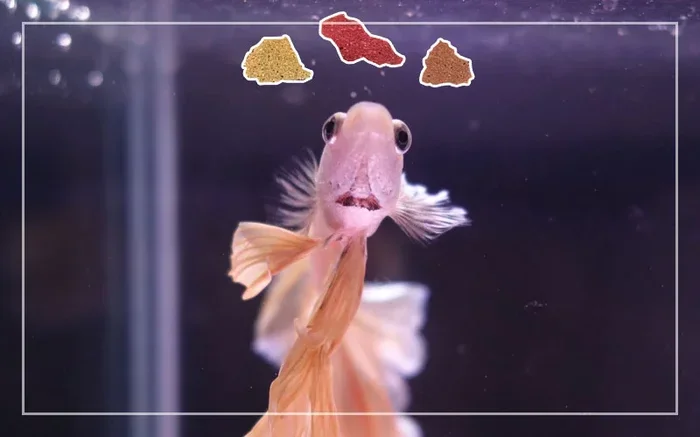
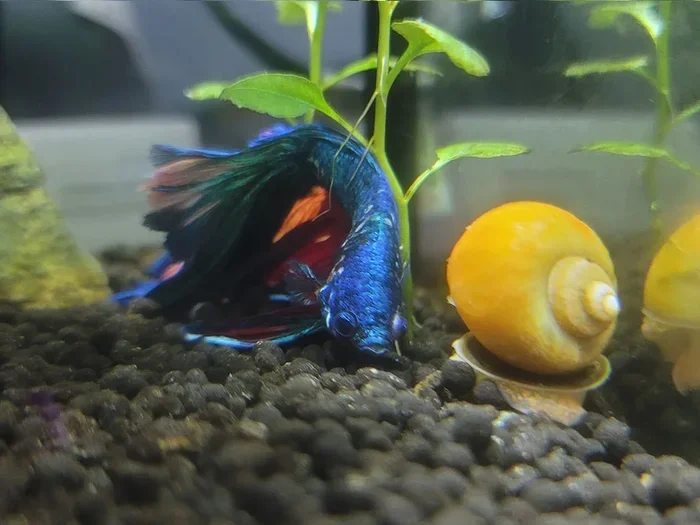
Do Betta Fish Eat Snail Eggs
Yes, betta fish will eat snail eggs if they find them in the tank. These colorful fish are curious opportunistic feeders, and snail eggs often look like a tasty snack to them. Understanding betta fish eating habits helps you protect snail eggs or manage your aquarium ecosystem better.
Many aquarium hobbyists wonder about the relationship between betta fish and snail eggs. If you keep both snails and bettas in your tank, you might be worried about what will happen to those tiny eggs. The short answer is that betta fish often eat snail eggs, but the full story is more nuanced than that.
Understanding betta fish behavior around snail eggs helps you make better decisions for your aquarium. Whether you are trying to breed snails or simply keep them as cleanup crew members, knowing how bettas interact with eggs is essential. In this article, we will explore everything you need to know about betta fish and snail eggs, from why bettas eat them to how you can protect those delicate eggs in your freshwater aquarium.
Betta fish are natural hunters. Even in a well-fed tank, their instincts drive them to explore and eat anything that looks like food. Snail eggs, with their small size and often translucent appearance, can look very appealing to a curious betta. This behavior is completely natural and not a sign that your fish is unhealthy or aggressive.
Key Takeaways
- Betta fish do eat snail eggs: They are opportunistic eaters and will consume snail eggs when given the chance.
- Not all snail eggs are safe: Even eggs from peaceful snail species are at risk in a betta tank.
- Tank setup matters: Proper hiding spots and plant coverage can help protect snail eggs from bettas.
- Betta diet plays a role: A well-fed betta is less likely to hunt for eggs in the tank.
- Some snail species are safer: Certain snails lay eggs in harder-to-reach places, reducing the risk.
- Monitor your tank closely: Regular observation helps you catch egg-eating behavior early.
📑 Table of Contents
- Will Betta Fish Eat Snail Eggs?
- Why Do Betta Fish Eat Snail Eggs?
- How to Protect Snail Eggs from Betta Fish
- Can Betta Fish and Snails Coexist Peacefully?
- Common Mistakes Aquarists Make with Betta Fish and Snail Eggs
- Expert Insights on Betta Fish and Snail Eggs
- Final Thoughts on Betta Fish and Snail Eggs
Will Betta Fish Eat Snail Eggs?
The simple answer is yes. Betta fish eat snail eggs more often than many hobbyists realize. If you have ever wondered, “will betta fish eat snail eggs?” the evidence from aquarium keepers around the world points to a clear yes. Bettas are opportunistic feeders, which means they will eat almost anything they can fit into their mouths.
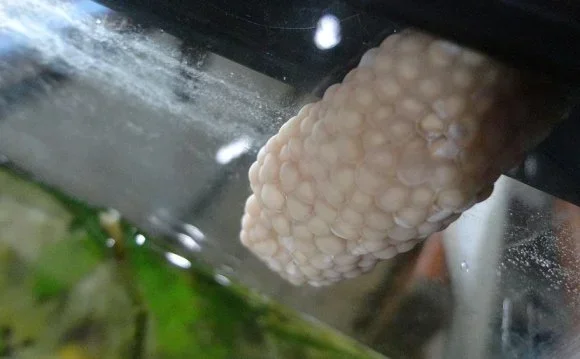
Snail eggs are small, soft, and often easy for a betta to consume. Depending on the snail species, the eggs might be laid in clusters on rocks, plants, or even the glass of your tank. A betta that spots these eggs will likely treat them as a snack. This is not because the betta is being destructive, but because eating eggs is part of their natural feeding behavior.
Some aquarists report that their bettas ignore snail eggs entirely, while others say their fish gobble them up within hours. The difference often comes down to the individual fish, the availability of other food, and the tank setup. A betta that is well-fed with regular meals may be less interested in hunting for eggs. On the other hand, a betta that is bored or underfed will more actively search for anything edible.
If you want to know more about how bettas interact with other aquatic eggs, check out our guide on Do Betta Fish Eat Ghost Shrimp Eggs for related insights.
What Do Snail Eggs Look Like to a Betta?
Snail eggs come in many shapes and sizes depending on the species. Some look like clear jelly blobs, while others are small white orbs clustered together. To a betta fish, these eggs look like tiny food particles floating or stuck to surfaces in the tank.
The translucent quality of many snail eggs makes them especially interesting to bettas. Fish are naturally drawn to movement and visual cues, and the slight shimmer of eggs in the water can trigger a feeding response. Even eggs that are hidden under leaves may not stay hidden for long if a curious betta decides to investigate.
Why Do Betta Fish Eat Snail Eggs?
Understanding why betta fish eat snail eggs requires looking at their natural instincts and dietary needs. Bettas are not just aggressive for no reason, they are following deep-rooted behaviors that have helped them survive in the wild.
Natural Hunting Instincts
In the wild, bettas live in shallow rice paddies, slow-moving streams, and floodplains in Southeast Asia. These environments are full of small creatures, including snail eggs. Over thousands of years, bettas have developed a strong instinct to eat anything small and protein-rich they can find. Snail eggs fit perfectly into this category.
Your domesticated betta still carries these instincts, even if it has lived in a tank its whole life. When a betta sees snail eggs, its first reaction is often to investigate and then eat them. This is not a sign of a problem, it is simply your fish being a fish.
Protein-Rich Food Source
Snail eggs are packed with protein, which is exactly what bettas need in their diet. In the wild, bettas eat a variety of protein sources, including insect larvae, small crustaceans, and yes, eggs. Snail eggs provide a convenient, protein-dense meal that a betta can consume quickly.
If you are feeding your betta a balanced diet, they may still hunt snail eggs out of instinct. This is normal behavior and does not mean your fish needs a different diet.
Curiosity and Exploration
Bettas are curious fish. They like to explore their environment, peck at surfaces, and investigate anything new in the tank. Snail eggs that appear on plants or rocks are essentially new objects for your betta to examine. More often than not, examination leads to consumption.
This exploratory behavior is especially common in bettas that are kept in tanks with lots of open space and few distractions. Providing enrichment like plants, caves, and varied food can reduce the urge to hunt for eggs.
How to Protect Snail Eggs from Betta Fish
If you are trying to breed snails or keep snail eggs in a tank with bettas, protection is key. There are several strategies you can use to keep those eggs safe. Here are some proven methods that aquarium hobbyists use successfully.
Use a Breeding Box or Separator
A breeding box is a small container that hangs inside your main tank. You can place snail eggs inside the box, and the betta cannot reach them. The water flows through the box, keeping the eggs oxygenated while keeping them safe from hungry fish.
This is one of the most effective methods for protecting snail eggs. Breeding boxes are inexpensive and easy to set up. They work well for both snail eggs and fish eggs, including eggs that betta fish have laid if you are also breeding bettas.
Add Dense Plant Coverage
Live plants provide excellent hiding spots for snail eggs. Thick-leaved plants like Anubias, Java Fern, and Amazon Sword can conceal eggs where your betta is less likely to find them. The more plants you have, the harder it is for a betta to locate and eat every cluster of eggs.
Consider placing snail eggs on the undersides of broad leaves. Bettas tend to explore the upper and middle levels of the tank more than the very bottom, so eggs hidden on lower plant surfaces have a better chance of surviving.
Separate the Snails from the Betta
Sometimes the best solution is to keep snails and bettas in separate tanks. If you are serious about breeding snails, a dedicated snail tank with no betta is the safest option. You can always observe the snails and their eggs from outside the tank.
This approach also works well if you want to raise baby snails without the constant threat of egg predation. Many experienced aquarists maintain a “breeding tank” specifically for this purpose.
Feed Your Betta Well
A well-fed betta is less likely to hunt for extra food like snail eggs. Make sure you are offering your betta a varied diet that includes high-quality pellets, frozen or live foods, and occasional treats. A betta that eats a balanced diet regularly is often more satisfied and less interested in snacking on eggs.
Feed your betta two to three small meals per day rather than one large meal. This keeps them active and satisfied without overfeeding, which can also cause water quality problems in your tank.
Can Betta Fish and Snails Coexist Peacefully?
The short answer is yes, betta fish and snails can live together, but there are always risks when eggs are involved. Many aquarium owners successfully keep bettas and snails in the same tank without any problems. The key is understanding the dynamics and managing the tank appropriately.
Best Snail Species for a Betta Tank
Not all snails are equally at risk of having their eggs eaten. Some snail species lay their eggs in places that are harder for bettas to reach, and some produce eggs that are less appealing to fish. Here are a few snail species that tend to do better in betta tanks:
- Nerite Snails: These snails lay eggs that are hard and white, often attached to hard surfaces. While bettas may still eat them, Nerite snails are excellent algae eaters and popular in community tanks.
- Mystery Snails: These larger snails lay eggs above the waterline, which makes them much harder for bettas to reach. This is one of the safest options for egg-laying in a betta tank.
- Ramshorn Snails: These snails lay eggs in clear jelly-like clusters. Bettas do eat ramshorn snail eggs, so if you want to breed them, you will need extra protection. Learn more about do betta fish eat ramshorn snails for details.
- Pond Snails: These reproduce quickly and lay eggs in clusters. Bettas often eat pond snail eggs, but the snails reproduce so fast that populations usually stay stable.
Comparing Snail Species and Egg Safety in Betta Tanks
| Snail Species | Egg Location | Egg Safety from Betta | Ease of Breeding |
|---|---|---|---|
| Nerite Snail | On hard surfaces | Moderate risk | Moderate |
| Mystery Snail | Above waterline | Low risk | Easy |
| Ramshorn Snail | On plants and glass | High risk | Easy |
| Pond Snail | On plants and rocks | High risk | Very Easy |
| Trumpet Snail | On substrate and glass | Moderate risk | Easy |
As you can see from the table, Mystery Snails are the safest choice if you want to keep both bettas and egg-laying snails. Their eggs are placed above the waterline, making them almost impossible for a betta to reach. This is a huge advantage for hobbyists who want to maintain both species.
For more information on bettas eating different snail species, check out our article on Do Betta Fish Eat Pond Snails for additional insights.
Common Mistakes Aquarists Make with Betta Fish and Snail Eggs
Even experienced aquarium keepers make mistakes when managing bettas and snails together. Here are some common errors to avoid.
Assuming All Snail Eggs Will Survive
The biggest mistake is assuming that snail eggs will survive in a tank with a betta. Unless you take active steps to protect the eggs, there is a very good chance your betta will find and eat them. Always plan for some egg loss and have a backup plan if you are trying to breed snails.
Overfeeding to Stop Egg Eating
Some aquarists try to stop bettas from eating snail eggs by overfeeding them. This does not work and can actually harm your fish. Overfeeding leads to obesity, poor water quality, and health problems. Instead, feed a balanced diet in appropriate portions and use physical barriers to protect eggs.
Ignoring Tank Setup
A bare tank with no plants or hiding spots gives your betta free access to every snail egg in the aquarium. Adding plants, caves, and other decorations creates natural barriers that can protect eggs. A well-designed tank benefits both your betta and your snails.
Expert Insights on Betta Fish and Snail Eggs
Many experienced aquarium keepers and fish biologists have shared their thoughts on this topic. The consensus is clear: betta fish will eat snail eggs if they can. This is simply part of their nature as opportunistic feeders.
Experts recommend focusing on tank management rather than trying to change your betta’s behavior. You cannot train a betta to ignore snail eggs, but you can create an environment where eggs have a better chance of surviving. This means plenty of plants, hiding spots, and possibly separate breeding areas for snails.
Dr. Joanne Cory, a freshwater aquarium researcher, notes that “betta fish egg consumption is a natural behavior that has nothing to do with aggression or hunger. It is simply instinct. Hobbyists should plan for it rather than try to prevent it through diet changes alone.”
If you are curious about whether bettas eat their own eggs, you might want to read our article on why do betta fish eat their eggs for a deeper understanding of this behavior.
Final Thoughts on Betta Fish and Snail Eggs
So, do betta fish eat snail eggs? Yes, they absolutely do. But this behavior is completely natural and does not mean you cannot keep both species in the same tank. With the right setup, proper feeding, and a few protective measures, you can successfully maintain a community tank with bettas and snails.
The key is to understand your betta’s natural instincts and work with them rather than against them. Provide plenty of food, create hiding spots for eggs, and choose snail species that are better suited to life with bettas. Whether you are a beginner or a seasoned aquarist, these strategies will help you create a harmonious aquarium where both your betta and your snails can thrive.
Remember, every tank is different. Your betta may ignore snail eggs entirely, or it may eat every cluster it finds. Being prepared for either outcome is the best approach to aquarium keeping. Enjoy the process, observe your fish closely, and adjust your setup as needed to give every creature in your tank the best possible life.
Frequently Asked Questions
Do betta fish eat all types of snail eggs?
Yes, betta fish will eat most types of snail eggs if they can find them. However, some snail species like Mystery Snails lay their eggs above the waterline, which makes them much harder for bettas to reach. The risk level depends on the snail species and where the eggs are laid.
How can I stop my betta from eating snail eggs?
The best way to protect snail eggs is to use a breeding box, add dense plant coverage, or separate the snails into a different tank. Feeding your betta well also reduces the urge to hunt for eggs, but it does not completely stop the behavior. Physical barriers are the most reliable method.
Is it normal for betta fish to eat snail eggs?
Yes, it is completely normal. Bettas are opportunistic feeders, and eating small eggs is part of their natural behavior in the wild. This does not indicate any health or behavioral problem with your fish. It is simply instinct.
Can betta fish and snails live together in the same tank?
Yes, betta fish and snails can live together peacefully. Many aquarium owners keep this combination successfully. The main risk is that bettas will eat snail eggs, so if you are trying to breed snails, you will need to take extra precautions to protect the eggs.
What should I do if my betta eats all the snail eggs?
If your betta eats all the snail eggs, do not panic. This is natural behavior and does not harm your betta. If you want to breed snails, try moving the eggs to a separate container or adding more plant cover. You can also let the snails reproduce naturally, as most snail species breed quickly enough to maintain their population.
Are snail eggs good for betta fish?
Snail eggs are a natural source of protein and can be a nutritious addition to a betta’s diet. However, relying on snail eggs as a primary food source is not recommended. A balanced diet of high-quality pellets, frozen foods, and live foods is the best way to keep your betta healthy and thriving.
=== CONCLUSION ===
Do betta fish eat snail eggs? The answer is a clear yes. Betta fish are curious, opportunistic feeders that will consume snail eggs whenever they get the chance. This behavior is completely natural and rooted in their wild instincts as protein-seeking hunters.
However, knowing this behavior gives you the power to manage your aquarium effectively. By using breeding boxes, adding dense plant coverage, choosing the right snail species, and keeping your betta well-fed, you can protect snail eggs or at least give them a fighting chance. The goal is not to stop your betta from being a betta, but to create a tank environment where all your aquatic pets can coexist happily.
Take what you have learned here and apply it to your own aquarium. Observe your fish, adjust your setup, and enjoy the rewarding hobby of freshwater aquarium keeping. Your betta and your snails will thank you for it.