Is Pollack Better Than Trout Fish
Is pollack better than trout fish? Both are popular seafood choices with unique strengths. Pollack offers a milder flavor and lower price, while trout delivers a richer taste and higher omega-3 levels. This guide breaks down the nutrition, taste, and best cooking methods so you can pick the right fish for your needs.
When you walk down the seafood aisle or browse a restaurant menu, two fish often stand out: pollack and trout. Both are widely available, affordable, and packed with nutrients. But is one really better than the other? That is the question many home cooks and health-conscious eaters ask.
The answer depends on what you value most. Are you looking for the best fish flavor? The highest protein content? The most budget-friendly option? Maybe you care about sustainability or how the fish feels when you cook it. Each of these factors can tip the scales in favor of one fish over the other.
In this article, we will do a deep dive into the world of pollack vs trout. We will look at taste, nutrition, cooking methods, price, and more. By the end, you will know exactly which fish deserves a spot on your plate.
Key Takeaways
- Taste difference: Pollack has a mild, delicate flavor, while trout has a richer, earthier taste that many fish lovers prefer.
- Nutrition wins: Trout generally contains more omega-3 fatty acids and protein per serving compared to pollack.
- Price point: Pollack is typically more affordable, making it a budget-friendly seafood option for everyday meals.
- Cooking versatility: Both fish work well with grilling, baking, and pan-searing, but each responds differently to various cooking methods.
- Sustainability: Both species have well-managed fisheries, but sourcing matters more than the species itself when choosing healthy fish.
- Mercury levels: Both pollack and trout are low-mercury fish, making them safe choices for most people.
📑 Table of Contents
- Understanding Pollack and Trout Fish
- Pollack vs Trout: Taste and Texture Comparison
- Nutritional Breakdown: Which Fish Is Healthier?
- Cooking Methods: How to Prepare Each Fish
- Price and Availability
- Sustainability and Sourcing
- Health Benefits of Both Fish
- Common Mistakes When Choosing Between Pollack and Trout
- Which Fish Should You Choose?
Understanding Pollack and Trout Fish
What Is Pollack Fish?
Pollack is a type of white fish that belongs to the cod family. It lives in cold waters and is commonly found in the North Atlantic and Pacific oceans. Pollack has a mild, slightly sweet taste and a tender, flaky texture. Many people compare its flavor to cod or haddock, though pollack tends to be a bit softer.
One of the biggest reasons pollack is so popular is its affordability. It is often used in fish sticks, fish tacos, and imitation crab meat. You will find pollack in frozen seafood sections at most grocery stores. Its mild flavor also makes it a great choice for people who are not used to eating fish.
What Is Trout Fish?
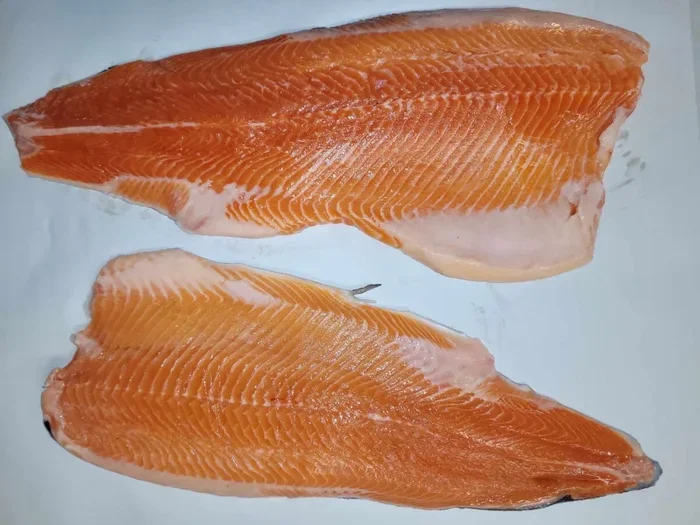
Trout is a freshwater fish that comes in several varieties, including rainbow trout, brown trout, and lake trout. It has a more pronounced flavor compared to pollack, with a slightly earthy or nutty taste. The flesh of trout is denser and holds together well during cooking.
Trout is widely regarded as a healthy fish choice. It is rich in protein, B vitamins, and essential minerals. Many health experts recommend trout because of its favorable nutritional profile. It is also a favorite among anglers and is commonly raised in fish farms around the world.
Pollack vs Trout: Taste and Texture Comparison
The taste difference between pollack and trout is one of the most important factors to consider. Here is a closer look at what each fish brings to the table.
Pollack has a very mild, almost neutral flavor. This makes it incredibly versatile. You can season it heavily or keep it simple, and it will still taste great. The texture is soft and flaky, which works well for people who do not like a “fishy” taste.
Trout, on the other hand, has a noticeably richer flavor. It tastes a bit like the water it comes from, with a subtle earthiness that many people enjoy. The texture is firmer than pollack, and the flesh has a slight oiliness that adds to its mouthfeel. If you love the taste of freshwater fish, trout will not disappoint.
Which Fish Tastes Better?
Honestly, this comes down to personal preference. If you prefer a light, clean taste, go with pollack. If you enjoy a more robust, flavorful fish, trout is your winner. Think of it this way: pollack is like a blank canvas, while trout already has a beautiful picture on it.
Nutritional Breakdown: Which Fish Is Healthier?
Nutrition is where things get really interesting. Both fish offer health benefits, but they differ in key areas.
Protein Content
Trout generally has a slight edge in protein per serving. A typical fillet of trout provides around 20 to 22 grams of protein, while pollack offers about 17 to 19 grams. Both are excellent sources of lean protein, which is essential for muscle repair and overall health.
Omega-3 Fatty Acids
Omega-3 fatty acids are crucial for heart health, brain function, and reducing inflammation. Trout contains higher levels of omega-3s compared to pollack. This gives trout a clear advantage if you are choosing fish for its omega-3 benefits.
However, pollack still provides a good amount of these healthy fats. It is not a bad choice by any means. If you eat fish regularly, both options contribute to your daily omega-3 intake.
Vitamins and Minerals
Trout is richer in B vitamins, especially B12 and B6, which support energy levels and nerve function. It also contains more selenium and phosphorus. Pollack, meanwhile, provides a solid dose of niacin and vitamin B6. Both fish are low in calories and fat, making them excellent choices for a balanced diet.
Cooking Methods: How to Prepare Each Fish
How you cook your fish can make or break the meal. Let us explore the best ways to prepare both pollack and trout.
Best Ways to Cook Pollack
- Baking: Pollack fillets bake beautifully at 400°F. Top them with herbs, lemon, and a drizzle of olive oil for a simple, healthy meal.
- Pan-frying: A light coating of breadcrumbs or flour gives pollack a crispy exterior. This method works fast and tastes wonderful.
- Fish tacos: Pollack is a go-to choice for fish tacos. Its mild flavor pairs perfectly with fresh salsa, cabbage slaw, and lime crema.
- Steaming: Steaming keeps pollack moist and tender. Add ginger, soy sauce, and scallions for an Asian-inspired dish.
Best Ways to Cook Trout
- Grilling: Trout holds up wonderfully on the grill. The firmer texture means it does not fall apart. Brush it with garlic butter and grill for 4 to 5 minutes per side.
- Pan-searing: A hot pan with a bit of butter creates a golden, crispy skin on trout. This is one of the most popular ways to prepare it.
- Poaching: Poaching trout in a flavorful broth keeps it incredibly moist. This method works especially well for whole trout.
- Stuffing and baking: Stuff trout with lemon slices, fresh dill, and butter, then bake until the flesh flakes easily.
Quick Tips for Cooking Fish
No matter which fish you choose, follow these simple tips for the best results. Do not overcook your fish. Fish continues to cook after you remove it from heat, so pull it off the heat a minute or two early. Always pat the fish dry before cooking to get a nice sear. And never skip the resting step, even for fish.
If you are new to cooking fish, start with pollack. Its mild flavor and forgiving texture make it very beginner-friendly. Once you feel confident, try cooking trout and explore its richer flavor profile.
Price and Availability
Price plays a big role in what fish people buy. Pollack is generally cheaper than trout, especially when you buy it frozen. This makes it a popular choice for families on a budget. You can often find pollack fillets for a few dollars per pound.
Trout tends to cost a bit more, particularly fresh trout from specialty stores. However, farmed trout is widely available and reasonably priced. When comparing the two, think about what you are getting for your money. Trout offers more omega-3s and a richer taste, while pollack gives you a lean, affordable protein source.
If you are deciding based purely on cost, pollack wins. But if you prioritize nutrition and flavor, the extra cost of trout may be worth it. For more on how different fish compare in terms of quality, check out our article on is freshwater fish better than saltwater fish to understand how water type affects fish quality.
Sustainability and Sourcing
When choosing between pollack and trout, it is also worth thinking about where your fish comes from. Both species are widely available through well-managed fisheries and farms.
Pollack is often caught in the wild in the North Pacific and Atlantic. The fisheries that target pollack are generally considered sustainable, with strict quotas in place. However, some pollack is also farmed, which can have varying environmental impacts depending on the farming practices used.
Trout is commonly raised in fish farms, especially rainbow trout. Farmed trout is widely available and is considered a sustainable choice by most seafood guides. Wild-caught trout is also available but tends to be more expensive. When shopping, look for certifications like MSC for wild-caught fish or ASC for farmed fish to ensure you are making an eco-friendly choice.
For more information on wild vs farmed fish, read our comparison on is farmed fish better than wild fish to learn about the pros and cons of each.
Health Benefits of Both Fish
Both pollack and trout offer impressive health benefits. Here is a quick look at what each fish brings to your health.
Heart Health
The omega-3 fatty acids in trout are particularly good for your heart. They help reduce inflammation, lower blood pressure, and decrease the risk of heart disease. Pollack also contains omega-3s, though in smaller amounts. Eating either fish regularly can support your cardiovascular health.
Brain Function
Omega-3s are essential for brain health. They support memory, focus, and cognitive function. Trout, with its higher omega-3 content, may offer a slight edge here. But both fish contribute to a brain-healthy diet.
Weight Management
Both pollack and trout are low in calories and high in protein. This makes them excellent choices for people trying to manage their weight. Protein keeps you feeling full longer, which can help reduce overall calorie intake.
Muscle Recovery
The high-quality protein in both fish supports muscle repair and growth. After a workout, a serving of grilled trout or baked pollack can help your muscles recover faster. For more on fish protein and muscle growth, see our article on is krill oil better than fish oil for muscle growth.
Common Mistakes When Choosing Between Pollack and Trout
Here are some mistakes people often make when deciding between these two fish. Avoiding them will help you make a better choice.
- Choosing based on price alone: The cheapest fish is not always the best value. Consider nutrition and taste too.
- Overcooking the fish: Both pollack and trout become dry and tough when overcooked. Always check for doneness early.
- Ignoring the source: Where your fish comes from matters. Choose sustainably sourced options whenever possible.
- Assuming all trout is the same: Rainbow trout, brown trout, and lake trout all have different flavors and textures. Try them all.
- Not seasoning enough: Pollack’s mild flavor means it needs good seasoning to shine. Do not be shy with herbs and spices.
Which Fish Should You Choose?
So, is pollack better than trout fish? The honest answer is: it depends on your goals. If you want a budget-friendly, mild-tasting fish that is easy to cook, choose pollack. If you want higher omega-3 content, a richer flavor, and a more nutrient-dense option, go with trout.
Both fish are excellent choices for a healthy diet. The best fish is the one you will actually eat. Try both and see which one fits your taste buds and your lifestyle better.
For more comparisons of popular fish species, explore our guide on which is better sea fish or freshwater fish to deepen your understanding of fish varieties and their unique qualities.
Remember, the goal is to eat fish at least twice a week, according to most health guidelines. Whether you choose pollack or trout, you are making a smart, healthy decision for yourself and your family.
Frequently Asked Questions
Is pollack a good fish to eat?
Yes, pollack is an excellent fish to eat. It is low in calories, high in protein, and contains beneficial omega-3 fatty acids. Its mild flavor makes it a great choice for people who are new to eating fish or who prefer a less strong taste.
Can you substitute pollack for trout in recipes?
You can substitute pollack for trout in most recipes, but keep in mind that the flavor and texture will be different. Pollack is milder and more delicate, while trout is richer and firmer. Adjust your seasoning and cooking time accordingly for the best results.
Which fish has more omega-3 fatty acids?
Trout generally has more omega-3 fatty acids than pollack. This makes trout a better choice if you are specifically looking to boost your omega-3 intake for heart and brain health benefits.
Is pollack or trout better for weight loss?
Both fish are great for weight loss because they are low in calories and high in protein. Pollack is slightly lower in calories, but the difference is minimal. Choose the one you enjoy eating more, since consistency matters most for long-term weight management.
Are both pollack and trout low in mercury?
Yes, both pollack and trout are considered low-mercury fish. They are safe for most people, including pregnant women and young children, when consumed in moderation. Always check local advisories for fish caught in specific water bodies.
What is the best way to cook pollack?
The best way to cook pollack is baking or pan-frying. Baking at 400°F with herbs and lemon brings out its mild flavor, while a light breading and quick pan-fry creates a crispy, delicious result. Both methods are simple and produce great outcomes.
=== CONCLUSION ===
The debate between pollack and trout does not have a single winner. Both fish offer unique advantages that cater to different needs and preferences. Pollack wins on price and mild flavor, while trout takes the lead in nutrition and taste richness.
The best approach is to enjoy both fish as part of a varied diet. Rotate between pollack and trout throughout the week to get the best of both worlds. Whether you are grilling, baking, or pan-searing, both fish deliver satisfying meals that are good for your body and your taste buds.
So the next time you are at the seafood counter, do not hesitate to try both. You might just find that each one has a special place in your kitchen. Happy cooking!