Is Poland Spring Water Safe for Betta Fish
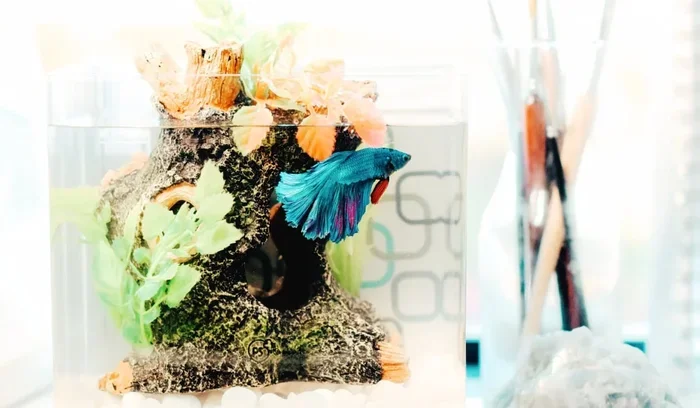
Poland Spring Water can be safe for betta fish when used correctly, but it is not the ideal choice without proper preparation. This spring water contains natural minerals that may benefit your betta, yet the pH and hardness levels need to be checked first. Always test and condition Poland Spring Water before adding it to your betta fish tank to ensure a healthy environment for your pet.
Many betta fish owners wonder about the safety of using Poland Spring Water in their aquarium. The question “is Poland Spring Water safe for betta fish” comes up often in fishkeeping communities. The short answer is yes, but with some important caveats. Poland Spring Water is a popular bottled spring water brand, and many hobbyists consider using it for their betta fish tank. However, not all spring waters are created equal when it comes to aquarium water quality.
Your betta fish deserves clean, safe water. The water you choose directly impacts your betta’s health, color, and lifespan. Using the wrong water type can lead to stress, disease, and even death. This guide breaks down everything you need to know about using Poland Spring Water for your betta. We will cover what is in this water, how it affects your fish, and what steps you should take before adding it to your tank.
If you have been considering switching your betta’s water to Poland Spring, you are in the right place. Let us dive deep into the details and make sure you have all the facts. By the end of this article, you will know exactly whether Poland Spring Water is a good fit for your betta fish care routine.
Key Takeaways
- Poland Spring Water is generally safe for betta fish after testing and adjusting parameters.
- Natural minerals in spring water can benefit betta fish but may also raise hardness levels too high.
- Always test pH and TDS before adding any bottled water to your betta tank.
- Conditioning and treating water removes harmful chemicals and makes it safer for bettas.
- Alternatives like RO water or treated tap water may be better long-term options for betta care.
- Never use Poland Spring Water directly from the bottle without checking water parameters first.
📑 Table of Contents
- What Is Poland Spring Water?
- Is Poland Spring Water Safe for Betta Fish?
- How to Prepare Poland Spring Water for Your Betta Tank
- Pros and Cons of Using Poland Spring Water for Bettas
- Alternatives to Poland Spring Water for Betta Fish
- Common Mistakes Bettas Owners Make with Bottled Water
- Expert Tips for Using Poland Spring Water with Bettas
- Conclusion
What Is Poland Spring Water?
Poland Spring Water is a brand of bottled spring water sourced from natural springs in Maine. It has been a household name for decades. People drink it, cook with it, and some even use it for their pets. But what exactly is in this water?
Spring water comes from underground sources. It picks up natural minerals as it flows through rock and soil. Common minerals found in Poland Spring include calcium, magnesium, potassium, and sodium. These minerals affect the water parameters that matter most for betta fish.
Mineral Content and Its Impact on Bettas
The mineral content in Poland Spring Water can be a double-edged sword. On one hand, small amounts of calcium and magnesium help support betta fish health. These minerals contribute to stable water conditions. On the other hand, too many minerals can raise the total dissolved solids (TDS) level. High TDS can stress your betta and make the water uncomfortable.
Here are the key minerals to watch for:
- Calcium — supports bone and fin health but can harden water
- Magnesium — beneficial in small amounts but raises hardness
- Sodium — present in trace amounts but can be harmful at high levels
- Potassium — generally safe and beneficial for fish
Before pouring Poland Spring Water into your tank, you should check the label for mineral content. Not every batch is exactly the same. The source springs can vary slightly over time, which means the mineral profile may change. This is why testing your water regularly is essential for any betta keeper.
Is Poland Spring Water Safe for Betta Fish?
The safety of Poland Spring Water for betta fish depends on several factors. The short answer is that it can be safe, but it requires preparation. Betta fish are sensitive to water changes, and sudden shifts in water chemistry can cause serious problems.
Poland Spring Water typically has a neutral to slightly alkaline pH. Most brands of spring water fall in the pH range of 6.5 to 8.0. Bettas thrive best in water with a pH between 6.5 and 7.5. If your Poland Spring Water falls outside this range, you will need to adjust it before use.
pH Levels and Why They Matter
pH is one of the most critical water parameters for betta fish. A pH that is too high or too low can cause stress, illness, and death. Poland Spring Water generally sits around pH 7.0 to 7.5, which is within the acceptable range for bettas. However, you should always verify this with a reliable test kit.
Here is a quick comparison of ideal water parameters for bettas:
- pH: 6.5 to 7.5
- Temperature: 76°F to 82°F (24°C to 28°C)
- TDS: 150 to 300 ppm
- Hardness (GH): 3 to 4 dGH
If you are using Poland Spring Water, test it against these ranges. If the pH is too high, you can use a pH decreaser to bring it down. If the TDS is too high, consider diluting it with dechlorinated tap water or using a reverse osmosis system.
How to Prepare Poland Spring Water for Your Betta Tank
Simply pouring Poland Spring Water straight into your tank is not recommended. Even though it is marketed as natural and clean, it may still contain trace contaminants. Here is a step-by-step guide to preparing this water safely for your betta.
Step 1: Test the Water First
Before doing anything else, buy a liquid test kit or test strips. Test the pH, TDS, and hardness of the Poland Spring Water. Write down the results. This gives you a baseline to work from. If the numbers are within the safe range for bettas, you are off to a good start.
Step 2: Condition the Water
Even bottled spring water can benefit from conditioning. A quality water conditioner removes chlorine, chloramine, and heavy metals. While Poland Spring Water is not treated with chlorine like tap water, it may contain trace amounts of other additives. Adding a conditioner provides an extra layer of safety.
Step 3: Let It Sit
Let the water sit in an open container for 24 hours before adding it to your tank. This allows gases to dissipate and the temperature to stabilize. Bettas are sensitive to sudden temperature changes, so matching the water temperature is crucial.
Step 4: Acclimate Your Betta
When introducing the new water, do a slow drip acclimation. This helps your betta adjust to any slight differences in water chemistry. A gradual transition is always safer than a sudden swap.
Pros and Cons of Using Poland Spring Water for Bettas
Every water source has advantages and disadvantages. Here is a balanced look at using Poland Spring Water for your betta fish tank.
Pros
- Free of chlorine and chloramine — unlike tap water, Poland Spring does not contain these common additives
- Natural mineral content — provides beneficial trace minerals for betta health
- Convenient and widely available — easy to find at most grocery stores
- Consistent quality — the brand maintains strict production standards
- No need for a filtration system — ready to use after basic preparation
Cons
- Potentially high TDS levels — mineral content can vary and may exceed safe ranges
- Cost adds up over time — buying bottled water regularly can be expensive
- Environmental impact — plastic waste from bottled water is a concern
- No control over mineral levels — you cannot adjust the composition before purchase
- May need pH adjustment — depending on your local water source, Poland Spring may not match ideal parameters
Weighing these pros and cons helps you make an informed decision. For many betta owners, treating tap water with a conditioner remains the most practical and cost-effective option. But if your tap water quality is poor, Poland Spring Water can be a viable alternative.
Alternatives to Poland Spring Water for Betta Fish
If Poland Spring Water does not seem like the best fit for your situation, there are other options worth considering. Each alternative has its own benefits and drawbacks.
Tap Water Treated with Conditioner
Tap water is the most common water source for betta fish tanks. The key is to treat it properly with a dechlorinator. Products like Seachem Prime or API Water Conditioner remove harmful chemicals instantly. Tap water is free and readily available, making it the go-to choice for most hobbyists.
However, tap water quality varies by location. Some areas have heavily chlorinated or hard water that requires extra treatment. Always test your tap water before using it. If you live in an area with poor water quality, using bottled water or a filtration system may be necessary.
Reverse Osmosis Water
Reverse osmosis (RO) water is one of the purest water options available. It removes virtually all impurities, including minerals. This gives you complete control over your water parameters. Many serious betta keepers use RO water mixed with remineralization salts to create the perfect environment.
RO water is more expensive upfront due to the cost of a RO system. But over time, it can save money compared to buying bottled water regularly. It is also the best choice if you want precise control over water hardness and pH.
Distilled Water
Distilled water is similar to RO water in that it is very pure. It lacks minerals, so you would need to remineralize it before adding it to your betta tank. Distilled water is affordable and easy to find at most stores. It works well as a base water when combined with appropriate supplements.
Well Water
If you have access to well water, it can work for bettas but requires careful testing. Well water often contains high levels of minerals and may also harbor bacteria or contaminants. Always test well water thoroughly before using it for your betta fish. In many cases, well water needs significant treatment before it is safe.
Common Mistakes Bettas Owners Make with Bottled Water
Even experienced fish keepers sometimes make mistakes when using bottled water. Avoid these common pitfalls to keep your betta healthy and happy.
Skipping Water Tests
The biggest mistake is assuming that bottled water is automatically safe. Not all spring water brands have the same mineral profile. Even Poland Spring Water can vary between production batches. Always test before you add water to your tank. A simple test kit costs a few dollars and can save your betta’s life.
Using Water Straight from the Bottle
Never add bottled water directly to your tank without preparation. As mentioned earlier, conditioning and letting the water sit are important steps. Skipping these steps can expose your betta to unexpected chemicals or temperature shocks.
Ignoring Temperature Matching
Bettas are tropical fish that need warm, stable water. If you add cold Poland Spring Water directly to a warm tank, the temperature drop can shock your fish. Always match the temperature of the new water to the tank water before making a water change.
Relying Solely on Bottled Water Long-Term
Using bottled water as your primary water source can become expensive quickly. It is also not environmentally friendly. Consider investing in a good water filtration system or using treated tap water as your main source. Reserve bottled water for emergencies or when your tap water quality is truly unacceptable.
Expert Tips for Using Poland Spring Water with Bettas
Here are some expert insights to help you get the best results when using Poland Spring Water for your betta fish:
- Buy in bulk — purchasing larger containers reduces cost per gallon and minimizes plastic waste
- Use a TDS meter — this inexpensive tool gives you instant readings of dissolved solids in your water
- Keep a water log — tracking your water parameters over time helps you spot trends and catch problems early
- Mix waters if needed — combining Poland Spring Water with treated tap water can help you hit the ideal parameters
- Change water gradually — replace only 25% of tank water at a time to avoid stressing your betta
- Observe your fish after water changes — watch for signs of stress like clamped fins, lethargy, or loss of appetite
Following these tips will help you create a safe and healthy environment for your betta. Consistency is key in betta fish care. Whether you use Poland Spring Water or another source, maintaining stable water parameters matters more than the specific brand you choose.
Conclusion
So, is Poland Spring Water safe for betta fish? The answer is yes, with proper preparation and testing. Poland Spring Water can work well for your betta tank when you take the time to check pH, TDS, and mineral content. Conditioning the water and letting it stabilize before use are essential steps that should never be skipped.
While Poland Spring Water offers a convenient alternative to tap water, it is not the only option. Treated tap water, RO water, and distilled water all have their place in betta fish care. The best choice depends on your local water quality, budget, and personal preferences.
Your betta fish relies on you to provide a safe and healthy environment. Taking the time to understand your water source is one of the most important things you can do as a fish owner. Whether you stick with Poland Spring Water or explore other options, the most important thing is that your betta thrives in clean, well-maintained water. Make informed choices, test regularly, and your betta will reward you with vibrant colors and active behavior for years to come.
Frequently Asked Questions
Can I use Poland Spring Water directly without testing?
No, you should always test Poland Spring Water before adding it to your betta tank. The mineral content and pH can vary, and using untested water risks stressing or harming your fish. A simple test kit takes minutes and provides peace of mind.
How often should I use Poland Spring Water for my betta?
You can use Poland Spring Water for regular water changes, but it should not be your only water source long-term due to cost and environmental concerns. Many owners mix it with treated tap water for a balanced approach that keeps expenses manageable.
Is Poland Spring Water better than tap water for bettas?
It depends on your tap water quality. If your tap water has high chlorine or heavy metal levels, Poland Spring Water may be a better option. However, if your tap water is already safe after conditioning, there is no need to switch to bottled water.
What is the best bottled water for betta fish?
Spring water brands with low TDS and neutral pH are generally best. Always check the label and test the water before use. Some owners also find that purified drinking water or distilled water works well when remineralized properly.
Can Poland Spring Water cause pH swings in a betta tank?
Yes, if the pH of the Poland Spring Water differs significantly from your tank water, adding it can cause a pH swing. This is why matching parameters and making gradual water changes is so important for betta fish health.
Should I use a water conditioner with Poland Spring Water?
Yes, using a water conditioner is a good practice even with bottled spring water. It helps neutralize any trace contaminants and provides an extra layer of protection for your betta. It is a small step that makes a big difference.