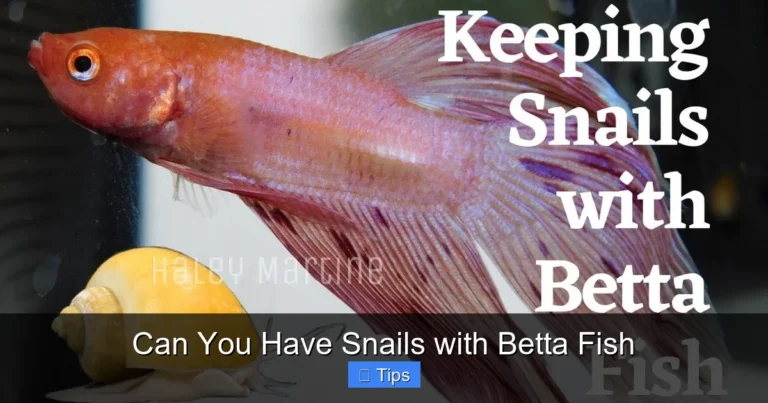
Do Betta Fish Close Their Eyes Do You Want to Know Why

Do betta fish close their eyes? No. Bettas have no eyelids, so their eyes stay open when they sleep or rest. Watch the body, breathing, fins, color, and response to tell normal rest from illness.
Betta fish are quiet, watchful animals. When one goes still, you may wonder whether it blinked or stopped moving. It has not blinked. Because can betta fish close their eyes is a common question, here is the simple answer: no. Bettas have no eyelids, so their eyes stay open while they sleep or rest.
Stillness alone does not tell the whole story. A resting betta usually breathes at a steady rate, keeps its fins relaxed, and wakes when food appears. A fish in trouble may gasp, hide, clamp its fins, lose color, or fail to respond. This guide will help you separate normal betta sleep from stress, injury, and disease.
Key Takeaways
- Bettas cannot blink: They have no eyelids, so their eyes remain open during sleep and rest.
- Stillness is a sleep sign: A relaxed betta may rest low, on a leaf, or near a hide.
- Daytime naps are normal: Short rests are healthy when your betta stays alert and responsive.
- Water quality matters: Keep ammonia and nitrite at zero and maintain a steady, warm temperature.
- Warning signs need action: Gasping, spinning, clamped fins, or a lack of response may signal illness.
- A calm routine helps: Use a steady light cycle, gentle flow, hiding spots, and peaceful tank mates.
📑 Table of Contents
Why Do Betta Fish Close Their Eyes?
Unlike people and many land animals, a betta has no upper or lower eyelids. It cannot pull a lid over each eye. The clear outer surface may move with the eye, but there is no usual blinking action.
Small betta fish eye movement does not always mean the fish is awake. Bettas may move their eyes while resting. An odd eye position can also come from water flow, injury, swelling, or the way the fish holds its body.
What betta fish sleep really means
A betta’s betta fish sleep cycle is not the same as a human’s. Fish do not need to shut their eyes to enter a quiet state. They lower their activity and save energy. During this time, you may notice normal betta resting behavior.
- The body stays low in the tank.
- The tail and fins move much less.
- Breathing stays slow and steady.
- The fish wakes within a few minutes.
- Color and posture look normal.
- The betta does not seem scared or stuck.
If you want a closer look at the eyes during this quiet state, this guide explains why bettas leave their eyes open when they sleep. It is normal and is not a sign that the fish is dead or afraid.
Expert insight: Watch the whole fish for several minutes. One odd pose can be a quick nap. A change that lasts all day, especially with other changes, calls for a water test and closer care.
Quick tip: Do not judge sleep by the eyes alone. Focus on breathing, fin position, balance, and response.
What Does Betta Fish Sleep Look Like?
Betta fish sleep signs can vary from one fish to another. Some bettas hide. Others choose an open spot. The key is to learn your fish’s normal pattern.
Common resting positions
- Betta fish bottom resting: The fish may sit on the floor of the tank.
- Resting on a leaf: A broad leaf can act like a small bed.
- Near a hide: Many bettas feel safer close to a cave or plant.
- Low near the glass: A tired betta may hover close to the front.
- Slightly tilted: A gentle lean can happen during deep rest.
A betta may also drift low or rest partly on its side. Brief side lying can happen during deep rest. If your fish seems to just float, watch its balance, breathing, and response. Repeated floating, spinning, or belly-up posture is not normal sleep.
When bettas usually sleep
Most bettas rest more at night. They may also take short naps during the day. Their activity often rises at dawn and dusk. A betta kept under a bright lamp all day may become tired and nap more often.
Try a steady betta fish night routine. Keep the room lights on for about 10 to 12 hours, then let the room become dark. You do not need a bright betta fish lamp at night. A tiny dim light may help you check the tank, but full darkness is best for most bettas.
How to check if your betta is asleep
You can use a calm wake test. Do not shake the tank or shine a bright light in the fish’s face.
- Wait two or three minutes and watch for movement.
- Hold a small amount of food near the glass.
- Do not force the betta to swim if it is deep in rest.
- Note how quickly it wakes and responds.
A healthy betta should wake within a few minutes. It may not rush to food after a long nap, but it should show interest. If there is no response, check for other warning signs at once.
Daytime Rest or a Warning Sign?
Daytime rest can be healthy. Bettas may nap when the room is calm, after a meal, or during a change in routine. However, long inactivity can also be one of the first betta fish stress signs.
Signs of normal rest
- The betta sits low but stays upright.
- Fins are relaxed rather than pinned tight.
- Breathing is even and not fast.
- The fish wakes when you approach.
- Appetite stays normal the next day.
- There are no sores, spots, or strange swimming.
A short daytime nap with these signs is usually fine. Keep feeding, cleaning, and water tests on schedule. Do not change the tank layout just because your betta chose a quiet spot.
Warning signs that need care
- Gasping at the water surface
- Rapid gill movement or heavy breathing
- Flashing, jerking, or rubbing against objects
- Fins held close to the body
- White spots, red streaks, torn fins, or fuzzy growth
- Bloating, ulcers, a sunken belly, or heavy bleeding
- Spinning, loss of balance, or lying belly up
- Hiding all day or failing to respond to food
One sign may have more than one cause. Several signs together, or a sudden change that lasts more than a day, needs action. Do not ignore a fish that seems weak, even if it is still near the surface.
Common causes of unusual stillness
- Poor water: Ammonia, nitrite, old water, or a sudden pH change can make a betta listless.
- Wrong temperature: Cold water slows the body and can reduce activity.
- Stress: Loud noise, harsh tank mates, or too much handling can cause long hiding.
- Illness: A respiratory infection, swim bladder problem, injury, or fin rot may change normal behavior.
What to do when your betta will not move
- Watch the fish for 10 minutes and note its breathing and balance.
- Test the water for ammonia, nitrite, and temperature.
- Check for gasping, spots, swelling, torn fins, or odd posture.
- Remove obvious stress, such as a noisy filter or an aggressive tank mate.
- Do not add medicine until you know the likely cause.
- Contact an aquatic veterinarian if the fish is gasping, spinning, injured, or unresponsive.
For mild water issues, make a slow, partial water change using dechlorinated water. Match the new water temperature closely. Never change so much water at once that the fish suffers another shock.
How Your Tank Setup Affects Sleep
A good tank supports both sleep and daily health. Think about water, light, flow, surfaces, and company. Small changes can make quiet periods calmer and easier to read.
Light and dark time
Keep a steady light schedule. Most bettas do well with 10 to 12 hours of light and 12 hours of darkness. A betta fish tank cover can reduce jumps and help the room feel secure. Avoid bright light through the night unless you must monitor a sick fish.
- Use the same on and off times each day.
- Turn off strong lights before the room is fully dark.
- Do not leave a bright lamp on all night.
- Place the tank away from direct sun and loud speakers.
Betta fish water parameters
Stable water is more important than chasing one perfect number. Most pet bettas do well around 78 to 80 degrees F, with a stable pH near 7 to 8. Always use a reliable test kit and follow your local water needs.
- Ammonia must stay at 0 ppm.
- Nitrite must stay at 0 ppm.
- Nitrate should stay low, often under 20 to 40 ppm.
- Use a heater and thermometer to prevent sudden drops.
Never add water straight from the tap. Use a quality dechlorinator. A fully cycled tank helps turn harmful ammonia and nitrite into a less toxic nitrate.
Betta fish hiding spots and resting surfaces
Add safe places for rest without crowding the tank. Broad leaves, smooth caves, dense plants, and low rocks can create useful cover. Make sure sharp edges cannot tear delicate fins.
- Use a smooth hide that fits the fish.
- Let some open swimming space remain.
- Choose plants that will not trap or tear fins.
Bettas learn where objects sit. They do not become angry when you move a hide, but sudden changes can still stress them. Keep the main layout stable, and add new décor slowly.
Gentle flow and peaceful tank mates
A betta fish gentle current is fine, but a strong stream can wear the fish down. Aim filter flow toward the glass or add a baffle. Avoid placing an air stone directly in front of the betta’s resting area.
Choose calm tank mates that do not nip long fins. A small crowd can stop a betta from resting well. If your fish hides constantly or loses condition, recheck the group and add more cover.
Expert insight: A calm tank makes health checks easier. When the setting stays steady, you can spot small changes in appetite, color, and posture.
How to Help Your Betta Sleep Well
Helping a betta sleep does not require special gear. A simple, steady routine works best. It also supports better feeding, activity, and long-term betta fish health monitoring.
A simple six-step bedtime routine
- Keep lights steady: Use the same 10 to 12-hour light schedule every day.
- Feed earlier: Offer a small meal before the room grows quiet. Do not overfeed.
- Check warmth: Make sure the heater and thermometer are working.
- Reduce noise: Move loud speakers, TVs, and busy equipment away from the tank.
- Leave space to rest: Keep a clear area near the bottom or a broad leaf.
- Observe in the morning: Watch for normal movement, color, and interest in food.
Common mistakes to avoid
- Assuming every still betta is only asleep
- Turning on a bright lamp in the middle of the night
- Changing décor all at once
- Using harsh cleaner residue on new plants or rocks
- Adding too many tank mates
- Ignoring a slight change that lasts for days
- Putting a strong filter current in the resting area
Use a quick daily check
You can learn your betta’s normal pattern in one week. Spend two minutes each day and write down a few simple notes. This takes less time than trying to guess after a problem grows.
- Activity level from 1 to 5
- Food response
- Breathing speed
- Favorite rest spot
If one rating suddenly changes, check the water and look for injury. A short drop after a new item is added may be stress. A slow rise after several poor tests points toward a water problem.
Conclusion: Do Betta Fish Close Their Eyes?
Do betta fish close their eyes? No. Bettas have no eyelids, so their eyes stay open during sleep and rest. This is normal when the fish is relaxed, breathing evenly, and easy to wake.
Watch the full picture. Betta fish bottom resting, time on a leaf, slow fins, and a quiet night routine are healthy signs. Gasping, spinning, clamped fins, odd color, or no response needs a water test and prompt care.
Your best takeaway is simple: keep the water stable, give your betta calm dark time, and learn its normal behavior. That small daily habit makes it much easier to spot when something is wrong.
Frequently Asked Questions
Can betta fish close their eyes?
No. Bettas have no eyelids, so their eyes stay open when they sleep. Their still body, slow fins, and steady breathing show that they are resting.
Why do my betta fish’ eyes look shut?
The eyes may look closed if the fish is pressed against glass, resting low, or holding its body at an odd angle. Swelling, injury, or a growth can also change the eye shape. If one eye looks damaged or the fish seems unwell, get advice from an aquatic veterinarian.
Why does my betta sleep on its side?
A betta may lie on its side during deep rest, especially near a leaf or the tank floor. Brief side lying with normal breathing can be harmless. Repeated floating, spinning, or lying belly up is not normal and needs closer care.
Why is my betta awake at night?
Bettas can take short naps at any time, but most rest more in the dark. A new schedule, bright light, noise, or a changed routine may keep one active. Give it 10 to 12 hours of dark time each day and keep the schedule steady.
How long can a betta stay at the bottom?
A healthy betta may rest there for a while, especially at night or after eating. It should still breathe evenly and wake when food appears. Long bottom sitting with gasping, loss of balance, or no response is a warning sign.
Can a betta fish sleep in a planted tank?
Yes. Plants and broad leaves can give a betta shade and a safe place to rest. Keep the plants smooth and secure, and leave enough open space for swimming. A calm, well-cycled planted tank can support good sleep.