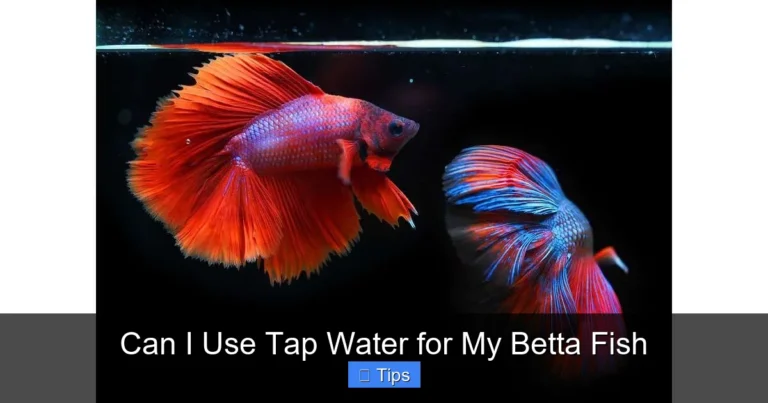
Can You Put a Betta Fish in a Plastic Container Safely
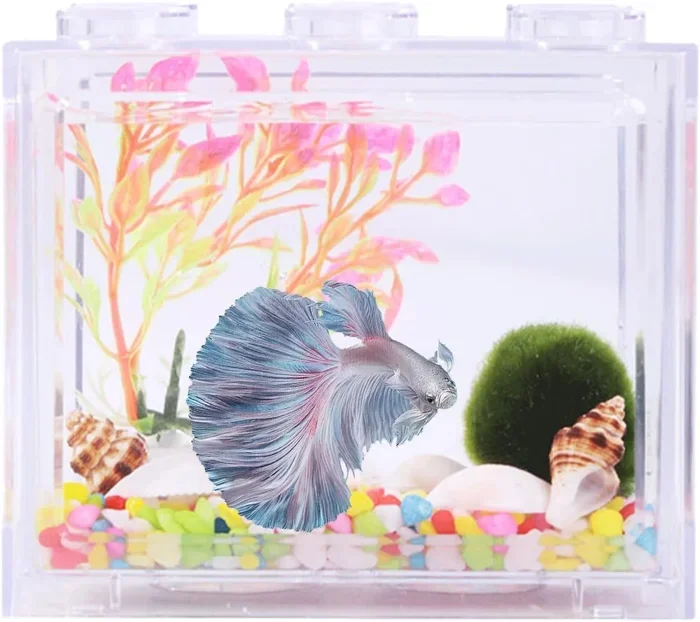
Can You Put a Betta Fish in a Plastic Container Safely? Yes, but only if you choose the right size, ensure proper ventilation, and maintain water quality. This guide covers essential tips to keep your betta healthy in a plastic container.
Key Takeaways
- Size Matters: Use at least 2.5 gallons to give your betta room to swim and reduce stress.
- Ventilation is Critical: A wide opening or surface area ensures adequate oxygen exchange.
- Temperature Control: Keep water between 78‑80°F (26‑27°C) with a reliable heater.
- Water Quality: Perform regular water changes (20‑30% weekly) and use dechlorinated, pH‑balanced water.
- Safe Materials: Choose food‑grade, BPA‑free plastic to avoid toxic leaching.
- Décor and Substrate: Add live or silk plants, a smooth substrate, and hiding spots for comfort.
- Monitoring: Watch for stress signs, abnormal behavior, and water parameters to act quickly.
📑 Table of Contents
- Is a Plastic Container Safe for Betta Fish?
- Choosing the Right Size and Shape
- Ventilation and Oxygen Exchange
- Water Temperature and Filtration
- Substrate, Plants, and Décor
- Water Quality Management
- Feeding Schedule and Nutrition
- Quick Tips for Success
- Common Mistakes and How to Avoid Them
- Expert Insights
- Comparison: Plastic Container vs. Glass Aquarium
- Emergency Care and Health Monitoring
- Long‑Term Success
- Conclusion
Is a Plastic Container Safe for Betta Fish?
If you are wondering Can You Put a Betta Fish in a Plastic Container Safely, the short answer is yes—provided you meet several key requirements. A plastic container can serve as a temporary or even long‑term home for a betta, but it demands careful attention to size, ventilation, temperature, and water chemistry. Unlike traditional glass aquariums, plastic vessels may flex, scratch, or degrade over time, so selecting the right material and design is crucial for betta fish care. In this guide we will walk you through every factor you need to consider, from plastic container size to water temperature and filtration system basics. We’ll also share quick tips, common mistakes to avoid, and expert insights that will help you create a thriving mini‑habitat for your colorful companion.
When you first bring a betta home, the excitement can lead you to place it in whatever container is handy. However, a poorly chosen vessel can cause stress, health issues, and a shortened lifespan. By following the steps outlined below, you’ll ensure that your betta enjoys a stable, safe environment that mimics many of the benefits of a proper aquarium substrate and plant life without breaking the bank.
Understanding Betta Fish Needs
Betta fish are tropical freshwater creatures that naturally inhabit slow‑moving waters in Southeast Asia. Their behavior includes patrolling territory, flaring fins, and seeking shelter among vegetation. To keep them healthy, you must replicate essential aspects of their native habitat:
Water temperature: 78‑80°F (26‑27°C) is ideal.
pH balance: Slightly acidic to neutral (6.5‑7.5).
Oxygen levels: High dissolved oxygen is vital; surface agitation helps.
Space to swim: At least 2.5 gallons per fish to allow proper movement and reduce stress signs.
Hiding places: Live or silk plants, caves, or décor provide security.
If any of these needs are ignored, your betta may develop fin rot, ich, or other diseases. The good news is that a well‑chosen plastic container can meet most of these criteria if you follow the guidelines we’ll share.
Choosing the Right Size and Shape
### Why Size Is Critical
A common mistake is using a small jar or bowl for a betta. While a betta can survive in very little water, it will suffer from poor water quality and limited swimming space. The general rule of thumb is 2.5 gallons per betta (about 10 liters). This volume provides enough surface area for oxygen exchange and allows the fish to swim vertically and horizontally without feeling cramped.
### Measuring Your Container
When evaluating a plastic container, look at both volume and dimensions:
| Feature | Minimum Requirement | Why It Matters |
|———|——————–|—————-|
| Volume | 2.5 gallons (10 L) | Prevents rapid waste buildup and maintains stable parameters. |
| Width | At least 12 inches (30 cm) | Gives room for the betta to spread its fins. |
| Height | 8‑10 inches (20‑25 cm) | Allows vertical swimming and reduces stress. |
| Depth | 6‑8 inches (15‑20 cm) | Provides depth for temperature stability. |
If you have a container that falls short on volume, consider upgrading to a larger plastic container size before adding your betta. Remember that a cramped environment can lead to fin deterioration and a weakened immune system.
### Shape Considerations
Round containers are visually appealing but can create dead zones where water circulation is poor. Rectangular or square containers provide more consistent flow and easier cleaning. Also, avoid containers with sharp edges or rough textures, as these can damage the betta’s delicate fins.
Ventilation and Oxygen Exchange
### The Role of Surface Area
Betta fish obtain oxygen primarily through the water’s surface. A wide opening or a flat top increases the surface area, promoting better gas exchange. If your container has a narrow neck, consider leaving the lid off (but be mindful of escape routes). A simple rule: the surface should be at least 10‑12 inches across for a 2.5‑gallon tank.
### Enhancing Aeration
While betta fish do not require a mechanical filtration system, they still benefit from gentle water movement. You can achieve this by:
Gentle water flow from a low‑speed pump placed at the bottom.
Surface agitation using a small air stone or water fountain.
Regular water changes that stir the water and introduce fresh oxygen.
These methods also help distribute heat evenly, supporting the water temperature range required for optimal betta health.
Water Temperature and Filtration
### Maintaining Ideal Temperature
Betta fish are ectothermic; their metabolism depends on surrounding temperature. A plastic container can trap heat, so a reliable heater is essential. Choose a submersible heater rated for small volumes (e.g., 5‑10 watts per gallon). Place the heater near the container’s back wall, where water flow is consistent, and monitor with a separate aquarium thermometer.
### Simple Filtration Options
A full‑blown filter is not necessary, but some form of water circulation is. Options include:
Sponge filter – gentle, provides mechanical filtration, and creates gentle flow.
Hang‑on‑back filter (mini‑size) – effective for small volumes.
DIY DIY water pump – a small battery‑operated pump that creates surface ripples.
Even a modest filtration system helps keep ammonia and nitrite levels low, reducing the risk of toxic spikes.
Substrate, Plants, and Décor
### Choosing Substrate
A thin layer of smooth sand or fine gravel (1‑2 inches) can enhance the natural environment and support plant life. Avoid sharp or coarse substrates that may injure fins. Also, ensure the substrate is food‑grade and free of harmful chemicals.
### Adding Live or Silk Plants
Live plants such as Java Fern, Anubias, or Java Moss not only beautify the tank but also:
Absorb nitrites and release oxygen.
Provide natural hiding spots, reducing stress signs.
Help stabilize pH and hardness.
If you prefer low‑maintenance options, silk plants are a good alternative. They still give your betta a place to explore and can be easily cleaned.
### Safe Décor Items
Consider adding:
Smooth rocks (rounded) for climbing.
Driftwood (pre‑treated and safe for aquariums).
Caves or tubes made from BPA‑free plastic.
Always inspect items for sharp edges or splinters that could harm your betta.
Water Quality Management
### Testing Key Parameters
Regular testing is a cornerstone of betta fish care. Focus on:
pH – Aim for 6.5‑7.5.
Ammonia – Should be 0 ppm; any reading indicates a problem.
Nitrite – Ideally 0 ppm.
Nitrate – Keep below 20 ppm; perform water changes if higher.
Temperature – Verify with a separate thermometer.
### Performing Water Changes
Weekly water changes of 20‑30% are essential. Use dechlorinated water that matches the temperature of the tank. To avoid shocking your betta, condition the new water with a dechlorinator and consider adding a water conditioner that removes heavy metals.
### Common Water Quality Mistakes
Using tap water without dechlorination.
Changing too much water at once (can cause temperature swings).
Neglecting to match water parameters (temperature, pH) between old and new water.
Feeding Schedule and Nutrition
### What to Feed
A balanced diet includes:
High‑quality betta pellets (protein‑rich, preferably >40% protein).
Frozen or live foods such as brine shrimp, daphnia, or bloodworms (once or twice weekly).
Vegetable matter (e.g., blanched spinach) for occasional variety.
### Feeding Frequency
Feed 2‑3 small portions per day, no more than the amount your betta can consume in 2‑3 minutes. Overfeeding leads to water pollution and obesity, both detrimental to betta health.
### Monitoring Eating Habits
Watch for:
Rapid eating (could indicate stress or malnutrition).
Refusal to eat (may signal poor water quality, illness, or temperature issues).
Uneaten food lingering in the container (remove promptly to maintain water quality).
Quick Tips for Success
Choose BPA‑free, food‑grade plastic to avoid toxic leaching.
Keep the container in a stable location away from direct sunlight or drafts.
Use a thermometer and check it daily.
Perform weekly water tests for ammonia, nitrite, and pH.
Add a small air stone for gentle surface agitation.
Provide hiding places like plants or caves.
Maintain a consistent feeding schedule and avoid overfeeding.
Common Mistakes and How to Avoid Them
| Mistake | Why It Happens | How to Fix It |
|———|—————-|—————|
| Using a too‑small container | Desire for convenience | Upgrade to at least 2.5 gallons. |
| Ignoring ventilation | Narrow openings look stylish | Choose wider containers or add an air stone. |
| Skipping water changes | Fear of disturbing fish | Stick to a 20‑30% weekly schedule. |
| Overfeeding | Misunderstanding betta appetite | Feed only what they can eat in 2‑3 minutes. |
| Using harsh décor | Looking for visual appeal | Choose smooth, aquarium‑safe items. |
| Skipping temperature checks | Assuming plastic retains heat well | Use a reliable aquarium thermometer. |
Expert Insights
Experienced betta keepers often emphasize that consistency trumps perfection. Even a modest plastic container can host a thriving betta if you maintain stable water parameters, provide adequate surface area, and keep a regular maintenance schedule. Another tip: monitor your betta’s behavior daily. If it stays near the surface gasping, or hides constantly, it’s a clear sign of oxygen deficiency or stress. In such cases, increase surface agitation or perform a partial water change immediately.
Comparison: Plastic Container vs. Glass Aquarium
| Factor | Plastic Container | Glass Aquarium |
|——–|——————|—————-|
| Durability | May scratch or crack; lightweight | Highly durable; heavier |
| Heat Retention | Can trap heat; requires careful heater placement | Better heat distribution |
| Visibility | May yellow over time; less clarity | Clear, long‑lasting |
| Cost | Usually cheaper, disposable | Higher upfront cost |
| Portability | Easy to move | Difficult to relocate |
| Aesthetic | Modern, sleek look | Classic, customizable |
| Maintenance | Simpler cleaning for small volumes | More complex but scalable |
While a glass aquarium offers longevity and better structural integrity, a well‑chosen plastic container can be a practical, budget‑friendly solution for many betta owners, especially for temporary setups or travel tanks.
Emergency Care and Health Monitoring
Even with the best preparation, unexpected issues can arise. Keep a first‑aid kit for bettas that includes:
Melafix or Bettafix for minor fin injuries.
Praziquantel for parasite outbreaks.
* Aquarium salt (non‑iodized) for osmotic balance (use sparingly).
Always observe stress signs: clamped fins, rapid breathing at the surface, lethargy, loss of color, or hiding excessively. Prompt action—such as adjusting temperature, performing a water change, or isolating the fish—can often reverse early warning signs.
Long‑Term Success
If you plan to keep your betta in a plastic container long‑term, consider upgrading to a larger system as it grows. Many hobbyists start with a plastic container size suitable for a juvenile betta, then transition to a glass or acrylic tank as the fish matures. This gradual approach helps you learn betta fish care without a large initial investment.
Remember, the goal is to create a stable micro‑ecosystem that supports betta health, behavior, and longevity. By following the guidelines above, you’ll be well‑equipped to answer the question Can You Put a Betta Fish in a Plastic Container Safely with confidence.
Conclusion
To wrap up, using a plastic container for your betta can be perfectly safe when you respect the fish’s fundamental needs. Focus on providing adequate size, proper ventilation, stable temperature, and consistent water quality. Choose food‑grade, BPA‑free materials, add appropriate substrate, plants, and décor, and maintain a regular feeding and maintenance schedule. By doing so, you’ll create a thriving habitat that encourages natural betta behavior, reduces stress signs, and promotes a long, healthy life.
Feel free to explore our related articles for deeper insights, such as Can You Put Betta Fish In A Bowl for additional housing tips, Can You Use Tap Water In A Betta Fish Tank for water‑treatment guidance, and Can You Put Lucky Bamboo In A Betta Fish Tank for safe décor ideas. With the right knowledge and a little effort, your betta will flourish in its new home!
Frequently Asked Questions
Can a betta fish survive long‑term in a plastic container?
Yes, provided the container meets minimum size (2.5 gallons), offers good ventilation, stable temperature, and regular water changes. Long‑term health depends on consistent maintenance and monitoring of water parameters.
What type of plastic is safest for betta fish?
Use food‑grade, BPA‑free plastic that is specifically designed for aquarium use. Avoid recycled or unclear plastics that may leach harmful chemicals.
Do I need a heater in a plastic container?
Absolutely. Betta fish require a stable temperature between 78‑80°F (26‑27°C). A submersible aquarium heater rated for small volumes is essential.
How often should I change the water in a plastic container?
Perform a 20‑30% water change weekly. This removes accumulated waste, stabilizes parameters, and keeps the water clear for your betta.
Can I use live plants in a plastic container?
Yes, live plants like Java Fern or Anubias thrive in small setups, improve water quality, and provide hiding spots. Silk plants are a low‑maintenance alternative.
What are common signs of stress in a betta kept in plastic?
Watch for clamped fins, rapid surface breathing, excessive hiding, loss of vibrant color, or lethargy. These indicate poor water quality, temperature issues, or inadequate space.