Do Betta Fish Have to Eat Everyday
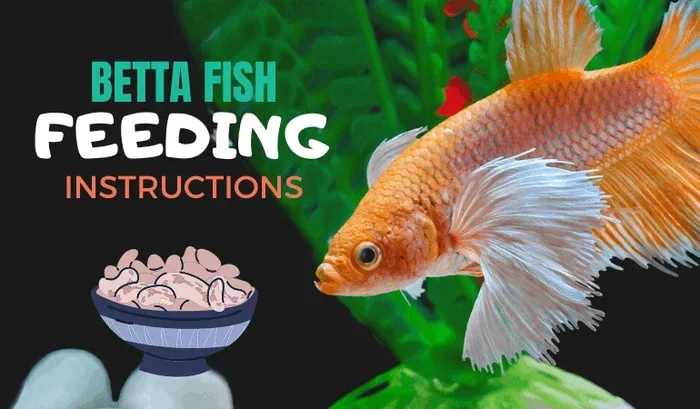
Do betta fish have to eat everyday? The short answer is no — most betta fish do best with one or two small feedings per day, and skipping a day occasionally can even be beneficial. Proper feeding frequency depends on your fish’s age, size, and overall health, but overfeeding is one of the most common mistakes new betta owners make.
Do betta fish have to eat everyday? This is one of the most common questions new betta fish owners ask. The answer might surprise you. Betta fish do not need to eat every single day in the way many other pets do. In fact, feeding them too much can cause serious problems. Understanding how often and how much to feed your betta fish is one of the most important parts of keeping them healthy and happy.
When you bring a betta fish home, feeding might seem like the most obvious thing to do. You want your fish to thrive. But the truth is that betta fish care involves knowing when not to feed as much as knowing when to feed. A proper feeding schedule can mean the difference between a vibrant, active fish and a sluggish, unhealthy one. Let us break down everything you need to know about feeding your betta fish the right way.
Key Takeaways
- Betta fish do not need to eat every single day: One to two feedings per day is sufficient for adult bettas.
- Overfeeding is more dangerous than underfeeding: Excess food can pollute the tank and cause serious health issues.
- A varied diet keeps bettas healthy: Combine high-quality pellets with occasional treats like bloodworms or brine shrimp.
- Watch for signs of overfeeding and underfeeding: Changes in appetite, behavior, and appearance tell you a lot about your fish’s health.
- Fasting days can benefit betta fish: Skipping a meal once a week helps prevent digestive problems and bloating.
- Consistency matters more than quantity: A regular feeding routine helps your betta feel secure and stay active.
📑 Table of Contents
Do Betta Fish Have to Eat Everyday?
The simple answer is no. Most adult betta fish do not need to eat every single day. In the wild, bettas eat whenever food is available, but that does not mean they need constant meals in a home tank. Feeding your betta fish once or twice a day is plenty. Some experienced fish keepers even skip a day entirely to give their betta’s digestive system a rest.
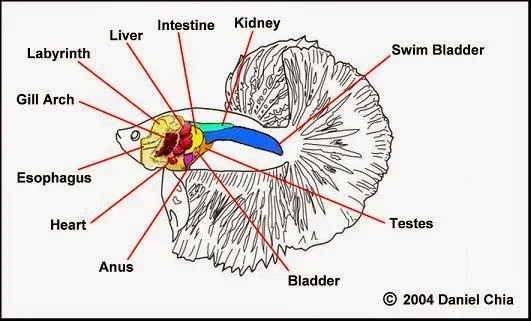
It is important to understand that betta fish have a relatively small stomach. Their stomach is about the size of their eye. This means they cannot eat large amounts of food at once. Small, frequent meals are much better than one big feeding. If you are wondering whether do betta fish have to eat everyday, the answer depends on the fish’s age, size, and activity level. A young betta fish growing rapidly might need more frequent feedings than an older adult.
How Much Should You Feed a Betta Fish?
A good rule of thumb is to feed your betta fish an amount equal to two or three small pellets per feeding. If you are using flakes, a small pinch will do. The food should be consumed within two to three minutes. If there is leftover food in the tank, you have given too much. Overfeeding is the number one mistake that betta fish owners make, and it can lead to serious health problems.
Do Betta Fish Need a Feeding Schedule?
Yes, betta fish do best with a consistent routine. Fish are creatures of habit, and a regular feeding schedule helps reduce stress. Try to feed your betta at the same times each day. Morning and evening feedings work well for most owners. If you do betta fish have to eat everyday on a strict schedule, that is fine too. Just make sure you are not overdoing the portion size.
How Often Should You Feed Your Betta Fish?
The frequency of feeding depends on several factors. Age is a big one. Baby betta fish, called fry, need to eat more often than adults. Young bettas under six months old may benefit from two small feedings every day. Adult bettas over one year old do well with just one feeding per day, or even every other day in some cases.
Do betta fish have to eat everyday? For adult bettas, the answer is usually no. A feeding routine of five days on and two days off can work very well. This gives your fish a chance to fully digest its food and prevents waste from building up in the tank. Here is a simple breakdown:
- Baby bettas (under 3 months): 2 to 3 small feedings per day
- Young bettas (3 to 6 months): 2 small feedings per day
- Adult bettas (6 months and older): 1 feeding per day or every other day
- Senior bettas (over 2 years): 1 feeding every other day or less
These numbers are guidelines, not strict rules. Every betta fish is different. Some are more active and burn energy faster, so they need more food. Others are lazy and will eat everything you offer, even if they do not need it. Pay attention to your fish and adjust accordingly.
What Foods Are Best for Betta Fish?
Betta fish are carnivores by nature. They need a diet that is high in protein. In the wild, they eat insects, larvae, and small crustaceans. Recreating this diet in captivity is the key to keeping your betta healthy and colorful.
High-Quality Pellets
The best staple food for betta fish is a high-quality pellet specifically designed for bettas. Look for pellets where the first ingredient is something like fish meal or shrimp. Avoid generic fish flakes because they do not have enough protein for bettas and can cause digestive issues. Pellets also have the advantage of sinking slowly, which is perfect for bettas who like to eat from the middle or top of the water column.
Frozen and Freeze-Dried Foods
Treats like bloodworms, brine shrimp, and daphnia are excellent additions to your betta’s diet. These foods are packed with protein and mimic what bettas would eat in the wild. Do betta fish have treats for a snack? Absolutely. Frozen or freeze-dried foods make great occasional treats. Just remember to soak freeze-dried foods before feeding them, as they can expand in your fish’s stomach and cause bloating.
Live Foods
Live foods are the closest thing to a natural diet. Brine shrimp, bloodworms, and mosquito larvae are all excellent choices. Live foods can also encourage your betta’s natural hunting instincts. They make mealtime more exciting and stimulating. However, live foods can carry parasites or bacteria, so always source them from a reputable supplier.
Signs Your Betta Fish Is Overfed or Underfed
Knowing how much to feed your betta fish is not just about following a schedule. It is also about watching your fish closely. Betta fish behavior tells you a lot about whether they are getting the right amount of food.
Signs of Overfeeding
Overfeeding is dangerous and more common than most people think. Here are the warning signs:
- Bloating: Your betta’s belly looks swollen and tight, not round and firm in a healthy way.
- Constipation: Your fish has not produced waste in a day or more, or the waste is stringy and pale.
- Lethargy: Your betta is less active than usual and spends a lot of time resting near the bottom of the tank.
- Cloudy water: Uneaten food decays quickly and can make the water cloudy and dirty.
- Loss of appetite: Ironically, overfed fish sometimes refuse to eat at all.
If you notice these signs, stop feeding your fish for a day or two. Do betta fish have to eat everyday even when they show signs of overfeeding? No. A short fast can help clear their digestive system. If the problem persists, you may need to check the water quality in the tank, since poor water conditions often go hand in hand with overfeeding.
Signs of Underfeeding
Underfeeding is less common but still a concern. Look for these signs:
- Weight loss: Your betta looks thin and its body appears sunken or narrow.
- Lethargy: Your fish seems weak and has no energy.
- Dull color: A healthy betta should be vibrant. Faded colors can signal nutritional deficiencies.
- Aggression: Some bettas become more aggressive when they are hungry.
- Refusing food: If your betta consistently ignores food, something may be wrong.
If your betta fish won’t eat, there could be several reasons. Stress, illness, or poor water quality can all affect your fish’s appetite. Check out our guide on what to do when your betta fish won’t eat for helpful tips on troubleshooting feeding problems.
Creating the Perfect Feeding Routine
A good feeding routine is about more than just dropping food into the tank. It is about creating a consistent, healthy pattern that supports your betta’s well-being. Here are some practical steps to build the perfect routine.
Step 1: Choose the Right Time
Feed your betta at the same times every day. Most owners find that morning and evening feedings work best. This aligns with natural light cycles and makes it easy to remember. Consistency reduces stress and helps your fish feel secure in its environment.
Step 2: Measure the Food
Do not guess. Use a small measuring spoon or count the pellets. Two to three small pellets per feeding is a good starting point for adult bettas. If you are using flakes, a tiny pinch is enough. The goal is to give your fish just enough food to finish in two to three minutes.
Step 3: Watch Your Fish Eat
Take a moment to watch your betta eat. This is not just a bonding experience; it is also an important health check. A healthy betta should eat eagerly and with purpose. If your fish takes a long time to start eating or spits the food out, something may be off.
Step 4: Remove Uneaten Food
If there is leftover food after a few minutes, use a small net or siphon to remove it. Uneaten food breaks down quickly and releases ammonia into the water, which is toxic to fish. Keeping the tank clean is just as important as feeding the right amount.
Step 5: Include Fasting Days
One of the best things you can do for your betta is to include a fasting day in the weekly routine. Skipping one day of feeding per week helps prevent bloating, constipation, and digestive issues. Do betta fish have to eat everyday without any breaks? Not at all. In fact, a fasting day can do wonders for your fish’s digestive health.
Common Feeding Mistakes to Avoid
Even experienced betta fish owners can make feeding mistakes. Here are the most common ones and how to avoid them.
Overfeeding
This is the biggest mistake by far. Many owners think that a full belly means a happy fish. But bettas have tiny stomachs, and too much food can cause bloating, constipation, and even swim bladder disease. Less is more when it comes to feeding betta fish.
Feeding the Wrong Foods
Not all fish foods are created equal. Betta fish need a protein-rich diet. Feeding them tropical flakes or goldfish food will not meet their nutritional needs. Always choose foods that are specifically formulated for bettas or other carnivorous fish.
Ignoring Water Quality
Food and water are connected. Uneaten food degrades water quality, and poor water quality affects your fish’s appetite and health. Regular water changes and proper filtration are essential parts of the feeding equation. If you want to learn more about maintaining clean water, check out our article on do betta fish have to have water changes.
Feeding Out of boredom
Some owners feed their betta fish just because it is fun to watch them eat. But this can quickly lead to overfeeding. Stick to your scheduled feeding times and resist the urge to give extra snacks throughout the day. Your fish will be just as happy with a consistent routine.
Skipping Variety
Feeding the same food every day can lead to nutritional gaps. Just like humans, bettas benefit from a varied diet. Rotate between pellets, frozen foods, and occasional treats to keep your betta healthy and engaged.
Expert Tips for Healthy Betta Feeding
Here are some extra tips from experienced betta fish keepers that can make a real difference in your fish’s health and longevity.
- Soak dry foods before feeding: This prevents them from expanding in your fish’s stomach and causing discomfort.
- Use a feeding ring: This keeps food in one place and prevents it from floating into the filter or decaying on the substrate.
- Observe your fish daily: A quick look at your betta during feeding time can reveal a lot about its health and mood.
- Adjust for water temperature: Warmer water speeds up metabolism, so your betta may need slightly more food in warmer conditions.
- Do not feed during tank maintenance: Wait at least an hour after a water change before feeding to avoid stressing your fish.
Every betta fish has its own personality and preferences. Some are voracious eaters, while others are picky or slow. Paying attention to your individual fish is the best way to get the feeding routine right. If you notice changes in eating habits that persist for more than a couple of days, it is worth investigating further. Do betta fish have personality? Absolutely, and their eating habits are often a reflection of their unique character.
Conclusion
So, do betta fish have to eat everyday? The answer is clear: no, not necessarily every single day. A healthy adult betta fish thrives on one to two small feedings per day, with occasional fasting days built into the routine. The key is quality over quantity. Choose high-protein foods, measure portions carefully, and watch your fish for signs of overfeeding or underfeeding.
A consistent feeding schedule, clean water, and a varied diet are the foundations of great betta fish care. By avoiding common mistakes and paying attention to your fish’s behavior, you can keep your betta healthy, active, and colorful for years to come. Remember, feeding is one of the most important parts of daily betta care, and getting it right is easier than you think.
Take what you have learned here and put it into practice today. Your betta fish will thank you with vibrant colors, energetic swimming, and a long, healthy life. Feeding your betta fish the right way is one of the simplest and most rewarding parts of fish keeping.
Frequently Asked Questions
How long can a betta fish go without eating?
A healthy adult betta fish can go without eating for up to two weeks, though this is not recommended as a regular practice. Short fasting periods of one to two days are actually beneficial for their digestive health. If your betta fish won’t eat for more than a few days, check the water quality and look for signs of illness.
Can I feed my betta fish once a day?
Yes, feeding your betta fish once a day is perfectly fine for most adult bettas. A single small feeding of two to three pellets in the morning or evening works well. Some owners prefer to feed twice a day with smaller portions, and both approaches can be effective depending on your schedule and your fish’s needs.
What happens if I overfeed my betta fish?
Overfeeding can cause bloating, constipation, and swim bladder problems in betta fish. Excess food also decays in the tank, releasing ammonia and degrading water quality. This can lead to cloudy water, algae blooms, and stress for your fish. Always feed small amounts and remove any uneaten food after a few minutes.
Do betta fish stop eating when they are full?
Betta fish do not always stop eating when they are full. They are opportunistic eaters and will often eat more than they need if food is available. This is why it is so important for the owner to control portion sizes. Overfeeding a betta fish is much easier than most people realize, and it can lead to serious health problems over time.
Can I feed my betta fish human food?
Some human foods are safe for betta fish in small amounts, such as boiled peas (shelled) or small pieces of cooked fish. However, bettas are carnivores and need a protein-rich diet. Most human foods do not meet their nutritional needs and can cause digestive issues. Stick to foods specifically made for betta fish as the main part of their diet.
Should I feed my betta fish right after a water change?
It is best to wait at least an hour after a water change before feeding your betta fish. Water changes can be stressful, and feeding immediately after can add to that stress. Give your fish some time to settle back into the tank before offering food. This simple step can help keep your betta healthy and reduce unnecessary stress.