Is Betta Dropsy Contagious to Other Fish
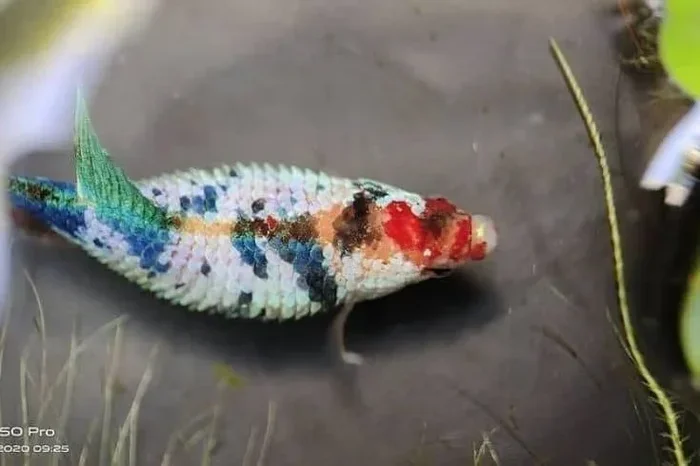
Betta dropsy is a serious condition, but the good news is it is not directly contagious to other fish. The bacterial infection behind dropsy thrives in poor water conditions, which means your tank environment matters more than you might think. Understanding what causes dropsy and how to respond quickly can save your betta and keep your other fish safe.
You notice your betta fish looking bloated. Its scales stand out like a pinecone. And your heart sinks because you have heard about dropsy before. The first question that hits your mind is simple: is betta dropsy contagious to other fish?
Here is the short answer. Dropsy is not directly contagious from one fish to another. But the bacteria that cause it can spread through dirty water. That means your other fish are at risk if the tank conditions are bad. This guide breaks down everything you need to know. We will cover what dropsy is, how it spreads, what symptoms to watch for, and how to keep your whole aquarium safe.
Key Takeaways
- Dropsy itself is not contagious: The underlying bacterial infection spreads through poor water quality, not direct fish-to-fish contact.
- Early detection saves lives: Recognizing symptoms like a swollen belly and pinecone scales gives you a better chance of treatment success.
- Quarantine is essential: Isolating a sick betta protects tank mates and makes treatment easier.
- Water quality is the root cause: Regular water changes and proper filtration prevent the bacteria that trigger dropsy.
- Treatment works best when started early: Epsom salt baths and antibiotics can help if you act fast.
- Prevention beats cure: Maintaining clean water and reducing stress keeps your betta healthy long-term.
📑 Table of Contents
What Is Betta Dropsy?
Dropsy is not a disease on its own. It is a symptom of a deeper problem. Think of it like a fever in humans. A fever tells you something is wrong inside. Dropsy tells you your betta is fighting a serious internal issue. The most visible sign is a swollen belly. The scales puff outward and look like the scales of a pinecone.
The real culprit behind dropsy is usually a bacterial infection. Bacteria like Aeromonas and Pseudomonas live in most aquariums. They are always there. But a healthy betta with a strong immune system can fight them off. When stress or bad water weakens your fish, these bacteria take advantage. They attack the kidneys and cause fluid to build up inside the body. That fluid buildup is what creates the classic swollen look.
Why Is It Called Dropsy?
The word “dropsy” is actually an old medical term. It used to describe fluid retention in humans. Over time, fish keepers adopted the term for fish showing the same bloated, swollen symptoms. Today, most experts prefer the term “ascites” or “bacterial infection,” but dropsy remains the common name among hobbyists. You will hear it everywhere in the betta fish community.
Is Betta Dropsy Contagious to Other Fish?
This is the big question, and the answer needs a bit of nuance. Dropsy itself does not spread from fish to fish. You cannot catch dropsy from your betta. And your betta cannot give it to its tank mates through casual contact. However, the bacteria behind dropsy can spread. And that is where the real danger lies.
These bacteria love dirty water. If your tank has high ammonia, nitrite, or nitrate levels, the bacteria multiply fast. Every fish in that tank becomes more vulnerable. So while dropsy is not contagious in the way a cold is contagious, a dirty tank makes it feel that way. One sick fish can signal that the whole tank is at risk.
Here is what you need to remember. If your betta has dropsy, the bacteria are already floating in the water. Other fish with weakened immune systems could get infected too. This is why water quality and quarantine are so important. You can read more about how dropsy spreads and what to do in our guide on how to treat dropsy in betta fish.
How Does the Bacteria Spread?
Bacteria spread through the water column. They float freely and get absorbed through the gills of any fish nearby. Fish that are already stressed, sick, or living in poor conditions are the most likely targets. A healthy fish in a clean tank has a much better chance of fighting off the infection.
Common ways bacteria spread include:
- Poor water quality: High ammonia and nitrite levels weaken all fish.
- Overcrowded tanks: More fish means more waste and more bacteria.
- Unfiltered or underfiltered tanks: Dirty water lets bacteria thrive.
- New fish additions: New arrivals can introduce bacteria without showing symptoms.
- Shared equipment: Nets, gravel vacuums, and decorations can carry bacteria between tanks.
How Dropsy Spreads in Aquariums
Now that you understand the basics, let us dig deeper into how dropsy actually affects a tank. The spread of dropsy is really about the spread of bacteria through a shared environment. When one fish gets sick, it is a warning sign. It tells you the tank conditions need attention.
Think of it this way. If one person gets sick at school, it does not mean everyone gets sick. But if the school has bad hygiene, more people start feeling unwell. The same logic applies to your aquarium. A single betta with dropsy is a red flag. It means the water might be harboring harmful bacteria that could affect other residents.
The Role of Water Quality
Water quality is the single biggest factor in whether dropsy spreads. Ammonia and nitrite are toxic to fish. Even low levels stress them out. Stressed fish have weaker immune systems. Weakened immune systems cannot fight off bacteria. So the cycle continues. Bad water leads to sick fish, which leads to more bacteria in the water, which leads to more sick fish.
Regular water changes break this cycle. They remove excess waste and dilute harmful chemicals. Most experts recommend changing 25 to 30 percent of your tank water every week. If you are unsure about your water change routine, check out our article on do betta fish have to have water changes for a detailed breakdown.
Can Healthy Fish Resist the Bacteria?
Yes, healthy fish can resist the bacteria that cause dropsy. A well-fed, low-stress fish living in clean water has a strong immune system. That immune system acts like a shield. It fights off invaders before they can cause harm. This is why two fish in the same tank can react very differently to the same bacteria.
So your other fish might be perfectly fine even if your betta has dropsy. But that does not mean you should ignore the problem. You still need to act. Clean the water. Monitor your other fish closely. And be ready to quarantine if needed.
Signs and Symptoms of Dropsy in Betta Fish
Catching dropsy early gives your betta the best chance of survival. The symptoms start subtle and get worse over time. Knowing what to look for helps you act fast. The sooner you catch it, the better the outcome.
Here are the most common signs of dropsy in betta fish:
- Swollen belly: The belly looks puffy and bloated. It is often the first thing you notice.
- Pinecone scales: Scales lift away from the body and point outward. This is the most classic sign.
- Curved spine: The spine may curve upward or to the side as fluid builds up.
- Loss of appetite: Your betta stops eating or eats very little.
- Lethargy: The fish stays near the bottom or hides more than usual.
- Clamped fins: Fins stay close to the body instead of being spread out.
- Pale color: The colors fade, and the fish looks washed out.
- Rapid breathing: The gills move fast even when the fish is resting.
If you notice these symptoms, do not wait. Start treatment right away. You can also learn more about recognizing when your betta is seriously ill in our article on how to tell if my betta fish is sick.
How to Tell Dropsy Apart from Other Conditions
Not every bloated betta has dropsy. Other conditions can look similar. Constipation, swim bladder disease, and bloating from overfeeding all cause a swollen belly. The key difference is the pinecone scales. If the scales are sticking out, dropsy is very likely. If the belly is swollen but the scales are flat, it might be something else entirely.
Here is a quick comparison table:
- Dropsy: Swollen belly, pinecone scales, curved spine, loss of appetite, lethargy.
- Constipation: Swollen belly but normal scales, fish still active, may have trouble pooping.
- Swim Bladder Disease: Fish floats sideways or sinks to the bottom, belly may be slightly swollen.
- Overfeeding Bloating: Belly is round but scales stay flat, fish acts normal otherwise.
How to Protect Your Other Fish
If your betta has dropsy, your first job is to protect the rest of your tank. You do not want the bacteria to spread and make more fish sick. The best approach is a three-step plan: quarantine, clean the water, and monitor closely.
Step 1: Quarantine the Sick Fish
Move your betta to a separate hospital tank as soon as you can. A quarantine tank keeps the sick fish away from healthy ones. It also makes treatment easier because you can focus medications without affecting other fish. A small tank with a sponge filter works great. Keep the water clean and warm, around 78 to 80 degrees Fahrenheit.
Step 2: Improve Water Quality in the Main Tank
While your betta is in quarantine, work on the main tank. Do a large water change, about 40 to 50 percent. Clean the gravel and remove any uneaten food. Check your filter and make sure it is working properly. Test the water for ammonia, nitrite, and nitrate levels. All of these should be at zero or as close to zero as possible.
Step 3: Monitor the Other Fish
Watch your other fish carefully for the next few weeks. Look for any signs of bloating, lethargy, or loss of appetite. If you spot anything unusual, act quickly. Early intervention makes a huge difference. You can find more tips on keeping your fish healthy and happy in our article on how to know if your betta fish is happy.
Are Betta Fish Dangerous to Keep With Other Fish?
Some fish keepers worry that bettas might harm other fish or spread diseases. The truth is, bettas are not inherently dangerous to tank mates. The real risk comes from poor tank management. Dirty water, overcrowding, and stress create the conditions where diseases like dropsy can spread. If you keep your water clean and choose compatible tank mates, your betta can live peacefully with others. You can read more about this topic in our guide on are betta fish poisonous to other fish.
Can Betta Fish Recover from Dropsy?
The honest answer is that dropsy has a low survival rate. By the time you notice the symptoms, the internal damage is often already significant. But that does not mean you should give up. Many betta keepers have had success with early and aggressive treatment. And even if your betta does not survive, you can still prevent the bacteria from hurting other fish in your tank.
Treatment Options That Work
Treatment for dropsy focuses on three things. Reduce the bacteria, support the immune system, and relieve symptoms. Here is what most experienced fish keepers recommend:
- Epsom salt baths: Epsom salt helps draw out excess fluid. Use one tablespoon per gallon of water. Soak the fish for 15 to 30 minutes.
- Antibacterial medication: Medications like Melafix or Pimafix can help fight the bacterial infection. Follow the dosage instructions carefully.
- Clean water: Frequent small water changes keep the environment less hospitable for bacteria.
- High-quality food: Offer live or frozen foods like bloodworms and brine shrimp to boost the immune system.
- Warm water: Keep the temperature stable and slightly warm to help the fish fight infection.
For a full treatment guide, visit our detailed article on how to treat dropsy in betta fish.
When to Let Go
Sometimes the kindest choice is to let go. If your betta is in severe pain, not eating at all, and the scales are fully pineconed, the quality of life is very low. This is a hard decision. But ending suffering is an act of love. Talk to a vet or an experienced fish keeper if you are unsure.
Preventing Dropsy in Your Betta Tank
Prevention is always better than cure. And the good news is that preventing dropsy is mostly about keeping your tank clean and your fish stress-free. A few simple habits can make a huge difference.
Here are the best ways to prevent dropsy:
- Do regular water changes: Change 25 to 30 percent of the water every week.
- Test your water often: Keep ammonia and nitrite at zero. Use a reliable test kit.
- Do not overfeed: Feed small amounts twice a day. Remove any uneaten food after five minutes.
- Avoid overcrowding: Give your betta plenty of space. A tank of at least 5 gallons is recommended.
- Quarantine new fish: Always isolate new arrivals for two weeks before adding them to your main tank.
- Keep the tank stress-free: Avoid sudden temperature changes, loud noises, and aggressive tank mates.
- Maintain your filter: Clean or replace filter media regularly, but never all at once.
These habits take a little time but they pay off big time. A clean, well-maintained tank is the best defense against dropsy and many other fish diseases.
Key Takeaways
Let us wrap up the main points one more time. Betta dropsy is not directly contagious. The bacteria that cause it spread through poor water quality, not through direct contact. Your other fish are safe as long as the tank is clean and the fish are healthy. But a sick betta is a warning sign. It tells you that the tank needs attention. Act fast, quarantine the sick fish, clean the water, and monitor your other fish. With quick action and good prevention habits, you can protect your whole aquarium from dropsy and keep your betta healthy for years to come.
Frequently Asked Questions
Can dropsy spread from a betta fish to other species in the tank?
Dropsy itself does not spread from fish to fish. But the bacteria behind it can affect other species if the water quality is poor. Any fish with a weakened immune system could potentially get infected. This is why maintaining clean water and quarantining sick fish is so important.
How long does it take for dropsy to show symptoms in betta fish?
Symptoms usually appear within a few days to a couple of weeks. The early signs are subtle, like a slightly swollen belly and reduced appetite. By the time the pinecone scales appear, the infection has already progressed significantly. That is why daily observation of your betta is so important.
Is dropsy in betta fish curable?
Dropsy has a low cure rate, especially if it is caught late. Early treatment with Epsom salt baths, antibacterial medication, and clean water gives the best chance of recovery. Many fish keepers have had success with prompt action, but prevention through good tank maintenance is always the better approach.
Can I treat dropsy without moving my betta to a quarantine tank?
You can, but it is not recommended. Treating in the main tank exposes all your fish to medication, which can harm beneficial bacteria and sensitive species. A quarantine tank lets you focus treatment on the sick fish and keeps the main tank stable and safe for other residents.
What is the main cause of dropsy in betta fish?
The main cause is poor water quality. High levels of ammonia, nitrite, and nitrate stress the fish and weaken their immune system. This allows bacteria like Aeromonas and Pseudomonas to take hold and attack the kidneys. Regular water changes and proper filtration are the best defenses.
Should I euthanize a betta fish with dropsy?
Euthanasia is a difficult decision, but it may be the kindest option if the fish is in severe pain and not responding to treatment. If the scales are fully pineconed, the fish is not eating, and it shows signs of distress, consult a vet or experienced fish keeper. Ending suffering is a compassionate choice when recovery is not possible.
=== CONCLUSION ===
So, is betta dropsy contagious to other fish? The answer is no, not directly. But the bacteria that cause it can spread through dirty water and put your other fish at risk. The real takeaway is that dropsy is a symptom of a bigger problem. Poor water quality, stress, and a weak immune system create the perfect storm for this condition. By keeping your tank clean, quarantining sick fish, and acting fast at the first sign of trouble, you give your betta the best chance of recovery. And you protect every other fish in your aquarium too. Stay proactive, stay observant, and your fish will thank you with healthy, happy years ahead.