How Many Betta Fish Eggs Hatch
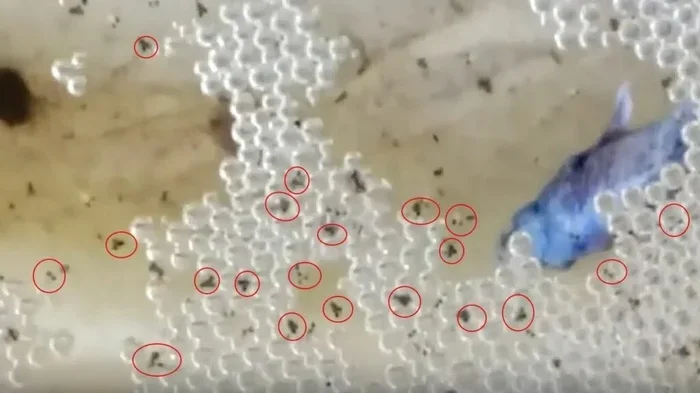
On average, only 50 to 80 percent of betta fish eggs hatch successfully. The number of eggs that actually hatch depends on factors like water temperature, water quality, and whether the eggs are fertilized. A healthy female betta can lay between 30 and 100 eggs per spawn, but not all of them will make it to the fry stage. Understanding the hatching process helps you maximize your success rate.
If you have ever watched a betta fish lay eggs, you know it is an exciting moment. But then the real question hits: how many of those eggs will actually hatch? The answer might surprise you. Not every betta fish egg makes it to the hatchling stage. In fact, a good number of them simply will not survive.
Understanding the hatching process helps you set realistic expectations. Whether you are a beginner breeder or just curious about betta fish breeding, this guide covers everything you need to know. We will walk through the numbers, the factors that matter, and what you can do to boost your success rate.
The journey from egg to fry is fragile. Many things can go wrong, but many things can also go right. Let us break it all down so you feel confident and informed.
Key Takeaways
- Typical Hatching Rate: Around 50 to 80 percent of betta fish eggs hatch under ideal conditions.
- Egg Count Per Spawn: A female betta can lay anywhere from 30 to 100 eggs in a single spawn.
- Fertilization Matters: Unfertilized eggs will not hatch and should be removed to prevent fungus.
- Water Temperature Is Critical: Keeping water between 79 and 82 degrees Fahrenheit greatly improves hatching success.
- Hatching Timeframe: Betta fish eggs typically hatch within 24 to 72 hours after spawning.
- Male Betta Role: The male betta guards the eggs and keeps them in a bubble nest until they hatch.
- Survival Rate: Even after hatching, not all fry survive the first few weeks without proper care.
📑 Table of Contents
- How Many Betta Fish Eggs Hatch: The Numbers
- Factors That Affect Betta Fish Egg Hatching
- The Hatching Timeline: What to Expect
- How to Maximize the Number of Eggs That Hatch
- What Happens After the Eggs Hatch
- Common Mistakes That Lower Hatching Rates
- How Betta Fish Eggs Look Before and After Hatching
- Key Takeaways
- Final Thoughts
How Many Betta Fish Eggs Hatch: The Numbers
When a female betta lays eggs, the number that hatch depends on several factors. Under ideal conditions, about 50 to 80 percent of betta fish eggs hatch. That means if your female lays 50 eggs, you can expect roughly 25 to 40 fry to make it out.
But here is the thing. Those numbers are not guaranteed. The actual hatching rate can swing quite a bit based on the environment and care you provide. Some breeders report higher rates, while others see lower ones. It all comes down to the conditions.
A healthy female betta fish can lay between 30 and 100 eggs per spawn. That is a wide range, and it depends on her age, size, and overall health. Younger females tend to lay fewer eggs, while mature, well-fed females can produce larger clutches.
What Happens to Unfertilized Eggs?
Not all eggs laid by a betta are fertilized. In fact, a portion of them may never develop at all. The male betta is responsible for fertilizing the eggs as the female releases them. If fertilization does not happen, those eggs will turn white and develop fungus over time.
Unfertilized eggs will not hatch. Period. They also pose a risk to the healthy eggs because fungus can spread. This is why experienced breeders remove unfertilized eggs quickly. The male betta often eats unfertilized eggs on his own, but sometimes he misses a few.
Factors That Affect Betta Fish Egg Hatching
Several key factors determine how many betta fish eggs hatch. Let us look at each one in detail so you understand what really matters.
Water Temperature
Water temperature plays a huge role in betta fish egg hatching. The ideal range is between 79 and 82 degrees Fahrenheit. When the water is too cold, the eggs develop slowly or stop developing altogether. When it is too hot, the eggs can dry out or become vulnerable to bacteria.
Consistent temperature is just as important as the right temperature. Sudden swings can shock the eggs and lower the hatching rate. Use a reliable heater and thermometer to keep things stable.
Water Quality
Clean water is essential for healthy betta eggs. Ammonia and nitrite levels should be at zero. Nitrate levels should stay below 20 parts per million. Poor water quality is one of the biggest reasons eggs fail to hatch or develop fungus.
Regular water changes help, but you need to be gentle. Disturbing the bubble nest can harm the eggs. Use a turkey baster or sponge filter to maintain cleanliness without disrupting the nest.
Fertilization Success
As mentioned earlier, fertilization is the first hurdle. The male and female betta need to spawn successfully for the eggs to be viable. Not every spawning attempt results in fully fertilized eggs. Stress, age, and compatibility between the pair all affect fertilization rates.
If you want to improve fertilization, make sure both fish are healthy and well-conditioned before breeding. Feed them high-quality foods like bloodworms and brine shrimp for several weeks leading up to the breeding attempt.
The Hatching Timeline: What to Expect
Betta fish eggs do not take long to hatch. Under the right conditions, you can expect to see fry within 24 to 72 hours after spawning. The male betta keeps the eggs safe in his bubble nest during this entire time.
Here is a simple breakdown of the hatching timeline:
- Day 1: Eggs are laid and fertilized. The male gathers them into the bubble nest.
- Day 1 to 2: Eggs begin to develop. You may notice small dark spots forming inside the eggs.
- Day 2 to 3: Hatching begins. The fry break free from the eggs and start swimming.
- Day 3 to 4: Most fry have hatched. The male continues to guard any remaining eggs.
The exact timing depends on water temperature. Warmer water speeds up development, while cooler water slows it down. Patience is key during this phase. Resist the urge to interfere with the male betta or the bubble nest.
How Long Does It Take Betta Fish Eggs to Hatch?
Most betta fish eggs hatch within two to three days. If you notice eggs still unchanged after 72 hours, check your water parameters and temperature. Sometimes eggs simply take a little longer, especially if the temperature is on the lower end of the ideal range.
For more details on the timeline, you can check our guide on how long it takes betta fish eggs to hatch. It covers the full timeline in depth.
How to Maximize the Number of Eggs That Hatch
You cannot control everything, but you can take steps to give your betta eggs the best chance of hatching. Here are practical tips that make a real difference.
1. Set Up a Proper Breeding Tank
A dedicated breeding tank gives you control over water conditions. Use a tank of at least 5 gallons with a sponge filter and a gentle heater. Keep the water soft and slightly acidic, with a pH between 6.5 and 7.0.
Add some floating plants or a breeding mop. These give the male something to build his bubble nest on and provide hiding spots for the fry once they hatch.
2. Condition the Breeding Pair
Feed both the male and female high-protein foods for two to four weeks before breeding. Live or frozen foods work best. Brine shrimp, daphnia, and bloodworms are excellent choices. Well-conditioned fish produce more eggs and healthier fry.
3. Monitor the Bubble Nest
The bubble nest is where the magic happens. Check it regularly to make sure it stays intact. If the nest breaks apart, the eggs can fall and get damaged. A stable, well-built nest gives the eggs the best environment for development.
4. Remove Unfertilized Eggs Promptly
Use a small pipette or turkey baster to gently remove any white, fungus-covered eggs. This prevents the spread of fungus to healthy eggs. The male betta will eat some of these on his own, but a quick cleanup helps a lot.
5. Keep the Environment Stress-Free
Avoid sudden noises, bright lights, or vibrations near the breeding tank. Stress can cause the male betta to abandon the nest or eat the eggs. A calm, dimly lit environment encourages the male to do his job properly.
What Happens After the Eggs Hatch
Once the fry hatch, your job is just getting started. The male betta will continue to guard the fry for the first few days. He may pick them up in his mouth and spit them back into the bubble nest to keep them safe. This is completely normal behavior.
After about three to five days, the male will lose interest in guarding. At this point, you should remove him from the breeding tank to prevent him from eating the fry. The fry are tiny and vulnerable, and they need a safe space to grow.
Feed the fry infusoria or liquid fry food for the first week. As they grow, you can introduce baby brine shrimp and finely crushed flakes. For more information on raising betta fry, our article on how many fry do betta fish have provides helpful details.
Survival Rate of Betta Fry
Even after the eggs hatch, not every fry survives the first few weeks. In the wild, most betta fry do not make it to adulthood. In a home aquarium, your survival rate can be much higher with proper care. Expect to lose some fry, and that is completely normal.
Focus on keeping the water clean, feeding small amounts frequently, and watching for signs of disease. Over time, the strongest fry will thrive and grow into healthy adult bettas.
Common Mistakes That Lower Hatching Rates
Many beginner breeders make mistakes that reduce the number of eggs that hatch. Avoiding these pitfalls can make a big difference.
- Skipping water parameter checks: High ammonia or nitrite levels can kill eggs quickly. Always test your water before breeding.
- Disturbing the bubble nest: Every time you mess with the nest, you risk damaging the eggs. Keep tank maintenance gentle and minimal.
- Breeding unhealthy fish: Sick or stressed fish produce fewer viable eggs. Only breed fish that are in top condition.
- Wrong water temperature: Temperatures outside the ideal range slow development or kill the eggs. Stay within 79 to 82 degrees.
- Overfeeding the breeding pair: Excess food pollutes the water fast. Feed small amounts several times a day.
- Removing the male too early: The male plays a vital role in protecting the eggs. Let him do his job until the fry are free-swimming.
For more breeding tips, check out our detailed guide on how to hatch betta fish eggs. It covers the entire process step by step.
How Betta Fish Eggs Look Before and After Hatching
It helps to know what healthy eggs look like so you can spot problems early. Healthy betta fish eggs are small, translucent, and slightly oval-shaped. They look a bit like tiny white pearls. You may notice a small dark spot inside the egg as the fry develops.
Unhealthy or unfertilized eggs turn white and cloudy. They may develop a fuzzy coating if fungus sets in. These eggs should be removed immediately to protect the healthy ones around them.
Once the eggs are ready to hatch, you may see the fry moving inside the egg. The egg becomes slightly more transparent, and you can sometimes see the tiny fish curled up inside. Within hours, the fry will pop out and start their new lives.
For a visual guide, our article on how betta fish eggs look has detailed images and descriptions.
Key Takeaways
- Typical Hatching Rate: Around 50 to 80 percent of betta fish eggs hatch under ideal conditions.
- Egg Count Per Spawn: A female betta can lay anywhere from 30 to 100 eggs in a single spawn.
- Fertilization Matters: Unfertilized eggs will not hatch and should be removed to prevent fungus.
- Water Temperature Is Critical: Keeping water between 79 and 82 degrees Fahrenheit greatly improves hatching success.
- Hatching Timeframe: Betta fish eggs typically hatch within 24 to 72 hours after spawning.
- Male Betta Role: The male betta guards the eggs and keeps them in a bubble nest until they hatch.
- Survival Rate: Even after hatching, not all fry survive the first few weeks without proper care.
Final Thoughts
The answer to how many betta fish eggs hatch is not a fixed number. It depends on water conditions, temperature, fertilization, and the overall health of the breeding pair. On average, you can expect about half to most of the eggs to hatch successfully if you provide the right environment.
Betta fish breeding is a rewarding experience, but it requires patience and attention to detail. Focus on the factors you can control, and let nature take its course. The more you learn about betta fish egg hatching, the better your results will be over time.
Start with a healthy breeding pair, maintain pristine water conditions, and give the male betta the space to do his job. You will be surprised at how many little fry can thrive with the right care. Happy breeding!
Frequently Asked Questions
How many betta fish eggs typically hatch?
Under ideal conditions, about 50 to 80 percent of betta fish eggs hatch successfully. The exact number depends on water temperature, quality, and fertilization rates.
How many eggs does a betta fish lay in one spawn?
A healthy female betta can lay between 30 and 100 eggs per spawn. Younger or smaller females may lay fewer, while mature and well-conditioned females tend to produce more.
How long does it take betta fish eggs to hatch?
Betta fish eggs usually hatch within 24 to 72 hours after spawning. Warmer water temperatures around 79 to 82 degrees Fahrenheit speed up the process.
Do all betta fish eggs get fertilized?
No, not all eggs get fertilized. The male betta fertilizes the eggs as the female releases them, but some eggs may remain unfertilized and will not hatch.
What should I do with unfertilized betta eggs?
Remove unfertilized eggs promptly using a small pipette or turkey baster. They can develop fungus and spread it to healthy eggs if left in the tank.
How can I improve my betta fish egg hatching rate?
Keep water temperature stable between 79 and 82 degrees, maintain pristine water quality, condition the breeding pair with high-protein foods, and avoid disturbing the bubble nest.