Is Coral Safe for a Betta Fish

Is coral safe for a betta fish? The answer depends on the type of coral and how you use it. Some corals can release harmful substances into your betta fish tank, while others are perfectly safe when properly prepared. This guide covers everything you need to know about using coral in a betta aquarium, including risks, safe options, and practical tips.
You love your betta fish. You want the tank to look stunning. You have seen beautiful coral decorations at the pet store and thought, “That would look amazing in my betta tank.” But then the question hits you. Is coral safe for a betta fish?
This is a really common question among betta keepers. And honestly, the answer is not a simple yes or no. Coral comes in many forms. Some types can harm your fish. Others are perfectly fine. The key is knowing what to look for and what to avoid.
In this article, we will walk through everything you need to know. We will cover the different types of coral, the risks involved, and how to use coral safely in a betta fish tank. By the end, you will have a clear picture of what works and what does not.
Key Takeaways
- Not all coral is safe: Some coral types can release toxins or alter water chemistry, which may harm your betta fish.
- Live coral is risky: Live coral requires specific marine conditions that are not ideal for betta fish, making it a poor choice.
- Fake coral can be safe: High-quality artificial coral decorations are generally safe and pose no chemical risk to your betta.
- Coral can raise pH and hardness: Even safe coral pieces can change your tank water parameters, which affects betta fish health.
- Sharp edges are a danger: Broken or rough coral can injure your betta’s delicate fins and tail.
- Preparation matters: If you choose to use coral, proper cleaning and curing are essential steps before adding it to your tank.
📑 Table of Contents
- What Is Coral and Why Do People Use It in Betta Tanks?
- Is Coral Safe for a Betta Fish? The Short Answer
- The Risks of Using Coral in a Betta Tank
- Safe Alternatives to Natural Coral for Betta Tanks
- How to Safely Use Coral in a Betta Tank
- Expert Insights on Coral and Betta Fish
- Common Mistakes People Make with Coral in Betta Tanks
- Final Thoughts on Coral and Betta Fish Safety
What Is Coral and Why Do People Use It in Betta Tanks?
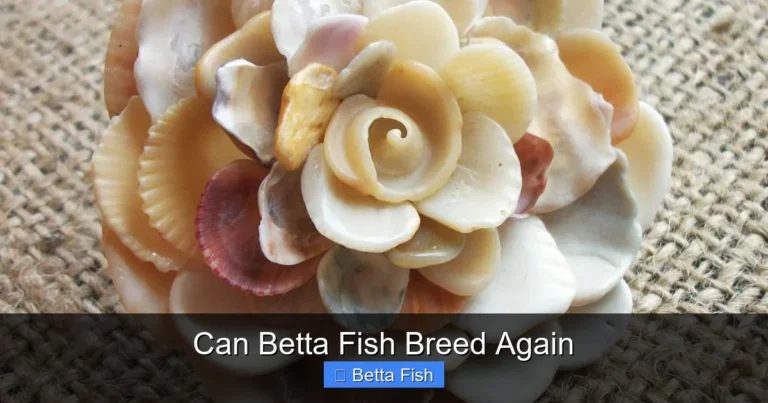
Coral is a marine organism that grows in colonies in oceans around the world. People love the way coral looks. It comes in bright colors and interesting shapes. Many aquarium hobbyists add coral pieces or coral sand to their tanks for decoration.
For betta fish tanks, coral serves a few purposes. It can create a natural-looking environment. It can raise the pH of your water slightly. And it can give your betta places to explore. But not all coral is created equal when it comes to betta fish safety.
Types of Coral Used in Aquariums
When people talk about coral for aquariums, they usually mean one of these types:
- Live coral: This is actual living coral from the ocean. It needs saltwater and special lighting. Live coral is not a good fit for a betta tank.
- Dead coral pieces: These are coral skeletons that have been cleaned and dried. They are often sold as decoration.
- Coral sand: Crushed coral pieces used as substrate. It can affect water hardness and pH.
- Artificial coral: Plastic or resin decorations shaped like coral. These are very common in freshwater tanks.
Each type has different effects on your tank. Let us break down what is safe and what is not.
Is Coral Safe for a Betta Fish? The Short Answer
So, is coral safe for a betta fish? The short answer is: it depends. Fake coral is generally safe. Natural coral can be risky if not chosen carefully. Live coral is a definite no for betta tanks.
Here is why this matters. Betta fish are freshwater fish. They thrive in specific water conditions. Adding the wrong type of coral can change your water chemistry in ways that stress or even harm your fish. This is why understanding the risks is so important.
How Coral Affects Water Chemistry
Natural coral is made mostly of calcium carbonate. Over time, it dissolves slowly into your tank water. This process can do two things:
- Raise the pH: Coral makes water more alkaline. Betta fish prefer a slightly acidic to neutral pH, around 6.5 to 7.5. If your pH goes too high, your betta can become stressed.
- Increase water hardness: Coral adds calcium and minerals to the water. This can make the water harder, which may not be ideal for bettas.
Now, a small piece of coral might not cause a big change. But if you add a lot of coral or use coral sand as substrate, the effects can add up fast. This is something many new betta keepers overlook.
The Risks of Using Coral in a Betta Tank
Understanding the risks helps you make better decisions. Let us look at the main dangers of adding coral to a betta fish tank.
Sharp Edges Can Injure Your Betta
Betta fish have long, flowing fins. These fins are delicate and easily damaged. Broken coral pieces often have sharp edges. If your betta swims into a sharp coral fragment, it can tear its fins or body.
This is one of the most common injuries in betta tanks with rough decorations. A torn fin can lead to infection. And infections in fish can spread quickly if not treated. Always check coral pieces for sharp edges before adding them to your tank.
Toxins and Contaminants
Not all natural coral is clean. Some coral pieces may contain traces of heavy metals or other contaminants. These substances can leach into your water and poison your fish. This is especially true for coral collected from the wild without proper cleaning.
Even dried coral can harbor bacteria or parasites. If you want to use natural coral, you need to clean it thoroughly. Boiling it and letting it soak is a good first step. But there is still some risk involved.
Water Parameter Swings
Betta fish do not like sudden changes in their environment. If you add coral to your tank and the pH or hardness shifts quickly, your betta can go into shock. Signs of stress include:
- Clamped fins
- Loss of color
- Lethargy or hiding more than usual
- Loss of appetite
- Rapid breathing
If you notice any of these signs after adding coral, test your water right away. A good filter for betta fish can help stabilize parameters, but it cannot fix sudden chemical changes caused by new decorations.
Safe Alternatives to Natural Coral for Betta Tanks
If you love the look of coral but worry about the risks, you have great options. Many betta keepers choose safer alternatives that give the same visual appeal without the dangers.
Artificial Coral Decorations
Artificial coral is the safest option for a betta tank. High-quality fake coral is made from resin or plastic. It does not dissolve into the water. It does not change your pH or hardness. And it has no sharp edges if you choose well-made pieces.
When shopping for artificial coral, look for products labeled “aquarium safe.” Avoid decorations with painted surfaces that might chip or peel. The paint could release chemicals into the water. Sticking with plain, matte-finish artificial coral is your best bet.
Other Safe Decorations for Betta Fish
If coral is not the right choice, what can you use instead? Here are some popular and safe options:
- Driftwood: Adds a natural look and does not affect pH much.
- Smooth river rocks: Choose rounded stones with no sharp edges.
- Ceramic decorations: Many aquarium-safe ceramic pieces look great and are smooth.
- Live plants: Are live plants safe for betta fish? Yes! Live plants like java fern, anubias, and betta bulbs are excellent choices. They also help keep the water clean.
You can create a beautiful betta tank without any coral at all. The key is choosing decorations that are smooth, non-toxic, and stable in your water conditions.
How to Safely Use Coral in a Betta Tank
If you have decided you want to use coral in your betta tank despite the risks, there are steps you can take to do it safely. The goal is to minimize any negative effects on your fish and water quality.
Step 1: Choose the Right Type
Avoid live coral entirely. Stick with small pieces of cleaned, dried coral or artificial coral. Do not use coral sand as your main substrate. Instead, use a gentle gravel or sand that will not shift your water chemistry.
Also, think about your tank size. If you have a small betta fish tank, even a little coral can have a big impact on water parameters. In a larger tank, the effect is more diluted. For more guidance on tank sizes, check out our article on the best tank size for a betta fish.
Step 2: Clean and Prepare the Coral
Before adding any natural coral to your tank, follow these steps:
- Rinse the coral under warm running water to remove dust and debris.
- Soak it in fresh water for 24 to 48 hours.
- Boil the coral for 10 to 15 minutes to kill bacteria and parasites.
- Let it cool completely before placing it in your tank.
- Monitor your water parameters closely for the first week after adding it.
This process does not remove all risks, but it significantly reduces them. Think of it as a safety precaution, not a guarantee.
Step 3: Monitor Your Water Regularly
After adding coral, test your water at least twice a week for the first month. Watch for changes in pH and hardness. If you see the pH climbing above 7.5, consider removing the coral or reducing the amount you have in the tank.
Keeping a stable environment is one of the most important parts of betta fish care. A stable tank means a happy, healthy betta.
Expert Insights on Coral and Betta Fish
Many experienced betta keepers avoid natural coral altogether. They prefer the peace of mind that comes with artificial decorations. As one expert aquarist put it, “Why risk your fish’s health for a decoration when there are so many safe alternatives?”
That said, some hobbyists do use small amounts of cleaned coral successfully. The difference usually comes down to careful preparation and consistent water monitoring. If you are a beginner, it is best to skip natural coral and start with safer options. You can always add it later once you are more comfortable managing your tank.
Also, keep in mind that your betta’s overall environment matters. The best temperature for a betta fish tank, proper filtration, and good water quality all play a role in keeping your fish healthy. Adding risky decorations on top of other stressors can compound problems.
And if you are curious about other tank setups, you might wonder whether a good tank mate for a betta fish would change your decoration choices. In most cases, the answer is no. Safe decorations are safe regardless of who else is in the tank.
Common Mistakes People Make with Coral in Betta Tanks
Avoid these common mistakes to keep your betta safe:
- Using live coral in a freshwater tank: Live coral needs saltwater. It will not survive in a betta tank and can release harmful substances as it dies.
- Adding too much coral at once: A large amount of coral can cause a sudden spike in pH. Always add coral gradually and test your water after each addition.
- Skipping the cleaning process: Raw coral from the beach or store may carry bacteria. Always clean and boil it first.
- Ignoring sharp edges: Rough or broken coral pieces can cut your betta’s fins. Smooth out any sharp areas with fine-grit sandpaper before adding coral to your tank.
- Not testing water after adding coral: Many people add coral and forget about it. Regular testing is the only way to catch problems early.
These mistakes are easy to avoid with a little knowledge and preparation. Your betta will thank you for it.
Final Thoughts on Coral and Betta Fish Safety
So, is coral safe for a betta fish? The honest answer is that it can be, but it requires caution. Artificial coral is the safest route. Natural coral can work if you clean it properly and monitor your water closely. Live coral should always be avoided in a freshwater betta setup.
Your betta fish deserves a safe and beautiful home. You do not need coral to create a stunning tank. There are plenty of decorations that look just as good without the risks. When in doubt, choose safety over aesthetics. Your fish will live a longer, healthier life because of it.
Remember, every choice you make for your tank affects your betta’s well-being. From the decorations you choose to the best temperature for a betta fish tank, each detail matters. Take your time, do your research, and your betta will thrive.
For more tips on creating the perfect home for your betta, explore our other guides on betta fish care. Your fish deserves the best, and now you have the knowledge to give it.
Frequently Asked Questions
Can coral kill a betta fish?
Natural coral itself is not usually deadly, but it can create unsafe water conditions over time. If the pH rises too high or toxins leach from the coral, your betta could become seriously ill or die. This is why proper preparation and monitoring are essential.
Is coral sand safe for a betta fish tank?
Coral sand can raise both the pH and water hardness significantly. For betta fish, which prefer soft to moderately hard water, this can be problematic. It is best to avoid coral sand and use regular aquarium sand or gravel instead.
Can I use dead coral pieces in my betta tank?
Small, cleaned pieces of dead coral are generally safer than live coral, but they still affect water chemistry. If you choose to use them, rinse them well, boil them, and monitor your water parameters closely after adding them to the tank.
What type of coral is safest for betta fish?
Artificial coral decorations are the safest option. They do not alter water chemistry and pose no risk of toxin release. Look for aquarium-safe resin or plastic coral with smooth edges and no peeling paint.
How long should I wait to add coral to a new betta tank?
It is best to wait at least 2 to 4 weeks after setting up your tank before adding any coral. This gives your filter time to cycle and your water parameters to stabilize. Adding coral too early can cause unexpected water chemistry swings.
Does coral affect betta fish behavior?
Indirectly, yes. If coral changes the pH or hardness of the water, your betta may become stressed. Stressed bettas often hide more, eat less, and may develop health issues. Keeping water parameters stable helps your betta stay active and healthy.