How Many Betta Fish in a 1.5 Gallon Tank
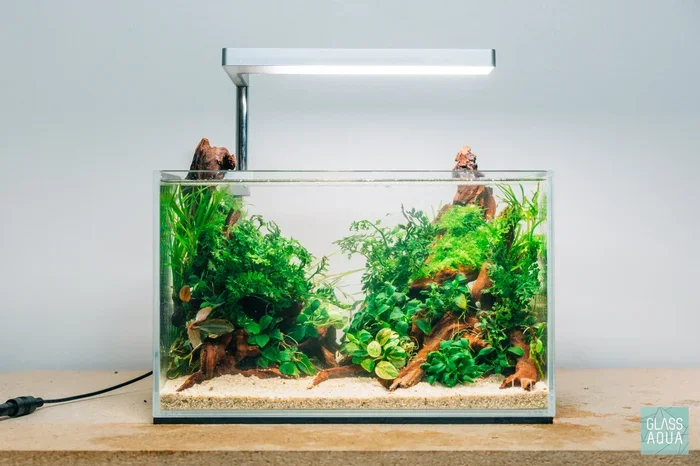
Most experts recommend keeping only one betta fish in a 1.5 gallon tank. While a single betta can survive in this small space, it is not ideal for long-term health. A 1.5 gallon tank limits swimming room, makes water maintenance harder, and increases stress. If you want your betta to thrive, consider upgrading to a larger tank whenever possible.
Key Takeaways
- One betta fish is the safe choice: A 1.5 gallon tank works for a single betta but offers very little room for extra fish.
- Water quality drops fast: Small tanks accumulate waste quickly, making regular water changes essential.
- Bettas need space to swim: Even though they are small fish, they need room to move and explore.
- Overcrowding leads to stress: Adding more fish to a 1.5 gallon tank can cause aggression and health problems.
- Upgrade when possible: A 5 gallon tank or larger gives your betta a much better quality of life.
- Filtration and heating matter: Even in a small tank, proper equipment helps keep your betta healthy.
📑 Table of Contents
- How Many Betta Fish in a 1.5 Gallon Tank
- Why Tank Size Matters for Betta Fish
- How Many Betta Fish Can You Keep in 1.5 Gallons
- Water Quality Challenges in a 1.5 Gallon Tank
- Can You Add Tank Mates to a 1.5 Gallon Betta Tank
- How to Set Up a 1.5 Gallon Betta Tank Properly
- Signs Your Betta Is Stressed in a Small Tank
- Upgrading from a 1.5 Gallon Tank
- Common Mistakes to Avoid with a 1.5 Gallon Tank
- Final Thoughts
How Many Betta Fish in a 1.5 Gallon Tank
If you are wondering how many betta fish in a 1.5 gallon tank, the short answer is one. Maybe none if you want the best for your fish. A 1.5 gallon tank is on the smaller side for any aquarium, and betta fish need more space than most people think. Let us break this down so you understand exactly why one is the magic number.
Betta fish are often sold in tiny cups at pet stores. This tricks people into thinking they can live happily in tiny spaces. But bettas are active swimmers. They explore, they hunt, and they need room to feel safe. A 1.5 gallon tank gives a single betta enough space to survive. It does not give enough space to truly thrive. If you care about your fish, you will want to understand the full picture.
In this guide, we will cover everything you need to know about keeping betta fish in a 1.5 gallon tank. We will talk about stocking limits, water quality, stress signs, and how to give your betta the best life possible. Whether you are a beginner or a seasoned fish keeper, this article will help you make the right choice for your betta fish tank size.
Why Tank Size Matters for Betta Fish
Tank size is one of the most important factors in betta fish care. Many new fish owners do not realize that small tanks come with big challenges. Let us look at why size plays such a huge role in your betta’s health and happiness.
The Problem with Small Tanks
In a small tank, water quality changes fast. Fish waste, uneaten food, and chemicals build up quickly. In a larger tank, these toxins get diluted. In a 1.5 gallon tank, there is no buffer. Even a small amount of waste can spike ammonia levels fast. This puts your betta under constant stress.
Small tanks also have less stable temperatures. Bettas need warm water between 76 and 82 degrees Fahrenheit. A tiny tank loses heat fast, especially without a proper heater. Temperature swings can make your fish sick over time. This is why many experienced aquarists say small tank setups are harder to maintain than bigger ones.
Swimming Space and Betta Behavior
Betta fish are not sedentary. They swim back and forth, explore their environment, and even build bubble nests near the surface. A 1.5 gallon tank gives your betta about 1.5 gallons of water to move around in. That is not a lot of room. Your fish may start showing signs of boredom or frustration if the space feels too cramped.
Have you ever noticed your betta glass surfing or pacing? These are signs of a bored or stressed fish. Do betta fish get bored in a tank is a common question, and the answer is yes, especially in small tanks. Giving your betta more space can reduce these behaviors and make for a happier, healthier fish.
How Many Betta Fish Can You Keep in 1.5 Gallons
This is the big question. And the honest answer depends on your goals. Let us look at the different scenarios clearly.
One Betta Fish
Keeping one betta in a 1.5 gallon tank is possible. It is the most common setup for this tank size. Your betta will have enough room to swim, eat, and rest. But it still falls short of the ideal betta fish habitat. Think of it as a studio apartment. It works. But it is not spacious.
If you go with one betta, you need to stay on top of water changes. A 1.5 gallon tank needs a partial water change at least once a week. Some owners do 50 percent changes twice a week to keep things clean. This keeps the water quality high and your fish stress-free.
Two or More Betta Fish
Can you keep two betta fish in a 1.5 gallon tank? No. This is a hard no. Male bettas are highly territorial. They will fight, and the results can be deadly. Female bettas can sometimes live together in groups, but a 1.5 gallon tank is far too small even for that setup.
Even if you are thinking about adding other small fish, a 1.5 gallon tank is not the right choice. Too many fish in a tiny space leads to overcrowding. Overcrowding causes aggression, disease, and poor water quality. Stick with one betta, or skip the tank entirely and upgrade to something bigger.
Water Quality Challenges in a 1.5 Gallon Tank
Maintaining clean water is the biggest challenge in any small tank. Here is what you need to know about keeping your betta fish health on track in a 1.5 gallon setup.
The Nitrogen Cycle in Small Tanks
Every tank goes through the nitrogen cycle. Fish waste turns into ammonia. Beneficial bacteria convert ammonia into nitrite, and then nitrite into nitrate. In a big tank, this process is stable. In a 1.5 gallon tank, it is fragile. One small mistake can throw off the entire cycle.
This is why many experts advise against keeping fish in tanks under 3 gallons. The tank capacity is simply too small to handle the biological load. If you already have a 1.5 gallon tank, you will need to test your water frequently. Use a liquid test kit to check ammonia, nitrite, and nitrate levels. Do not rely on test strips alone.
Water Change Schedule
Here is a simple maintenance routine for a 1.5 gallon tank:
- Weekly: Change 50 percent of the water with dechlorinated water at the right temperature.
- Bi-Weekly: Vacuum the gravel to remove debris and waste buildup.
- Monthly: Rinse filter media in old tank water, never tap water.
- Daily: Check the temperature and look for any signs of stress or illness.
Following this schedule will help your betta stay healthy. Skipping even one water change can cause a spike in toxins. And in a small tank, there is no margin for error.
Can You Add Tank Mates to a 1.5 Gallon Betta Tank
This is a question many new fish owners ask. The idea of adding a few small companions sounds fun. But in a 1.5 gallon tank, it is risky. Let us look at why.
Why Tank Mates Are Risky in Small Tanks
Adding other fish to a 1.5 gallon tank increases the bioload. More fish means more waste. More waste means worse water quality. Your betta may become aggressive if it feels crowded. Even peaceful fish need space to establish their own territory.
Also, consider that your betta is a solo fish by nature. Bettas do not need companions to be happy. In fact, most bettas do better alone. If you want to keep more fish, you need a bigger tank. A 5 gallon tank is the minimum recommended size for a betta with potential tank mates. To learn more about proper tank sizing, check out our guide on is a 5 gallon tank good for a betta fish.
Safe Alternatives to a 1.5 Gallon Setup
If you really want a community setup, consider upgrading. A 5 gallon tank gives you room for one betta and a few peaceful companions. Snails like nerite snails are great options because they do not add much waste. Small shrimp like cherry shrimp can also work in a larger tank.
Remember, your betta’s happiness matters more than fitting in extra fish. A stressed betta will not show off its beautiful colors. It may stop eating, hide constantly, or even develop fin rot. Give your fish the space it deserves.
How to Set Up a 1.5 Gallon Betta Tank Properly
If you have decided to keep your betta in a 1.5 gallon tank, here is how to set it up the right way. Proper setup makes a huge difference in your fish’s quality of life.
Essential Equipment
- Heater: A small aquarium heater rated for 1.5 to 5 gallons. Keep the temperature steady at 78 degrees Fahrenheit.
- Filter: A gentle sponge filter works best. Bettas do not like strong currents. A powerful filter can stress them out.
- Thermometer: A small adhesive thermometer helps you monitor temperature daily.
- Substrate: Fine gravel or sand works well. Avoid rough substrates that can damage betta fins.
- Decorations: Add a few plants and hiding spots. Live plants like java moss help absorb nitrates naturally.
Setting Up the Tank Step by Step
Start by rinsing the tank and substrate with clean water. Set up the heater and filter according to the manufacturer’s instructions. Fill the tank with treated water at the correct temperature. Add your decorations and plants. Let the tank run for 24 hours before adding your betta. This gives the filter time to start cycling and the temperature time to stabilize.
If you are unsure about water preparation, learn more about using different water types for your betta tank. Check out our article on can you use tap water in a betta fish tank for helpful tips on safe water choices.
Signs Your Betta Is Stressed in a Small Tank
Even in the best setup, a 1.5 gallon tank can cause stress over time. Watch for these warning signs:
- Clamped fins: Your betta holds its fins close to its body instead of spreading them.
- Loss of color: A healthy betta is vibrant. Dull colors often mean stress or illness.
- Refusing food: If your betta ignores food for more than two days, something is wrong.
- Hiding constantly: Bettas should explore their tank. Hiding all the time is a red flag.
- Rapid breathing: Fast gill movement can signal poor water quality or low oxygen.
If you notice any of these signs, do a water change immediately. Test your water parameters. If problems persist, consider upgrading to a larger tank. Your betta’s well-being always comes first.
Upgrading from a 1.5 Gallon Tank
The best thing you can do for your betta is to upgrade its home. A larger tank gives you more room for error, more stable water parameters, and a happier fish. Even moving from 1.5 gallons to 5 gallons makes a dramatic difference.
Many owners start with a small tank because of budget or space constraints. That is completely fine. But as you get more comfortable with betta care, plan to upgrade. Your fish will thank you with brighter colors, more energy, and a longer betta fish lifespan. A well-cared-for betta can live 3 to 5 years, sometimes even longer in a spacious tank.
To learn about how long bettas live in different tank sizes, read our article on how long do betta fish live in a 5 gallon tank. It covers the connection between tank size and longevity in detail.
Common Mistakes to Avoid with a 1.5 Gallon Tank
Even well-meaning betta owners make mistakes. Here are the most common ones to watch out for:
- Overfeeding: Small tanks collect uneaten food fast. Feed your betta 2 to 3 pellets once a day. Nothing more.
- Skipping water changes: There is no shortcut here. Small tanks need frequent maintenance.
- Adding too many fish: One betta is the limit. Do not add companions thinking your fish is lonely.
- Using the wrong filter: A strong filter creates too much current. Choose a gentle sponge filter.
- Ignoring temperature: Room temperature water is almost never warm enough for bettas. Always use a heater.
Avoiding these mistakes will keep your betta healthy and your tank running smoothly. Small tank setups require more attention, but they can work if you stay consistent.
Final Thoughts
So, how many betta fish in a 1.5 gallon tank? The answer is one. Just one. A 1.5 gallon tank can house a single betta comfortably, but it is not the ideal setup. If you want your betta to truly thrive, give it more space. A 5 gallon tank or larger is the gold standard for betta fish care.
Remember, your betta depends on you for everything. Tank size, water quality, diet, and temperature all play a role in your fish’s happiness. Do your best with what you have, and always look for ways to improve. Your betta will live a longer, healthier life because of it.
Take what you have learned here and put it into action. Whether you are setting up a new tank or improving an existing one, every small step counts. Your betta fish deserves a home where it can swim, explore, and show off its stunning colors every single day.
Frequently Asked Questions
Can two betta fish live in a 1.5 gallon tank together?
No. Two betta fish should never share a 1.5 gallon tank. Male bettas are territorial and will fight, often with fatal results. Even female bettas need more space than 1.5 gallons to coexist peacefully. Always keep one betta per tank.
What is the minimum tank size for a betta fish?
The minimum recommended tank size for a betta fish is 5 gallons. While a betta can survive in a 1.5 gallon tank, it is not ideal. A 5 gallon tank provides better water stability, more swimming room, and a healthier environment overall.
How often should I change the water in a 1.5 gallon tank?
You should change 50 percent of the water in a 1.5 gallon tank at least once a week. Some owners prefer to do two 50 percent changes per week to keep water parameters as stable as possible. Consistent maintenance is the key to a healthy betta.
Can a betta fish live without a filter in a 1.5 gallon tank?
A betta can survive without a filter, but it is not recommended. A gentle sponge filter helps maintain the nitrogen cycle and keeps the water cleaner. Without a filter, you will need to do water changes even more frequently to keep ammonia levels safe.
Do betta fish get bored in small tanks?
Yes, betta fish can get bored in small tanks. A 1.5 gallon tank limits movement and stimulation. Signs of boredom include glass surfing, lethargy, and fading colors. Adding plants and hiding spots helps, but a larger tank is the best solution.
Is a 1.5 gallon tank good for a betta fish long term?
A 1.5 gallon tank is acceptable for short-term housing, but not ideal long term. Over time, water quality challenges and limited space can affect your betta’s health and lifespan. Plan to upgrade to a 5 gallon tank or larger as soon as you can.