Is a Betta Fish Freshwater or Saltwater
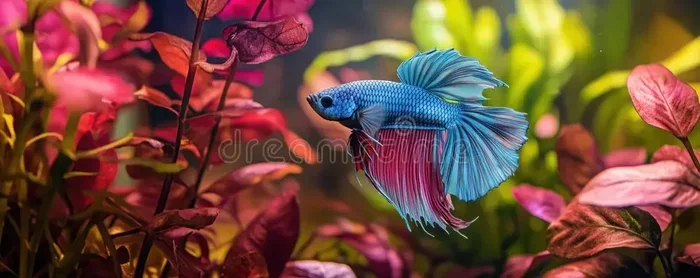
A betta fish is a freshwater species, not a saltwater fish. These beautiful tropical fish originate from the warm, slow-moving waters of Southeast Asia, where they thrive in freshwater rivers, ponds, and rice paddies. Understanding whether your betta needs freshwater or saltwater is the single most important step in providing proper care and ensuring a long, healthy life for your pet.
If you have ever wondered whether a betta fish is freshwater or saltwater, you are not alone. This is one of the most common questions new fish owners ask. The answer might surprise you if you have never kept bettas before.
Betta fish are freshwater fish through and through. They do not belong in saltwater tanks. These vibrant creatures evolved in the warm, slow-moving waters of Southeast Asia. Knowing this fact shapes everything about how you care for them. From the tank you choose to the food you feed, every decision starts with understanding their water needs.
In this guide, we will walk you through everything you need to know. You will learn where bettas come from, why they need freshwater, how to set up the perfect tank, and what mistakes to avoid. By the end, you will feel confident giving your betta the home they deserve.
Key Takeaways
- Betta fish are freshwater fish: They naturally live in freshwater environments and cannot survive in saltwater tanks.
- Their natural habitat includes warm, slow-moving waters: Rice paddies, streams, and ponds in Southeast Asia are their home turf.
- A proper freshwater tank setup is essential: The right temperature, filtration, and water parameters make all the difference.
- Saltwater is harmful to bettas: Putting a betta in saltwater can cause serious health problems and even death.
- Tank mates and environment matter: Choosing compatible fish and the right tank size supports your betta’s well-being.
- Regular water maintenance keeps bettas healthy: Consistent water changes and monitoring prevent common health issues.
📑 Table of Contents
Are Betta Fish Freshwater or Saltwater?
The simple answer is that betta fish are freshwater fish. They have never been saltwater fish. Bettas belong to the gourami family, and all members of this family live in freshwater environments. You will never find a wild betta swimming in the ocean.
Some people confuse bettas with saltwater fish because of their bright colors and flowing fins. But those stunning looks come from generations of breeding in freshwater conditions. The genetics of a betta are built for freshwater life. Their bodies, organs, and scales all function best in fresh water.
Here are some key facts to remember:
- Betta fish are 100% freshwater and cannot survive in saltwater
- They belong to the Anabantidae family, which is a group of freshwater fish
- Saltwater causes osmotic stress in bettas, leading to serious health problems
- Freshwater tanks mimic their natural environment and keep them healthy
Putting a betta in saltwater is one of the fastest ways to harm or kill your fish. Always stick with a freshwater setup. If you are curious about the differences between freshwater and saltwater fish, you can check out this guide on are betta saltwater or freshwater fish for more details.
Freshwater vs Saltwater: A Quick Comparison
| Feature | Freshwater | Saltwater |
|---|---|---|
| Natural Habitat | Rivers, ponds, rice paddies | Oceans and seas |
| Salinity Level | 0 ppt (no salt) | 30 to 35 ppt (high salt) |
| Suitable for Bettas | Yes | No |
| Osmotic Balance | Maintained naturally | Disrupted, causes stress |
| Health Impact on Bettas | Healthy and thriving | Harmful and potentially fatal |
| Tank Setup Complexity | Simple and affordable | Complex and expensive |
This table shows clearly why freshwater is the only option for bettas. Their entire biology is tuned to a freshwater existence. Saltwater tanks require different equipment, different fish species, and a completely different care routine.
The Natural Habitat of Betta Fish
To understand why bettas need freshwater, you need to know where they come from. Betta fish natural habitat plays a huge role in their care. These fish originated in the warm, shallow waters of Thailand, Cambodia, Vietnam, and other parts of Southeast Asia.
Where Do Wild Bettas Live?
Wild bettas live in rice paddies, floodplains, and slow-moving streams. They are used to warm, calm water with lots of plants. The water is usually shallow and slightly acidic. These conditions are very different from the harsh, salty ocean environment.
Bettas are also known as Siamese fighting fish. They earned this name because males are highly territorial. In the wild, they live alone in small spaces. This is why a single betta does great in a 5 gallon tank or larger. They do not need the company of other fish to feel comfortable.
In their natural habitat, bettas often live in very small pools of water. These can be as small as a few inches deep during the dry season. But these pools are still freshwater, rich with plant life and warm from the tropical sun. This gives you a clue about what your pet betta needs at home.
Why Freshwater Matters for Betta Survival
Freshwater is not just a preference for bettas. It is a biological necessity. Their bodies are designed to regulate salts and minerals in a freshwater environment. When you place them in saltwater, their cells start to lose water through osmosis. This leads to dehydration, organ failure, and eventually death.
Here is what their natural freshwater habitat looks like:
- Warm water temperatures between 76°F and 82°F
- Soft, slightly acidic water with a pH of 6.5 to 7.5
- Slow-moving or still water with plenty of hiding spots
- Dense vegetation and leaf litter on the bottom
- Low water flow since bettas are not strong swimmers
You can learn more about the ideal betta fish natural habitat and how to recreate it in your home aquarium. Matching their wild conditions in a freshwater setup is the best thing you can do for your pet.
How to Set Up a Freshwater Tank for Your Betta
Now that you know bettas are freshwater fish, let us talk about setting up their home. A proper freshwater tank setup makes a huge difference in your betta’s health and happiness. You do not need a complicated system. A simple, well-planned tank works wonders.
Choosing the Right Tank Size
Many people think bettas can live in tiny bowls. That is a myth. While bettas can survive in small containers short-term, they thrive in larger spaces. A 5 gallon tank is the minimum recommended size. A 10 gallon tank is even better if you have the space.
Larger tanks are easier to maintain too. They dilute waste products and keep water parameters more stable. This means less frequent water changes and a healthier environment for your fish. A bigger tank also gives your betta room to swim and explore, which keeps them active and engaged.
Water Temperature and Parameters
Bettas are tropical fish, so they need warm water. The ideal temperature range is between 76°F and 82°F. If the water drops below 74°F, your betta may become sluggish and prone to illness. You should use a heater to maintain a steady temperature.
Here are the key water parameters for a betta fish freshwater tank:
- Temperature: 76°F to 82°F (24°C to 28°C)
- pH level: 6.5 to 7.5
- Ammonia: 0 ppm
- Nitrite: 0 ppm
- Nitrate: Below 20 ppm
- Water hardness: Soft to moderately hard (3 to 10 dGH)
Keeping these parameters stable is one of the most important things you can do. Fluctuations in temperature or pH can stress your betta and lead to disease. You can find more detailed information about the best temperature for a betta fish tank in our dedicated guide.
Filtration and Water Flow
Bettas do not like strong water flow. Their long fins make it hard for them to swim against currents. Choose a filter with adjustable flow or use a sponge filter. The filter should provide gentle water movement without creating a strong current.
A filter also helps remove harmful toxins from the water. This reduces the need for frequent water changes. Just make sure the filter intake does not pull your betta in. A sponge pre-filter on the intake tube works great for this. It keeps your betta safe while still maintaining clean water.
Substrate, Lighting, and Decorations
Choose a soft substrate like fine gravel or sand. Bettas like to explore the bottom of the tank, and rough substrates can damage their delicate fins. Avoid sharp or rough decorations that could tear their flowing fins.
Moderate lighting works best for bettas. In the wild, they live under dense plant cover that filters the sunlight. You can replicate this with gentle LED lights or floating plants that create natural shade. Live plants like Java fern, Amazon sword, and anubias are excellent choices. They help maintain water quality and give your betta places to explore and rest.
Why Bettas Cannot Live in Saltwater
Some fish owners wonder if bettas can tolerate a small amount of salt in their freshwater tank. While some freshwater fish benefit from brackish conditions, bettas are not one of them. Let us look at why saltwater is harmful to bettas.
The Science Behind Osmotic Stress
In freshwater, a betta’s body naturally holds more salt than the surrounding water. Their kidneys work to push out excess water and retain salts. This balance keeps their cells healthy and functioning properly.
When you add salt to the water, this balance gets disrupted. The salt concentration outside the fish’s body rises. Water starts leaving the cells through osmosis. The betta’s organs struggle to function. Over time, this leads to severe health issues including kidney failure, bloating, and loss of equilibrium.
Signs Your Betta Is Uncomfortable
If your betta has been exposed to saltwater or too much aquarium salt, watch for these warning signs:
- Clamped fins held close to the body
- Loss of color or fading of vibrant hues
- Labored breathing or rapid gill movement
- Lethargy and lack of interest in food
- White spots or unusual patches on the body
- Floating at the surface or sinking to the bottom
If you notice any of these symptoms, test your water immediately. Remove any salt from the tank and perform a large water change. Fresh, clean water is the best medicine for your betta. Quick action can reverse mild exposure before lasting damage occurs.
For more information on keeping your betta in the right type of water, read about are male betta fish freshwater or saltwater to clear up common misconceptions.
Common Mistakes New Betta Owners Make
Even the best intentions can lead to mistakes. Many new betta owners make errors that affect their fish’s health. Here are the most common ones and how to avoid them.
Mistake 1: Keeping a Betta in a Tiny Bowl
A small bowl might look cute, but it is not a healthy home for a betta. Tiny volumes of water change temperature and chemistry quickly. This creates a stressful environment. A 5 gallon tank or larger gives your betta room to swim and stay healthy. Think of it this way: would you want to live in a closet your whole life?
Mistake 2: Using Cold Water
Bettas are tropical fish and need warm water. Room temperature water is usually too cold. An aquarium heater is essential. Without proper heating, your betta’s immune system weakens and they become vulnerable to illness. A simple heater and thermometer combo solves this problem easily.
Mistake 3: Adding Salt to a Freshwater Tank
Some owners add aquarium salt thinking it helps with fin rot or ich. While salt can be used in specific treatments under expert guidance, it should never be a permanent part of a betta’s freshwater tank. Always research before adding any additives to your tank. When in doubt, stick with plain freshwater.
Mistake 4: Overcrowding the Tank
Bettas are solitary fish. They do not need tank mates to be happy. In fact, adding other fish can cause stress and aggression. If you want companions, choose peaceful species that match the betta fish freshwater tank requirements. Learn more about compatible tank mates in our guide on what is a good tank mate for a betta fish.
Quick Tips for a Healthy Freshwater Betta
Here are some quick, actionable tips to keep your betta fish healthy and thriving in a freshwater environment:
- Test your water weekly. Use a liquid test kit to check ammonia, nitrite, nitrate, and pH levels. Knowledge is power when it comes to water quality.
- Perform partial water changes. Replace 25% to 50% of the water every one to two weeks. This removes built-up toxins and refreshes the tank.
- Keep the temperature stable. A reliable heater and thermometer are must-haves. Sudden temperature drops are one of the biggest causes of betta illness.
- Feed high-quality food. Use betta-specific pellets and occasional frozen or live foods like brine shrimp. Overfeeding is a common mistake, so feed small amounts once or twice a day.
- Avoid strong water flow. Choose a gentle filter or baffle the output to reduce current. Bettas prefer calm water.
- Add plants and hiding spots. This reduces stress and makes your betta feel safe. Silk plants work well if you prefer low-maintenance options.
- Watch for signs of illness. Early detection makes treatment much easier and more effective. A healthy betta is an active, colorful betta.
Following these simple steps goes a long way. Your betta will reward you with vibrant colors, active behavior, and a long, healthy life. Freshwater care is not complicated. It just requires consistency and attention.
Final Thoughts
So, is a betta fish freshwater or saltwater? The answer is clear: bettas are freshwater fish through and through. They evolved in the warm, shallow waters of Southeast Asia and their entire biology is built for freshwater life. Keeping them in saltwater causes serious harm and should never be done.
Setting up a proper freshwater tank is not complicated. You need the right size tank, a heater, a gentle filter, live plants, and consistent water maintenance. Avoid common mistakes like tiny bowls, cold water, and unnecessary salt additions. Your betta will thrive in a well-maintained freshwater environment.
If you are new to betta keeping, start with the basics and build from there. Every step you take toward better water quality and a comfortable habitat improves your fish’s life. For more information about betta care, check out our article on is a betta a tropical fish to deepen your understanding of these amazing creatures.
Remember, a happy betta is a healthy betta. Give them freshwater, give them warmth, and give them a little space to explore. You will have a beautiful, lively companion for years to come. The effort you put into their freshwater home pays off in color, energy, and companionship.
Frequently Asked Questions
Can a betta fish survive in saltwater?
No, a betta fish cannot survive in saltwater. Their bodies are designed for freshwater only. Saltwater causes osmotic stress that damages their organs and can lead to death within hours or days of exposure.
How long can a betta fish live in freshwater?
With proper care in a freshwater tank, a betta fish can live between 3 and 5 years. Some well-cared-for bettas have even lived longer. The key factors are clean water, stable temperature, and a nutritious diet.
Can I add aquarium salt to my betta tank for treatment?
You can add small amounts of aquarium salt for short-term treatment of certain illnesses, but it should never be a permanent addition. Always consult a veterinarian or experienced fish keeper before using salt in your betta tank.
What kind of water should I use for my betta fish?
Use dechlorinated tap water or filtered water for your betta tank. Avoid distilled water because it lacks essential minerals. Always treat tap water with a water conditioner to remove chlorine and chloramine before adding it to the tank.
Is a betta fish a tropical fish?
Yes, a betta fish is a tropical fish. They originate from the warm climates of Southeast Asia and need water temperatures between 76°F and 82°F to stay healthy. A reliable aquarium heater is essential for keeping a betta.
Can betta fish live with other fish in a freshwater tank?
Bettas can live with certain peaceful fish species in a freshwater tank, but they are generally best kept alone. Male bettas are especially territorial and may fight with other colorful or long-finned fish. Always research compatibility before adding tank mates.