Is Betta and Fighter Fish Same
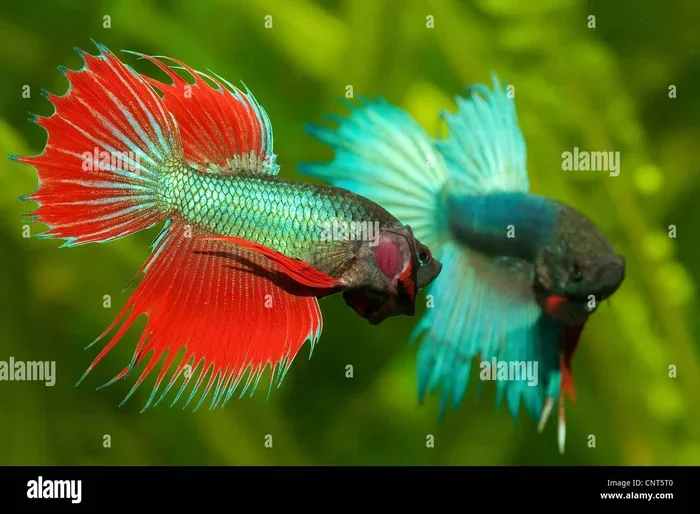
Yes, betta fish and fighter fish are the same species. The name “fighter fish” comes from their aggressive nature and their scientific name, Betta splendens. This guide covers everything you need to know about betta fish, their history, care, and why they earned the “fighter” nickname.
You may have heard people call them betta fish. You may have also heard them called fighter fish. So what is the real story? Are they the same creature or two different species? The short answer is yes, they are the same fish. But the full story is fascinating and worth exploring. In this guide, we will break down everything you need to know about the betta fish and why it carries the “fighter” name. Whether you are a new fish owner or just curious, this article has you covered.
The betta fish is one of the most popular freshwater aquarium fish in the world. People love their bright colors, flowing fins, and bold personalities. But many newcomers do not realize that the fish they buy at a pet store has a long and interesting history. These fish were once bred for fighting in Southeast Asia. That is where the name “fighter fish” comes from. Understanding this history helps you better understand the fish you keep at home.
Key Takeaways
- Same Fish: Betta and fighter fish refer to the exact same species, Betta splendens.
- Aggressive Reputation: The name “fighter” comes from their tendency to fight other males of the same species.
- Rich History: These fish have a long history in Southeast Asia, where they were bred for fighting contests.
- Easy Care: Betta fish care is straightforward, making them great for beginners and experienced fish keepers alike.
- Beautiful Varieties: Today’s pet bettas come in many stunning colors and tail types thanks to selective breeding.
- Tank Matters: A proper betta fish tank setup is essential for their health and happiness.
- Know Their Behavior: Understanding betta fish temperament helps you provide a better home for your pet.
📑 Table of Contents
- So Are Betta and Fighter Fish the Same?
- A Brief History of the Betta Fish
- Why Are Male Bettas So Aggressive?
- Different Types of Betta Fish
- Setting Up the Perfect Betta Fish Tank
- Common Health Issues and How to Prevent Them
- Feeding Your Betta Fish the Right Way
- Myths About Betta Fish
- How Long Do Betta Fish Live?
- Conclusion
So Are Betta and Fighter Fish the Same?
The simple answer is yes. Betta fish and fighter fish are the same species. Their scientific name is Betta splendens. The word “betta” comes from the genus name, and “fighter” describes their behavior. Male bettas are known to be aggressive toward other males. This is why they earned the nickname “fighting fish.” People in Thailand and other parts of Southeast Asia have observed this behavior for centuries.
Sometimes you might hear people use the terms “betta” and “fighter fish” interchangeably. This is completely normal and correct. Both names point to the same betta fish species. However, there is another fish called the “fighting fish” that is not a betta. This is the Macropodus opercularis, also known as the paradise fish. It is a different species entirely. So when someone says “fighter fish,” make sure you know which fish they mean. In most cases, they are talking about Betta splendens.
The Science Behind the Name
The genus name “Betta” actually comes from a Malay word. The word “ikan bettah” refers to a type of fish in the region. Scientists classified these fish under the genus Betta in the 19th century. The species name “splendens” means “shining” or “brilliant” in Latin. This is a perfect description of the vivid colors that male bettas display. So the full scientific name, Betta splendens, basically means “shining fighting fish.” That is quite a name for a small aquarium pet.
A Brief History of the Betta Fish
The history of the betta fish goes back hundreds of years. These fish are native to the warm, shallow waters of Southeast Asia. Countries like Thailand, Cambodia, Vietnam, and Malaysia are home to wild bettas. In the wild, they live in rice paddies, flood plains, and slow-moving streams. They are not picky eaters and can survive in tough conditions. This resilience is one reason they became so popular.
The Fighting Fish Tradition
In the 1800s, people in Siam (now Thailand) started breeding bettas for aggression. They would pit two male bettas against each other in a small container. People would place bets on which fish would win. This was a popular pastime among locals. The fish that fought the longest and the hardest were considered the best. Over time, breeders selected the most aggressive fish for breeding. This is how the fighting fish reputation was born.
The Siamese king recognized this tradition and even began regulating it. He required permits for fish fighting contests. This shows how important the practice was in the culture. The fish became a symbol of courage and bravery. Today, the betta fish is still a symbol of strength in Thai culture.
From Fighting Rings to Aquariums
In the early 1900s, a man named Pierre Carbonnier started importing bettas to Europe. He was fascinated by their colors and fins. He began breeding them for appearance instead of aggression. This was a turning point for the species. Over the decades, breeders around the world focused on developing beautiful fin shapes and vibrant colors. Today, the pet store betta looks very different from its wild ancestors. Modern betta fish varieties include crowntails, halfmoons, plakats, and doubletails.
Why Are Male Bettas So Aggressive?
Understanding betta fish temperament is key to keeping them healthy. Male bettas are naturally territorial. In the wild, they defend small areas of shallow water. When another male enters their space, they flare their gills and spread their fins. This makes them look bigger and more threatening. Most of the time, one fish will back down and swim away. Actual fights are rare in the wild because fish can retreat.
In a small tank, there is nowhere to retreat. This is why keeping two male bettas together is a bad idea. They will fight until one of them is injured or dies. This is the main reason they are called “fighter fish.” The aggression is instinctive and deeply wired into their behavior.
Do Female Bettas Fight Too?
Female bettas are less aggressive than males. They can sometimes live together in groups called “sororities.” However, even females can show aggression. You need to watch them carefully if you keep multiple females in one tank. A large tank with plenty of hiding spots helps reduce tension. If you want to learn more about keeping males and females together, check out our guide on can male and female betta fish be in the same tank.
Betta Aggression and Tank Mates
While male bettas fight with other males, they can sometimes live with other species. The key is choosing the right betta fish tank mates. Peaceful, small fish that do not nip fins are the best choices. Tetras, Corydoras catfish, and snails are popular options. Always monitor your betta when introducing new tank mates. Some bettas are more peaceful than others. If you are curious about specific pairings, our article on do betta fish and tetras get along covers this topic in detail.
Different Types of Betta Fish
One of the reasons betta fish are so popular is the incredible variety. Through selective breeding, hobbyists have created many different types. Each type has its own unique look and charm. Here are some of the most common betta fish types you will find.
- Crowntail: Fin rays extend beyond the webbing, giving a spiky crown appearance.
- Halfmoon: The tail spreads out to form a perfect 180-degree circle.
- Plakat: Shorter fins that look closer to the wild-type betta.
- Doubletail: Two separate caudal fins instead of one.
- Delta Tail: A wide, triangular tail shape that narrows at the base.
- Rosetail: Extra branching in the fins creates a rose-like pattern.
These are just a few examples. There are many more betta fish breeds out there. Colors range from solid red and blue to multi-colored patterns like marble, koi, and butterfly. Each fish has its own personality too. Some are bold and curious. Others are shy and like to hide. Knowing your fish’s personality helps you provide the best care.
Setting Up the Perfect Betta Fish Tank
A common myth is that bettas can live in tiny bowls. This is not true. While bettas can survive in small spaces, they thrive in larger ones. A proper betta fish tank setup makes a huge difference in their health and lifespan. Let us look at what you need.
Tank Size
Aim for at least a 5-gallon tank. This gives your fish room to swim and explore. A larger tank also helps keep water parameters stable. Small bowls heat up and cool down quickly. They also build up waste fast. A 5-gallon tank is the minimum. A 10-gallon tank is even better. If you want to keep tank mates, go even larger.
Water Conditions
Betta fish care starts with clean, warm water. The ideal temperature is between 76 and 82 degrees Fahrenheit. Use a heater to maintain a steady temperature. Bettas also prefer slightly acidic to neutral pH, around 6.5 to 7.0. Test your water regularly with a simple kit. Change 25 to 30 percent of the water each week. This keeps ammonia and nitrite levels low.
Filtration and Heating
Use a gentle filter that does not create strong currents. Bettas are not strong swimmers. A sponge filter works great because it provides biological filtration without a harsh flow. Pair this with a small aquarium heater. A thermometer helps you monitor the temperature daily. These simple steps go a long way in keeping your fish healthy and happy.
If you are wondering about gravel or substrate choices, we have a helpful guide on can you use the same gravel for betta and gold fish that covers substrate options in detail.
Common Health Issues and How to Prevent Them
Like all pets, bettas can face health problems. The good news is that most issues are preventable. Here are some of the most common problems you might encounter.
- Fin Rot: Caused by poor water quality. Signs include ragged or discolored fins. Fix it with regular water changes and clean tank conditions.
- Constipation: Happens when fish overeat or eat low-quality food. Feed a varied diet and skip one day of feeding each week.
- Ick (White Spot Disease): A parasitic infection that shows as white spots on the body. Raise the temperature slightly and treat with medication.
- Swim Bladder Disorder: Causes the fish to float sideways or sink. Often linked to overfeeding or poor diet.
Watching your fish daily helps you catch problems early. A healthy betta is an active, alert fish with bright colors and smooth fins. If you notice changes in behavior, check your water parameters first. Poor water quality is the root cause of most fish health issues.
Feeding Your Betta Fish the Right Way
Diet plays a big role in your fish’s health. In the wild, bettas eat insects, larvae, and small crustaceans. In captivity, they need a protein-rich diet. High-quality betta pellets should be the staple of their meals. You can also offer frozen or live foods like bloodworms and brine shrimp as treats.
Feed your betta two small meals per day. Only give what they can eat in two to three minutes. Overfeeding is one of the most common mistakes new fish owners make. Excess food fouls the water quickly. If you want to know whether bettas and goldfish can share the same food, check out our article on can betta fish and goldfish eat the same food.
Myths About Betta Fish
There are many myths surrounding betta fish. Let us clear up some of the most common ones.
Myth 1: Bettas can live in tiny bowls. False. They need at least a 5-gallon tank to thrive. Small bowls lead to stress and health problems.
Myth 2: Bettas do not need heaters. False. They are tropical fish and need warm, stable water temperatures.
Myth 3: Bettas are lazy fish. False. Bettas are curious and active. They may rest on plants or decorations, but this is normal behavior, not laziness.
Myth 4: Bettas cannot live with other fish. False. With the right tank setup and suitable tank mates, bettas can live peacefully with many species. Just avoid other aggressive or fin-nipping fish.
How Long Do Betta Fish Live?
The average betta fish lifespan is 3 to 5 years with proper care. Some bettas have been known to live up to 7 years in excellent conditions. The key factors that affect lifespan include water quality, diet, tank size, and stress levels. Buying from a reputable breeder also helps. Pet store bettas sometimes carry diseases or have poor genetics. A healthy start gives your fish the best chance at a long, happy life.
If you ever notice your betta behaving strangely, such as swimming back and forth or hiding frequently, it could be a sign of stress or illness. Check our guides on why is my betta fish swimming back and forth and why is my betta fish hiding and not eating for helpful insights.
Conclusion
To sum it all up, betta fish and fighter fish are the same species, Betta splendens. They got the “fighter” name from their aggressive behavior toward other males. But today’s pet bettas are bred for beauty and temperament, not fighting. These fish make wonderful companions for the right owner. They are colorful, interesting, and full of personality. With the right betta fish tank setup, proper diet, and regular care, your betta can live a long and healthy life. Understanding their history and behavior helps you become a better fish owner. So the next time someone asks if betta and fighter fish are the same, you will know the answer is a confident yes.
Frequently Asked Questions
Are betta fish and fighter fish the same species?
Yes, betta fish and fighter fish are the same species. Their scientific name is Betta splendens. The name “fighter fish” comes from their aggressive behavior, especially among males.
Why are betta fish called fighting fish?
Betta fish are called fighting fish because male bettas aggressively defend their territory. In Southeast Asia, people historically bred them for fighting contests. This tradition gave them the “fighter” nickname that stuck.
Can two male betta fish live together?
No, two male bettas should never be kept in the same tank. They will fight and can seriously injure or kill each other. Always keep only one male betta per tank.
Do female bettas fight?
Female bettas are less aggressive than males but can still show territorial behavior. They can sometimes live in groups called sororities in large tanks with plenty of hiding spots.
What is the difference between a betta fish and a goldfish?
Betta fish and goldfish are completely different species. Bettas are tropical fish that need warm water, while goldfish are coldwater fish. They also have very different care requirements and tank needs.
How can I tell if my betta fish is healthy?
A healthy betta has bright, vivid colors, smooth fins, and active swimming behavior. They should eat eagerly and respond to your presence. Dull colors, clamped fins, or lethargy can signal health problems.