Is Betta a Hardy Fish
So, is betta a hardy fish? Yes, bettas are known for their resilience and ability to survive in challenging conditions, which is why they remain one of the most popular freshwater aquarium pets worldwide. However, being hardy doesn’t mean they thrive in neglect. Proper betta fish care, including the right tank size, water temperature, and diet, plays a huge role in how long and how well your betta lives. This guide covers everything you need to know about betta fish hardiness and how to give your fish the best life possible.
If you have ever walked into a pet store and seen those vibrant, flowing-finned fish in tiny cups, you might have wondered, is betta a hardy fish. The short answer is yes. Bettas are among the most resilient freshwater fish you can keep. They survive in small containers, tolerate a range of water conditions, and bounce back from minor health issues that would felled other species.
But here is the thing. Surviving and thriving are two very different things. Many betta fish owners assume that because bettas are hardy, they can just toss the fish in any bowl and forget about it. That is a dangerous misconception. A betta that merely survives is not the same as a betta that is happy, colorful, and active.
In this article, we will explore what makes bettas hardy, what their natural survival traits are, and how you can use that knowledge to give your fish a much better life. Whether you are a complete beginner or a seasoned hobbyist, understanding betta fish care at a deeper level will help you become a better fish owner.
Key Takeaways
- Betta fish are naturally resilient: Their labyrinth organ allows them to breathe surface air, making them more forgiving of imperfect water conditions.
- Hardiness doesn’t mean neglect-proof: Even hardy fish need proper tank setup, clean water, and a balanced diet to truly thrive.
- Tank size and temperature matter: A heated, filtered tank of at least 5 gallons dramatically improves your betta’s quality of life.
- Betta fish lifespan can reach 5+ years: With good care, your betta can live a long, healthy life.
- Watch for signs of stress: Knowing what a healthy betta looks like helps you catch problems early.
- Compatibility is key: Choosing the right betta fish compatible tank mates reduces aggression and stress.
- Prevention beats treatment: Maintaining stable water parameters is the best way to keep your betta healthy.
📑 Table of Contents
What Makes Betta Fish Hardy?
Betta fish, also known as Siamese fighting fish, have evolved in some pretty tough environments. They are native to the warm, shallow waters of Southeast Asia, including rice paddies, flood plains, and slow-moving streams. These habitats can change quickly, with temperature swings and low oxygen levels. Over time, bettas developed special adaptations to handle these challenges.
The Labyrinth Organ
The single biggest reason bettas are considered a hardy fish species is their labyrinth organ. Most fish rely entirely on gills to extract oxygen from water. Bettas have something extra. Their labyrinth organ lets them breathe atmospheric air directly from the surface of the water. This means they can survive in oxygen-poor environments where other fish would suffocate.
This adaptation is incredible, but it does not mean you should skip aeration or filtration in your tank. Think of it as a backup system, not a replacement for good water quality. A well-oxygenated tank will always produce a healthier, more energetic betta.
Adaptability to Small Spaces
Another reason people consider bettas hardy is their ability to tolerate small spaces. In the wild, bettas often live in shallow puddles and rice paddies that are not very large. This gives them a degree of flexibility that many other tropical fish do not have.
However, small does not mean ideal. A 1-gallon bowl might keep a betta alive, but it will not help it thrive. If you want your betta to truly flourish, check out our guide on what is the best tank size for a betta fish. Bigger tanks provide more stable water parameters, better filtration, and more room for swimming and exploring.
How Long Can a Betta Fish Live?
One of the clearest signs of a hardy fish is its lifespan. Bettas are no exception. In the wild, bettas typically live around 2 to 3 years. But in captivity, with proper care, many bettas live 4 to 5 years, and some even reach 7 years or more.
If you want to understand the full picture of betta longevity, our article on how long is a betta fish life span dives deeper into the factors that influence how long your fish lives.
Factors That Affect Betta Lifespan
Several things determine how long your betta will live. Here are the most important ones:
- Tank size: Larger tanks provide more stable conditions and reduce stress.
- Water temperature: Bettas need warm water between 76°F and 82°F. Cold water weakens their immune system.
- Diet quality: A varied diet of pellets, frozen foods, and occasional treats keeps your betta healthy.
- Water changes: Regular maintenance prevents ammonia and nitrate buildup.
- Stress reduction: Avoid aggressive tank mates and sudden changes in environment.
The bottom line is that bettas have strong genetics for survival, but the environment you create determines whether those genetics translate into a long, healthy life.
Is a Betta a Tropical Fish?
Yes, bettas are tropical fish. They originate from warm climates and need heated water to stay healthy. Some people mistakenly believe bettas can live in room-temperature water because they are hardy. While bettas can tolerate slightly cooler temperatures for short periods, prolonged exposure to cold water will make them sick.
If you are unsure about the temperature requirements, our guide on what is the best temperature for a betta fish tank covers everything you need to know about keeping the water in the ideal range.
Why Temperature Matters for Hardiness
When a betta is kept at the right temperature, its immune system works properly, its metabolism stays balanced, and its colors stay vibrant. Cold water slows the fish down, suppresses its appetite, and opens the door to diseases like ich and fin rot.
On the other end of the spectrum, water that is too hot can also cause problems. High temperatures reduce oxygen levels in the water and stress the fish out. Keeping the temperature stable within the recommended range is one of the simplest ways to support your betta’s natural hardiness.
Common Health Issues and How Hardiness Helps
Even hardy fish get sick. Understanding common health problems helps you act fast and keep your betta healthy.
Fin Rot
Fin rot is one of the most common issues bettas face. It shows up as frayed or discolored fins. Poor water quality is usually the cause. Because bettas are hardy, mild cases often respond well to water changes and slight temperature adjustments. Severe cases may need medication.
White Spot Disease (Ich)
Ich appears as tiny white spots on the body and fins. It is caused by a parasite that thrives in stressed fish. A betta with a strong immune system can often fight off a mild ich infection. Raising the temperature slightly and maintaining clean water are the first steps in treatment.
Constipation
Betta fish are prone to constipation, especially if they eat too much or a diet lacking fiber. Signs include a swollen belly and difficulty swimming. Feeding shelled peas or fasting your betta for a day usually solves the problem quickly.
The takeaway here is that a hardy betta fish recovers faster from illness than a weaker species. But prevention through good care is always better than treatment.
How to Maximize Your Betta’s Resilience
Hardiness is not just something bettas are born with. You can actively boost your betta’s resilience through smart husbandry practices. Here is how.
1. Set Up a Proper Tank
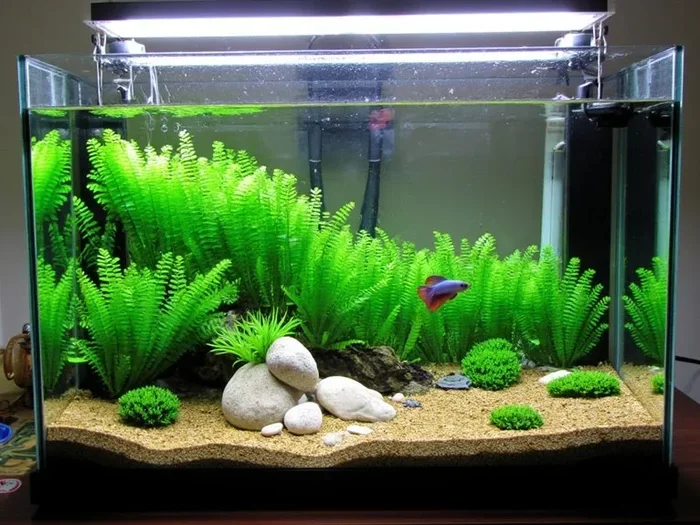
A proper tank setup is the foundation of a healthy betta. At minimum, use a 5-gallon tank with a heater and a gentle filter. Avoid strong filters that create too much current, as bettas are not strong swimmers. Add some plants and hiding spots to make your fish feel secure.
2. Keep Water Clean
Regular water changes are essential. Aim for a 25% water change every week. Test your water parameters regularly for ammonia, nitrite, and nitrate. Clean water is the single biggest factor in keeping your betta healthy and resilient.
3. Feed a Balanced Diet
High-quality betta pellets should form the base of your fish’s diet. Supplement with frozen or live foods like bloodworms and brine shrimp a few times a week. Avoid overfeeding, which leads to obesity and poor water quality.
4. Choose Compatible Tank Mates
Stress weakens any fish, including bettas. Choosing the right companions makes a big difference. Not all fish get along with bettas. If you want to add tank mates, research carefully. Our guide on what is a good tank mate for a betta fish can help you make safe choices.
5. Observe Your Fish Daily
Spend a few minutes each day watching your betta. Look for changes in color, appetite, swimming behavior, and breathing rate. Catching problems early gives your hardy fish the best chance of a full recovery.
When Hardiness Is Not Enough
Even the hardiest fish have limits. There are situations where a betta’s natural resilience simply cannot save it. Understanding these limits is important for every fish owner.
Neglecting water quality for weeks, keeping a betta in a tiny unfiltered bowl, or exposing the fish to extreme temperature swings will overwhelm even the toughest betta. Hardiness gives your fish a buffer, but it is not a license to skip basic care.
If your betta is showing signs of serious illness, do not wait. Act quickly. Our article on how to help a betta fish that is sick provides practical steps for common emergencies.
Final Thoughts on Betta Hardiness
So, is betta a hardy fish? Absolutely. Bettas are naturally resilient creatures with unique adaptations that help them survive tough conditions. Their labyrinth organ, adaptability, and strong genetics give them an edge over many other freshwater species.
But being hardy does not mean being invincible. Every betta deserves a proper home with clean water, stable temperature, good nutrition, and a stress-free environment. When you give your betta these basics, you unlock the full potential of their natural hardiness and set the stage for a long, vibrant life.
Take what you have learned here and apply it. Your betta fish will thank you with bright colors, active swimming, and years of companionship. That is the real reward of understanding and respecting the hardiness of these amazing fish.
Frequently Asked Questions
Are betta fish really that hardy compared to other fish?
Yes, bettas are significantly hardier than many popular aquarium fish. Their labyrinth organ and evolutionary history in shallow, variable habitats give them a natural advantage. However, they still need proper care to truly thrive, not just survive.
Can a betta fish live in a bowl without a filter?
A betta can survive in a bowl without a filter, but it will not thrive. Without filtration, water quality deteriorates quickly, leading to stress and disease. A filtered 5-gallon tank is the minimum recommendation for a healthy, happy betta.
How do I know if my betta fish is stressed?
Signs of stress include faded colors, clamped fins, loss of appetite, hiding constantly, and rapid breathing. If you notice these signs, check your water parameters and tank conditions immediately. A stressed betta is more vulnerable to illness.
What is the easiest betta fish care routine for beginners?
The easiest routine includes a 5-gallon heated tank, a gentle filter, weekly 25% water changes, a quality pellet diet, and daily observation. Keep the water temperature between 76°F and 82°F, and your betta will do well.
Do bettas need a heater even though they are hardy?
Yes, bettas absolutely need a heater. They are tropical fish and require warm, stable water temperatures. Room temperature water is usually too cold and can lead to health problems over time.
Can hardiness protect a betta from all diseases?
No. Hardiness gives bettas a stronger immune system, but it does not make them immune to disease. Poor water quality, bad diet, and stressful conditions can still make even the hardiest betta sick. Prevention through good care is always the best approach.