Is Beef or Fish Collagen Better
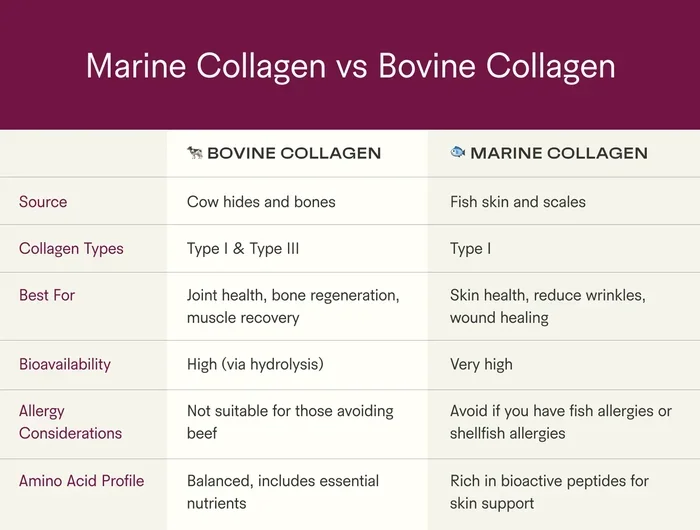
Is beef or fish collagen better for your health? The answer depends on your goals, since each source offers unique benefits for joint health, skin elasticity, and overall wellness. Fish collagen is known for its superior absorption rate, while beef collagen provides a broader range of collagen types that support different body systems.
When it comes to collagen supplements, two sources dominate the market: beef collagen and fish collagen. You have probably seen both sitting on store shelves or scrolling through health blogs. But which one actually delivers better results? That is the question we are going to answer today.
Many people wonder about is beef or fish collagen better because the choices can feel overwhelming. Both options promise younger-looking skin, stronger joints, and better gut health. But they work in different ways. Some people absorb fish collagen more easily, while others prefer the versatility of bovine collagen.
In this guide, we will break down everything you need to know. We will compare absorption rates, collagen types, sourcing practices, and real-world benefits. By the end, you will know exactly which collagen source fits your health goals. Let us dive in.
Key Takeaways
- Fish collagen absorbs faster: Marine-based collagen peptides have smaller particles, making them easier for your body to use.
- Beef collagen offers more types: Bovine collagen contains both Type I and Type III, which support skin, bones, and muscles.
- Source matters a lot: Grass-fed beef and wild-caught fish produce cleaner, more effective collagen supplements.
- Your goals determine the best choice: Skin and joint focus may favor fish collagen, while overall body support may lean toward beef collagen.
- Both are safe and effective: Neither option is universally superior — the right collagen supplement depends on your individual needs.
📑 Table of Contents
- What Is Collagen and Why Does It Matter?
- Fish Collagen: What You Need to Know
- Beef Collagen: What You Need to Know
- Fish Collagen vs. Beef Collagen: Head-to-Head Comparison
- Which Collagen Absorbs Better?
- How to Choose the Right Collagen for You
- Common Mistakes People Make When Choosing Collagen
- Expert Insights on Collagen Sources
- Final Verdict: So, Is Beef or Fish Collagen Better?
What Is Collagen and Why Does It Matter?
Collagen is the most abundant protein in your body. It acts like the glue that holds your skin, bones, tendons, and ligaments together. As you age, your natural collagen production drops. By the time you reach your 30s, your body starts making less collagen each year. This decline leads to wrinkles, joint stiffness, and weaker connective tissues.
That is where collagen supplements come in. They provide your body with the building blocks it needs to rebuild and maintain healthy tissues. But not all collagen is created equal. The source of your collagen — whether beef or fish — changes how your body uses it.
Collagen peptides are the broken-down form used in supplements. These smaller particles make it easier for your gut to absorb them. Both beef and fish collagen go through a process called hydrolysis, which splits large collagen molecules into smaller, more usable pieces. The key difference lies in the types of collagen each source provides and how well your body can put them to work.
Fish Collagen: What You Need to Know
Where Does Fish Collagen Come From?
Fish collagen comes from the skin, scales, and bones of fish. Most marine collagen is sourced from cod, snapper, tilapia, and other fish species. The extraction process removes the collagen from fish waste products, which makes it a sustainable choice for eco-conscious consumers.
Fish collagen is rich in Type I collagen, which is the same type found in your skin, tendons, and bones. This makes it a popular choice for people focused on skin elasticity and anti-aging benefits. The peptides in fish collagen are also smaller in size, which means they pass through your intestinal wall more easily.
Benefits of Fish Collagen
- Better absorption: Fish collagen peptides are smaller, so your body takes them in faster. This is one reason many people choose marine collagen over other sources.
- Skin health support: Type I collagen directly supports the structure of your skin. Studies suggest it may reduce the appearance of fine lines and improve hydration.
- Joint comfort: Fish collagen may help reduce joint discomfort by supporting cartilage repair and reducing inflammation.
- Sustainable sourcing: Using fish byproducts reduces waste and makes marine collagen a more environmentally friendly option.
- Low allergen risk: Fish collagen is free from common allergens found in bovine sources, making it a safer option for people with beef sensitivities.
Limitations of Fish Collagen
Fish collagen mainly provides Type I collagen. While this is great for skin and joints, it does not cover Type III collagen, which supports your muscles, blood vessels, and organs. If you are looking for a broad-spectrum collagen supplement, fish collagen alone may not be enough. Also, people with fish allergies should obviously avoid this source entirely.
Beef Collagen: What You Need to Know
Where Does Beef Collagen Come From?
Beef collagen, also called bovine collagen, comes from the skin, bones, and connective tissues of cows. The collagen is extracted and hydrolyzed into peptides that your body can use. Most grass-fed beef collagen comes from cows raised on pasture, which many people believe produces a cleaner and more nutrient-dense product.
Bovine collagen contains both Type I and Type III collagen. This combination makes it a versatile supplement that supports multiple body systems at once. Type I works on your skin, bones, and tendons, while Type III supports your muscles, blood vessels, and digestive tract.
Benefits of Beef Collagen
- Broad collagen coverage: With both Type I and Type III, beef collagen supports skin, joints, muscles, and gut health in one supplement.
- Gut health support: The gelatin in beef collagen may help soothe and repair the gut lining, which is great for digestive health.
- Bone strength: Bovine collagen provides the amino acids glycine and proline, which are essential for maintaining strong bones.
- Muscle recovery: Athletes and active individuals often use beef collagen to support muscle repair after workouts.
- Widely available: Beef collagen supplements are more common and often more affordable than marine options.
Limitations of Beef Collagen
Beef collagen peptides are generally larger than fish collagen peptides. This means your body may not absorb them as quickly or efficiently. Some people also worry about the quality of the cattle source, especially if the collagen comes from conventionally raised cows treated with hormones or antibiotics. Always look for third-party tested bovine collagen from reputable brands.
Fish Collagen vs. Beef Collagen: Head-to-Head Comparison
Let us put this into perspective with a direct comparison. Understanding the differences helps you make a confident choice.
| Factor | Fish Collagen | Beef Collagen |
|---|---|---|
| Collagen Types | Type I | Type I and III |
| Absorption Rate | Higher (smaller peptides) | Moderate (larger peptides) |
| Best For | Skin, joints, anti-aging | Skin, joints, gut, bones, muscles |
| Sustainability | High (uses fish byproducts) | Moderate (depends on farming practices) |
| Allergen Risk | Fish allergies | Beef sensitivities, hormones |
| Price Range | Usually higher | Usually more affordable |
| Sourcing | Wild-caught fish preferred | Grass-fed cows preferred |
If you are specifically looking at is beef or fish collagen better for skin health, fish collagen has a slight edge because of its superior bioavailability. But if you want overall body support, beef collagen offers a wider range of benefits thanks to its dual collagen type profile.
Which Collagen Absorbs Better?
Absorption is one of the most important factors when choosing a collagen supplement. Your body can only benefit from collagen if it can actually absorb and use it. Here is where the comparison gets really interesting.
Fish collagen peptides have a lower molecular weight compared to beef collagen peptides. What does this mean in plain language? It means the particles are smaller and can pass through your intestinal wall more easily. This leads to faster and more efficient collagen absorption. Studies have shown that marine collagen can be absorbed up to 1.5 times more effectively than bovine collagen in some cases.
However, absorption is not the whole story. Your body also needs the right amino acid profile to build collagen effectively. Both fish and beef collagen provide the essential amino acids glycine, proline, and hydroxyproline. The difference is in the ratios and the types of collagen they deliver.
If you want the fastest results for skin and joint support, fish collagen is a strong contender. If you want comprehensive support for multiple body systems, beef collagen gives you more bang for your buck with its dual collagen type coverage.
How to Choose the Right Collagen for You
Choosing between beef and fish collagen comes down to your personal health goals and lifestyle. Here are some quick tips to help you decide.
Choose Fish Collagen If…
- Your primary goal is improving skin elasticity and reducing signs of aging.
- You want faster absorption and quicker results.
- You prefer a sustainable, eco-friendly supplement option.
- You have a beef allergy or sensitivity.
- You are focused mainly on joint health and mobility.
Choose Beef Collagen If…
- You want support for skin, joints, gut, bones, and muscles all at once.
- You prefer a more affordable collagen supplement option.
- You are looking for gut health and digestive support.
- You want a broader range of collagen types in one supplement.
- You tolerate dairy and beef products well.
Quick Tips for Maximizing Collagen Benefits
- Always pair your collagen supplement with vitamin C. This vitamin plays a crucial role in collagen synthesis and helps your body use the collagen more effectively.
- Choose hydrolyzed collagen peptides for the best absorption. This form is already broken down and ready for your body to use.
- Look for third-party tested products. This ensures purity and that the collagen comes from clean, quality sources.
- Be consistent. Collagen benefits build over time, so take your supplement daily for at least 8 to 12 weeks to see real results.
- Combine collagen with a healthy diet rich in fruits, vegetables, and protein for the best outcomes.
Common Mistakes People Make When Choosing Collagen
Many people buy collagen supplements without thinking through their choices. Here are some common mistakes you should avoid.
Mistake 1: Picking based on price alone. The cheapest collagen supplement is not always the best. Quality sourcing, hydrolysis process, and third-party testing matter more than a low price tag.
Mistake 2: Ignoring the collagen type. Not all collagen is the same. If you need skin and joint support, make sure your supplement contains the right collagen types for those goals. If you want to compare specific sources, check out our detailed guide on which collagen is better fish or beef for more in-depth analysis.
Mistake 3: Not checking the source. Collagen from conventionally raised animals may contain hormones, antibiotics, or other contaminants. Always choose grass-fed beef collagen or wild-caught fish collagen when possible.
Mistake 4: Expecting overnight results. Collagen is not a magic pill. It takes weeks of consistent use to see noticeable changes in your skin, joints, or gut health. Set realistic expectations and stick with your routine.
Mistake 5: Forgetting about vitamin C. Without adequate vitamin C, your body struggles to synthesize collagen effectively. A simple citrus fruit or a vitamin C supplement can make a big difference.
Expert Insights on Collagen Sources
Nutrition experts generally agree that both fish and beef collagen have legitimate benefits. The best choice depends on your individual health goals, dietary restrictions, and budget. Many experts recommend starting with fish collagen for people focused on skin and joint health, while suggesting beef collagen for those seeking broader body support.
Some practitioners even recommend stacking both types. This means taking fish collagen for its superior absorption and Type I benefits, while adding a small amount of beef collagen for the extra Type III support. This approach gives you the best of both worlds. However, for most people, choosing one high-quality source and sticking with it consistently is the smartest strategy.
If you are still unsure about which source to pick, consider your primary health goal. For pure skin and joint support, fish collagen wins on absorption. For overall body maintenance, beef collagen offers more variety. You can also read our comparison of fish collagen vs bovine collagen to explore this topic further.
Final Verdict: So, Is Beef or Fish Collagen Better?
The honest answer is that neither option is universally better. Both beef collagen and fish collagen bring real, science-backed benefits to the table. The right choice depends entirely on what you are trying to achieve and how your body responds.
If fast absorption and skin-focused benefits matter most to you, fish collagen is your best bet. If you want a versatile supplement that supports your entire body — from skin to gut to bones — beef collagen is the stronger all-around choice. And if you have the budget, combining both sources gives you comprehensive coverage.
Whatever you choose, prioritize quality. Look for hydrolyzed collagen peptides from reputable brands that test for purity and heavy metals. Your health is worth investing in the right product.
Remember, the best collagen supplement is the one you will take consistently. Pick a source that fits your lifestyle, pair it with vitamin C, and give it time to work. Your body will thank you for it.
For those curious about how collagen compares to other supplements, check out our article on collagen vs fish oil to understand the differences between these popular health supplements.
Frequently Asked Questions
Can you take both fish and beef collagen together?
Yes, taking both types together can give you a broader range of collagen types and amino acids. Fish collagen provides Type I for skin and joints, while beef collagen adds Type III for muscles and gut support. Just make sure to follow the recommended dosages on each product.
How long does it take to see results from collagen supplements?
Most people start noticing improvements in skin hydration and joint comfort after 8 to 12 weeks of consistent daily use. Results vary based on your age, diet, and the quality of the collagen supplement you choose.
Is fish collagen better for skin than beef collagen?
Fish collagen is often considered better for skin because it has smaller peptides that absorb more quickly. Its high concentration of Type I collagen directly supports skin structure and elasticity. That said, beef collagen also supports skin health through its Type I content.
Are there any side effects of taking collagen supplements?
Collagen supplements are generally safe for most people. Some may experience mild digestive discomfort, bloating, or a feeling of fullness when first starting. Choosing a high-quality, hydrolyzed collagen product reduces the risk of side effects significantly.
What should I look for when buying a collagen supplement?
Look for hydrolyzed collagen peptides, third-party testing, clean sourcing (grass-fed or wild-caught), and no unnecessary fillers or artificial additives. These factors ensure you are getting a pure, effective product that your body can actually use.
Is collagen better than gelatin?
Collagen peptides and gelatin come from the same source but are processed differently. Collagen peptides are more broken down and absorb faster, making them more effective as a supplement. Gelatin dissolves in hot liquids and is great for cooking, but it is not as easily absorbed by your body.