Why Do Betta Fish Like to Hide
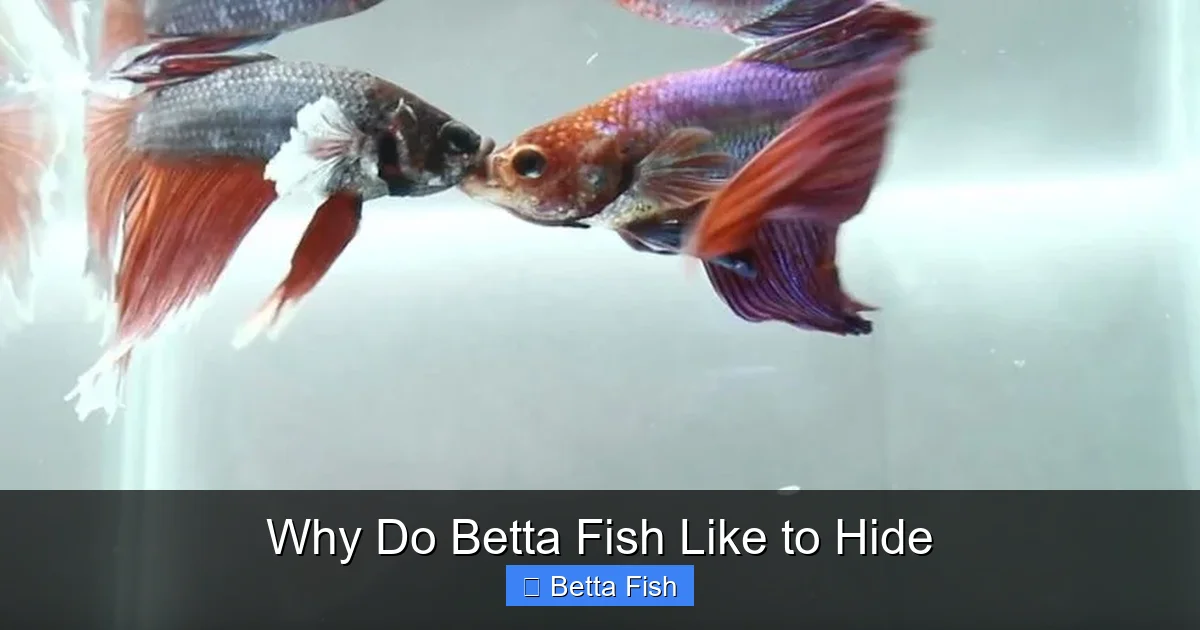
Betta fish often seek out hidden corners because it’s their natural instinct to stay safe, reduce stress, and regulate temperature. By understanding these reasons and providing proper tank décor, you can create a comfortable environment that keeps your betta happy and healthy.
Key Takeaways
- Instinctual safety: Hiding mimics the wild habitat where bettas escape predators.
- Stress reduction: A secure hideout lowers cortisol levels and prevents aggression.
- Temperature regulation: Shadows help bettas maintain their preferred warmth.
- Territorial behavior: Hiding spots define personal space, especially when alone.
- Tank setup matters: Live plants, caves, and driftwood give bettas optimal hideaways.
- Health indicator: Excessive hiding can signal illness or poor water quality.
- Enrichment tip: Rotate décor periodically to keep curiosity alive.
📑 Table of Contents
- Introduction: The Secret Life of a Betta
- 1. Natural Instincts: Safety First
- 2. Stress Reduction and Mental Health
- 3. Temperature Regulation and Comfort
- 4. Territorial Behavior and Personal Space
- 5. Health Indicator: When Hiding Means Trouble
- 6. Designing the Perfect Hiding Spot
- 7. Enrichment: Keeping the Hiding Fun
- Conclusion: Embrace the Hide-and-Seek
Introduction: The Secret Life of a Betta
Imagine you’re a tiny fish with bright, flowing fins, living in a world full of bright lights, bustling tank mates, and constant movement. That’s the daily reality for many betta fish kept in home aquariums. While their dazzling colors and flamboyant fins often steal the spotlight, there’s a quieter side to these creatures that many owners overlook: their love of hiding.
In the wild, the Siamese fighting fish (Betta splendens) prowls shallow rice paddies, dense vegetation, and muddy pools where predators lurk around every leaf. Those natural instincts travel with them into our tanks, prompting the question that sparked this article: why do betta fish like to hide? The answer is a blend of survival, comfort, and personality. Understanding it helps you design a tank that feels like home rather than a fish‑bowling alley.
1. Natural Instincts: Safety First
Predator avoidance in the wild
In their native habitats of Thailand and Cambodia, bettas face birds, larger fish, and even amphibians. The safest strategy is to stay out of sight. They learned to slip behind reeds, under floating leaves, and into tiny crevices. Those same instincts surface in captivity, even when the only “predator” is a curious human.
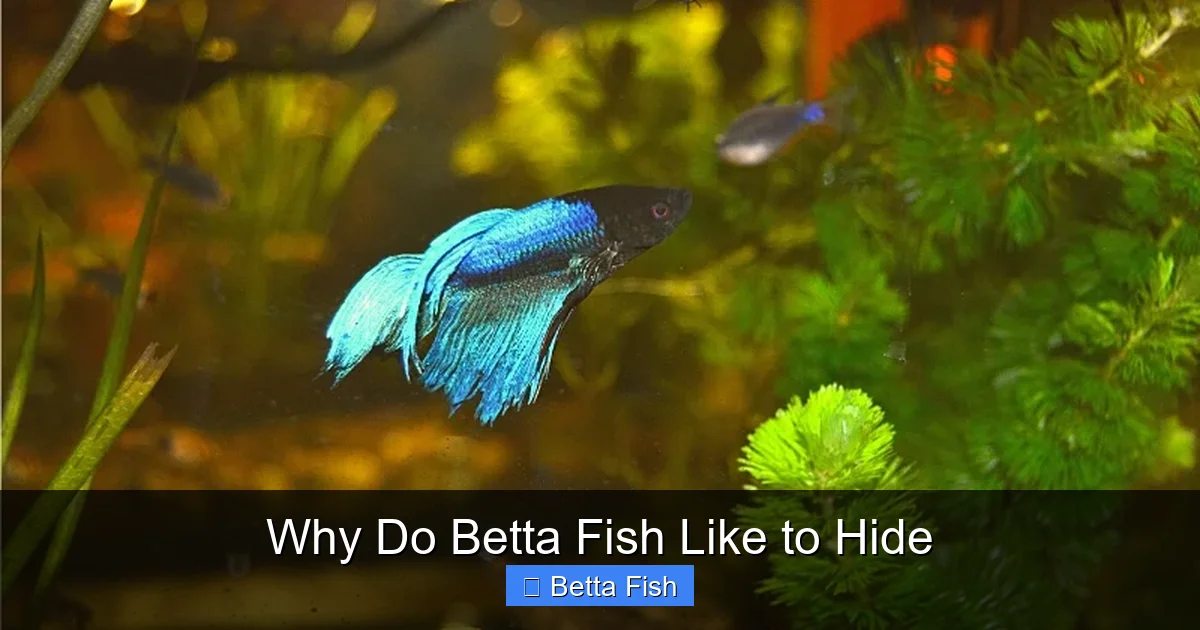
Visual guide about Why Do Betta Fish Like to Hide
Image source: infishtank.com
How this translates to a home tank
When you first introduce a betta to a bare glass bowl, you’ll often see frantic flaring and frantic swimming. It’s not just excitement; it’s a search for a place to feel secure. Adding a simple PVC pipe, a piece of driftwood, or a live plant gives the fish a familiar refuge and instantly reduces stress.
2. Stress Reduction and Mental Health
Why hiding calms a betta
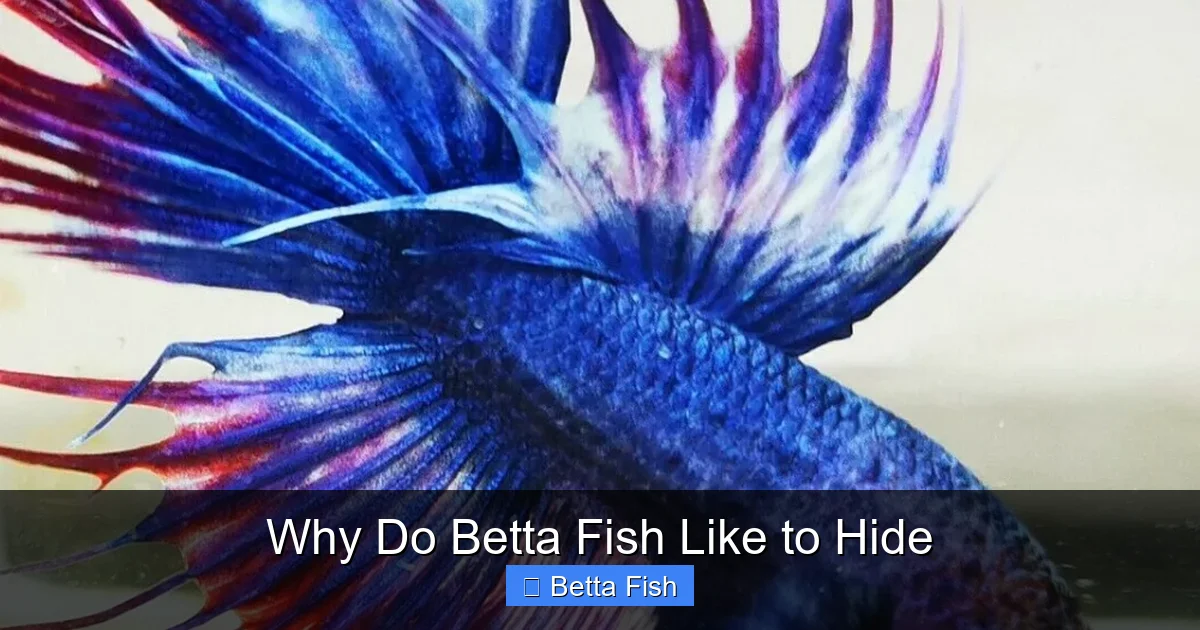
Stress in fish shows up as rapid breathing, faded colors, and a tendency to hide. By providing a shelter, you give the betta a “safe zone” where it can relax, rest, and even sleep. A calm betta will display brighter colors, more active swimming, and healthier fins.
Visual guide about Why Do Betta Fish Like to Hide
Image source: i.pinimg.com
Link to related topic
For a deeper dive into how a betta’s environment influences its peace of mind, read our guide on why betta fish need to be alone. Solitude and a private hideout often go hand‑in hand.
3. Temperature Regulation and Comfort
The role of shadows
Betta fish are tropical, thriving at temperatures between 76°F and 82°F (24°C‑28°C). Warm water rises, creating slight temperature gradients near the surface. Dark, shaded areas stay a degree or two cooler, offering a comfortable spot when the tank gets a bit warm.
Visual guide about Why Do Betta Fish Like to Hide
Image source: aquariumpub.com
Practical tip
Place a piece of black slate or a dark cave in the upper third of the tank. Your betta will learn to retreat there during peak temperature periods, helping it maintain a stable body temperature without you having to adjust the heater constantly.
4. Territorial Behavior and Personal Space
Why bettas guard their domain
Male bettas are famously territorial. In the wild, they defend a specific stretch of water that includes a bubble nest site. When you give a betta a clear territory with a hideout, you’re actually giving it a “home base.” This reduces the urge to constantly patrol the entire tank, which can be exhausting.
Connecting to another article
If you’re curious about the natural nesting behavior that fuels this territorial instinct, check out why do betta fish make bubble nests. The same desire to protect a space translates into a love of hiding.
5. Health Indicator: When Hiding Means Trouble
Spotting red flags
While hiding is normal, excessive or frantic hiding can signal problems:
- Water quality issues: High ammonia or nitrite levels irritate gills, prompting the fish to seek refuge.
- Illness: Dropsy, fin rot, or internal infections make a betta sluggish and prone to staying hidden.
- Improper diet: Over‑ or under‑feeding can cause digestive upset, leading to a reclusive fish.
Regular water tests and a balanced diet are essential. If your betta suddenly disappears behind décor and rarely emerges, it’s time to test the water and check for signs of disease.
6. Designing the Perfect Hiding Spot
Choosing the right décor
Not all hideouts are created equal. Here’s what to look for:
- Size: The opening should be large enough for the betta to slip through but small enough to feel “cozy.” A 2‑inch tunnel works for most adults.
- Material: Natural materials like smooth driftwood, ceramic caves, or live plants are safest. Avoid sharp edges that could tear delicate fins.
- Placement: Position hideouts near the water surface for bubble‑nesting males, or at the bottom for shy females.
Live plants – nature’s hideaway
Live plants not only improve water quality but also create a jungle‑like environment. Species such as Java fern, Anubias, and Marimo moss balls are sturdy, low‑maintenance, and provide perfect leaf‑cover for a shy betta.
Want ideas on plant selections? Our article what do betta fish like in their tank breaks down the best options for both aesthetics and fish comfort.
DIY hideout projects
If you love a hands‑on approach, try these simple DIY ideas:
- Clay pot cave: Turn an unglazed clay pot upside down, drill a small hole, and sand any rough edges.
- PVC tunnel: Cut a 4‑inch PVC pipe lengthwise, sand the edges, and place it horizontally on the tank floor.
- Leaf pile: Use a bunch of fresh Indian almond leaves; they decompose slowly, releasing tannins that calm bettas.
7. Enrichment: Keeping the Hiding Fun
Rotate décor to spark curiosity
Bettas are intelligent; they love exploring new spaces. Every few weeks, move a plant or change the orientation of a cave. This subtle shift mimics the changing environment of a wild paddie and prevents boredom.
Interactive play
Use a soft, floating wand with a tiny mirror or a piece of lettuce to encourage your betta to peek out of its hideout. Always keep sessions short—five minutes at most—to avoid overstimulation.
Conclusion: Embrace the Hide-and-Seek
Understanding why do betta fish like to hide unlocks a whole new level of care. By honoring their instinctual need for safety, providing temperature‑stable shadows, and creating a territory they can call their own, you set the stage for a vibrant, confident fish that flaunts its colors proudly.
Remember, a well‑hid betta is a happy betta. Keep the water clean, the décor varied, and the temperature steady, and you’ll watch your finned companion thrive—whether it’s fluttering at the surface or silently surveying its kingdom from a cozy nook.
Frequently Asked Questions
Why does my betta hide most of the time?
Frequent hiding usually means the fish feels unsafe, stressed, or the water conditions aren’t ideal. Check temperature, water quality, and provide a secure hideout.
Can a betta hide too much?
Yes. If a betta never leaves its shelter, it may be ill or experiencing poor water conditions. Test the water and observe for other signs of disease.
What type of hideout is best for a betta?
Natural, smooth‑sided caves, driftwood, or dense live plants work best. The opening should be just large enough for the fish to enter comfortably.
Do bettas need a specific temperature to feel comfortable hiding?
Betas prefer 76‑82°F (24‑28°C). A shaded hideout can help them regulate temperature if the tank gets slightly warm.
How often should I change the décor for my betta?
Every 2‑3 weeks is a good rule. Rotating plants or moving a cave keeps the environment stimulating without causing stress.
Is hiding a sign that my betta is ready to breed?
Not necessarily. While males may hide near a bubble nest when ready to breed, hiding alone isn’t a reliable breeding indicator. Look for flaring, building a bubble nest, and increased activity instead.