How to Use Betta Fish Water Conditioner
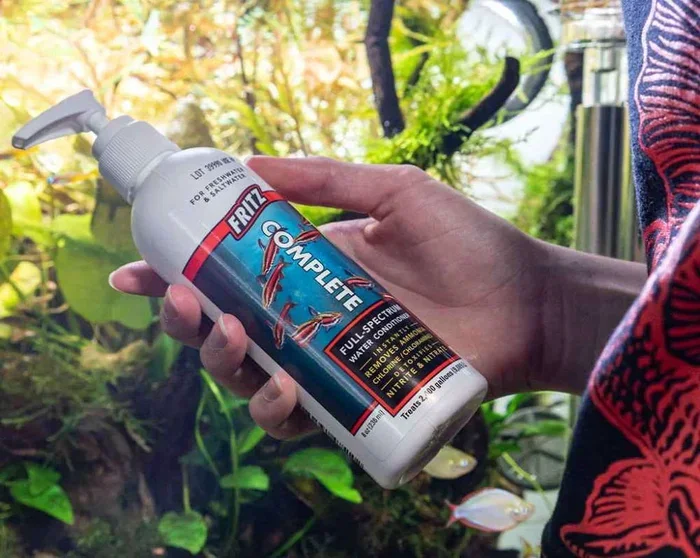
Using betta fish water conditioner is one of the simplest yet most important steps in keeping your betta healthy. This guide walks you through everything you need to know, from choosing the right product to applying it correctly during every water change. You will learn how water conditioner removes harmful chemicals, protects your fish, and creates a safe environment for your betta to thrive.
Keeping a betta fish healthy goes beyond picking the right tank and feeding quality food. One of the most important tasks any betta owner can do is condition the water before adding it to the tank. Tap water contains chemicals like chlorine and chloramine that can seriously harm your fish. A good betta fish water conditioner neutralizes these threats and makes the water safe. In this guide, we will walk you through everything you need to know about how to use betta fish water conditioner effectively.
Water conditioner is a liquid additive that you mix into your aquarium water. It works by neutralizing harmful substances found in tap water. Without it, these chemicals can damage your betta’s gills, skin, and internal organs. Even small amounts of chlorine over time can cause stress and disease. Using conditioner every time you add new water is a simple habit that can add years to your betta’s life.
## Why Betta Fish Need Water Conditioner
Tap water is treated at municipal water treatment plants to make it safe for humans. One of the ways they do this is by adding chlorine or chloramine. These chemicals kill bacteria and pathogens in the water. But they are also harmful to fish and other aquatic creatures.
Betta fish are especially sensitive to water quality. They live in warm, shallow environments in the wild. Their natural habitat has clean, soft water. When you introduce tap water with chlorine into their tank, it strips away their protective slime coat. This makes them vulnerable to infections and parasites.
### What Harmful Chemicals Are in Tap Water?
Understanding what is in your tap water helps you appreciate why conditioning tap water is so important. Here are the main culprits:
- Chlorine: Added to kill bacteria. It irritates fish gills and can cause breathing problems.
- Chloramine: A combination of chlorine and ammonia. It is more stable and harder to remove than chlorine alone.
- Heavy Metals: Metals like copper, lead, and zinc can leach from pipes into your water supply.
- Phosphates: Often present in tap water and can promote algae growth in your tank.
These substances may be safe for humans in small amounts, but they build up quickly in a small betta tank. A water conditioner for betta fish neutralizes all of these harmful elements in seconds.
## How to Choose the Right Water Conditioner
Not all water conditioners are created equal. The market is full of products, and choosing the right one can feel overwhelming. Here is what to look for when selecting a water conditioner for your betta fish.
### Look for Dechlorinator and Detoxifier Properties
The best aquarium water conditioner does more than just remove chlorine. It should also detoxify heavy metals and neutralize ammonia. Some conditioners go a step further by adding beneficial electrolytes that support your betta’s slime coat.
### Check the Dosage Instructions
Different products have different concentrations. Always read the label carefully. Most conditioners will tell you how much to use per gallon of water. If you have a small bowl or a large tank, the amount will vary. Using too little will not protect your fish. Using too much is generally safe but a waste of product.
### Choose a Product Suited for Tropical Fish
Betta fish are tropical fish. Some water conditioners are formulated specifically for tropical aquariums. These products often include extra ingredients that support warm water environments. If you are wondering, can I use betta water conditioner for tropical fish? The answer is yes, but a conditioner designed for tropical tanks is ideal.
### Popular Brands to Consider
Here are some well-known brands that work well for betta fish:
- Aqueon Water Conditioner: A popular choice that removes chlorine and detoxifies heavy metals effectively.
- Seachem Prime: A highly rated conditioner that neutralizes chlorine, chloramine, and ammonia.
- API Tap Water Conditioner: Affordable and easy to use, great for beginners.
If you have used Aqueon before, you might wonder, can I use Aqueon water conditioner for my betta fish? Absolutely. Aqueon is a trusted brand that works well for bettas and other tropical species.
## Step-by-Step Guide to Using Betta Fish Water Conditioner
Now that you know why conditioner matters and how to pick the right one, let us walk through the actual process. How to use betta fish water conditioner is straightforward, but doing it correctly makes all the difference.
### Step 1: Gather Your Supplies
Before you start, make sure you have everything ready:
- A clean bucket or container for water
- Your chosen water conditioner
- A thermometer to check water temperature
- A net for handling your betta (if needed)
- A clean cloth or sponge for wiping the tank
### Step 2: Prepare the New Water
Fill your bucket with the amount of water you need for your water change. If you are unsure about the best water source, check our guide on what water to use for a betta fish for more details. Room temperature water is best. Betta fish thrive in water between 76 and 82 degrees Fahrenheit.
### Step 3: Add the Water Conditioner
Pour the recommended amount of conditioner into the bucket. The label will tell you the dosage per gallon. Stir the water gently for about 15 to 30 seconds. The conditioner works almost instantly, but letting it sit for a minute ensures full effectiveness.
### Step 4: Check the Water Temperature
Before adding the treated water to your tank, make sure it matches the temperature of the existing tank water. Sudden temperature changes can stress your betta. Use a thermometer to compare both temperatures. If you need tips on keeping water warm, check out our guide on how to keep water warm for betta fish.
### Step 5: Add the Conditioned Water to the Tank
Slowly pour the treated water into the tank. Avoid pouring directly onto your betta or disturbing the gravel too much. A gentle stream along the side of the tank works best. If you are doing a large water change, you may want to add the water in two stages to minimize stress.
### Step 6: Discard the Leftover Water
Do not save water that has been sitting out for more than 24 hours. Over time, new chemicals can form. Always prepare fresh water and condition it right before use.
## How Often Should You Use Water Conditioner?
The simple answer is every time you add new water to your tank. This includes:
- Partial water changes (the most common type)
- Full water changes (less frequent but still requires conditioning)
- Topping off evaporated water (note: evaporation removes pure water, but adding fresh tap water still requires conditioning)
Most betta owners do a 25 to 50 percent water change every one to two weeks. This schedule works well for most tanks. If your tank is smaller than 5 gallons, you may need to do more frequent changes. For a detailed schedule, check our article on how often to change water for betta fish.
Some people ask if they can just let tap water sit out overnight instead of using conditioner. While this does allow some chlorine to evaporate, it does not remove chloramine or heavy metals. A water conditioner is a faster and more thorough solution.
## Common Mistakes to Avoid
Even experienced betta keepers make mistakes with water conditioner. Here are the most common ones and how to avoid them.
### Using Too Much Conditioner
More is not always better. Exceeding the recommended dosage will not harm your fish in most cases, but it is unnecessary. It can also create excess foam in the tank. Stick to the label instructions and measure carefully.
### Forgetting to Condition Water
This is the most common mistake. Some owners rush through a water change and forget to add conditioner. Even a small amount of untreated tap water can cause stress. Always condition the water before it touches your betta.
### Using the Wrong Type of Conditioner
Not all conditioners are the same. Some are designed for freshwater tanks, others for saltwater. Make sure you are using a conditioner meant for freshwater tropical tanks like those bettas live in.
### Storing Conditioner Incorrectly
Store your water conditioner in a cool, dark place. Heat and sunlight can degrade the active ingredients. Check the expiration date before use, as expired conditioner may not work effectively.
### Ignoring Water Parameters
Conditioning water is only one part of the equation. You should also test your tank water regularly for pH, ammonia, nitrite, and nitrate levels. Good water quality means more than just dechlorinated water. It means balanced parameters that support your betta’s health.
## Expert Tips for Healthier Betta Fish
Here are some extra tips that experienced betta keepers swear by. These small habits can make a big difference in your fish’s quality of life.
### Always Cycle Your Tank First
Before adding your betta to a new tank, make sure it has been properly cycled. Cycling builds beneficial bacteria that break down waste. A cycled tank means cleaner water and less stress for your fish.
### Pair Water Changes with Tank Cleaning
When you do a water change, take the opportunity to clean the tank walls and vacuum the gravel. This removes excess waste and keeps the environment fresh. For a complete guide, see our article on how to do a water change for betta fish.
### Observe Your Betta After Water Changes
After a water change, watch your betta for a few hours. A healthy betta should be active and curious. If you notice lethargy, rapid breathing, or loss of color, check your water parameters immediately. These can be signs that the new water was not properly conditioned.
### Keep a Water Change Schedule
Consistency is key. Set a reminder on your phone or mark your calendar. Regular water changes paired with proper conditioning create the ideal environment for your betta to live a long and happy life.
### Consider a Water Test Kit
A basic liquid test kit is worth the investment. It lets you check ammonia, nitrite, nitrate, and pH levels at home. This helps you catch problems early before they affect your betta.
## Conclusion
Using betta fish water conditioner is one of the easiest and most impactful things you can do for your fish. It removes harmful chemicals, protects your betta’s health, and creates a safe living environment. By following the simple steps outlined in this guide, you can ensure that every water change goes smoothly and your betta stays happy and healthy.
Remember to choose a quality conditioner, follow the dosage instructions, and always condition water before adding it to your tank. Pair this habit with regular water changes and proper tank maintenance, and your betta will thrive for years to come. The key to great betta fish care starts with clean, safe water. Make conditioning a non-negotiable part of your routine and your fish will thank you for it.
Key Takeaways
- Water conditioner removes chlorine, chloramine, and heavy metals that are toxic to betta fish and found in most tap water.
- Always condition new water before adding it to your betta tank or bowl, whether you are doing a partial or full water change.
- Follow the dosage instructions on the label and adjust based on tank size and water volume.
- Use water conditioner every time you change water to maintain a consistently safe environment for your betta.
- Choose a conditioner designed for tropical fish tanks to ensure it addresses the specific needs of betta fish.
- Pair water conditioning with proper tank maintenance for the best results in betta fish care.
Frequently Asked Questions
Can I use betta fish water conditioner for other types of fish?
Yes, most water conditioners are safe for all freshwater fish. However, if you have a saltwater tank or sensitive species, check the product label. Some conditioners are specifically formulated for freshwater tropical tanks, which includes bettas.
What happens if I forget to add water conditioner?
If you forget to condition the water, your betta may be exposed to chlorine and chloramine. This can cause gill irritation, stress, and breathing difficulties. If this happens, do a partial water change with properly conditioned water right away to dilute the harmful chemicals.
How long does water conditioner take to work?
Most water conditioners work almost instantly, usually within 1 to 2 minutes. They neutralize chlorine and chloramine immediately upon contact with the water. However, letting the water sit for a minute after adding conditioner ensures complete effectiveness.
Can I use too much water conditioner?
Using slightly more than the recommended dose is generally not harmful. However, significantly exceeding the dosage can cause excess foam and may affect water chemistry. Always follow the label instructions for the best results.
Do I need water conditioner if I use bottled spring water?
Spring water is generally free of chlorine and chloramine, so you may not need conditioner. However, spring water can vary in mineral content and pH. It is still a good idea to test the water before adding it to your betta tank to ensure it is safe and balanced.
Is water conditioner the same as a water starter or beneficial bacteria additive?
No, they are different products. Water conditioner removes harmful chemicals from tap water. A water starter or beneficial bacteria additive helps establish the nitrogen cycle in a new tank. Both are useful, but they serve different purposes in betta fish care.