How to Put Betta Fish to Sleep
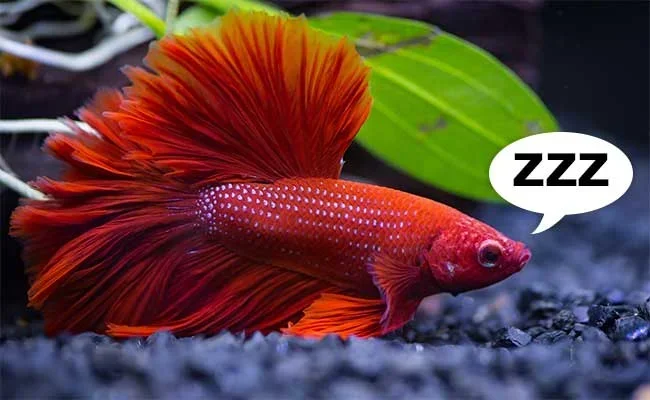
Putting a betta fish to sleep starts with creating the right tank environment, managing light cycles, and maintaining calm water conditions. Betta fish need darkness and a consistent day-night routine to rest properly. This guide covers everything you need to know about how to put betta fish to sleep safely and effectively.
Getting your betta fish to sleep might sound like a strange topic. But sleep is just as important for fish as it is for us. A well-rested betta fish is a happy, healthy, and colorful fish. If your betta stays restless or appears stressed, the problem might be simpler than you think. It often comes down to the environment you create inside the tank.
Many fish owners overlook the importance of a proper sleep cycle for their bettas. They focus on feeding, water changes, and tank decorations. But rest is a fundamental part of how to put betta fish to sleep and keep them thriving. In this guide, you will learn exactly what betta fish need to rest well each night.
Betta fish are tropical creatures. They come from warm, slow-moving waters in Southeast Asia. In the wild, they follow natural light patterns that tell them when to be active and when to rest. Your job is to recreate those conditions at home. The good news is that it is not complicated. With a few simple adjustments, you can help your betta get the quality rest it deserves.
Key Takeaways
- Betta fish need 8-12 hours of darkness each night to enter a natural rest cycle.
- Consistent lighting schedules help regulate your betta’s sleep patterns and overall health.
- Adding plants and hiding spots gives your betta a sense of security for peaceful sleep.
- Avoid sudden noises and vibrations near the tank, as they can stress your fish and disrupt rest.
- Watch for sleeping positions like lying on the substrate or hiding in foliage to confirm your betta is resting.
- Common mistakes like keeping lights on 24/7 can seriously harm your betta’s sleep and immune system.
📑 Table of Contents
Understanding How Betta Fish Sleep
Betta fish do sleep, even though they do not close their eyes. They lack eyelids, so they cannot shut their eyes like humans do. Instead, they enter a state of rest where their body slows down. You might notice your betta becoming less active or hovering in one spot. This is completely normal and healthy.
Sleep is essential for a betta fish’s immune system and energy levels. Without proper rest, your betta can become stressed, lose color, and even fall ill. Understanding betta fish sleeping habits is the first step toward creating a restful environment. Let us look at what happens when your betta sleeps.
What Happens When Betta Fish Sleep
When a betta fish sleeps, its metabolism slows down. The fish becomes less responsive to movement and sound. You might see it resting on the tank floor, floating near the surface, or tucked behind a plant. Some bettas even rest on their sides, which can look alarming but is usually perfectly fine.
During sleep, your betta’s body repairs cells and conserves energy. This rest period helps maintain bright colors and a strong immune system. If you want to help your betta fish sleep better, you need to understand these natural behaviors and support them.
How Long Do Betta Fish Sleep?
Betta fish typically need around 8 to 12 hours of rest each night. They follow a betta fish sleep schedule similar to a natural day-night cycle. During the day, they are active and curious. At night, they settle into a restful state.
If your tank light stays on 24 hours a day, your betta will not get the rest it needs. Over time, this can lead to serious health problems. Keeping a consistent routine is one of the easiest ways to support your fish’s natural rhythms.
Creating the Perfect Sleep Environment for Your Betta Fish
The environment inside your tank plays a huge role in your betta’s ability to rest. A well-designed tank promotes natural betta fish sleep patterns and reduces stress. Here is how you can set up the ideal sleep environment.
Managing Tank Lighting for Better Sleep
Light is the biggest factor in your betta’s sleep cycle. Betta fish respond to changes in light the same way they respond to daylight in the wild. When it gets dark, their body signals that it is time to rest.
Use a timer for your tank light. Set it to turn on for 8 to 10 hours each day. This gives your betta a clear day-night routine. Managing aquarium lighting properly is one of the most effective steps you can take. Avoid placing the tank near windows where sunlight might confuse the cycle.
Some fish owners use LED lights with adjustable brightness. This lets you dim the lights gradually in the evening. A slow dimming effect mimics sunset and helps your betta transition into rest mode more naturally.
Water Temperature and Its Role in Sleep
Water temperature affects your betta’s activity level and sleep quality. Betta fish prefer warm water between 76 and 82 degrees Fahrenheit. If the water is too cold, your betta may become sluggish and unable to rest properly.
Use a reliable heater to maintain a stable temperature. Sudden temperature drops can stress your fish and disrupt sleep. If you need to warm a betta fish bowl, consider using a small, adjustable heater designed for smaller tanks.
Stable temperatures create a calm environment. Your betta will feel safe and be more likely to settle into a deep rest each night.
Adding Hiding Spots and Plants
Betta fish feel safer when they have places to hide. Adding live or silk plants gives your betta spots to curl up and rest. Plants also help reduce light intensity inside the tank, which signals that it is time to sleep.
Some great options include java fern, anubias, and betta hammocks. These provide natural resting spots without harming your fish. Silk plants are a good alternative if you prefer low-maintenance options. Avoid sharp plastic plants that can tear your betta’s delicate fins.
Creating a cozy, planted environment is a key part of setting up a fish tank for betta fish. It does wonders for their sense of security and overall well-being.
| Sleep Factor | Ideal Setup | Why It Matters |
|---|---|---|
| Lighting | 8-10 hours on, 12-14 hours off | Mimics natural day-night cycle |
| Water Temperature | 76-82°F (24-28°C) | Keeps metabolism stable for rest |
| Hiding Spots | Live or silk plants, hammocks | Provides security for sleeping |
| Noise Level | Quiet area, no vibrations | Prevents stress and rest disruption |
| Water Quality | Clean, conditioned water | Supports overall health and sleep |
Common Signs That Your Betta Fish Is Sleeping
It can be hard to tell if your betta is sleeping or if something is wrong. Bettas do not close their eyes, so you have to watch their body language. Learning these signs helps you respond appropriately and avoid unnecessary worry.
When your betta is sleeping, it will become very still. The fins may hang loosely, and the fish might rest on the substrate or float in one place. Some bettas tuck themselves behind plants or rest in a hammock. All of these behaviors are normal and indicate a healthy rest cycle.
How to Tell the Difference Between Sleeping and Sick
This is one of the most common concerns for betta owners. A sleeping betta will still respond slowly when you tap the glass or offer food in the morning. A sick betta, on the other hand, may show clamped fins, loss of color, or difficulty staying upright.
If you are ever unsure, wait until morning and offer a small amount of food. A sleeping betta will wake up and eat eagerly. A sick betta may ignore food completely. Understanding this difference is an important part of properly taking care of betta fish and keeping them healthy.
How to Help Your Betta Fish Sleep Better
Now that you understand the basics, let us look at practical steps you can take tonight. These tips are simple but highly effective for improving your betta’s rest.
Establishing a Day-Night Routine
Consistency is the key to a good sleep routine for your betta. Turn the tank lights on and off at the same time every day. Your fish will learn the pattern and naturally adjust their activity levels.
Avoid turning lights on and off randomly. Sudden changes confuse your betta and can cause stress. If you forget to turn the lights off, consider using an automatic timer. These are inexpensive and take the guesswork out of the process.
Reducing Noise and Vibrations
Betta fish are sensitive to vibrations. Placing the tank near a speaker, TV, or high-traffic area can disrupt sleep. Choose a quiet spot in your home where the tank will not be disturbed by constant noise.
If you need to move the tank, do it gently and avoid sudden bumps. Vibrations travel through water and can startle your betta awake. A peaceful location supports deeper, more restful sleep for your fish.
Performing Evening Water Checks
A quick water check before bed can make a big difference. Make sure the water temperature is stable and the filter is running quietly. Dirty water or a malfunctioning filter can create stress that keeps your betta restless.
Use tap water conditioner during water changes to remove harmful chemicals. Clean, conditioned water promotes a healthy environment where your betta can relax and sleep soundly through the night.
Quick Tips for Better Betta Sleep
- Use a timer to automate your tank light schedule
- Keep the tank in a quiet room away from loud appliances
- Add floating plants to soften the light naturally
- Maintain a steady water temperature with a reliable heater
- Perform small water changes weekly to keep water fresh
- Observe your betta’s behavior to learn its personal sleep habits
Common Mistakes That Disrupt Betta Fish Sleep
Even well-meaning fish owners can make mistakes that harm their betta’s sleep cycle. Knowing what to avoid is just as important as knowing what to do. Here are the most common errors to watch out for.
Leaving the tank light on 24/7 is the number one mistake. This tricks your betta into thinking it is always daytime. Without darkness, the fish cannot enter a rest state. Over time, this leads to exhaustion and a weakened immune system.
Placing the tank in a busy area is another frequent error. Constant foot traffic, loud music, and appliance vibrations all contribute to stress. Your betta needs a calm, peaceful space to feel secure enough to rest.
Ignoring water quality also disrupts sleep. Dirty water contains ammonia and nitrites that irritate your betta. A stressed fish will struggle to settle down at night. Regular water changes and proper filtration are essential for a restful tank environment.
Finally, overfeeding before lights out can cause discomfort. Uneaten food decays in the water and affects quality. Feed your betta small amounts earlier in the day so digestion is complete before the lights go off.
Expert Insights on Betta Fish Sleep Patterns
Veterinarians and experienced fish keepers agree that sleep is a critical but often overlooked aspect of betta care. According to aquatic specialists, betta fish benefit from a structured environment that mirrors their natural habitat. This includes predictable light cycles, gentle water flow, and plenty of resting spots.
Dr. Linda Reed, a veterinary aquatic specialist, notes that many betta health issues stem from poor sleep habits. She recommends observing your fish for at least a week to understand its natural rhythm. “A well-rested betta is more resilient to disease, more active during the day, and displays brighter colors,” she explains.
Expert aquarists also emphasize the importance of the day-night cycle in maintaining hormonal balance. This balance affects breeding behavior, appetite, and overall longevity. By simply managing your tank lights, you can dramatically improve your betta’s quality of life.
If you are serious about giving your betta the best care possible, start with the sleep environment. Everything else builds from there. A well-rested betta is a thriving betta.
Conclusion
How to put betta fish to sleep comes down to one simple principle: create a calm, consistent, and dark environment that mimics their natural habitat. From managing tank lighting to maintaining water quality and adding hiding spots, every small effort counts. Your betta fish depends on you to provide the conditions it needs for restful sleep each night.
Start implementing these tips today. You will notice a calmer, happier, and more vibrant betta within just a few days. Sleep is not a luxury for your fish. It is a necessity. And now you have the knowledge to make it happen.
Remember that every betta is unique. Some may prefer more hiding spots, while others like to float near the surface. Pay attention to your fish’s individual preferences and adjust accordingly. The goal is a peaceful, stress-free tank where your betta can truly rest and thrive.
Frequently Asked Questions
Do betta fish close their eyes when they sleep?
No, betta fish do not have eyelids, so they cannot close their eyes. Instead, they become very still and less responsive when they rest. You can tell your betta is sleeping by its relaxed fins and lack of movement.
How many hours of sleep does a betta fish need?
Betta fish typically need 8 to 12 hours of darkness each night to rest properly. This aligns with a natural day-night cycle. Keeping a consistent light schedule helps your betta get the sleep it needs.
Is it normal for a betta fish to sleep on the tank floor?
Yes, it is normal. Many bettas rest on the substrate or hide behind plants when they sleep. However, if your betta stays motionless at the bottom for extended periods and shows other signs of illness, it may be worth investigating further.
Can too much light harm my betta fish’s sleep?
Absolutely. Too much light confuses your betta’s internal clock and prevents it from entering a rest state. This can lead to stress, loss of color, and a weakened immune system. Always provide 12 to 14 hours of darkness each night.
Should I turn off the filter at night for my betta?
No, you should keep the filter running at night. The filter maintains water quality, which is essential for your betta’s health. If the filter is too noisy, consider placing it on a soft pad or using a quieter model to minimize vibrations.
How can I tell if my betta is sleeping or sick?
A sleeping betta will still respond slowly to stimuli and will eat when offered food in the morning. A sick betta may show clamped fins, loss of color, or difficulty staying upright. When in doubt, monitor your fish closely and check water parameters.