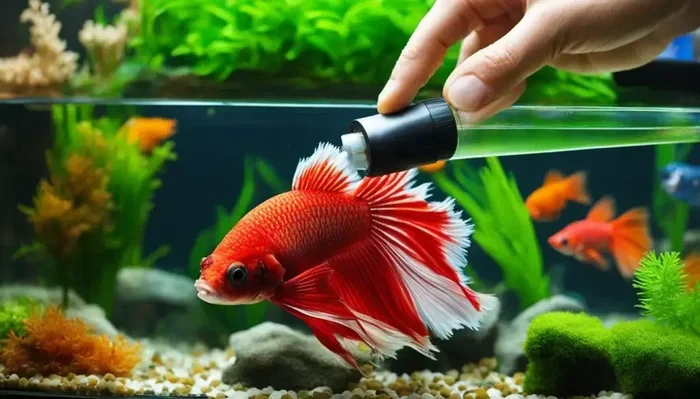
How to Use Clove Oil for Betta Fish
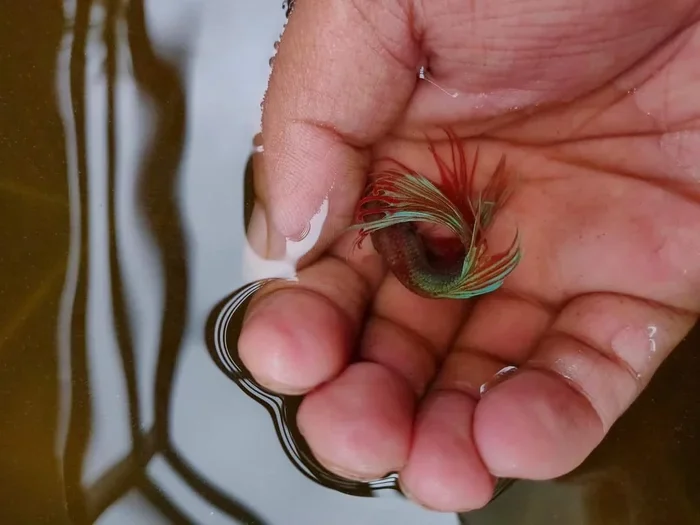
Clove oil is a widely used, humane method for sedating or euthanizing betta fish when necessary. It works by gently slowing the fish’s nervous system, making it a preferred option among aquarists. This guide covers everything from proper dosage and preparation to safety tips and when to consider this approach.
Every betta fish owner hopes their colorful companion stays happy and healthy for years to come. But sometimes, difficult decisions need to be made. Whether your betta is suffering from a terminal illness or you need to perform a procedure that requires sedation, clove oil offers a gentle, accessible solution.
Using clove oil for betta fish is something many experienced aquarists rely on. It is affordable, easy to find, and when used correctly, it provides a humane experience for your fish. In this guide, we walk you through everything you need to know. From understanding how clove oil works to learning the exact dosage and step-by-step process, we have you covered.
Before we dive in, it is important to understand that clove oil serves two primary purposes. First, it can sedate a betta fish for handling or treatment. Second, at higher concentrations, it can serve as a humane method for euthanasia. We will cover both uses with care and respect. If you are looking for a detailed guide on the euthanasia process specifically, check out our article on how to put a betta fish down with clove oil.
Let us start with the basics. Clove oil contains a natural compound called eugenol. This compound interacts with the fish’s nervous system, slowing it down gradually. Unlike harsh chemicals, clove oil provides a calm and peaceful experience. Many vets and fish experts consider it one of the best options available. Now, let us explore the details together.
Key Takeaways
- Natural Sedative: Clove oil acts as a gentle anesthetic for betta fish, making procedures less stressful.
- Proper Dosage Matters: Using the right concentration ensures safety and effectiveness every time.
- Humane Approach: Clove oil is considered one of the most humane methods for fish euthanasia when used correctly.
- Step-by-Step Process: Follow our simple instructions for mixing, dosing, and monitoring your betta.
- Safety First: Always work in a well-ventilated area and keep clove oil away from children and pets.
- Alternative Methods Exist: Learn about other options like salt baths and compare approaches.
- Prepared Water Is Key: Always use properly conditioned water when working with clove oil.
📑 Table of Contents
- What Is Clove Oil and Why Use It for Betta Fish?
- What You Need Before Starting
- Step-by-Step Guide to Using Clove Oil for Betta Fish
- Correct Dosage Guidelines for Clove Oil
- Common Mistakes to Avoid
- Alternative Methods to Consider
- Safety Tips for Handling Clove Oil
- When Should You Use Clove Oil?
- Final Thoughts on Clove Oil for Betta Fish
What Is Clove Oil and Why Use It for Betta Fish?
Clove oil comes from the dried flower buds of the clove tree, scientifically known as Syzygium aromaticum. People have used it for centuries in cooking, medicine, and even dental care. In the aquarium world, it has gained popularity as a safe and effective fish sedative.
So why do betta fish owners choose clove oil over other options? Here are the main reasons:
- Natural Origin: Unlike synthetic anesthetics, clove oil comes from a plant source. This makes it more appealing to many fish keepers.
- Easy to Find: You can buy pure clove oil at most health food stores, pharmacies, or online retailers.
- Affordable: A small bottle lasts a long time and costs very little.
- Effective Sedation: It works quickly and reliably when dosed correctly.
- Humane: When used properly, it causes minimal stress and discomfort to the fish.
Understanding betta fish care means knowing all the tools available to you. Clove oil is one of those essential tools that every betta owner should be familiar with. It is especially useful during fish tank maintenance when you need to handle a sick or injured fish without causing additional stress.
How Clove Oil Works on Fish
The active ingredient in clove oil is eugenol. When eugenol enters the water, it absorbs through the fish’s gills. It then interacts with nerve receptors, slowing down brain activity. The fish becomes relaxed and eventually loses consciousness.
At low concentrations, this sedation allows you to safely handle the fish. You can examine wounds, apply medication, or perform minor procedures. At higher concentrations, the process leads to a peaceful passing. This dual purpose makes clove oil incredibly versatile for betta fish health management.
It is worth noting that clove oil should never be used casually. Always have a clear reason and a prepared plan before you begin. Responsible fish keeping means making informed, compassionate decisions.
What You Need Before Starting
Preparation is everything when working with clove oil. Having everything ready beforehand ensures a smooth and stress-free process for both you and your betta. Here is a simple checklist of what you need:
- Pure Clove Oil: Make sure it is 100% pure clove essential oil. Avoid imitation clove flavoring, as it contains additives that can harm your fish.
- Clean Bowl or Container: Use a small container with water from the betta’s tank. This keeps the water parameters familiar and reduces stress.
- Measuring Dropper: A small dropper or syringe helps you measure precise amounts of clove oil. Accuracy matters a lot here.
- Stirring Tool: A small stick or spoon to mix the oil into the water thoroughly.
- Clean Towel: For wiping up any spills and keeping your workspace tidy.
- Timer: You will need to monitor the time carefully throughout the process.
Before you begin, make sure your workspace is quiet and calm. Bright lights and loud noises can stress your betta even before the process starts. Also, ensure you have read our guide on how to set up a fish tank for betta fish so you understand proper water conditions that support your betta’s overall wellbeing.
Choosing the Right Clove Oil
Not all clove oils are created equal. When selecting clove oil for your betta, look for therapeutic-grade or food-grade pure clove oil. Avoid anything labeled as “clove flavoring” or “clove extract.” These products often contain alcohol, artificial ingredients, or other chemicals that are toxic to fish.
Check the label carefully. It should list eugenol as the primary active ingredient. A pure clove oil will typically contain 70% to 90% eugenol. This is the concentration you want for aquarium use. Store your clove oil in a cool, dark place to maintain its potency over time.
Step-by-Step Guide to Using Clove Oil for Betta Fish
Now let us walk through the actual process. Whether you are sedating your betta for a procedure or using clove oil as a humane end-of-life option, the steps are similar. We will break it down clearly.
Step 1: Prepare the Water Container
Fill a small bowl or container with water from your betta’s tank. Use about 2 to 4 cups of water. The familiar water helps reduce stress. Make sure the water temperature matches the tank temperature closely. If needed, you can warm the water slightly to match conditions.
Using water directly from the tank also ensures the pH and hardness levels are consistent. This familiarity helps keep your betta as calm as possible during the process. For more information on preparing the right water, see our guide on what water to use for a betta fish.
Step 2: Mix the Clove Oil Solution
This is the most critical step. You need to dilute the clove oil properly before adding it to the water. Never pour undiluted clove oil directly into the container with your fish.
First, take a small amount of tank water in a separate cup. Add the clove oil to this cup using your dropper. For sedation purposes, use just 1 to 3 drops per cup of water. Stir gently for about 30 seconds to fully mix the oil into the water. The mixture should appear slightly cloudy but well blended.
Quick Tip: Always mix the clove oil separately first. Adding it directly to the main container can create concentrated pockets that may shock the fish.
Step 3: Add the Mixture to the Container
Slowly pour the diluted clove oil mixture into the bowl with your betta. Do this gently to avoid splashing or creating sudden currents. Pour it along the side of the container rather than directly onto the fish.
Observe your betta closely after adding the mixture. Within 1 to 3 minutes, you should notice the fish becoming less active. Its gill movements will slow down. The body will become more relaxed and may drift slightly with the water current.
Step 4: Monitor Your Betta Closely
Watch your betta carefully throughout the process. Here is what to look for at each stage:
- First Minute: The betta may swim erratically or try to escape. This is normal initial stress.
- 2 to 3 Minutes: Movement slows noticeably. The fish may tilt to one side or rest near the bottom.
- 5 to 10 Minutes: Full sedation occurs. Gills breathe slowly and steadily. The fish feels limp and relaxed.
If you are using clove oil for a medical procedure, this is the point where you can safely examine or treat your betta. If you are following the euthanasia process, continue monitoring until all gill movement stops completely. For a detailed walkthrough of the full euthanasia protocol, we recommend reading our guide on how to put a betta fish down with clove oil.
Step 5: Clean Up and Dispose Properly
After the process is complete, dispose of the water responsibly. Clove oil can be harmful to other aquatic life, so never pour it down a drain connected to natural waterways. Clean the container thoroughly with hot water and let it dry before storing.
Wash your hands well after handling clove oil. While it is natural, concentrated eugenol can irritate skin. If you have sensitive skin, consider wearing gloves during the process.
Correct Dosage Guidelines for Clove Oil
Getting the dosage right is crucial. Too little clove oil will not work effectively, while too much can cause unnecessary distress. Here are the general guidelines:
| Purpose | Drops per Cup of Water | Expected Time to Work |
|---|---|---|
| Light Sedation | 1 to 2 drops | 3 to 5 minutes |
| Full Sedation | 3 to 5 drops | 2 to 4 minutes |
| Euthanasia | 8 to 12 drops | 5 to 15 minutes |
These numbers are approximate. The exact dosage can vary based on the size of your betta, the water temperature, and the concentration of eugenol in your clove oil. Larger bettas may need slightly more, while smaller ones require less.
Expert Insight: Many experienced fish keepers recommend starting with a lower dose and adding more only if needed. It is always better to go slow and gentle than to rush the process. Remember, the goal with clove oil for betta fish is always a peaceful experience.
Common Mistakes to Avoid
Even with good intentions, mistakes can happen. Here are the most common errors people make when using clove oil with their betta fish:
- Using Imitation Clove Oil: Flavored or imitation clove products contain additives that are dangerous for fish. Always use pure clove essential oil.
- Skipping the Dilution Step: Pouring undiluted clove oil directly into the water creates harsh concentrations that can shock the fish.
- Using Water from the Tap: Tap water contains chlorine and other chemicals that react poorly with clove oil. Always use tank water.
- Not Monitoring Closely: Leaving your betta unattended during the process can lead to complications. Stay present the entire time.
- Using Too Much Oil Too Soon: If the first dose does not seem effective, wait a few more minutes before adding more. Rushing can cause distress.
- Ignoring Water Temperature: Cold water slows the absorption of eugenol. Make sure the water is warm enough, ideally between 78 and 80 degrees Fahrenheit.
Avoiding these mistakes will help ensure a smooth and humane experience every time. Proper betta fish care includes understanding not just the happy moments but also the difficult ones with grace and knowledge.
Alternative Methods to Consider
Clove oil is not the only option available for sedating or treating betta fish. Depending on your situation, you might want to explore alternatives. Here are a few common methods:
- Salt Baths: A dilute salt solution can help treat mild infections and parasites. It is gentler than clove oil and works well for routine treatment. Check out our guide on how to do a salt bath for betta fish for detailed instructions.
- Medicated Food: For internal infections, soaking food in medication can be effective without any sedation needed.
- Tank-Level Medication: Adding medicine directly to the main tank treats conditions without isolating the fish.
Each method has its place. Clove oil stands out for situations requiring deep sedation or when humane euthanasia is the kindest choice. For a comprehensive look at all your care options, visit our article on how to care for sick betta fish.
When comparing methods, consider the severity of the situation. For minor treatments, a salt bath or medication may suffice. For serious conditions where the fish is suffering and not responding to treatment, clove oil provides a dignified and peaceful solution.
Safety Tips for Handling Clove Oil
While clove oil is natural, it is still a concentrated essential oil. Handling it with care protects both you and your fish. Follow these safety guidelines:
- Store Safely: Keep clove oil out of reach of children and pets. Store it in its original dark glass bottle.
- Ventilate Your Space: Work in a well-ventilated room. The strong smell of clove oil can be overwhelming in small, enclosed spaces.
- Wear Gloves: If you have sensitive skin, gloves prevent irritation from prolonged contact with concentrated eugenol.
- Avoid Eye Contact: Clove oil can cause serious irritation if it gets in your eyes. Wash hands thoroughly after handling.
- Keep Away from Open Flames: Essential oils are flammable. Store and use clove oil away from candles, stoves, or other flames.
Following these simple safety steps ensures that your experience with clove oil for betta fish remains positive and controlled. Safety always comes first, even with natural products.
When Should You Use Clove Oil?
Knowing when to use clove oil is just as important as knowing how to use it. Here are the most common situations where clove oil becomes necessary:
- End-of-Life Care: When a betta is suffering from an incurable condition and quality of life has declined significantly, clove oil offers a peaceful and compassionate option.
- Medical Procedures: Some treatments require the fish to be still and calm. Sedation with clove oil makes these procedures safer for both you and the fish.
- Severe Injury: If your betta has a serious injury that needs immediate attention, sedation helps you examine and treat the wound without causing additional pain.
- Aggressive Behavior: In rare cases where a betta is extremely stressed during handling, mild sedation can help calm them for safe transfer to a hospital tank.
Always approach these situations with compassion and thoughtfulness. Your betta trusts you to make the best decisions for its wellbeing. Having knowledge of clove oil for betta fish prepares you for whatever challenges may arise in your fish keeping journey.
Final Thoughts on Clove Oil for Betta Fish
Using clove oil for betta fish is a responsibility that comes with fish ownership. It is not something anyone hopes to need, but having the knowledge ready can make all the difference when the time comes. Whether you are sedating your betta for a medical procedure or making the difficult decision to end suffering, clove oil provides a humane and effective solution.
Remember to always use pure clove oil, follow the dosage guidelines carefully, and monitor your betta closely throughout the process. Preparation and patience are your best allies. The goal is always to minimize stress and discomfort for your beloved fish.
If you found this guide helpful, consider exploring our other resources on betta fish care. From proper betta fish care to tank setup tips, we have everything you need to give your betta the best life possible. Knowledge is the greatest gift you can give to your fish, and we are here to help you every step of the way.
Frequently Asked Questions
Is clove oil safe for betta fish?
Yes, clove oil is safe when used correctly and in the proper dosage. It is a natural sedative that has been used in aquarium care for decades. Always use pure clove oil and follow the recommended guidelines to ensure your betta’s safety.
How long does it take for clove oil to work on a betta fish?
Clove oil typically takes 1 to 3 minutes to take effect for light sedation. For full sedation or euthanasia, it may take 5 to 15 minutes depending on the dosage and water temperature. Patience is important during this process.
Can I use regular grocery store clove oil for my betta fish?
No, you should only use pure, therapeutic-grade or food-grade clove essential oil. Regular grocery store clove flavoring contains additives, alcohol, and artificial ingredients that can be harmful or even fatal to fish.
What is the difference between sedation and euthanasia using clove oil?
Sedation uses a low dose of clove oil (1 to 5 drops per cup) to relax the fish for handling or treatment. Euthanasia uses a significantly higher dose (8 to 12 drops per cup) to bring about a peaceful passing. The concentration and purpose are very different.
Can I use clove oil in my main betta tank?
No, you should always use a separate container with water from the tank. Adding clove oil directly to the main tank can harm other fish, invertebrates, and beneficial bacteria. Always work in an isolated container.
What should I do if my betta does not respond to the clove oil?
If your betta does not show signs of sedation after 5 minutes, you may need to add one more drop of clove oil to the mixture. Wait another few minutes and observe. Never add large amounts at once. If you are unsure, consult a veterinarian experienced with fish.