How to Treat Ich on a Male Betta Fish
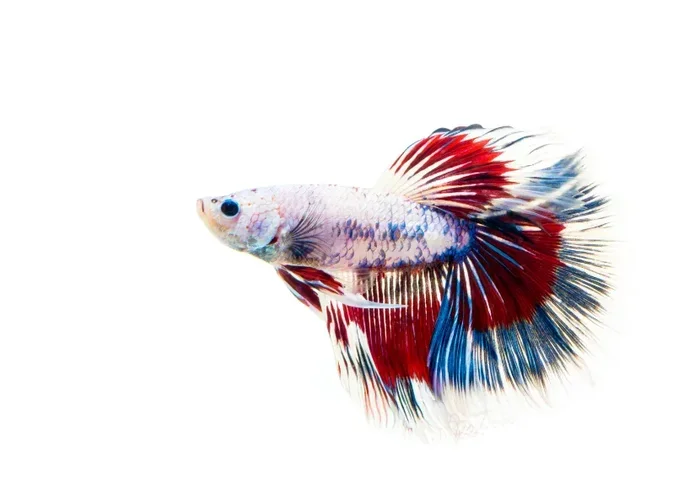
Treating ich on a male betta fish is manageable when you catch it early and act fast. This guide covers everything from recognizing the telltale white spots to choosing the right treatment and preventing future outbreaks. You will learn proven methods to nurse your betta back to health safely.
Watching your favorite betta fish develop tiny white spots can be scary. How to treat ich on a male betta fish is a question many fish owners face at some point. Ich, also called white spot disease, is one of the most common parasitic infections in freshwater aquariums. The good news? It is very treatable if you catch it early and follow the right steps.
Male betta fish are especially popular pets, and they deserve the best care when illness strikes. This guide walks you through every step of treating ich safely. You will learn to identify the symptoms, choose effective treatments, and prevent future outbreaks. Whether you are a beginner or a seasoned hobbyist, these tips will help you keep your betta healthy and comfortable.
Key Takeaways
- Early detection saves lives: Spotting ich symptoms early makes treatment much easier and faster.
- Raise the water temperature gradually: A warm tank speeds up the ich life cycle and helps medications work better.
- Use aquarium salt or medication: Both are effective options depending on the severity of the infection.
- Quarantine is essential: Isolating your betta protects other fish and reduces stress during recovery.
- Prevention beats treatment: Maintaining clean water and stable conditions keeps ich from coming back.
- Avoid common mistakes: Overmedicating and sudden temperature changes can harm your betta more than help.
- Patience is key: Full treatment takes 10 to 14 days. Stay consistent for the best results.
📑 Table of Contents
What Is Ich and Why Does It Affect Male Betta Fish?
Ich is caused by a tiny parasite called Ichthyophthirius multifiliis. This parasite attaches to your fish’s skin, fins, and gills. It feeds on the fish’s cells and creates those annoying white spots you see. Every betta fish can get ich, but male bettas in certain conditions are more vulnerable.
Stress is the biggest trigger. When a male betta is kept in cold water, poor water quality, or a crowded tank, his immune system weakens. That is when ich strikes. Male bettas are also more prone to stress because of their territorial nature. If you keep multiple male bettas together, the constant tension can lead to illness. Learning how to take care of a betta male fish properly goes a long way in preventing problems like ich.
The Ich Life Cycle
Understanding how ich spreads helps you treat it more effectively. The parasite goes through three main stages:
- Trophont: The parasite lives on the fish and feeds. This is when you see the white spots.
- Tomont: The parasite falls off the fish and attaches to surfaces in the tank. It reproduces rapidly during this stage.
- Theront: New parasites hatch and swim freely, looking for a new host to infect.
Most treatments only work on the free-swimming theront stage. This is why treatment takes time. You need to break the cycle completely to eliminate ich for good.
Signs and Symptoms of Ich on a Male Betta
Catching ich early makes all the difference. The sooner you spot the signs, the easier it is to treat. Here are the most common symptoms to watch for:
- White spots on the body and fins: These look like grains of salt or sugar. They start small but spread quickly.
- Scratching against decorations: Infected fish rub against gravel, plants, or tank walls to relieve irritation.
- Rapid breathing: Ich affects the gills, making it hard for your betta to breathe normally.
- Clamped fins: Your betta may keep his fins close to his body instead of spread out.
- Loss of appetite: A betta with ich often stops eating or eats much less.
- Lethargy: The fish becomes less active and spends more time hiding or resting at the bottom.
If you notice these signs, act immediately. Delaying treatment gives the parasite time to multiply and spread. For more detailed guidance on identifying and treating ich specifically, check out our article on how to treat ich on a betta fish.
How to Treat Ich on a Male Betta Fish
Now let us get to the most important part. Treating ich requires a combination of approaches. You need to address the parasite, support your fish’s immune system, and create conditions that make recovery easier. Here are the proven methods that work best for male bettas.
Method 1: Raise the Water Temperature
One of the simplest and most effective steps is to raise your tank temperature. Ich parasites grow slower in warmer water, and raising the temperature speeds up their life cycle. This means the medication you use can target them faster.
Follow these steps for safe temperature adjustment:
- Increase the temperature by 1 to 2 degrees Fahrenheit per day.
- Bring the temperature up to 82 to 86 degrees Fahrenheit.
- Hold the temperature steady for 10 to 14 days after all spots disappear.
- Gradually lower the temperature back to normal over several days.
Do not rush this process. Sudden temperature changes stress your betta even more. If you do not have a heater, you can learn how to keep your betta fish warm without a heater as a temporary measure.
Method 2: Use Aquarium Salt
Aquarium salt is a gentle and effective treatment for mild to moderate ich cases. It helps your betta’s gills function better and creates an environment where parasites struggle to survive.
Here is how to use aquarium salt correctly:
- Use pure aquarium salt, not table salt. Table salt contains additives that harm fish.
- Add one teaspoon of salt per gallon of water. Dissolve it in a cup of tank water first.
- Perform a 50 percent water change before each salt dose.
- Continue the salt treatment for 7 to 10 days.
- Do not use salt in tanks with live plants, as it can damage them.
Many experienced betta keepers swear by salt baths. If you want to learn more about this technique, our guide on how to give a betta fish a salt bath provides detailed step-by-step instructions.
Method 3: Medication
For more severe cases, over-the-counter medications work well. Look for products that contain malachite green or formalin. These ingredients target the free-swimming stage of the ich parasite.
Popular medications include:
- Seachem Paraguard: A gentle, broad-spectrum treatment safe for bettas.
- API Super Ick Cure: A trusted brand that many fish keepers rely on.
- Fritz ParaCleanse: Effective and easy to dose.
Always follow the dosage instructions on the label. Overmedicating can harm your betta’s sensitive system. Remove carbon from your filter during treatment, as it can absorb the medication and reduce its effectiveness.
Comparison: Salt vs. Medication
| Factor | Aquarium Salt | Medication |
|---|---|---|
| Best for | Mild cases | Moderate to severe cases |
| Cost | Low | Moderate |
| Ease of use | Very easy | Easy |
| Effect on plants | Can harm plants | Generally safe |
| Treatment time | 7 to 10 days | 5 to 7 days |
| Side effects | Minimal | May stress sensitive fish |
You can also combine salt and medication for stubborn cases. Just make sure your betta tolerates both well. If you are interested in learning more about curing ich specifically, our guide on how to cure ich on betta fish covers advanced strategies in detail.
Prevention Tips to Keep Ich Away
Prevention is always better than treatment. Once you have dealt with ich, you do not want to go through it again. These simple habits keep your male betta healthy and ich-free.
Maintain Clean Water
Regular water changes are the foundation of good fish health. Replace 25 to 30 percent of the tank water every week. Use a gravel vacuum to remove waste and debris from the substrate. Clean water supports a strong immune system, which is your betta’s best defense against parasites.
Test Water Parameters Regularly
Keep an eye on your water parameters. The ideal range for a betta tank is:
- Temperature: 78 to 80 degrees Fahrenheit
- pH: 6.5 to 7.5
- Ammonia: 0 ppm
- Nitrite: 0 ppm
- Nitrate: Below 20 ppm
Unstable or poor water conditions are the number one cause of ich outbreaks. Invest in a simple liquid test kit. It gives you accurate readings and peace of mind.
Avoid Overcrowding
Male bettas are solitary fish. They do best in tanks of at least 5 gallons with peaceful tank mates. Overcrowding increases stress and raises the chances of disease spreading. If you notice any fish showing signs of illness, isolate them right away in a quarantine tank.
Quarantine New Fish
Whenever you bring a new fish home, keep it in a separate tank for at least two weeks. This lets you observe for any signs of disease before introducing it to your main tank. Many ich outbreaks start because a new fish carried the parasite into the tank unnoticed.
Common Mistakes to Avoid When Treating Ich
Even well-meaning fish keepers make mistakes during treatment. Avoid these common errors to give your betta the best chance of recovery.
- Skipping treatment too early: Stop treatment only after all spots are gone AND you have treated for at least 10 more days. Stopping early lets the parasite return.
- Raising the temperature too fast: Rapid temperature changes shock your betta. Increase the heat gradually, no more than 2 degrees per day.
- Using table salt instead of aquarium salt: Table salt contains iodine and anti-caking agents that are toxic to fish.
- Overdosing medication: More is not better. Follow the instructions precisely. Overdosing can damage your betta’s organs.
- Ignoring water changes: Medications build up in the water. Regular water changes during treatment keep the environment safe.
- Treating only the fish, not the tank: Ich parasites live in the tank too. Treat the entire environment, not just the fish.
Expert Insight: Experienced betta breeders recommend a two-pronged approach. Raise the temperature first, then add medication. This combination attacks the parasite at multiple life stages and dramatically improves your success rate.
When to Seek Professional Help
Most ich cases respond well to home treatment. However, there are times when you should consult a veterinarian or experienced fish specialist. Seek help if:
- Your betta stops eating for more than three days.
- The white spots spread to the gills and your betta struggles to breathe.
- There is no improvement after 7 to 10 days of treatment.
- Your betta shows signs of secondary infections like red streaks or open sores.
- Multiple fish in the tank become infected at the same time.
A professional can prescribe stronger medications or identify underlying conditions that make your betta susceptible to repeated outbreaks. Sometimes ich is a sign of a deeper problem with tank conditions or fish health.
Final Thoughts
Knowing how to treat ich on a male betta fish gives you the confidence to act fast when illness strikes. The combination of raised temperature, aquarium salt or medication, and clean water creates the ideal environment for your betta to recover. Most importantly, prevention through consistent tank maintenance keeps ich from ever becoming a problem again.
Your male betta depends on you for his health and happiness. By staying vigilant and responding quickly to early warning signs, you give him the best possible life. Treat ich with patience and care, and your vibrant little companion will be back to his colorful, active self in no time.
Frequently Asked Questions
How long does it take to treat ich on a male betta fish?
Most treatments take 10 to 14 days to fully eliminate ich. You should continue treatment for several days after all white spots disappear. This ensures that any remaining parasites in their life cycle are completely destroyed.
Can ich kill a male betta fish?
Yes, if left untreated, ich can be fatal. The parasites damage the gills and skin, making it difficult for the fish to breathe and fight off secondary infections. Early treatment greatly improves the survival rate.
Is ich contagious to other fish in the tank?
Absolutely. Ich spreads rapidly through shared water. If you have other fish in the tank, treat the entire tank immediately. Consider quarantining sick fish to slow the spread and monitor each fish individually.
Can I use medication and aquarium salt together?
Yes, many fish keepers combine both methods for stubborn cases. However, always monitor your betta closely when using both. Some sensitive fish may experience stress from the combination. Start with salt for mild cases and add medication only if needed.
What causes ich outbreaks in betta tanks?
The most common causes are stress, poor water quality, sudden temperature drops, and introducing new fish without quarantine. A weakened immune system makes your betta vulnerable to the parasite that is always present in most aquarium environments.
Can a betta fish recover from ich on its own?
In rare cases, a very healthy betta with a strong immune system might fight off a mild ich infection. However, relying on this is risky. Treating the infection promptly ensures a faster, safer recovery and prevents the parasite from spreading to other fish in your tank.