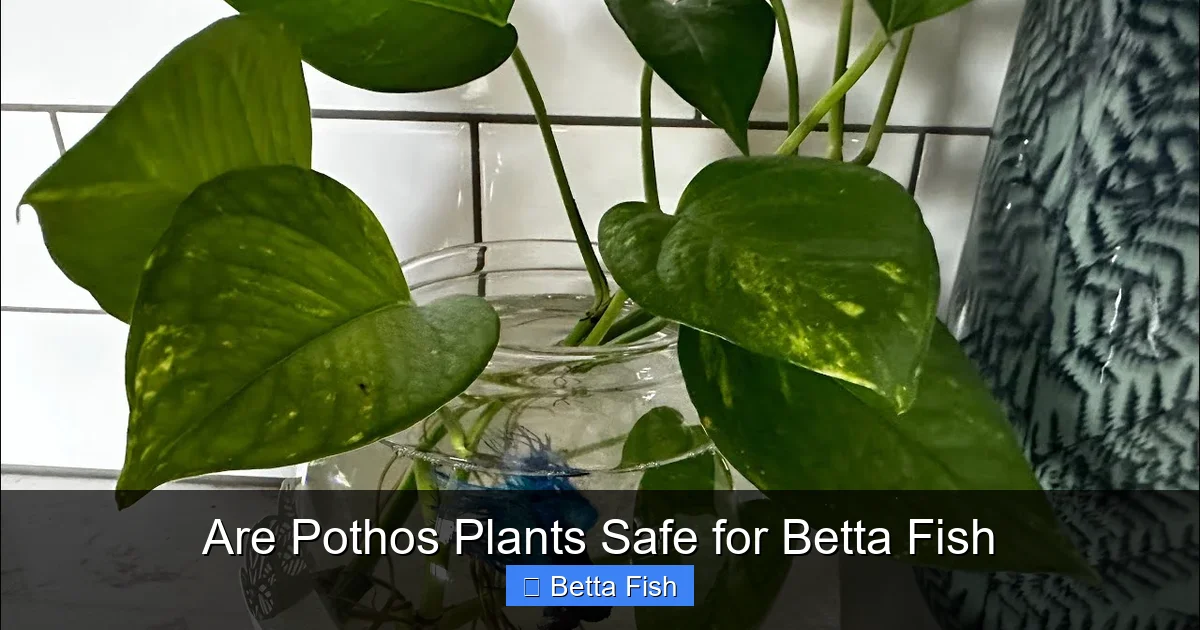
Are Pothos Plants Safe for Betta Fish
Pothos plants are popular for betta tanks because they’re easy to grow and provide hiding spots. However, they contain calcium oxalate crystals that can harm bettas if ingested, so proper placement and monitoring are essential.
Key Takeaways
- Potential toxicity: Pothos contain calcium oxalate, which can irritate a betta’s mouth and gut if chewed.
- Benefits for bettas: The plant offers natural cover, reduces stress, and helps control algae.
- Safe setup tips: Use sturdy pots, prune regularly, and keep leaves out of the betta’s reach.
- Alternative safe plants: Consider java fern, Anubias, or marimo moss for a completely non‑toxic option.
- Water parameters matter: Maintain proper temperature, pH, and hardness to keep both plant and fish healthy.
- Monitor behavior: Watch for signs of mouth irritation or loss of appetite as early warnings.
- Know the source: Buy pothos from reputable nurseries and avoid pesticide‑treated specimens.
📑 Table of Contents
- Introduction: The Allure of Pothos in Betta Tanks
- What Makes Pothos Popular for Betta Aquariums?
- Understanding the Toxicity: Calcium Oxalate Crystals
- Safe Set‑Up Strategies for Using Pothos
- Alternatives: Non‑Toxic Live Plants for Betta Tanks
- Step‑by‑Step Guide: Adding Pothos to Your Betta Tank
- Common Myths About Pothos and Betta Fish
- Conclusion: Making an Informed Choice
Introduction: The Allure of Pothos in Betta Tanks
If you’ve ever walked past a beautifully planted betta aquarium, you’ve probably noticed the glossy, heart‑shaped leaves of pothos (Epipremnum aureum) draping over the water. They look elegant, are cheap, and seem to thrive with little effort. It’s no wonder many hobbyists ask, “Are pothos plants safe for betta fish?” The short answer is: they can be safe, but only when you understand the risks and take a few simple precautions.
In this article we’ll break down everything you need to know—from the chemistry of pothos leaves to practical set‑up tips, alternatives, and how to spot trouble. By the end, you’ll feel confident deciding whether to add pothos to your betta’s home.
What Makes Pothos Popular for Betta Aquariums?
Easy to Grow
Pothos is a hardy, low‑maintenance houseplant. It tolerates low light, can grow in water alone, and spreads quickly. For beginners, that means fewer trips to the garden store and less worry about plant death.
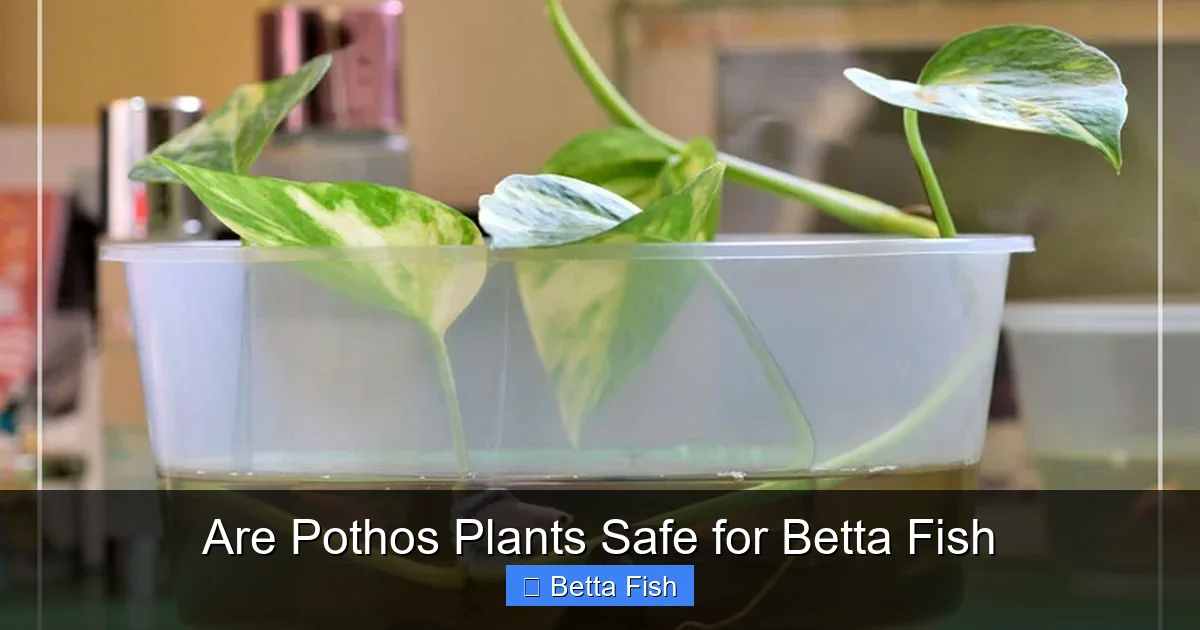
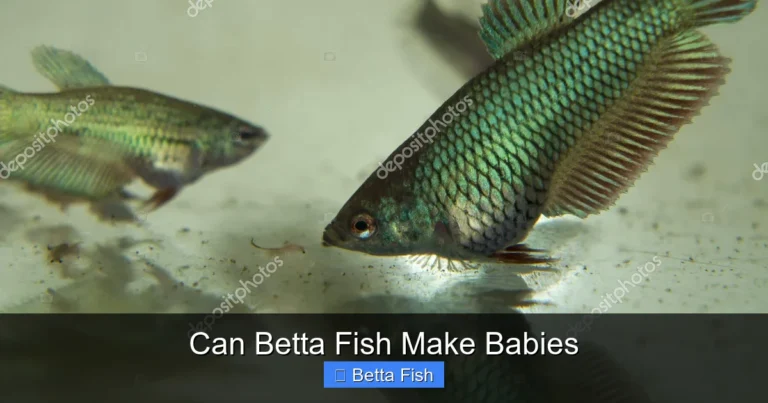
Visual guide about Are Pothos Plants Safe for Betta Fish
Image source: smartaquariumguide.com
Natural Hiding Places
Betta fish love to explore and claim territories. The broad leaves and trailing vines create perfect caves and shade, reducing stress and encouraging natural browsing behavior.
Algae Control
The plant absorbs nutrients that would otherwise feed algae. In a well‑balanced tank, you’ll notice clearer water and fewer green films on the glass.
Understanding the Toxicity: Calcium Oxalate Crystals
What Are Calcium Oxalate Crystals?
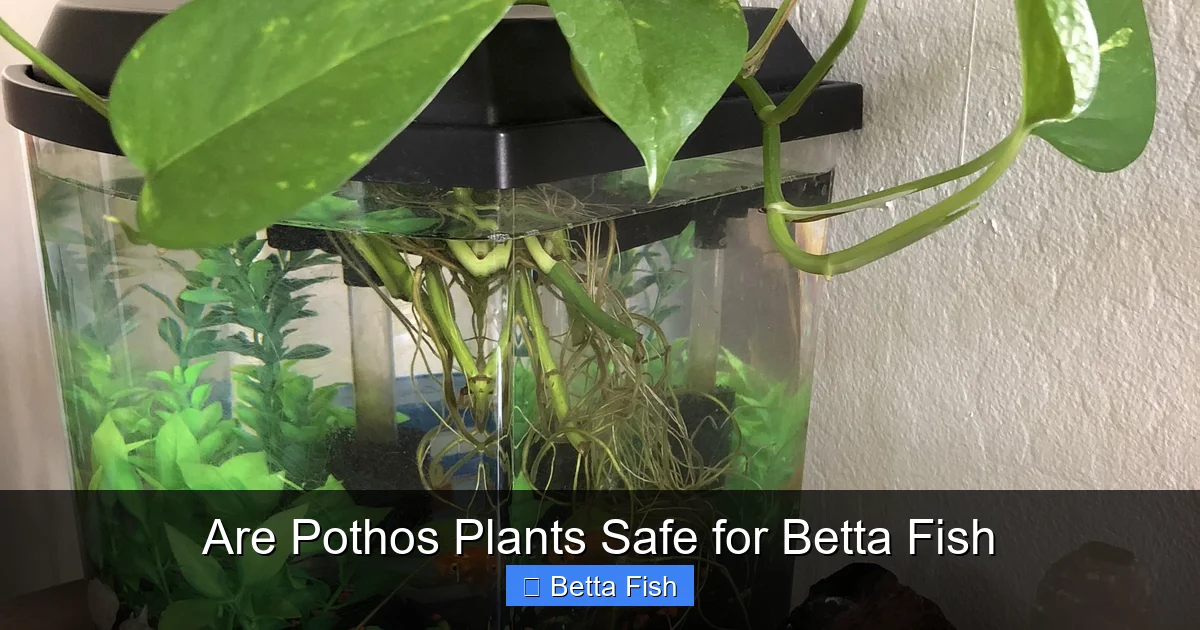
Every pothos leaf contains tiny, needle‑like structures called calcium oxalate crystals. In humans they cause the familiar “ouch” when you bite a leaf. For bettas, the risks are similar—if the fish nips at a leaf, the crystals can cause mouth irritation, swelling, and even digestive upset.
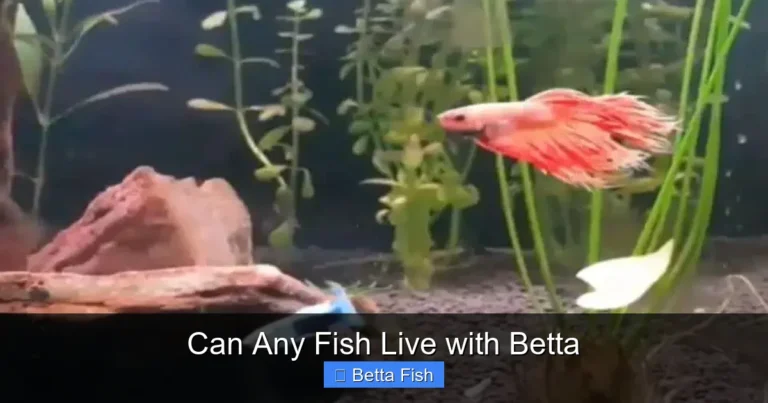
Visual guide about Are Pothos Plants Safe for Betta Fish
Image source: i.pinimg.com
How Likely Is Ingestion?
Betta fish are curious but not avid herbivores. Most will nibble on soft plant matter only if they’re bored or under‑fed. Proper feeding and plant placement dramatically reduce the chance of chewing.
Symptoms to Watch For
- Redness or swelling around the mouth
- Loss of appetite
- Labored swimming or rubbing against tank décor
- Visible damage to fins or tail
If you see any of these signs, remove the pothos immediately and consider a safer plant.
Safe Set‑Up Strategies for Using Pothos
Use a Pot or Mesh Bag
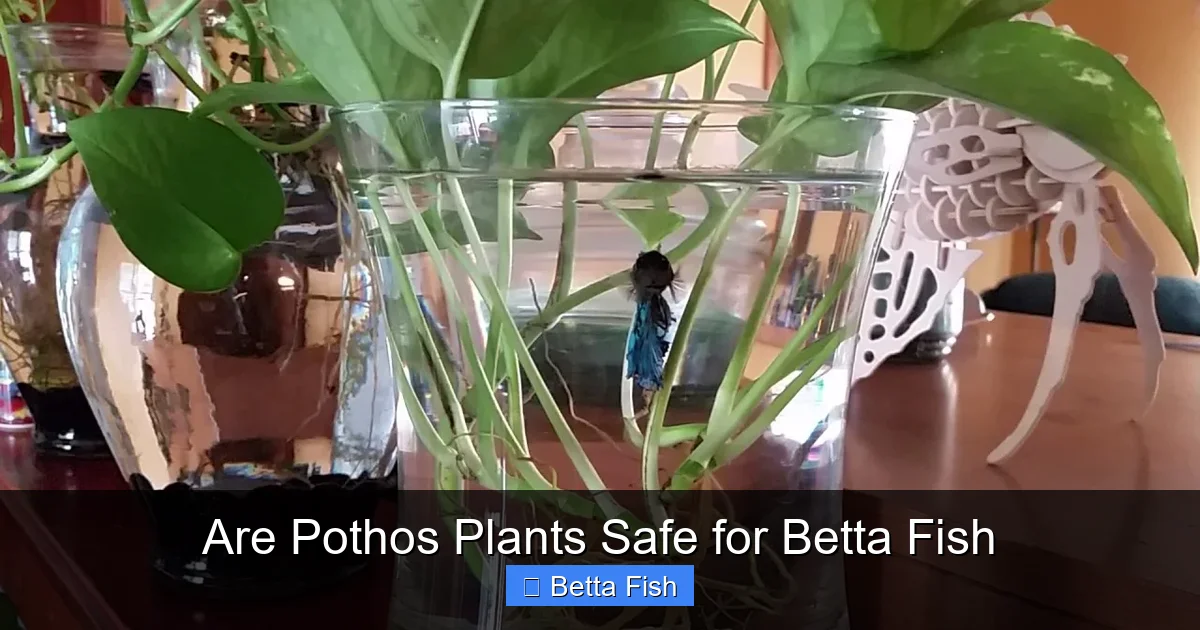
Place the pothos roots in a small, clean pot or a fine‑mesh breeding net. This keeps the roots out of the water column, preventing excess tannins and makes it easy to remove the plant if needed.
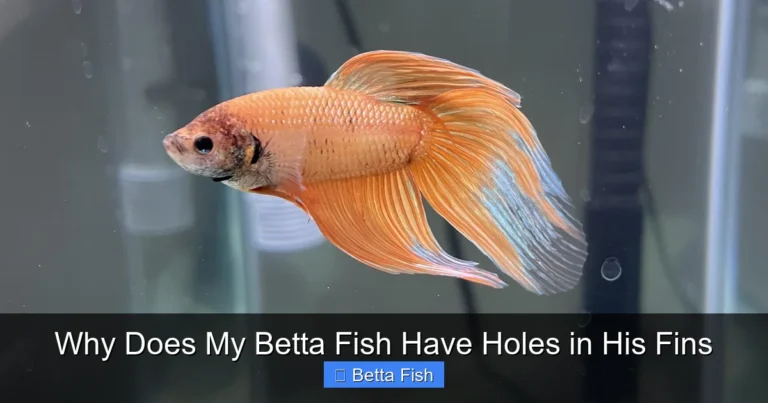
Visual guide about Are Pothos Plants Safe for Betta Fish
Image source: i.ytimg.com
Trim Leaves Below the Waterline
Only allow the stems to hang above the surface, or keep a few trimmed leaves just at the water line. This limits the amount of leaf material the betta can reach.
Secure the Plant
Attach the pot to a rock or a piece of driftwood with fishing line or silicone. A stable plant won’t sway too much, reducing the chance of a betta bumping into it and tearing leaves.
Provide Adequate Feeding
A well‑fed betta is less likely to chew on plant leaves. Offer high‑quality pellets, frozen or live foods a few times a week, and consider a tiny amount of vegetable flake if you notice curiosity.
Monitor Water Quality
Even though pothos is a low‑tech plant, it still releases tannins that can slightly lower pH. Test your water weekly and keep the temperature between 76‑82°F (24‑28°C) – the ideal range for bettas (What Temperature Should Water Be For A Betta Fish).
Alternatives: Non‑Toxic Live Plants for Betta Tanks
If the idea of calcium oxalate makes you uneasy, there are plenty of completely safe options that also look great.
- Java Fern (Microsorum pteropus): Attaches to driftwood, thrives in low light, and is completely non‑toxic.
- Anubias: Similar to Java Fern, it grows slowly and offers sturdy leaves for bettas to rest on.
- Marimo Moss Balls: Fun, floating, and provide gentle movement for the fish to explore.
- Hornwort: Fast‑growing, helps absorb excess nutrients, and floats freely.
For a full list of betta‑friendly live plants, see our guide on Which Live Plants Are Good For Betta Fish.
Step‑by‑Step Guide: Adding Pothos to Your Betta Tank
Step 1: Choose the Right Size
Pick a pothos cutting about 4‑6 inches long. Smaller cuttings are easier to manage and less likely to overgrow the tank.
Step 2: Prepare the Plant
Rinse the cutting under cool water to remove any soil or chemicals. Trim the roots to about 1‑2 inches.
Step 3: Set Up the Pot
Fill a small plastic pot with aquarium‑safe substrate (gravel or sand). Place the roots inside and add a little water to keep them moist.
Step 4: Position the Plant
Secure the pot to a rock or a piece of driftwood using fishing line. Hang it near the surface so the leaves can drape over the water without touching the betta directly.
Step 5: Observe and Adjust
Watch your betta for the first few days. If it seems curious but not aggressive, you’re good to go. If it repeatedly tries to bite the leaves, consider moving the plant higher or removing it.
Common Myths About Pothos and Betta Fish
Myth 1: “If it’s a houseplant, it’s automatically safe.”
Many houseplants are toxic to fish. Always research each species before adding it to an aquarium.
Myth 2: “Pothos will clean the water completely.”
While pothos does absorb nitrates, it cannot replace a proper filtration system. Keep up with regular water changes (How Often Change Water For Betta Fish) and a good filter.
Myth 3: “Betta fish will never eat plants.”
Betta fish are opportunistic feeders. If they’re bored or under‑nourished, they may nibble on soft leaves.
Conclusion: Making an Informed Choice
Pothos can be a beautiful, low‑maintenance addition to a betta tank, but the plant’s calcium oxalate crystals mean it isn’t completely risk‑free. By following safe set‑up practices—using pots, trimming leaves, and monitoring your fish—you can enjoy the aesthetic benefits while keeping your betta healthy.
If you prefer a zero‑risk approach, there are plenty of non‑toxic alternatives that still offer hiding spots and water‑quality benefits. Ultimately, the decision rests on how comfortable you feel with the plant’s mild toxicity and your willingness to stay vigilant.
Remember, a happy betta thrives on stable water conditions, proper nutrition, and a stress‑free environment. Whether you choose pothos or another live plant, the key is to keep the tank clean, the water parameters stable, and your fish’s behavior in check.
Frequently Asked Questions
Is it safe to leave pothos completely submerged?
Leaving pothos fully submerged can release more tannins and increase the chance your betta will nibble on leaves. It’s best to keep the roots in water but the leaves above the surface.
Can I use a plastic pot for pothos in a betta tank?
Yes, a clean plastic pot works fine. Just ensure it’s aquarium‑safe and doesn’t leach chemicals.
What should I do if my betta shows signs of mouth irritation?
Immediately remove the pothos, perform a partial water change, and observe the fish. If symptoms persist, consult a veterinarian experienced with fish.
How often should I prune pothos in a betta tank?
Trim any leaf that dips into the water or shows signs of decay every 1‑2 weeks. This keeps the plant tidy and reduces risk.
Are there any specific water parameters that help pothos thrive?
Pothos prefers water temperatures of 70‑80°F (21‑27°C) and a pH of 6.0‑7.5. Maintaining these ranges also keeps your betta comfortable.
Where can I buy healthy pothos cuttings for my aquarium?
Look for reputable garden centers or online plant shops that specialize in aquarium‑safe plants. Avoid any that have been sprayed with pesticides.