How to Treat and Prevent Ich Betta Fish
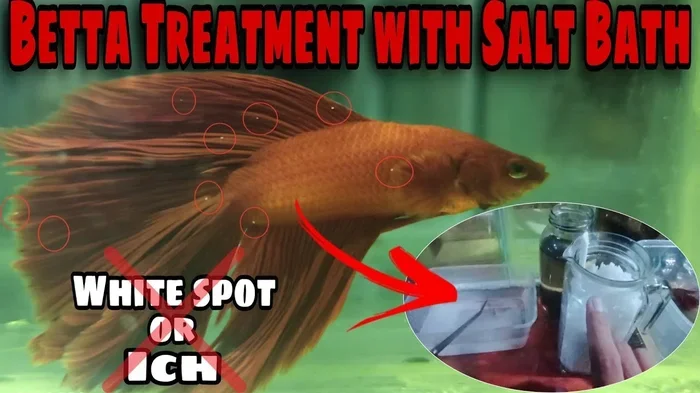
Ich is one of the most common diseases affecting betta fish, but it is also one of the most treatable. This guide covers everything you need to know about identifying, treating, and preventing ich in your betta fish tank. You will learn proven methods, medications, and simple prevention strategies that any fish owner can use.
If you have ever noticed tiny white spots on your betta fish, you have probably encountered ich. This tiny parasite, known scientifically as ichthyophthirius multifiliis, is one of the most widespread fish diseases in the aquarium hobby. The good news? ich betta fish infections are highly treatable, especially when you catch them early. In this guide, you will learn exactly how to identify, treat, and prevent ich so your betta stays healthy and happy.
Many fish owners panic when they see those little white dots on their betta’s fins and body. But there is no need to fear. With the right approach, you can clear up white spot disease in just a few days. Whether you are a beginner or a seasoned aquarist, this article gives you practical, step-by-step advice you can start using right away.
Key Takeaways
- Early detection is critical: Catching ich betta fish symptoms early makes treatment much faster and more effective.
- Temperature and salt are your first line of defense: Raising tank temperature and using aquarium salt can eliminate ich parasites naturally.
- Prevention beats treatment every time: Regular water changes and proper fish tank maintenance keep ich from ever taking hold.
- Quarantine new fish before adding them: A simple quarantine tank stops parasitic infections from spreading to your betta.
- Stress weakens your betta’s immune system: Reducing stress in betta fish through proper care helps them fight off disease on their own.
- Medication works when home remedies are not enough: Commercial ich treatment products can clear stubborn infections quickly.
📑 Table of Contents
What Is Ich in Betta Fish?
Ich, also called white spot disease, is caused by a tiny parasitic organism that attaches itself to your betta’s skin, gills, and fins. The parasite feeds on your fish’s cells and fluids, causing irritation and damage. As the parasite matures, it falls off the fish and forms white cysts on surfaces in the tank. Those cysts then release hundreds of new parasites, which quickly seek out new hosts.
Understanding the life cycle of fish parasites is essential for effective treatment. Ich has three main stages:
- Trophont: The feeding stage, where the parasite burrows into your betta’s skin. This is when you see the white spots.
- Tomont: The reproductive stage, where the parasite falls off and forms a protective cyst on tank surfaces.
- Theront: The free-swimming stage, where new parasites look for a host to infect.
The reason ich is so tricky to treat is that the cyst stage is protected from most medications. Treatment needs to target the free-swimming theronts, which is why raising the aquarium temperature speeds up the parasite’s life cycle and makes it vulnerable to treatment faster.
Signs and Symptoms of Ich in Betta Fish
Catching ich betta fish early is the single most important factor in successful treatment. Watch for these common betta fish symptoms:
- White spots: Small, salt-like dots on the body, fins, and gills. These are the most obvious sign.
- Scratching or flashing: Your betta rubs against decorations or gravel to relieve irritation.
- Rapid breathing: Infected fish often breathe quickly at the water surface.
- Clamped fins: Fins stay close to the body instead of being spread out.
- Loss of appetite: Your betta stops eating or shows little interest in food.
- Lethargy: The fish becomes less active and spends more time hiding or resting at the bottom.
If you notice any combination of these signs, act quickly. The longer you wait, the more the infection spreads. Fish disease prevention starts with daily observation. Spending just a few minutes watching your betta each day helps you catch problems before they become serious.
How to Treat Ich in Betta Fish
Treating ich requires a two-pronged approach: creating an environment where the parasite cannot thrive, and using targeted ich treatment methods. Here are the most effective strategies.
Raise the Tank Temperature
One of the simplest and most effective ways to fight ich betta fish infections is to raise the water temperature. Ich parasites reproduce faster in warmer water, which shortens their life cycle and makes them vulnerable to treatment. Increase the temperature gradually to about 78-80°F (25-27°C).
Important: Raise the temperature slowly, no more than 2°F per day. A sudden temperature change adds stress to your betta, which weakens its immune system and works against your goal. If you are not sure how to adjust your heater, check your tank thermometer frequently during the treatment period.
Use Aquarium Salt
Aquarium salt is a gentle yet powerful tool against ich. It helps your betta’s slime coat recover and creates an environment where parasites struggle to survive. Add one teaspoon of aquarium salt per gallon of water. Use pure aquarium salt or betta-safe salt — never use table salt, which contains additives that harm fish.
Leave the salt in the tank for about 7-10 days. During this time, perform small water changes without adding more salt, as salt does not evaporate. The salt treatment works best in combination with raised temperature, giving you a powerful one-two punch against the parasite.
Medication for Fish
If the infection is severe or does not respond to temperature and salt, commercial medication for fish may be necessary. Look for products containing malachite green or formalin, which are proven to kill free-swimming ich theronts. Follow the dosage instructions on the package carefully.
Some medications remove beneficial bacteria from your filter, so you may want to dose the tank in a separate container or use a quarantine tank. This protects your tank’s biological balance while your betta recovers. Many experienced aquarists also recommend salt baths as a supplementary treatment for stubborn cases.
Improve Water Quality
Poor water quality is the number one trigger for ich outbreaks. Dirty water weakens your betta’s immune system and creates ideal conditions for parasites to multiply. During treatment, increase your water change frequency to 25-30% every two days. Use a gravel vacuum to remove debris and waste from the substrate.
Always make sure your tap water is treated before adding it to the tank. Water conditioner removes chlorine and chloramine, which further stress your fish. Clean, well-maintained water gives your betta the best chance of a full fish recovery.
How to Prevent Ich from Returning
Treatment is only half the battle. The real goal is to make sure ich never comes back. Fish disease prevention relies on consistent, everyday habits that keep your betta’s environment healthy and low-stress.
Maintain Stable Water Parameters
Test your water regularly for ammonia, nitrite, and nitrate levels. These water parameters directly affect your betta’s immune system. Keep ammonia and nitrite at zero, and nitrate below 20 ppm. A reliable test kit is one of the most important investments you can make as a fish owner.
Stable water quality also means stable temperature. Fluctuations in aquarium temperature stress your betta and make it more susceptible to parasitic infections. Use a quality heater with a thermostat and check it weekly.
Reduce Stress in Betta Fish
Stress is the biggest enemy of betta fish health. A stressed betta cannot fight off infections effectively. Common stressors include:
- Overcrowded tanks or aggressive tank mates
- Sudden changes in water temperature or chemistry
- Lack of hiding places or enrichment
- Poor water quality
- Handling or netting too frequently
If your betta shows signs of stress in betta fish — such as hiding constantly, losing color, or refusing food — address the cause immediately. Treating a stressed betta early prevents a cascade of secondary health problems, including ich outbreaks.
Quarantine New Fish and Plants
One of the most effective ways to prevent ich is to quarantine all new additions before introducing them to your main tank. Set up a small quarantine tank and observe new fish for at least two weeks. This isolation period lets you spot any signs of parasitic infection before they reach your betta.
The same applies to live plants, which can carry ich cysts on their leaves. Rinse plants thoroughly and consider dipping them in a mild salt solution before adding them to your tank. A few days of caution saves weeks of treatment later.
Practice Good Fish Tank Maintenance
Consistent fish tank maintenance is the backbone of ich prevention. Stick to a regular schedule:
- Perform 25-30% water changes every week.
- Vacuum the gravel to remove uneaten food and waste.
- Clean or replace filter media in old tank water, never tap water.
- Test water parameters weekly.
- Remove any dead plant leaves or uneaten food promptly.
Following these simple steps dramatically reduces the chance of an ich outbreak. Proper betta care includes all of these habits and more, forming a complete routine that keeps your fish thriving.
Common Mistakes When Treating Ich
Even experienced fish owners make mistakes when dealing with ich. Avoid these common pitfalls to ensure your treatment is successful:
- Raising the temperature too quickly: A sudden spike in temperature shocks your betta and can worsen the infection. Always increase temperature gradually.
- Using table salt instead of aquarium salt: Table salt contains iodine and anti-caking agents that are harmful to fish. Only use pure aquarium or betta-safe salt.
- Stopping treatment too early: Even if the white spots disappear, the parasite may still be present in the tank. Continue treatment for at least 7-10 days after symptoms vanish.
- Ignoring the quarantine tank: Treating ich in the main tank exposes beneficial bacteria to medication, which can crash your nitrogen cycle. A quarantine tank protects your biological filter.
- Overmedicating: More medication is not better. Follow dosage instructions precisely and never double up on treatments without researching interactions.
Learning from these mistakes saves you time, money, and most importantly, your betta’s health. Every aquarist makes errors, but the ones who succeed are the ones who learn and adapt.
Expert Tips for Long-Term Betta Fish Health
Preventing ich is really about building a strong foundation for overall betta fish care. Here are some expert-backed tips that go beyond just fighting parasites:
- Feed a varied diet: High-quality pellets, frozen bloodworms, and brine shrimp keep your betta’s immune system strong. A well-nourished fish fights off disease more effectively.
- Keep the tank clean but not sterile: Beneficial bacteria are your allies. They process waste and keep the tank ecosystem balanced. Avoid over-cleaning, which strips away these essential bacteria.
- Observe your betta daily: Spend a few minutes each day watching your fish. Noticing subtle changes in behavior, appetite, or appearance gives you a huge advantage in catching problems early.
- Keep a quarantine tank ready: Even if you are not currently treating any fish, having a spare tank set up means you can isolate a sick fish immediately without scrambling to prepare one.
- Research before buying new fish: Understanding the needs of any new addition prevents compatibility issues that lead to stress and disease.
These habits take minimal effort but pay off enormously over time. A healthy betta in a well-maintained tank rarely falls victim to ich or other common diseases. The best ich treatment is prevention, and prevention starts with you.
Remember that every betta fish is different, and what works for one may need slight adjustments for another. Patience and consistency are your greatest tools. If you follow the steps outlined in this guide, you will be well-equipped to handle ich and keep your betta thriving for years to come.
For more information on related topics, explore our guides on treating ich specifically, overall betta care, and whether ich spreads to tank mates. These resources give you a complete picture of managing and preventing ich in your aquarium.
Take action today. Check your tank temperature, inspect your betta for any white spots, and make sure your water quality is on point. A few minutes of attention now can save your betta from a much harder battle later. Your fish depends on you, and with the knowledge in this guide, you are more than ready to keep it healthy and ich-free.
Frequently Asked Questions
What causes ich in betta fish?
Ich is caused by a parasitic protozoan called ichthyophthirius multifiliis. It is already present in most aquarium environments and only causes outbreaks when fish are stressed or water quality is poor. Raising the temperature and improving water conditions are the first steps to eliminating the parasite.
How long does it take to treat ich in betta fish?
With proper treatment, most ich infections clear up within 7 to 14 days. Raising the water temperature to 78-80°F and using aquarium salt speeds up the process. Continue treatment for several days after the white spots disappear to ensure all parasites are fully eliminated.
Can ich kill a betta fish?
Yes, if left untreated, ich can be fatal, especially for young or already weakened bettas. The parasites damage the gills and skin, making it difficult for the fish to breathe and fight off secondary infections. Early detection and prompt treatment are essential for a full recovery.
Is ich contagious to other fish in the tank?
Yes, ich is highly contagious and can spread rapidly to other fish in the same tank. Free-swimming theronts infect any fish they come into contact with. If you notice ich on one fish, treat the entire tank immediately and consider isolating affected fish in a quarantine tank.
Can I treat ich without medication?
Yes, mild ich infections can often be treated without medication by raising the water temperature to 80°F and adding aquarium salt at one teaspoon per gallon. This combination accelerates the parasite’s life cycle and weakens it, allowing your betta’s immune system to clear the infection naturally.
How can I prevent ich from coming back?
Prevent ich by maintaining stable water quality, performing regular water changes, quarantining new fish for two weeks, and reducing stress in your betta’s environment. A consistent fish tank maintenance routine is the best long-term defense against recurring parasitic infections and keeps your betta healthy year-round.
=== CONCLUSION ===
Treating and preventing ich betta fish infections is entirely achievable with the right knowledge and consistent effort. The key is to act fast when you spot symptoms, use proven methods like temperature adjustment and aquarium salt, and maintain excellent water quality to keep your betta’s immune system strong. Prevention through regular maintenance, quarantine practices, and stress reduction is always more effective than treating a full-blown outbreak.
By following the strategies in this guide, you give your betta the best possible chance of staying healthy and ich-free. Keep observing your fish daily, keep your tank clean, and keep learning. Your dedication to proper betta fish care makes all the difference, and your betta will reward you with vibrant color and lively behavior for years to come.