Why Does My Betta Fish Look Like It’s Shedding
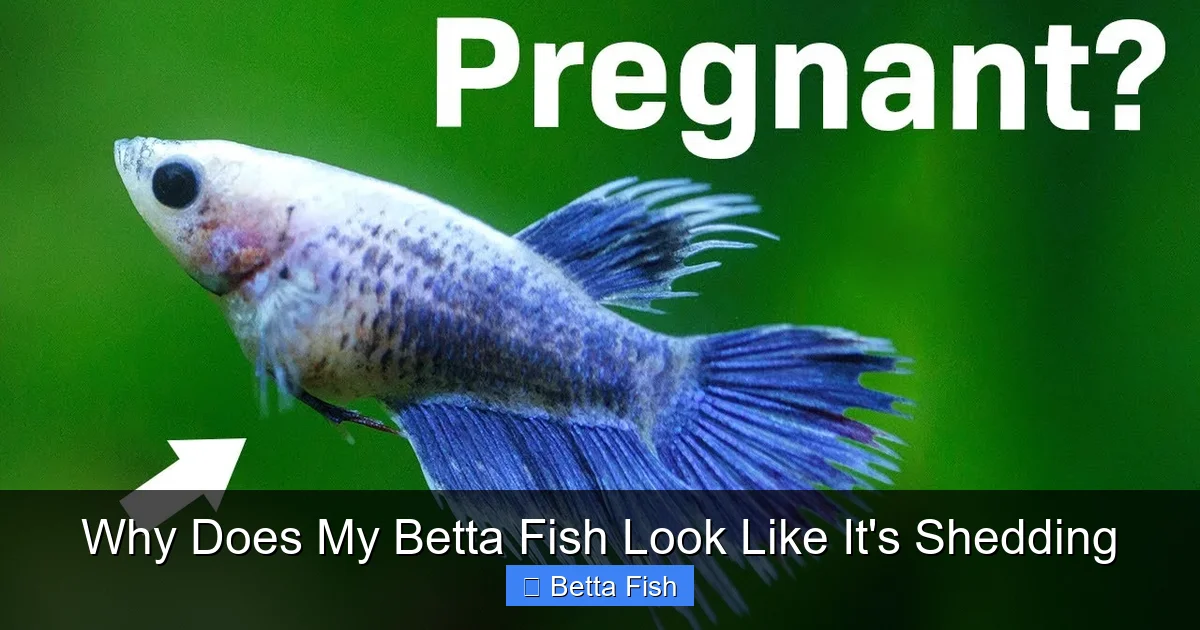
Seeing your betta’s skin look flaky or “shedding” can be alarming, but it’s often a sign of water issues, stress, or a minor skin condition. Identify the real cause, adjust tank conditions, and act quickly to restore your fish’s sparkle.
Key Takeaways
- Shedding isn’t true molting: Betta fish don’t shed like reptiles; flaky skin usually means stress or disease.
- Water quality is the biggest factor: Poor parameters trigger skin irritation and slime coat loss.
- Look for parasites or fungal growth: These can mimic shedding and need specific treatment.
- Diet and nutrition matter: A balanced, high‑quality diet supports a healthy slime coat.
- Tank setup matters too: Proper filtration, temperature, and décor reduce stress.
- Quick action prevents escalation: Early intervention stops minor issues from becoming fatal.
- Regular observation is key: Frequent checks help you catch problems before they worsen.
📑 Table of Contents
- Introduction: When Your Betta Looks Like It’s Shedding
- 1. Understanding Betta Skin and the Slime Coat
- 2. Water Quality – The Most Common Culprit
- 3. Parasites and Fungal Infections
- 4. Nutritional Factors
- 5. Stressors in the Environment
- 6. When to Seek Professional Help
- Conclusion: Keep Your Betta’s Coat Shiny and Healthy
Introduction: When Your Betta Looks Like It’s Shedding
Imagine walking up to your betta’s tank and seeing a faint, flaky layer on its body, almost like a fish‑scale dusting. Your first thought might be, “Is my betta shedding?” Unlike snakes or lizards, bettas don’t actually shed a skin layer. What you’re likely witnessing is a sign that something in the tank or in your fish’s health needs attention.
In this friendly guide we’ll walk through the most common reasons why a betta appears to be shedding, how to tell the difference between harmless slime‑coat loss and a serious infection, and what practical steps you can take right now. By the end, you’ll feel confident spotting the problem early and fixing it before it harms your finned friend.
1. Understanding Betta Skin and the Slime Coat
What is the slime coat?
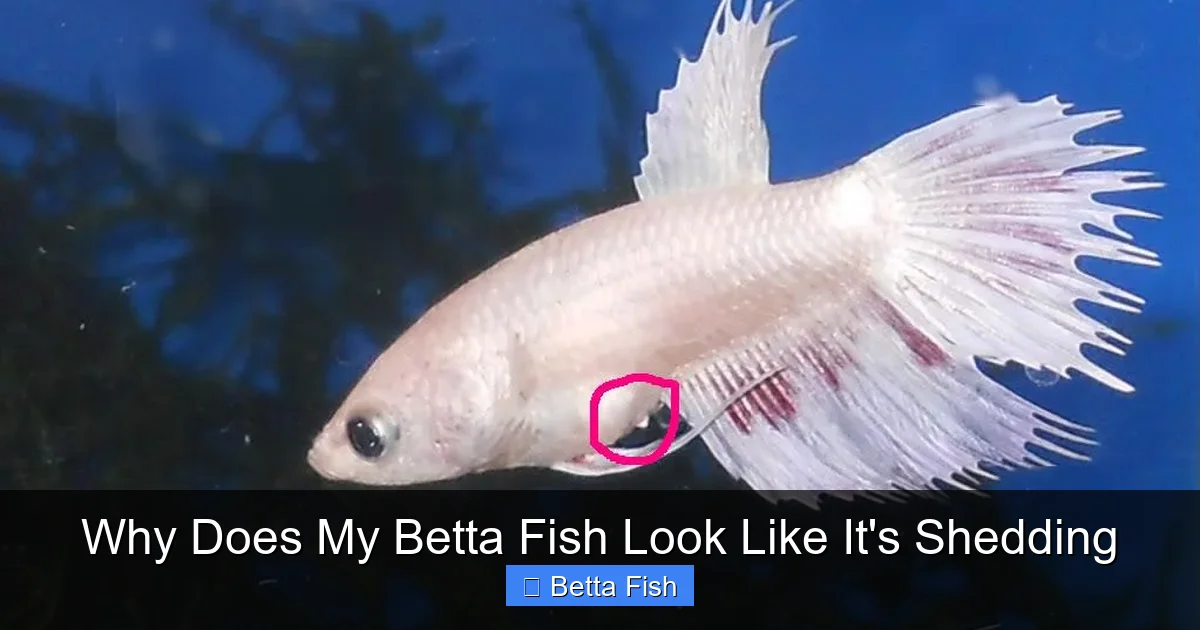
The slime coat is a thin, mucous‑rich layer that covers every fish. It acts like a natural moisturizer, protects against bacteria, and reduces friction in the water. When the coat is intact, your betta looks glossy and vibrant.
Visual guide about Why Does My Betta Fish Look Like It’s Shedding
Image source: japanesefightingfish.org
Why does the slime coat sometimes appear “flaky”?
Stress, poor water, or a mild infection can cause the slime coat to thin or break, leaving a dusty, flaky appearance. This is often mistaken for shedding because the fish’s scales may seem dull or slightly lifted.
2. Water Quality – The Most Common Culprit
Key parameters to monitor
- Temperature: Keep it between 76‑82°F (24‑28°C). Sudden changes stress the slime coat.
- pH: Aim for 6.5‑7.5. Extreme pH swings can irritate skin.
- Ammonia & Nitrite: Both must be 0 ppm. Even low levels damage the protective layer.
- Nitrate: Below 20 ppm is ideal for bettas.
How to improve water quickly
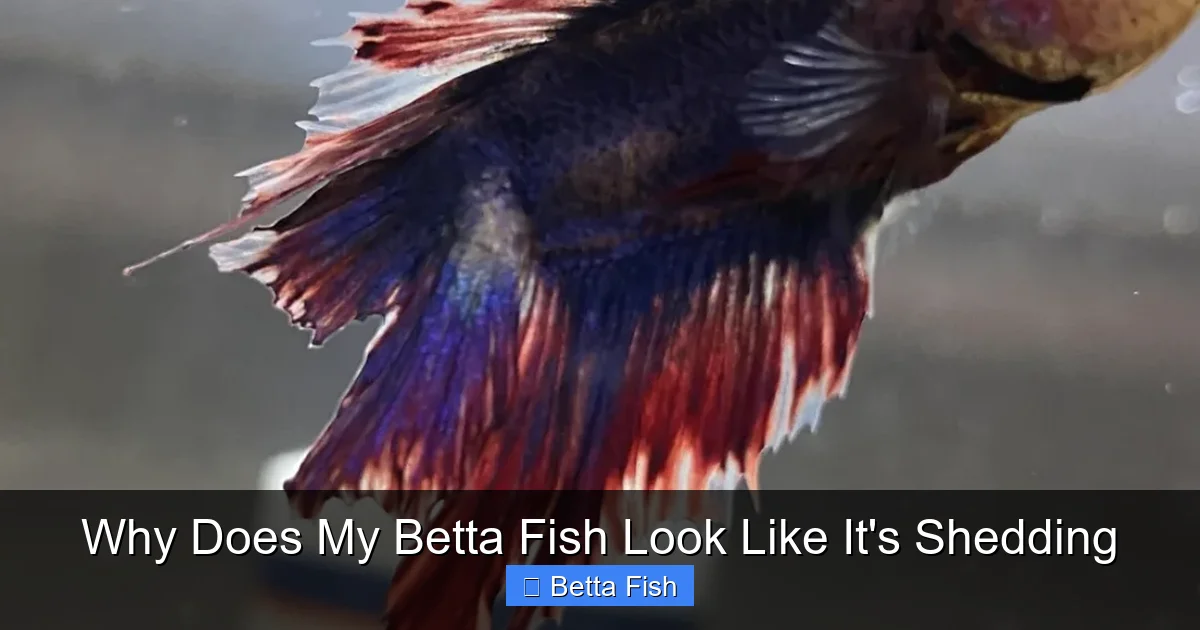
Do a 25‑30 % water change with conditioned water, test the parameters, and adjust the heater or filter as needed. Adding a small dose of aquarium salt (½ tsp per 5 gal) can help restore the slime coat’s integrity.
Visual guide about Why Does My Betta Fish Look Like It’s Shedding
Image source: wildbettablog.com
For a deeper dive into tank‑related signs, see our article on why does my betta fish look bloated, which also covers water‑quality impacts.
3. Parasites and Fungal Infections
Common parasites that look like shedding
Ich (white spot disease) and Costia can cause tiny white flakes that resemble shed skin. A fungal infection often appears as cotton‑like growths on the sides or fins.
Spotting the difference
Parasites usually create distinct spots or moving specks, while fungal growth feels fuzzy to the touch. If you see white cotton patches, you’re likely dealing with fungus.
Treatment basics
Use a broad‑spectrum antiparasitic medication for ich or a fungicide for fungal growth. Follow the product directions carefully and continue a water change schedule to keep the environment clean.
4. Nutritional Factors
Why diet matters for skin health
A betta fed only low‑quality flakes may lack essential fatty acids that keep the slime coat strong. Look for foods enriched with omega‑3 and omega‑6 fats.
Best foods to support a healthy coat
- High‑quality betta pellets (preferably with real fish meal).
- Frozen or live brine shrimp and daphnia, offered 2‑3 times a week.
- A small amount of finely chopped bloodworms for extra protein.
Supplements to consider
Adding a pinch of aquarium‑grade vitamin supplement once a week can boost immunity and skin resilience.
5. Stressors in the Environment
Tank mates and overcrowding
Betta males are territorial. Even small, non‑aggressive tank mates can cause stress that weakens the slime coat.
Improper décor
Sharp ornaments or rough gravel can scrape the skin, leading to flaking. Use smooth, betta‑friendly plants and soft substrate.
Lighting and noise
Constant bright light or loud vibrations (e.g., from nearby speakers) can keep a betta on edge. Provide a dim‑light cycle of 8‑10 hours and a quiet spot.
6. When to Seek Professional Help
Red flags that need immediate action
- Rapid loss of color or whitening of scales (see why are my betta fish’s scales turning white).
- Fins looking shredded or ragged (read why does my betta fish fins look shredded).
- Labored breathing, constant hiding, or loss of appetite.
What a vet can do
A qualified aquatic veterinarian can run skin scrapes, prescribe targeted medications, and give you a tailored care plan.
Conclusion: Keep Your Betta’s Coat Shiny and Healthy
Seeing what looks like shedding can be scary, but most of the time the issue is linked to water quality, stress, or a minor skin problem that you can fix at home. By monitoring parameters, feeding a balanced diet, and providing a calm, well‑decorated tank, you’ll give your betta the best chance to keep its natural glow. Remember to act fast—early care stops a simple flake from becoming a fatal infection.
Stay observant, keep the water clean, and enjoy the vibrant beauty of a healthy betta!
Frequently Asked Questions
Why does my betta fish look flaky?
Flakiness usually means the slime coat is weakened, often due to poor water quality, stress, or a mild infection.
Can bettas actually shed their skin?
No, bettas do not shed like reptiles. What appears as shedding is usually a loss of slime coat or a skin condition.
How often should I change my betta’s water to prevent shedding?
Change 25‑30 % of the water weekly, testing for ammonia, nitrite, nitrate, and pH each time.
What home remedy can help restore a damaged slime coat?
A small dose of aquarium salt (½ tsp per 5 gal) added during a water change can help rebuild the slime coat quickly.
When should I consider medication?
If you see white spots, fuzzy growths, or the flakiness worsens despite water changes, it’s time to treat for parasites or fungus.
Is it normal for bettas to look white after a water change?
Temporary paling can happen if the water temperature shifts quickly, but lasting white patches may signal a health issue and should be investigated.