Is It Okay for Betta Fish to See Each Other
It is okay for betta fish to see each other in many setups, but the outcome depends heavily on tank size, tank mates, and individual temperament. Bettas have decent vision and can recognize other fish, which means visibility directly impacts their stress and aggression levels. Knowing how to manage what your betta sees is the key to a peaceful aquarium.
Is it okay for betta fish to see each other? This is one of the most common questions new betta owners ask. The short answer is: it depends. Bettas have surprisingly good vision, and what they see around them directly affects how they feel and behave. A betta that constantly sees another aggressive fish may become stressed, stop eating, or even injure itself. On the other hand, some setups allow bettas to share visual space without any problems at all.
Understanding betta fish vision and behavior is the first step toward creating a happy, healthy aquarium. In this guide, we will walk through everything you need to know about betta fish seeing each other, what goes wrong, what goes right, and how you can set up your tank for success. Whether you are a beginner or a seasoned fish keeper, these tips will help you make better decisions for your aquatic pets.
Key Takeaways
- Betta fish can see clearly: Their vision allows them to detect movement, color, and other fish in the tank.
- Seeing each other can trigger aggression: Male bettas often flare and show stress when they spot another betta or colorful fish.
- Tank placement matters a lot: Where you place the aquarium affects how much your betta sees and how stressed it becomes.
- Tank dividers are a smart solution: They let bettas see without direct contact, reducing fights and territorial behavior.
- Female bettas handle visibility better: They are generally less aggressive and can coexist more peacefully when they can see each other.
- Choosing the right tank mates helps: Peaceful, non-colorful fish reduce the visual triggers that cause betta stress.
- Monitor your betta closely: Watch for signs of stress like flaring, hiding, or loss of color when adjusting visibility.
📑 Table of Contents
- How Well Can Betta Fish See?
- What Happens When Betta Fish See Each Other?
- Does Tank Placement Affect Betta Behavior?
- Can Betta Fish Live Next to Each Other Safely?
- Signs Your Betta Is Stressed from Seeing Another Fish
- Quick Tips for Managing Betta Visibility
- Common Mistakes Owners Make With Betta Visibility
- Expert Insights on Betta Fish Vision and Social Dynamics
- Conclusion
How Well Can Betta Fish See?
Many people underestimate how good a betta’s eyesight actually is. Bettas belong to a group of fish called anabantoids, and they have evolved to navigate complex environments in shallow, warm waters. Their eyes are designed to detect movement, color, and changes in light. This means your betta can definitely notice another fish in the same tank or even in a nearby tank.
The Science Behind Betta Vision
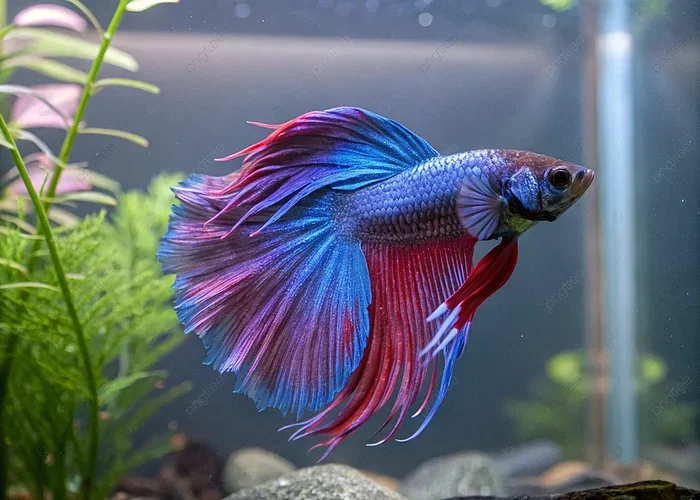
Betta fish have monocular vision, which means each eye works independently. This gives them a wide field of view, allowing them to spot movement from almost any direction. They can see colors quite well, especially reds, blues, and greens. This is important because bright colors on another fish can trigger a betta’s territorial instincts.
Bettas also have a special organ called the labyrinth organ, which helps them breathe air at the surface. But their vision is what primarily guides their daily behavior. They use sight to find food, explore their environment, and assess other fish. When a betta sees another colorful or aggressive fish, its brain immediately processes it as a potential threat or rival.
What Happens When Betta Fish See Each Other?
The way bettas react to seeing each other depends on several factors. Gender, tank setup, personality, and the presence of hiding spots all play a role. Let us break down the most common scenarios.
Male Betta vs. Male Betta
When two male bettas can see each other, the results are almost always bad. Males are highly territorial and will flare their gills, spread their fins, and attack anything that looks like a rival. This constant confrontation causes extreme stress. Over time, the fish may stop eating, lose color, or develop diseases. Never house two male bettas in the same tank, even with a divider that they can see through.
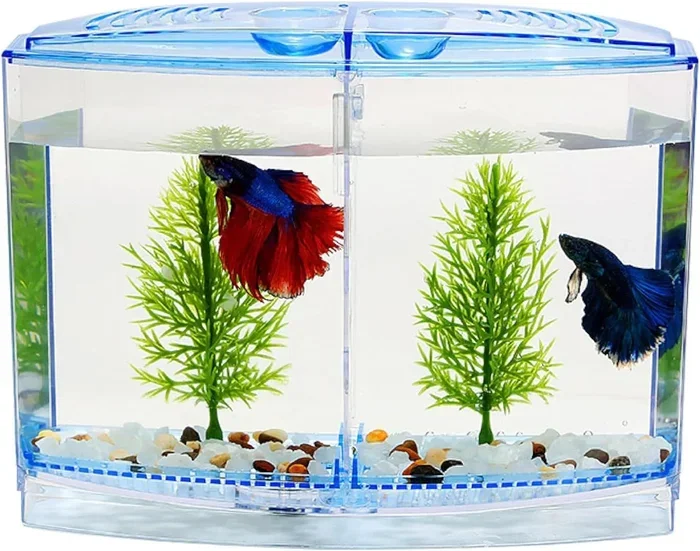
Some hobbyists use tank dividers to keep two males separated but still allow them to see each other. This is not recommended. The visual contact alone is enough to trigger ongoing aggression. If you must keep males in the same room, use opaque dividers or position the tanks so they cannot see each other.
Male Betta vs. Female Betta
A male and female betta can sometimes live together, but only under very specific conditions. Even then, seeing each other constantly can cause problems. The male may chase the female, especially during breeding periods. If you plan to keep a male and female together, provide plenty of plants and caves so the female has places to hide.
For more details on this topic, check out our guide on Can Female Betta Fish Live With Each Other. It covers female-female dynamics in great detail.
Female Betta vs. Female Betta
Female bettas are generally less aggressive than males. A group of females, sometimes called a betta sorority, can live together if the tank is large enough and well-planted. When female bettas see each other, they may establish a hierarchy, but serious fights are less common. Still, you should monitor them closely during the first few weeks.
Does Tank Placement Affect Betta Behavior?
Yes, where you place your betta tank has a huge impact on how your fish feels. Many new owners set up their aquarium in a spot where the betta can see other fish tanks, busy rooms, or even its own reflection. All of these visual triggers can cause stress and unwanted behavior.
Avoid Reflective Surfaces
Bettas cannot tell the difference between their own reflection and another fish. If your tank is placed against a mirror-like surface, your betta may spend hours flaring at itself. This is exhausting and harmful. Move the tank to a spot with a matte wall behind it, or add floating plants to break up reflections.
Keep Tanks Out of Direct Line of Sight
If you have multiple aquariums in the same room, make sure your betta’s tank is not directly facing another tank. A betta that constantly sees other fish will stay on high alert. This elevated stress level weakens its immune system over time. Use room dividers, curtains, or strategic furniture placement to block sightlines between tanks.
For more tips on creating the right environment, see our article on Is It Good To Keep Betta Fish At Home.
Can Betta Fish Live Next to Each Other Safely?
The idea of betta fish living next to each other is appealing but requires careful planning. There are ways to allow bettas to share a space visually without putting them in danger. The key is managing the visual and physical barriers in your setup.
Using Tank Dividers
A tank divider is a mesh or plastic panel that splits one aquarium into two sections. This lets two bettas live in the same water and same heater but remain physically separated. However, as mentioned earlier, dividers that allow full visibility can still cause stress. If you use a divider, choose one with limited visibility or add plants and decorations on both sides to break the line of sight.
Choosing Compatible Tank Mates
Instead of housing bettas with other bettas, consider peaceful species that do not trigger territorial behavior. Good options include:
- Corydoras catfish — they stay at the bottom and mind their own business.
- Neon tetras — small, fast, and non-threatening.
- Mystery snails — they move slowly and do not bother bettas.
- Ghost shrimp — mostly invisible and very peaceful.
These tank mates are less likely to set off a betta’s aggression because they lack bright colors and do not invade the betta’s territory. For a deeper dive into this topic, visit our page on Do Betta Fish Get Along With Each Other.
The Role of Plants and Hiding Spots
Live plants are your best friend when managing betta fish behavior. Dense vegetation creates natural barriers that break up sightlines. When a betta cannot see another fish clearly, it is less likely to feel threatened. Java moss, Amazon sword plants, and floating water sprite all work wonderfully to create visual privacy in the tank.
Signs Your Betta Is Stressed from Seeing Another Fish
Not all stress shows up immediately. Bettas are good at hiding discomfort, but there are clear warning signs you should watch for.
Common Stress Indicators
- Constant flaring — your betta flares its gills and fins frequently, even when no other fish is nearby.
- Loss of color — a stressed betta will fade in color, sometimes looking pale or washed out.
- Hiding excessively — if your usually active betta spends all its time behind plants or in corners, something is wrong.
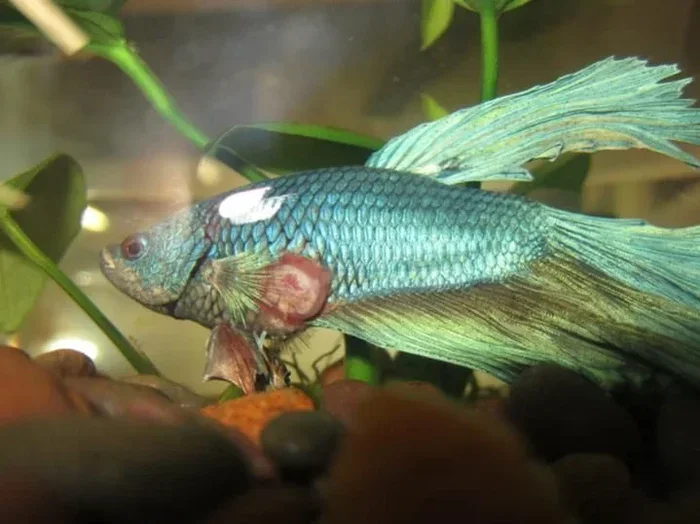
- Refusing food — a betta that stops eating may feel threatened by what it sees in the tank.
- Clamped fins — fins held close to the body signal discomfort and anxiety.
- Erratic swimming — darting or frantic swimming can mean the fish feels cornered or unsafe.
If you notice any of these signs, take action quickly. Remove visual triggers, add more plants, or consider rearranging the tank layout. Sometimes simply changing the angle of the tank can make a big difference.
Quick Tips for Managing Betta Visibility
Here are some fast, practical tips you can apply right away to keep your betta comfortable:
- Use floating plants to soften the view from above and reduce reflections.
- Place the tank against a solid wall instead of a window or mirror.
- Add decorations on both sides of the tank to break up long sightlines.
- Choose tank mates carefully — avoid bright, flashy fish that trigger territorial responses.
- Monitor behavior daily and adjust the setup if you notice any signs of stress.
- Keep the tank size appropriate — a larger tank gives fish more space to establish territories and reduces confrontations.
Common Mistakes Owners Make With Betta Visibility
Even experienced fish keepers sometimes make mistakes when managing what their bettas can see. Here are the most common ones to avoid.
Placing Two Betta Tanks Too Close Together
It is tempting to line up multiple betta tanks on a shelf. But if the tanks are close enough for the fish to see each other, each betta will flare and stay stressed all day. Give each tank its own space, and use visual barriers between them.
Ignoring the Reflection Problem
Many owners do not realize their tank is reflecting a mirror image of the betta. This happens with glass tanks placed against shiny surfaces. A betta that fights its own reflection every day will eventually wear itself out. Check for reflections at different times of the day and adjust the tank position if needed.
Overcrowding the Tank
Adding too many fish to a small tank increases visual stimulation and territorial tension. A cramped space means every fish is always in another fish’s line of sight. Stick to appropriate tank sizes and stocking levels to keep everyone comfortable.
Expert Insights on Betta Fish Vision and Social Dynamics
Veterinarians and experienced aquarists agree that betta fish are visual creatures with strong territorial responses. Dr. Jessie Sanders, a certified aquatic veterinarian, has noted that visual triggers are one of the most overlooked sources of chronic stress in captive bettas. The key insight is that it is not just about physical contact — the ability to see another fish is often enough to trigger a full stress response.
Expert aquarists recommend thinking of your betta’s tank as its territory. Just like a dog might react to seeing another dog through a fence, your betta reacts to what it can see. The goal is to create an environment where your betta feels secure and in control of its visual space.
For more on how bettas interact visually, you may also want to read about Can Betta Fish See Each Other, which goes deeper into the science of fish vision.
Conclusion
So, is it okay for betta fish to see each other? The answer is nuanced. In some cases, shared visibility works fine — especially with female bettas in a well-planted sorority tank or when a betta shares space with calm, non-threatening tank mates. But in most situations, especially with male bettas, constant visual contact leads to stress, aggression, and health problems.
The best approach is to be intentional about your tank setup. Control what your betta sees by using plants, decorations, and smart tank placement. Watch your fish closely for signs of stress and adjust as needed. With the right approach, you can keep your betta fish happy, healthy, and visually comfortable in any environment you create.
Remember, a calm betta is a healthy betta. Take the time to understand its visual world, and you will be rewarded with a vibrant, active, and thriving fish that brings joy to your home for years to come.
Frequently Asked Questions
Can betta fish recognize each other by sight?
Yes, bettas have good enough vision to recognize other fish, including other bettas. They can detect colors, movement, and body shapes, which is why they often flare at fish that look similar to them. This recognition is part of why visual contact between two male bettas is so problematic.
Will a betta fish attack another fish it can see?
It is very likely, especially if the other fish is a male betta or a brightly colored fish. Bettas have strong territorial instincts, and seeing a perceived rival triggers flaring and chasing behavior. This is why tank setup and tank mate selection are so important.
Is it safe for a betta to see its own reflection?
No, a betta cannot tell the difference between its reflection and another fish. It will flare and behave aggressively toward the image, which causes stress and exhaustion over time. Use matte backgrounds or floating plants to eliminate reflections.
Can female bettas live together and still see each other?
Yes, female bettas can sometimes live together in a sorority setup where they can see each other. However, the tank must be large enough with plenty of plants and hiding spots. Even then, you should monitor them closely for any signs of bullying or aggression.
How can I block my betta’s view of other fish in the room?
You can use room dividers, curtains, or even rearrange furniture to block sightlines. You can also place plants and decorations inside the tank to limit what your betta can see. The goal is to reduce visual triggers that cause stress and territorial behavior.
Do tank dividers work if bettas can still see each other?
Dividers that allow full visibility are not ideal. They prevent physical contact but do not stop the stress of seeing another fish. If you use a divider, choose one with limited visibility and add plenty of plants on both sides to break the line of sight.