Yes, betta fish can absolutely spread ich to their tank mates — and it happens more often than most hobbyists realize. Ich is one of the most contagious freshwater fish diseases, and a single infected betta can quickly turn an entire community tank into a crisis. Understanding how ich spreads, what early signs to catch, and how to treat it fast is essential for keeping every fish in your aquarium safe and healthy.
Key Takeaways
- Highly contagious parasite: Ich (Ichthyophthirius multifiliis) spreads rapidly from an infected betta fish to every other fish in the same tank through free-swimming theronts in the water column.
- Salt-like white spots are the telltale sign: The most recognizable symptom of ich is small white dots resembling grains of salt on the fins, gills, and body of affected fish.
- Stress triggers outbreaks: Poor water quality, temperature fluctuations, and overcrowding weaken a betta’s immune system, making them more susceptible to carrying and spreading ich.
- Early detection saves lives: Catching ich in the first 24–48 hours dramatically increases the survival rate of all tank mates before the parasite completes its life cycle.
- Treat the entire tank, not just the betta: Since ich parasites live in the water and substrate, isolating the betta alone is not enough — the whole aquarium needs treatment.
- Quarantine new fish: Always quarantine new additions for at least two weeks before introducing them to a community tank to prevent bringing ich in.
- Prevention is easier than cure: Maintaining stable water parameters, proper temperature, and low stress levels is the most reliable way to keep ich from ever appearing.
📑 Table of Contents
- Can Betta Fish Really Spread Ich to Other Fish?
- What Exactly Is Ich and How Does It Work?
- How Betta Fish Specifically Spread Ich to Tank Mates
- Early Symptoms of Ich in Betta Fish and Tank Mates
- How to Treat Ich in a Tank with Betta Fish and Tank Mates
- Preventing Ich from Spreading in the First Place
- Can Ich Kill Betta Fish and Their Tank Mates?
- Final Thoughts
Can Betta Fish Really Spread Ich to Other Fish?
If you have ever noticed tiny white spots on your betta fish and wondered whether the rest of your aquarium is in danger, you are not alone. This is one of the most common questions in the freshwater fishkeeping community. The short answer is yes — betta fish can and will spread ich to their tank mates if conditions allow it. Ich is not picky about which fish it infects. It does not matter whether you keep neon tetras, guppies, corydoras, or other species alongside your betta. Once the parasite is in the water, every fish is a potential host.
Ich, short for Ichthyophthirius multifiliis, is a protozoan parasite that has been plaguing aquarium fish for as long as people have kept them. It is incredibly resilient, highly contagious, and unfortunately one of the leading causes of fish death in home aquariums worldwide. The reason it spreads so easily is tied directly to its life cycle — something every betta owner should understand if they want to protect their entire tank.
In this article, we will break down exactly how ich spreads from a betta fish to other tank mates, what symptoms to look for, how to treat an active outbreak, and most importantly, how to prevent ich from ever entering your aquarium in the first place. Whether you are a beginner or a seasoned hobbyist, this guide will give you everything you need to know.
What Exactly Is Ich and How Does It Work?
The Parasite Behind the Problem
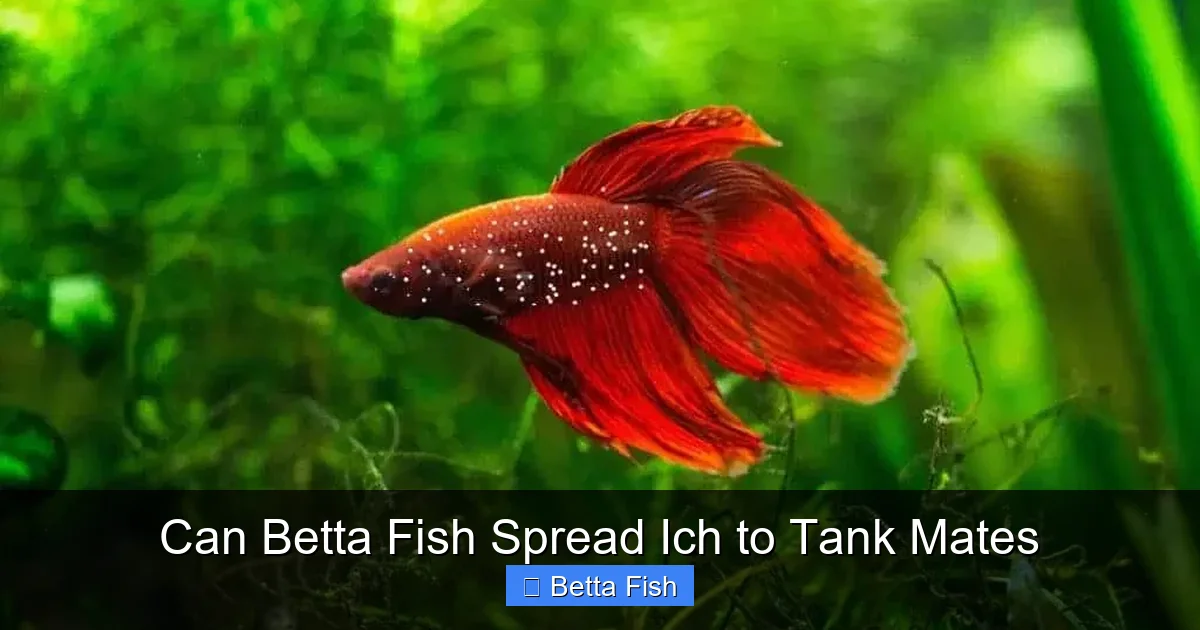
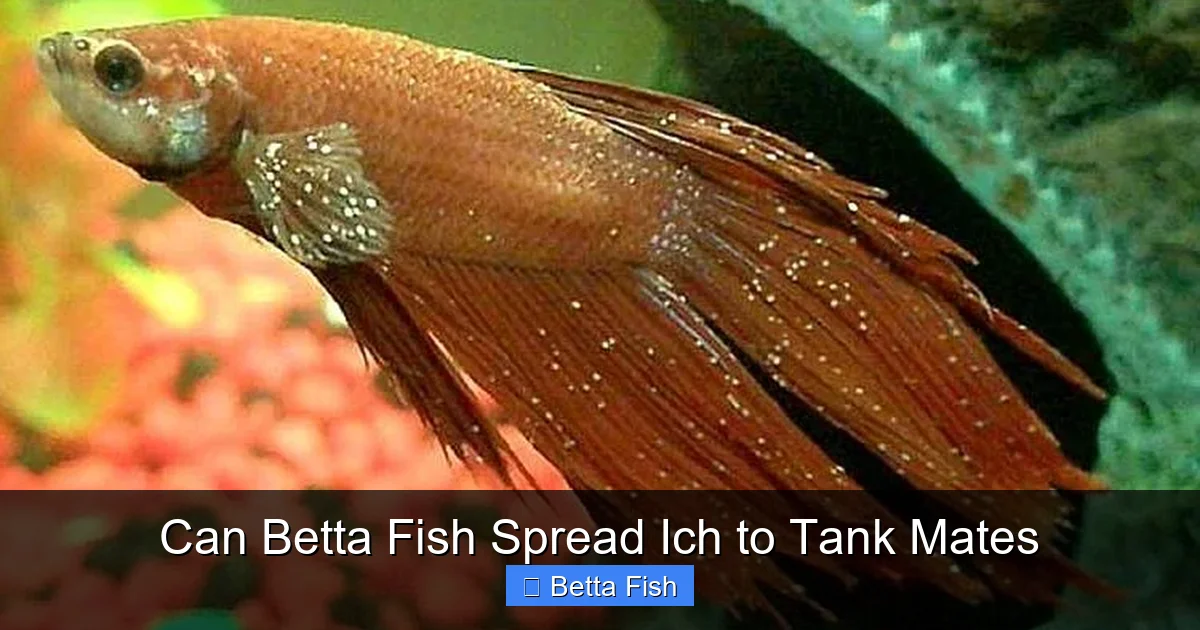
Ich is caused by a ciliated protozoan called Ichthyophthirius multifiliis. This microscopic organism attaches itself to the skin, fins, and gills of freshwater fish, where it feeds on tissue fluids and blood cells. To the naked eye, an infected fish looks like someone sprinkled salt or sugar grains over its body. Those white spots are actually cysts — the parasite is burrowed under the fish’s mucus layer, feeding and growing.
Visual guide about Can Betta Fish Spread Ich to Tank Mates
Image source: bettasource.com
What makes ich particularly dangerous is that it is not just a surface problem. The parasite burrows into the skin and gill tissue, causing significant damage. In severe cases, the gills become so compromised that the fish cannot breathe properly, leading to suffocation even before the parasite itself would have caused fatal harm.
The Ich Life Cycle Explains Why It Spreads So Fast
Understanding the life cycle of ich is the key to understanding why a single infected betta fish can devastate an entire tank. The cycle has three main stages:
- Trophont stage: This is the stage you can see. The parasite is embedded in the fish’s skin, feeding and growing. It appears as a white spot. During this phase, medications are largely ineffective because the cyst protects the parasite.
- Tomont stage: After feeding for several days, the mature parasite drops off the fish and sinks to the substrate or attaches to decorations. It then forms a protective cyst and begins to divide internally, producing hundreds — sometimes thousands — of new organisms called tomites.
- Theront stage: The newly hatched tomites (called theronts) are released into the water column. These free-swimming parasites actively seek out a fish host. They must find a host within 24 to 48 hours or they die. This is the stage where ich spreads from your betta to every other fish in the tank.
This entire cycle can take anywhere from a few days to several weeks depending on water temperature. Warmer water speeds up the cycle, which is actually useful during treatment — but more on that later. The critical takeaway here is that ich is a waterborne parasite. It does not need direct fish-to-fish contact. If your betta has ich, the water itself becomes a vehicle for infection.
How Betta Fish Specifically Spread Ich to Tank Mates
Direct Transmission Through Shared Water
The most straightforward way betta fish spread ich to tank mates is through the shared water environment. When an infected betta sheds mature parasites (tomonts) that then release theronts into the water, every fish swimming in that water is exposed. There is no way to create a barrier within the same aquarium. Even if your betta is hiding in one corner and your tetras are schooling in another, they are all breathing and swimming through the same contaminated water.
Visual guide about Can Betta Fish Spread Ich to Tank Mates
Image source: i.ytimg.com
Stress and Weakened Immunity in Tank Mates
Here is something many hobbyists overlook. Even if the initial ich load in the water is low, stressed tank mates are far more likely to develop a full-blown infection. If your betta is aggressive toward other fish — which bettas often are — the constant chasing, fin nipping, and territorial behavior keeps other fish in a state of chronic stress. Stressed fish have weakened immune systems, making them sitting ducks for ich parasites that a betta has introduced.
This is one reason why housing multiple bettas together is generally not recommended. The stress from territorial disputes creates a perfect environment for ich to take hold and spread rapidly.
Compromised Water Quality as a Contributing Factor
Bettas are often kept in smaller tanks, and smaller tanks are harder to maintain. Ammonia and nitrite spikes happen faster, pH can fluctuate, and overall water quality can decline before the owner even notices. Poor water quality weakens every fish’s immune system simultaneously. So when ich enters the system through a betta, the other fish are already in a compromised state and cannot fight off the parasite effectively.
Regular tank cleaning and maintenance is one of the best defenses against not just ich but all common aquarium diseases.
Early Symptoms of Ich in Betta Fish and Tank Mates
The Classic White Spots
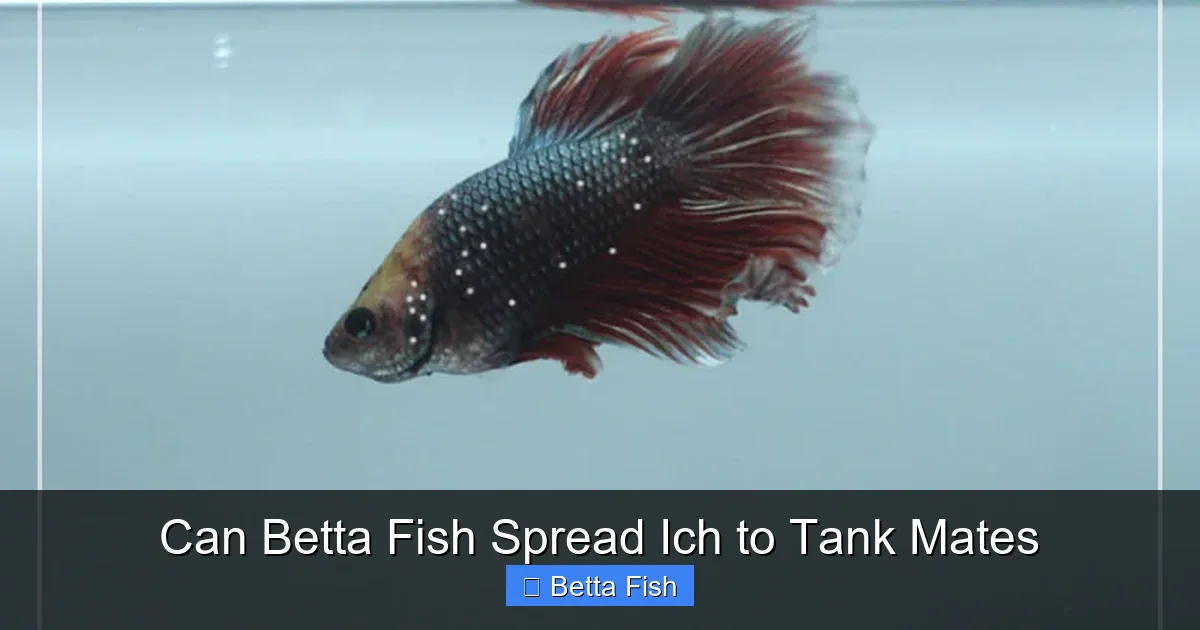
The most obvious and well-known symptom of ich is the appearance of small, white, raised spots on the fish’s body, fins, and gills. They look exactly like grains of table salt. These spots are typically the first thing an aquarist notices, and by the time they are visible to the naked eye, the parasite has already been on the fish for a few days.

Visual guide about Can Betta Fish Spread Ich to Tank Mates
Image source: i.ytimg.com
On lighter-colored fish like neon tetras or guppies, the spots are usually easy to spot. On darker fish or bettas with darker coloring, you may need to look carefully under good lighting. Always inspect your fish during feeding time when they are active and visible.
Behavioral Changes That Signal Trouble
Before white spots even appear, there are behavioral signs that something is wrong. Watch for these early warning signals:
- Flashing: The fish rubs or scrapes itself against rocks, gravel, plant leaves, or decorations. This is an attempt to dislodge the parasites and is often the very first sign of ich.
- Clamped fins: The fish holds its fins close to its body instead of fanning them out normally. Betta fish are especially prone to clamping when they feel unwell.
- Loss of appetite: A betta that suddenly ignores food is a red flag. Ich causes discomfort and gill damage, which can reduce a fish’s desire to eat.
- Lethargy: Fish that are normally active but suddenly become listless, hover at the bottom, or stay near the surface gasping may be struggling with gill damage from ich.
- Rapid breathing: If you notice your fish breathing faster than usual, the gills may be compromised by the parasite, reducing their ability to extract oxygen from the water.
Why Early Detection Is Critical
Ich is treatable, but timing is everything. The earlier you catch it, the better your chances of saving every fish in the tank. Once ich reaches advanced stages, the gill damage can be irreversible, and secondary bacterial infections often set in. Fish that survive a severe ich outbreak may never fully recover their health or coloration.
I recommend checking your fish at least once a day, especially if you have recently added new fish, changed the water, or altered anything in the aquarium environment. Prevention and early detection go hand in hand.
How to Treat Ich in a Tank with Betta Fish and Tank Mates
Step 1: Raise the Water Temperature Gradually
One of the most effective ways to combat ich is to raise the aquarium temperature. Ich parasites thrive in cooler water, and warming the tank speeds up their life cycle. This means the parasite reaches the free-swimming theront stage faster — which is the only stage where medication can kill it.
Visual guide about Can Betta Fish Spread Ich to Tank Mates
Image source: buildyouraquarium.com
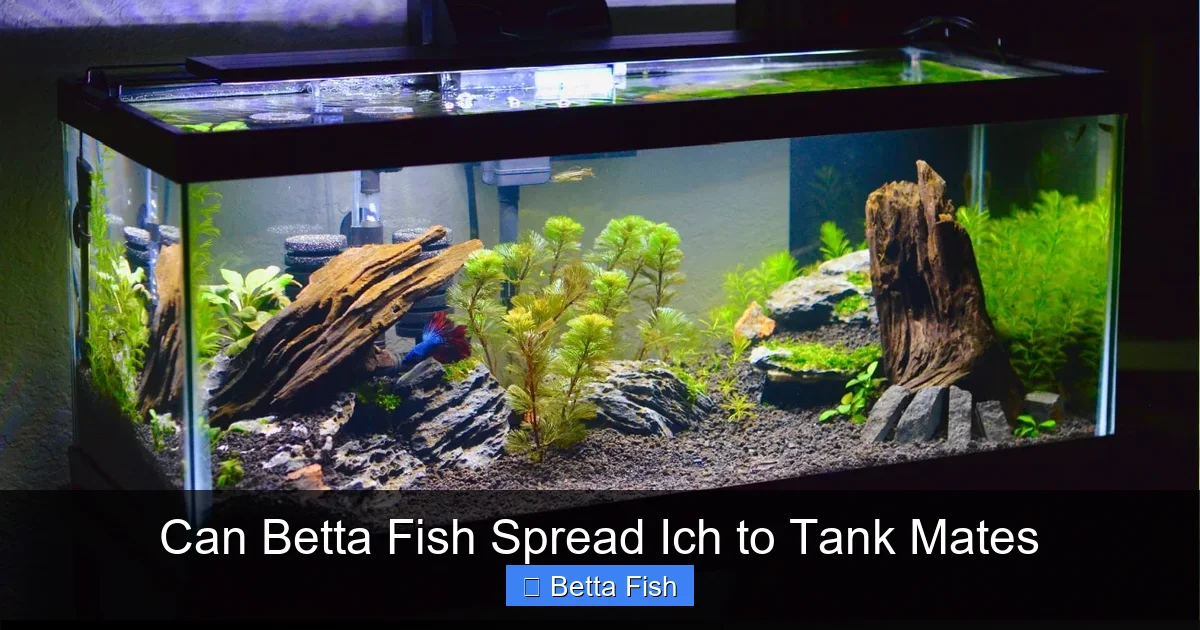
Increase the temperature by 1–2 degrees Fahrenheit per day until you reach 82–86°F (28–30°C). Do not rush this. A sudden temperature spike can shock your fish and cause additional stress. Bettas can tolerate temperatures up to about 86°F, but some tropical tank mates may have lower limits, so research the needs of every species in your tank before adjusting.
Step 2: Use an Ich-Specific Medication
There are several effective ich treatments available at pet stores and online. Look for medications containing one of the following active ingredients:
- Malachite green — one of the most widely used and effective ich treatments.
- Formalin — often combined with malachite green in commercial products.
- Copper-based treatments — effective but must be used carefully as copper can harm invertebrates and some sensitive fish species.
- Green malachite-free alternatives — some newer medications use different active ingredients that are gentler on sensitive fish like bettas.
Always follow the dosage instructions on the product label. Over-medicating can harm your fish, and under-medicating can fail to kill the parasite. Remove any activated carbon from your filter during treatment, as it will absorb the medication and render it ineffective.
For a detailed treatment protocol, check out our complete guide on how to cure ich on betta fish.
Step 3: Increase Aeration
Warmer water holds less dissolved oxygen, and ich itself compromises gill function. This double whammy means your fish may struggle to breathe during treatment. Add an air stone or increase surface agitation with your filter output to boost oxygen levels. This is especially important for bettas, which, despite being labyrinth breathers, still benefit from well-oxygenated water.
Step 4: Perform Regular Water Changes
During treatment, perform a 25–30% water change every other day. This helps remove free-swimming theronts from the water column and reduces the overall parasite load. Always use dechlorinated water matched to the tank temperature to avoid shocking the fish.
Step 5: Continue Treatment for the Full Cycle
This is where many people make a critical mistake. They see the white spots disappear after a few days and stop treatment. But the spots disappearing only means the trophonts have dropped off the fish — they are now in the tomont stage on the substrate, reproducing. If you stop treatment now, a new wave of theronts will be released and reinfect your fish.
Continue medicating for at least 3–5 days after the last visible spot has disappeared. This ensures you kill the parasites in the free-swimming stage before they can find a new host.
Preventing Ich from Spreading in the First Place
Quarantine Every New Fish
The number one way ich enters a home aquarium is through a new fish that was already carrying the parasite. Many fish are exposed to ich at the breeder, distributor, or pet store level. They may not show symptoms immediately because the parasite is in its early stages or the fish has some natural resistance.
Visual guide about Can Betta Fish Spread Ich to Tank Mates
Image source: smartaquariumguide.com
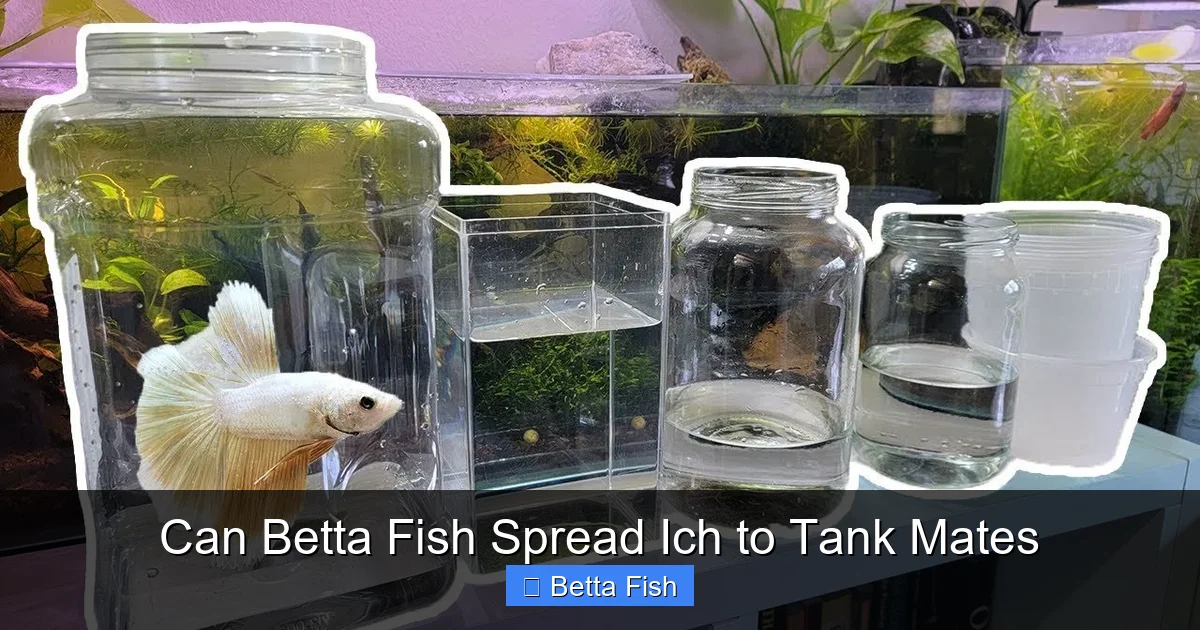
Always quarantine new fish in a separate tank for a minimum of two weeks — four weeks is even better. During quarantine, observe the fish daily for any signs of disease. If ich appears, treat the quarantine tank without risking your main display tank.
Maintain Pristine Water Quality
Clean, stable water is the foundation of fish health. Perform regular water changes, test your parameters weekly, and do not overstock your tank. A well-maintained aquarium gives every fish the best possible immune response to fight off parasites before they can establish themselves.
Make sure your tank is properly cycled before adding any fish. An uncycled or poorly cycled tank creates chronic stress through ammonia and nitrite exposure, which is essentially an open invitation for ich and other diseases.
Reduce Stress in the Aquarium
Stress is the single biggest factor that determines whether a fish gets sick or stays healthy. To minimize stress in a community tank with a betta:
- Provide plenty of hiding spots with plants, caves, and decorations.
- Choose tank mates carefully — avoid fin-nippers and overly aggressive species.
- Keep the tank in a low-traffic area away from loud noises and vibrations.
- Maintain a consistent lighting schedule with a timer.
- Feed a varied, high-quality diet to support immune health.
Be Careful with Live Plants and Decorations
New live plants, driftwood, and decorations from other aquariums can carry ich tomonts. Always rinse and, when possible, quarantine or disinfect new items before adding them to your tank. A quick dip in a diluted bleach solution (followed by thorough rinsing and dechlorinating) can kill most parasites on hard surfaces.
Can Ich Kill Betta Fish and Their Tank Mates?
Yes, ich can absolutely be fatal if left untreated. In fact, ich is responsible for more aquarium fish deaths than almost any other single disease. The parasite damages the skin and gills, opens the door to secondary bacterial and fungal infections, and causes extreme stress that further weakens the fish’s immune system.
Visual guide about Can Betta Fish Spread Ich to Tank Mates
Image source: bettafish.org
Bettas are somewhat hardier than some delicate species, but they are by no means immune. A betta with severe ich can die within one to two weeks if no treatment is provided. Smaller or more sensitive tank mates like neon tetras or ember tetras may succumb even faster.
The good news is that when caught early and treated properly, the survival rate for ich is very high. Most fish make a full recovery within two to three weeks of starting treatment. The key is acting fast and being thorough with the treatment protocol.
Final Thoughts
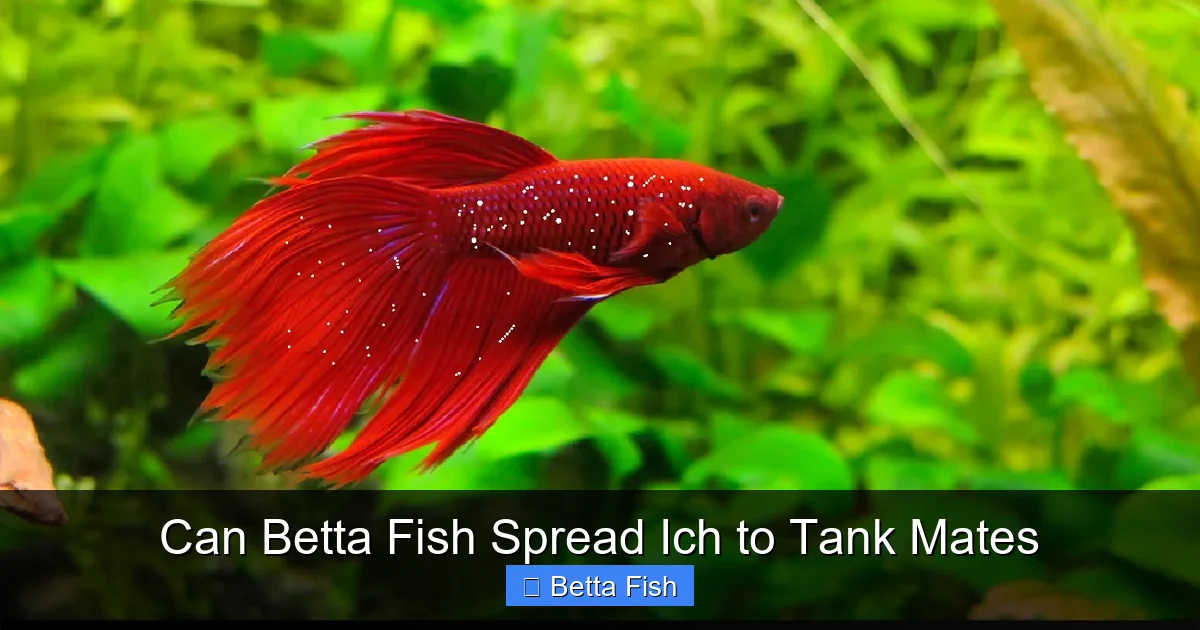
So, can betta fish spread ich to tank mates? Without question, yes. Ich is a waterborne parasite that does not discriminate between species. A single infected betta can introduce the parasite to an entire community tank, and if conditions are right — poor water quality, stressed fish, cool temperatures — it can spread like wildfire.
Visual guide about Can Betta Fish Spread Ich to Tank Mates
Image source: buildyouraquarium.com
But here is the encouraging part: ich is one of the most well-understood and treatable fish diseases in the hobby. By maintaining excellent water quality, quarantining new additions, reducing stress, and acting quickly at the first sign of trouble, you can protect your betta and every other fish in your aquarium. Knowledge is your best weapon, and now you have it.
Keep a good ich medication in your fishkeeping toolkit, stay observant, and never ignore those first tiny white spots. Your fish are counting on you.
Frequently Asked Questions
How long does it take for ich to spread from a betta to other fish?
Ich can spread to other fish within 24 to 48 hours once the free-swimming theront stage begins. The entire life cycle of the parasite depends on temperature but typically completes within 7 to 14 days in a warm aquarium. This means an outbreak can escalate from one fish to the entire tank very quickly if left unchecked.
Can ich live in a tank without any fish?
Yes, ich tomonts (the reproductive stage) can survive on substrate, plants, and decorations for a short period even without fish. However, the free-swimming theronts must find a host within 24 to 48 hours or they will die. Running a tank fallow (fish-free) for two weeks is a reliable way to eliminate ich from an aquarium.
Is ich contagious to humans or other pets?
No, ich is a fish-specific parasite and cannot infect humans, dogs, cats, or any other non-fish animals. You can safely handle tank water and aquarium equipment without any risk of contracting ich yourself. Standard hygiene practices like washing your hands after tank maintenance are still recommended for general cleanliness.
Can a betta fish get ich more than once?
Yes, betta fish can get ich multiple times throughout their lives. Surviving an ich infection does not provide lasting immunity. Each exposure is a new infection, which is why ongoing prevention through good water quality and stress reduction is so important for long-term fish health.
Should I remove my betta from the tank if it has ich?
Removing the betta alone is usually not effective because ich parasites are already in the water and substrate. It is generally better to treat the entire tank. However, if you have a hospital tank set up, you can treat the betta separately while also treating the main tank to eliminate parasites from the environment.
What temperature kills ich the fastest?
Temperatures of 86°F (30°C) and above significantly speed up the ich life cycle, which helps medications work more effectively. However, extremely high temperatures above 88°F can stress or harm some fish species. The ideal treatment range is 82–86°F, combined with appropriate medication, to kill ich in the free-swimming stage as quickly as possible.

