How to Treat Betta Fish Abscess
A betta fish abscess is a painful bacterial infection that forms a pocket of pus under the skin. Treating it early with proper wound care, aquarium salt baths, and antibiotics can save your fish’s life. This guide covers everything you need to know about identifying, treating, and preventing betta fish abscess safely at home.
Key Takeaways
- Early detection is critical: Spotting abscess symptoms early gives your betta the best chance of recovery.
- Clean water is the foundation: Maintaining proper water parameters prevents bacterial infections that cause abscesses.
- Salt baths help healing: Aquarium salt soothes inflammation and draws out infection from abscess wounds.
- Antibiotics may be necessary: Tetracycline and other medications can treat stubborn bacterial abscesses effectively.
- Stress weakens immunity: Reducing stress through proper care boosts your betta’s ability to fight off infections.
- Prevention beats treatment: Regular tank maintenance and a healthy diet keep abscesses from forming in the first place.
📑 Table of Contents
What Is a Betta Fish Abscess?
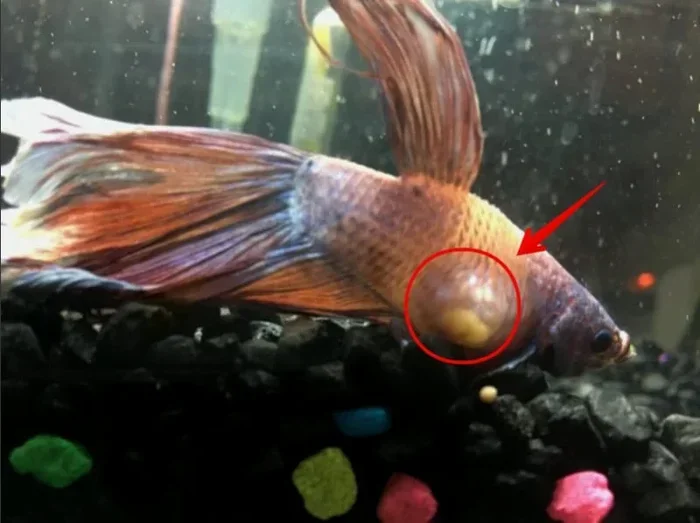
A betta fish abscess is a pocket of pus that builds up under the skin. It happens when bacteria enter through a wound or crack in the scales. The body sends white blood cells to fight the infection, and that battle creates a swollen, painful lump.
Abscesses are more common than many fish owners realize. They often appear on the body, near the fins, or around the mouth. If you notice a strange bump on your betta, it could be an abscess forming. Catching it early makes treatment much easier and more effective.
The good news is that most abscesses can be treated at home with the right approach. You do not need expensive equipment or a degree in fish science. A little knowledge and some patience go a long way. This guide walks you through everything you need to know about treating betta fish abscess safely and effectively.
Common Causes of Abscess in Betta Fish
Understanding why abscesses form helps you prevent them. Several factors can lead to bacterial infections in betta fish. Here are the most common causes:
- Poor water quality: Dirty water with high ammonia or nitrite levels weakens your betta’s immune system. Bacteria thrive in unclean tanks and find easy entry points through minor injuries. This is the number one cause of abscesses in home aquariums.
- Physical injuries: Sharp decorations, rough tank mates, or jumping against the tank walls can create open wounds. These wounds become breeding grounds for bacteria if the water is not clean.
- Stress and weakened immunity: A stressed betta fish has a harder time fighting off infections. Stress comes from overcrowded tanks, sudden temperature changes, or poor diet. If your fish is already run down, even a small cut can turn into an abscess.
- Improper tank setup: Lack of filtration or infrequent water changes allow harmful bacteria to build up. An uncycled tank is especially dangerous for betta fish health and wound recovery.
- Existing infections: Sometimes an abscess forms as a secondary issue. If your betta already has ich, fin rot, or another disease, the immune system is already compromised and more vulnerable.
Most abscesses trace back to one or more of these causes. Fixing the root problem is just as important as treating the abscess itself. You can learn more about how stress affects your fish in our guide on how to treat a stressed betta fish.
Signs and Symptoms to Watch For
Spotting a betta fish abscess early can make all the difference. Here are the key symptoms to look for on your fish every day.
Visible Swelling or Lump
The most obvious sign is a raised bump on the body or near the fins. It may look white or yellowish at the center. The area around the lump might appear red or inflamed. In some cases, the abscess may look like a small pimple that grows over time. These bumps can range from tiny to quite large depending on how advanced the infection is.
Changes in Behavior
A betta with an abscess often acts differently. Watch for these behavioral changes closely:
- Loss of appetite or refusing food completely
- Lethargy and staying at the bottom of the tank
- Clamped fins close to the body
- Hiding more than usual or avoiding interaction
- Flashing or rubbing against tank decorations
Color Changes
The skin around the abscess may turn pale or develop a reddish tint. Some bettas lose their vibrant color when fighting an infection. This dulling of color often signals that the fish is not feeling well and needs attention soon. If you notice any of these symptoms, act quickly. The sooner you start treatment, the better the outcome. For more on recognizing illness signs, check out how to make betta fish healthy again after an infection.
How to Treat Betta Fish Abscess at Home
Treating a betta fish abscess at home is possible in most cases. You will need a few supplies and some patience. Follow these steps carefully for the best results.
Step 1: Quarantine the Fish
Move your betta to a separate hospital tank if possible. A quarantine tank keeps the infection isolated and prevents spread to other fish. Use a small tank with a gentle filter and stable temperature. This also makes it easier to monitor your fish during treatment and observe any changes in the abscess.
Step 2: Clean the Water
Do a 50% water change in the main tank and the hospital tank. Clean water reduces the bacterial load and supports healing. Make sure the water temperature stays between 78 and 80 degrees Fahrenheit. Use a water conditioner to remove chlorine and chloramine before adding fresh water to the tank.
Step 3: Aquarium Salt Bath
An aquarium salt bath is one of the most effective home treatments for abscesses. Salt helps draw out infection and reduces swelling around the wound. Add one teaspoon of aquarium salt per gallon of water in the hospital tank. Keep the salt bath going for 7 to 10 days. Monitor your fish closely for any signs of distress during this period.
Step 4: Antibiotic Treatment
For stubborn abscesses, you may need a targeted antibiotic. Tetracycline for betta fish is a popular choice for treating bacterial infections. It works by stopping bacteria from reproducing and giving the immune system time to heal the wound. Follow the dosage instructions carefully and never overdose. You can also use kanamycin or erythromycin as alternatives, depending on the severity of the infection.
Step 5: Support Your Fish’s Recovery
Good nutrition helps your betta fight off infection and heal faster. Feed high-quality pellets or live food in small amounts twice a day. Avoid overfeeding, as uneaten food pollutes the water and can worsen the infection. A healthy diet supports the immune system and speeds up the healing process significantly.
Many fish owners also ask about how to properly care for betta fish during recovery. The answer is simple: clean water, low stress, and consistent monitoring. Stick to a routine and your betta will bounce back stronger.
Quick Tips for Home Treatment
- Keep the hospital tank dark or dimly lit to reduce stress
- Do not handle your betta roughly during treatment
- Remove any sharp decorations from the tank
- Test water parameters daily with a liquid test kit
- Watch for improvement within 5 to 7 days of starting treatment
When to See a Vet for Abscess Treatment
Home treatment works well for most abscesses. However, there are times when professional help is necessary. Do not hesitate to consult a vet if you notice any of the following warning signs:
- The abscess grows larger despite treatment after 7 days
- Your betta stops eating entirely for more than two days
- The fish shows signs of severe distress or rapid decline
- Multiple abscesses appear on different parts of the body
- The abscess bursts and does not begin to heal on its own
A veterinarian experienced with fish can prescribe stronger medications or perform minor procedures to drain the abscess. This is especially important if the infection has spread to internal organs. Acting fast in serious cases can save your betta’s life and prevent long-term damage to its health.
Remember, prevention is always better than cure. Keeping your tank clean and your fish healthy reduces the risk of abscesses and many other diseases.
Preventing Betta Fish Abscess in the Future
Once your betta recovers, you want to make sure abscesses do not come back. Prevention starts with a few simple habits that keep your fish healthy and strong every single day.
Maintain Excellent Water Quality
Test your water parameters weekly. Keep ammonia and nitrite at zero, and nitrates below 20 ppm. Perform partial water changes every week, replacing about 25% of the water. A good filter and regular maintenance go a long way in preventing bacterial infections and keeping your betta safe from abscesses.
Reduce Stress in the Tank
Bettas thrive in calm, stable environments. Avoid sudden changes in temperature or lighting. Provide plenty of hiding spots with soft plants and smooth decorations. If you keep multiple fish, ensure the tank is large enough to prevent territorial fights that can cause injuries.
Feed a Balanced Diet
A strong immune system starts with good nutrition. Offer a variety of high-quality pellets, frozen bloodworms, and brine shrimp. Avoid feeding cheap flake food that lacks essential nutrients. A well-fed betta is better equipped to fight off infections naturally and recover quickly from any wounds.
Inspect Your Fish Regularly
Spend a few minutes each day observing your betta. Look for any cuts, scrapes, or unusual bumps on the body or fins. Early detection of wounds or infections means you can treat them before an abscess forms. Catching problems early is the single best way to keep your fish healthy and happy.
Keep the Tank Stable
Avoid overstocking your tank and make sure all equipment works properly. A stable environment with consistent temperature and clean water gives your betta the best defense against illness. For tips on keeping your tank warm and comfortable, check out how to make your betta fish tank warmer during cold months.
By following these prevention steps, you create a safe and healthy home for your betta. A little effort each day saves you from stressful treatment sessions later.
Conclusion
Treating a betta fish abscess does not have to be scary or complicated. With clean water, salt baths, proper antibiotics, and a little patience, most abscesses heal within one to two weeks. The key is to act fast, watch for warning signs, and keep your fish’s environment as healthy as possible.
Prevention plays a huge role too. Regular water changes, a balanced diet, and low-stress living conditions keep abscesses from forming in the first place. Your betta fish depends on you for its health and happiness. By staying attentive and proactive, you give your fish the best chance at a long, vibrant life.
Start today by checking your water parameters and giving your betta the care it deserves. A healthy fish is a happy fish, and that is the reward for your effort and dedication.
Frequently Asked Questions
Can a betta fish abscess heal on its own?
Small abscesses may heal on their own if the water quality is excellent and the fish is not stressed. However, most abscesses need treatment with salt baths or antibiotics to fully resolve. Without treatment, the infection can worsen and spread to other parts of the body.
Is a betta fish abscess contagious to other fish?
The abscess itself is not directly contagious, but the underlying bacterial infection can spread to other fish in poor water conditions. This is why quarantining an infected betta is so important. Keeping water clean protects all the fish in your tank from catching the same bacterial infection.
How long does it take for a betta fish abscess to heal?
With proper treatment, most abscesses begin to shrink within 5 to 7 days and fully heal in 2 to 3 weeks. The healing time depends on the severity of the infection and how quickly you start treatment. Consistent care and clean water speed up the process significantly.
Can I use regular table salt instead of aquarium salt?
No, you should never use table salt for fish treatment. Table salt contains additives like iodine and anti-caking agents that are harmful to betta fish. Always use pure aquarium salt or aquarium-specific sea salt designed for freshwater tanks to ensure safety.
What causes abscesses on betta fish fins?
Abscesses on fins are usually caused by bacterial infections entering through wounds or torn fins. Poor water quality, sharp decorations, and fin-nipping tank mates are common culprits. Treating the wound early with salt baths and clean water prevents the infection from forming a full abscess.
Can diet affect a betta fish’s ability to fight abscesses?
Yes, diet plays a big role in immune function. A betta fed high-quality, nutrient-rich food has a stronger immune system and can fight off bacterial infections more effectively. Avoid low-quality flake food and offer a varied diet of pellets, frozen foods, and occasional live foods for the best results.