How to Treat a Dying Betta Fish
Knowing how to treat a dying betta fish can mean the difference between life and death for your pet. This guide covers the warning signs, immediate actions, common causes, and effective treatments to help your betta recover. You will learn simple, proven steps to stabilize your fish and support long-term healing.
Watching your betta fish struggle is heartbreaking. You want to help, but you may not know where to start. This guide walks you through every step of how to treat a dying betta fish with confidence and care.
Many fish owners feel helpless when their betta shows signs of illness. The good news is that quick action often makes a huge difference. Whether your fish has ich, fin rot, or simply seems weak, there are real steps you can take today. Let us dive in and give your betta the best fighting chance.
## How to Spot the Warning Signs
Before you treat anything, you need to know what you are looking at. Recognizing the signs of a dying betta fish early can save precious time.
### Physical Symptoms to Watch For
Your betta gives you clues through its body. Look for these visible signs that something is wrong:
– Faded or dull colors – A healthy betta shines bright. If colors look washed out, pay attention.
– Clamped fins – Fins held close to the body signal stress or pain.
– White spots or patches – These often indicate ich or fungal infection.
– Bloated abdomen – A swollen belly can mean dropsy or constipation.
– Rapid breathing – Gasping at the surface suggests low oxygen or poor water quality.
– Loss of appetite – Refusing food for more than two days is a red flag.
### Behavioral Changes That Matter
Behavior changes often appear before physical symptoms. A betta that suddenly hides constantly or lies on the tank bottom needs help. Watch for lethargy, erratic swimming, or flashing against decorations. These behaviors point to discomfort and stress.
If you are unsure whether your fish is dying or just sick, check out our detailed guide on how to know if a betta fish is dying for more clarity.
## Immediate Steps to Stabilize Your Betta
Time matters when treating a dying betta fish. The first few hours are critical. Here is what you should do right now.
### Step 1: Test the Water
Poor water quality is the number one killer of betta fish. Grab a liquid test kit and check ammonia, nitrite, and nitrate levels. Ammonia and nitrite should read zero. Nitrates should stay below 20 ppm. If any levels are off, you have found your problem.
### Step 2: Perform a Water Change
Do a 50 percent water change immediately. Use water that matches the tank temperature. Always treat new water with a dechlorinator before adding it. This single step alone can revive a fish in distress. For tips on proper water changes, visit our guide on how to change betta fish water.
### Step 3: Adjust the Temperature
Bettas need warm water between 76 and 82 degrees Fahrenheit. Cold water slows their immune system and makes recovery harder. If you do not have a heater, check out how to keep your betta fish warm without a heater.
### Step 4: Reduce Stress
Dim the lights and keep the tank in a quiet room. Avoid tapping on the glass or making loud noises near the tank. Stress weakens the immune system and slows healing. A calm environment gives your betta the best chance to recover.
## Common Causes of Betta Fish Decline
Understanding why your betta is dying helps you choose the right treatment. Here are the most common causes.
### Poor Water Quality
Dirty water builds up toxic ammonia and nitrite. Even small amounts can damage your betta’s gills and organs. Overfeeding and infrequent water changes are the main culprits. A simple maintenance routine prevents most water-related problems.
### Diseases and Infections
Bettas are prone to several common illnesses:
– Ich (white spot disease) – Shows as tiny white spots on the body and fins.
– Fin rot – Causes frayed or dissolving fins with a ragged appearance.
– Fungal infections – Appears as white cotton-like growths on the body.
– Dropsey – Causes severe bloating and pinecone-like scales.
– Velvet disease – Creates a gold or rust-colored dusting on the skin.
For help identifying and treating ich specifically, see our guide on how to treat ich on a betta fish.
### Stress and Environmental Factors
Bettas get stressed by overcrowding, aggressive tankmates, bright lights, and cold water. Chronic stress suppresses the immune system and opens the door to disease. A proper betta tank setup with hiding spots and gentle filtration makes a big difference.
### Improper Feeding
Overfeeding causes constipation and bloating, which can be fatal. Underfeeding leads to malnutrition and weakness. Feed small amounts twice a day and skip one day per week to keep the digestive system healthy.
## Treatment Options and Home Remedies
Once you identify the cause, you can start treatment. Many common problems respond well to simple home remedies.
### Aquarium Salt Treatment
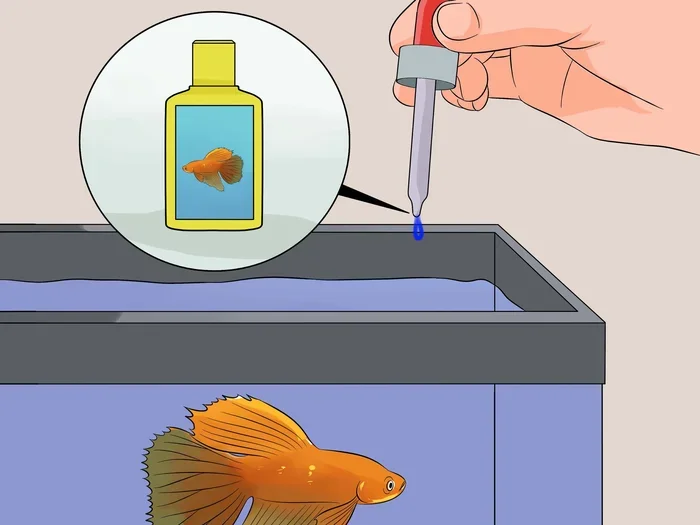
Aquarium salt is a gentle, effective treatment for many betta illnesses. It helps reduce stress, fights parasites, and supports fin regrowth. Add one teaspoon of aquarium salt per gallon of water. Use pure aquarium salt, not table salt, which contains harmful additives.
For a step-by-step guide, read our article on how to give a betta fish a salt bath.
### Temperature Adjustment Therapy
Raising the water temperature slightly to 80-82 degrees Fahrenheit can speed up recovery. Warmer water boosts the betta’s metabolism and immune response. It also helps fight certain parasites and fungal infections more effectively.
### Fasting for Digestive Issues
If your betta looks bloated or constipated, stop feeding for two to three days. This clears the digestive tract naturally. After fasting, offer a single thawed pea (mashed) as a gentle fiber source. This simple trick resolves many feeding-related problems.
### Medication Options
For bacterial infections, broad-spectrum fish medications like erythromycin or kanamycin work well. Anti-parasitic treatments such as malachite green or formalin target ich and velvet. Always follow dosage instructions carefully and remove carbon filter media during treatment, as it absorbs medication.
### Creating a Quarantine Tank
If you have other fish in the main tank, move the sick betta to a separate quarantine tank. This prevents disease spread and lets you treat the fish without affecting other inhabitants. A simple 5-gallon tank with a sponge filter works perfectly for quarantine purposes.
## When to Seek Professional Help
Home treatments work well for many situations, but some cases need professional care. Know the signs that it is time to call for help.
### Red Flags That Demand Expert Attention
– Rapid decline over hours – If your betta deteriorates very fast, professional intervention may be the only option.
– Open wounds or severe lesions – These suggest advanced infection that needs prescription treatment.
– Complete loss of buoyancy – A fish that cannot float or swim properly may have a serious internal issue.
– No response to treatment after 48 hours – If home remedies do not help, a fish veterinarian can offer stronger solutions.
### Finding the Right Help
Not all veterinarians treat fish. Look for an aquatic or exotic vet who specializes in fish medicine. Many offer phone consultations if you cannot visit in person. Online fish forums and communities can also provide valuable advice from experienced keepers.
## Supporting Long-Term Recovery and Health
Getting your betta through the crisis is only half the battle. Long-term care prevents relapse and keeps your fish thriving.
### Maintain a Clean Tank Routine
Consistent tank maintenance is the foundation of betta health. Follow this simple routine:
1. Test water parameters weekly using a liquid test kit.
2. Perform 25-30 percent water changes every week.
3. Vacuum the substrate to remove waste and debris.
4. Rinse filter media in removed tank water, never tap water.
5. Trim any dead or decaying plants promptly.
For a complete maintenance schedule, check out our guide on how to maintain a betta fish bowl.
### Optimize the Tank Environment
A well-designed tank supports healing and prevents future illness. Aim for a tank of at least 5 gallons with a gentle filter and stable heater. Add live plants to improve water quality and provide natural hiding spots. Keep the lighting moderate and avoid placing the tank in high-traffic or noisy areas.
### Feed a Balanced Diet
A varied diet strengthens the immune system and promotes vibrant color. Offer high-quality betta pellets as the staple. Supplement with frozen or live foods like brine shrimp and bloodworms once or twice a week. Always feed small amounts your fish can consume within two minutes.
### Monitor and Observe Daily
Make it a habit to watch your betta every day. Notice eating patterns, swimming behavior, and physical appearance. Catching problems early makes treatment much easier. A few minutes of daily observation can save your fish’s life.
## Common Mistakes to Avoid
Even well-meaning owners make mistakes that can worsen their betta’s condition. Here are the most common ones to avoid:
– Using table salt instead of aquarium salt – Table salt contains iodine and anti-caking agents that harm fish.
– Overmedicating the tank – More medicine does not mean faster healing. Follow dosage instructions exactly.
– Ignoring water parameters – Treating symptoms without fixing the water quality is like putting a bandage on a broken bone.
– Drastic temperature swings – Adjust temperature slowly, no more than 2 degrees per day.
– Skipping quarantine for new fish – New fish can introduce diseases that attack a recovering betta.
## Expert Insight: The Power of Patience
Recovering a dying betta fish is not an overnight process. It takes patience, consistency, and careful observation. Many owners give up too soon, but the first 72 hours are often the hardest. Stick with your treatment plan and give your betta time to respond.
I have seen fish make remarkable recoveries when their owners stayed committed. The key is staying calm, following the steps, and trusting the process. Your betta fish can sense your energy, and a peaceful, confident owner creates a better healing environment.
## Key Takeaways Recap
Key Takeaways
- Early detection saves lives: Recognizing the signs of a dying betta fish early gives you the best chance of successful treatment.
- Water quality is everything: Poor water conditions are the leading cause of betta fish decline, and quick water changes can work wonders.
- Home remedies can help: Aquarium salt baths, temperature adjustments, and proper feeding are effective first-line treatments.
- Know when to get help: Some conditions require veterinary care or specialized fish medications beyond home treatment.
- Prevention is the best cure: Maintaining a clean tank and low-stress environment keeps your betta healthy long-term.
- Comfort matters: Even in difficult situations, you can make your betta’s remaining time peaceful and dignified.
Key Takeaways
- Early detection saves lives: Recognizing the signs of a dying betta fish early gives you the best chance of successful treatment.
- Water quality is everything: Poor water conditions are the leading cause of betta fish decline, and quick water changes can work wonders.
- Home remedies can help: Aquarium salt baths, temperature adjustments, and proper feeding are effective first-line treatments.
- Know when to get help: Some conditions require veterinary care or specialized fish medications beyond home treatment.
- Prevention is the best cure: Maintaining a clean tank and low-stress environment keeps your betta healthy long-term.
- Comfort matters: Even in difficult situations, you can make your betta’s remaining time peaceful and dignified.
## Frequently Asked Questions
How long can a dying betta fish survive without treatment?
A dying betta fish may survive only a few hours to a few days without treatment, depending on the cause. Immediate intervention dramatically improves the chances of survival. The sooner you act, the better the outcome.
Can aquarium salt alone cure a dying betta fish?
Aquarium salt helps with mild infections, parasites, and stress, but it is not a cure-all. Severe bacterial or viral infections require targeted medication. Use salt as a supportive treatment alongside other care measures.
What water temperature is best for a sick betta fish?
A temperature between 80 and 82 degrees Fahrenheit supports healing and boosts the immune system. Avoid temperatures above 85 degrees, as they reduce oxygen levels in the water. Keep the temperature stable and avoid sudden changes.
Should I isolate a dying betta fish from other fish?
Yes, isolation is strongly recommended. A quarantine tank prevents disease spread and reduces stress for the sick fish. It also makes it easier to monitor and treat the betta without affecting other tank inhabitants.
How often should I perform water changes during treatment?
During active treatment, perform a 25-30 percent water change every two to three days. This keeps toxin levels low and maintains a healing environment. Always match the temperature and treat new water with dechlorinator before adding it.
What should I do if my betta fish stops eating entirely?
Stop feeding for two to three days to clear the digestive system. After fasting, offer small amounts of easily digestible food like a thawed pea or high-quality pellet. If the fish still refuses food after three days, consult a fish veterinarian.
## Final Thoughts
Learning how to treat a dying betta fish is one of the most valuable skills any betta owner can develop. Your quick action and calm approach give your fish the best possible chance at recovery. Remember that water quality, early detection, and consistent care form the foundation of effective treatment.
Every betta fish deserves a fighting chance. By following the steps in this guide, you are giving your fish the care and attention it needs. Trust your instincts, stay patient, and never hesitate to seek professional help when things feel beyond your control.
Your betta gave you its trust and companionship. The least we can do is return that kindness with knowledge and action. You now have the tools to make a real difference. Start today, and give your betta the gift of a healthier tomorrow.
Frequently Asked Questions
What is how to treat a dying betta fish?
how to treat a dying betta fish is an important topic with many practical applications.