How to Treat a Betta Fish with Dropsy
Dropsy is a serious condition that affects betta fish, causing bloating and scale protrusion. Early detection and prompt treatment can save your betta’s life. This guide covers everything from recognizing the first signs to applying effective treatment methods and preventing future outbreaks.
Watching your betta fish struggle with dropsy is heartbreaking. The bloating, the curved spine, the pinecone-like scales. It is a terrifying sight for any fish keeper. But here is the good news. If you catch it early enough, there is still hope. This guide will walk you through everything you need to know about treating a betta fish with dropsy. We will cover the symptoms to watch for, the root causes, and the most effective treatment methods available today.
Dropsy is not a disease on its own. It is a collection of symptoms that point to a deeper problem inside your fish. Think of it like a warning light on your car dashboard. The light itself is not the problem. But it tells you something underneath needs attention. In betta fish, dropsy usually signals a bacterial infection, kidney failure, or severe stress. The earlier you act, the better the outcome for your fish.
Many beginners panic when they see their betta looking bloated. They assume the worst. But not all bloating is dropsy. Sometimes it is just constipation or overfeeding. The key is knowing the difference. That is exactly what this article will help you do. We will break down the signs, the causes, and the steps you can take right now to help your fish.
Dropsy happens when your betta’s body cannot regulate fluids properly. Fluid builds up inside the cavity, pushing the scales outward. This creates the classic “pinecone” appearance. The underlying cause is usually a bacterial infection. Aeromonas bacteria are the most common culprits. These bacteria are always present in aquarium water. But they only cause problems when your fish is weak or stressed.
A betta fish with dropsy often shows several telltale signs. The belly swells significantly. The scales start to stick out, resembling a pinecone. The fish becomes lethargic and stops eating. You may also notice clamped fins and a curved spine. In some cases, the eyes become sunken or bulging. These symptoms progress quickly. What starts as mild bloating can become a life-threatening condition within days.
Several factors increase the risk of dropsy in betta fish. Poor water quality is the number one trigger. High ammonia or nitrate levels weaken the immune system. Overfeeding leads to constipation and organ stress. Sudden temperature changes add more strain. Even overcrowding in a community tank can cause enough stress to trigger an outbreak. Understanding these causes helps you prevent dropsy from ever appearing in your tank.
Treating dropsy requires a multi-step approach. You cannot rely on just one method. The most effective strategy combines water management, medication, and supportive care. Here is a breakdown of the most widely used treatment methods.
Salt baths are often the first line of defense. Aquarium salt helps draw excess fluid out of the fish’s body. It also reduces swelling and supports gill function. To prepare a salt bath, use one teaspoon of aquarium salt per gallon of water. Keep your betta in the salt bath for 10 to 15 minutes. Watch for any signs of distress. Repeat this daily for three to five days. Salt baths work best in the early stages of dropsy.
You can learn more about salt baths and their benefits for betta fish by checking out our guide on how to give a betta fish a salt bath. This method is simple, affordable, and highly effective when started early.
When salt baths alone are not enough, antibiotics become necessary. Kanaplex and Maracyn are two popular choices among fish keepers. Kanaplex targets gram-negative bacteria, which are the primary cause of dropsy. Mix the medication into food or use it in a treatment tank. Follow the dosage instructions carefully. Overdosing can harm your fish. A typical treatment course lasts seven to ten days.
Antibiotics work by attacking the bacteria causing the infection. They give your betta’s immune system a chance to fight back. During this time, keep the water pristine. Perform daily water changes of 25 to 50 percent. Clean water supports healing and reduces the bacterial load in the tank.
Water quality is the foundation of any treatment plan. Poor water conditions will sabotage every other effort you make. Start by testing your water parameters. Ammonia and nitrite should be at zero. Nitrates should stay below 20 ppm. If any levels are off, perform an immediate water change. Use a gravel vacuum to remove debris from the substrate. Clean filter media in old tank water, never tap water. Chlorine in tap water kills beneficial bacteria that keep your tank cycled.
A clean tank environment also supports the beneficial bacteria that keep your aquarium balanced. If you need guidance on maintaining a healthy tank, our article on how to clean a betta fish tank with live plants offers practical steps for keeping your tank pristine without disrupting the ecosystem.
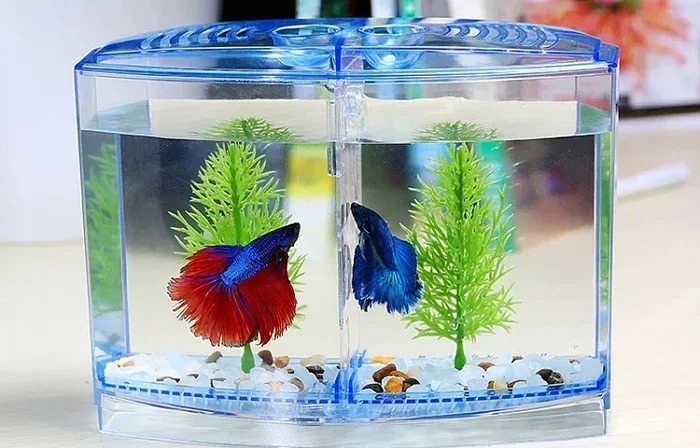
Isolating a sick betta is one of the most important steps you can take. A quarantine tank prevents the spread of infection to other fish. It also reduces stress on the sick betta. Use a small tank with a gentle filter and a heater. Keep the water temperature stable at 78 to 80 degrees Fahrenheit. Add some hiding spots like silk plants or a small cave. This gives your betta a safe space to recover.
During quarantine, monitor your fish closely. Watch for changes in behavior, appetite, and appearance. Note any improvements or worsening symptoms. This observation helps you adjust treatment in real time. A quarantine tank also makes it easier to administer medications without affecting other inhabitants in your main aquarium.
If your betta has dropsy, certain foods can support recovery. High-quality pellets form the foundation of a betta’s diet. Look for pellets with a high protein content and minimal fillers. You can also offer blanched peas to help with digestion. The fiber in peas acts as a natural laxative. This helps relieve constipation that sometimes accompanies dropsy.
Feed small amounts twice a day. Remove any uneaten food after five minutes. Overfeeding worsens bloating and puts extra stress on the kidneys. A clean diet supports the immune system and gives your betta the energy it needs to fight infection.
Not every case of dropsy responds to treatment. In advanced stages, the damage to internal organs may be irreversible. If your betta stops eating entirely, stops swimming, or shows no improvement after a week of treatment, it may be time to consider humane euthanasia. This is never an easy decision. But sometimes, letting go is the most compassionate choice.
If you need guidance on this difficult topic, our article on how to put a betta fish down with clove oil provides a gentle and peaceful method for saying goodbye. You can also read about how to humanely kill a betta fish without clove oil for alternative approaches.
Preventing dropsy is far easier than treating it. A few simple habits can keep your betta healthy and dropsy-free for years. Here are the most effective prevention strategies.
Clean water is the single most important factor in preventing dropsy. Perform regular water changes of 25 to 50 percent every week. Use a water conditioner to remove chlorine and chloramine. Test water parameters at least once a week. Keep ammonia and nitrite at zero. Maintain nitrates below 20 ppm. A stable, clean environment keeps your betta’s immune system strong.
A well-cycled tank is essential for betta health. The nitrogen cycle converts harmful ammonia into less toxic nitrate. This process relies on beneficial bacteria. Before adding your betta to a new tank, make sure it is fully cycled. This typically takes four to six weeks. Adding fish to an uncycled tank is one of the fastest ways to trigger health problems.
Stress weakens the immune system and makes fish vulnerable to disease. Keep the water temperature stable between 78 and 80 degrees Fahrenheit. Avoid sudden changes in lighting or noise near the tank. Provide hiding spots and gentle plants. If you keep multiple fish, ensure there is enough space and no aggressive tankmates. A calm environment promotes healing and long-term health.
A balanced diet supports organ function and immune health. Feed your betta high-quality pellets as the staple food. Supplement with frozen or live foods like brine shrimp and bloodworms. Offer variety to ensure proper nutrition. Avoid overfeeding. Remove uneaten food promptly. A healthy digestive system reduces the risk of constipation and bloating.
Regular observation is your best tool for early detection. Watch your betta every day. Look for changes in appetite, swimming behavior, and body shape. Catching the first signs of bloating or lethargy gives you a head start on treatment. The faster you act, the better the chances of a full recovery.
Dropsy is a serious condition, but it is not always a death sentence. With quick action and proper care, many betta fish recover fully. The key is starting treatment early and staying consistent. Salt baths, antibiotics, clean water, and a stress-free environment work together to give your fish the best fighting chance. Remember that prevention through good tank maintenance and a healthy diet goes a long way.
Every betta fish deserves a chance at a healthy life. By understanding dropsy and knowing how to respond, you become a better fish keeper. Your awareness and quick action can make all the difference. Trust your instincts, stay observant, and never hesitate to seek help when your fish shows signs of distress.
Now that you know how to treat a betta fish with dropsy, it is time to put this knowledge into action. Check your water parameters today. Observe your betta closely. And if you ever spot the early signs, act fast. Your fish is counting on you.
Can dropsy be cured in betta fish?
Dropsy can be cured if caught early. The survival rate drops significantly in advanced stages. Early treatment with salt baths and antibiotics gives the best results. Many fish keepers report successful recoveries when they act quickly. However, if the internal organs are already damaged, the prognosis becomes poor. Always monitor your fish closely and start treatment at the first sign of bloating.
Is dropsy contagious to other fish?
Dropsy itself is not contagious. The bacterial infection causing it can spread to other fish, especially those with weakened immune systems. This is why quarantining a sick betta is so important. Keep the infected fish in a separate tank during treatment. Maintain excellent water quality in both tanks. Regular observation of your other fish helps catch any new symptoms early.
Can I use Epsom salt instead of aquarium salt for dropsy treatment?
Yes, Epsom salt can be used as an alternative. Epsom salt contains magnesium sulfate, which helps reduce internal swelling. Use one tablespoon per gallon of water for a bath lasting 15 to 30 minutes. Aquarium salt is generally preferred for long-term treatment. Epsom salt works well for short-term relief of bloating and constipation. Always research proper dosages before treating your fish.
How long does it take for a betta fish to recover from dropsy?
Recovery time varies depending on the severity and how early treatment begins. Mild cases may show improvement within three to five days. Full recovery can take two to four weeks with consistent care. Severe cases may not respond to treatment at all. During recovery, maintain pristine water conditions and offer a nutritious diet. Patience is key. Monitor your fish daily and adjust treatment as needed.
What is the difference between dropsy and constipation in betta fish?
Constipation causes mild bloating and discomfort. The scales remain flat and smooth. Dropsy causes severe swelling with protruding scales that look like a pinecone. Constipated fish may still be active and eating. Fish with dropsy become lethargic and stop eating. A simple test is fasting your fish for two to three days. If the bloating goes away, it was likely constipation. If it persists, dropsy is more likely.
Should I euthanize my betta if it has dropsy?
Euthanasia should be considered if treatment fails and the fish is suffering. Signs that treatment is not working include complete loss of appetite, inability to swim, and worsening symptoms after a week of care. A humane approach ensures your fish does not endure prolonged pain. Methods like clove oil euthanasia are gentle and peaceful. Making this decision is difficult but sometimes the kindest choice you can make for your pet.
Key Takeaways
- Dropsy is a symptom, not a disease: It signals an underlying issue like bacterial infection or kidney failure in your betta fish.
- Early detection is critical: Catching dropsy symptoms early gives your betta the best chance of survival.
- Salt baths and water changes are frontline treatments: These simple steps can make a big difference in recovery.
- Antibiotics may be necessary: Severe cases often require medication like Kanaplex or Maracyn.
- Prevention is always better than cure: Maintaining clean water and a stress-free environment keeps dropsy at bay.
- Euthanasia may be the kindest option: In advanced cases where treatment fails, humane euthanasia prevents unnecessary suffering.
- Quarantine new fish: This simple step stops the spread of bacterial infections that cause dropsy.
Frequently Asked Questions
What is how to treat a betta fish with dropsy?
how to treat a betta fish with dropsy is an important topic with many practical applications.