Where to Get a Betta Fish Near Me
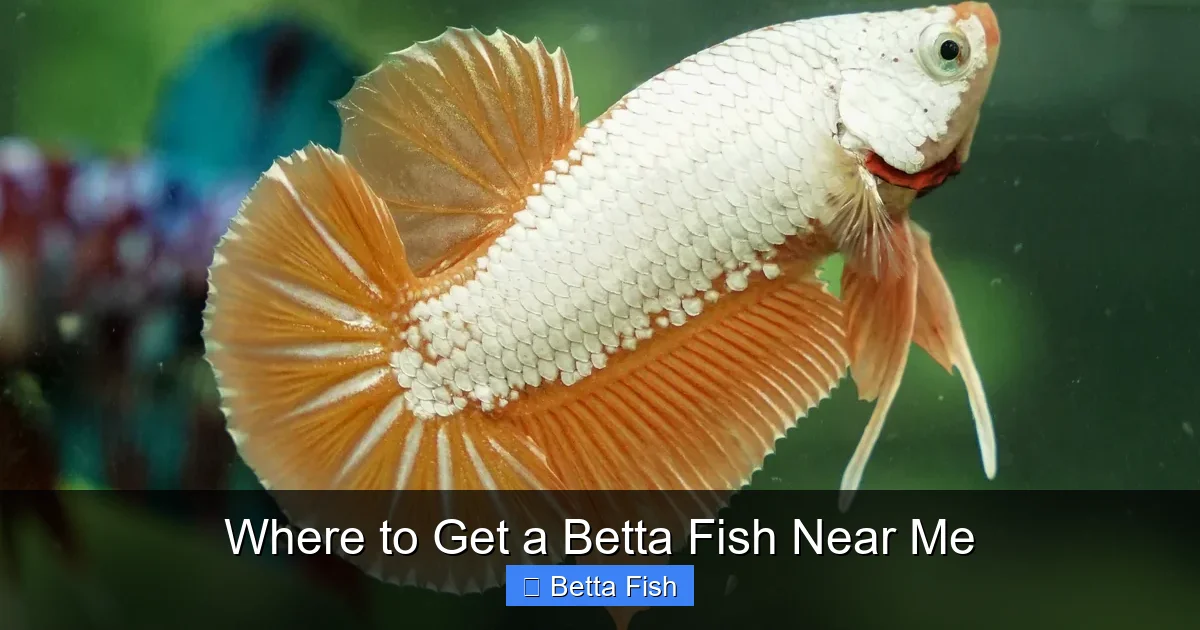
Finding a betta fish locally ensures you can inspect its health and get expert advice instantly. Prioritize reputable pet stores, dedicated aquarium shops, or certified breeders over big-box retailers. Always check for active, colorful fish with intact fins in clean tanks before purchasing. Proper tank setup and water conditioning are critical the moment you bring your new betta home.
Key Takeaways
- Local Sourcing Matters: Buying locally lets you see the fish’s actual health and environment, and get immediate, tailored advice from knowledgeable staff.
- Health is Visual: A healthy betta is alert, has vibrant colors, full undamaged fins, and swims actively. Avoid fish with clamped fins, fading color, or lying listlessly.
- Ask the Right Questions: Inquire about the fish’s age, water parameters, and last feeding. Reputable sellers will be transparent and happy to help.
- Tank Setup is Non-Negotiable: Never use a vase. A filtered, heated 5-gallon tank with a lid is the absolute minimum requirement for a betta’s welfare.
- Patience is a Virtue: Acclimating your betta properly to its new tank water and cycling the tank before introduction are essential steps for long-term health.
📑 Table of Contents
- Why Your Search for “Where to Get a Betta Fish Near Me” Starts and Ends with Local
- The Local Landscape: Your Options for Finding a Betta
- The Health Inspection: How to Choose a Thriving Betta
- The Essential Pre-Purchase Checklist: You Must Be Ready First
- The Journey Home: Acclimating Your New Betta
- Aftercare and Building a Relationship with Your Local Source
- Conclusion: The Ripple Effect of a Local Choice
Why Your Search for “Where to Get a Betta Fish Near Me” Starts and Ends with Local
So, you’ve decided to bring a betta fish into your life. That stunning flash of color, that graceful, almost lazy swim—it’s easy to see why they’re so popular. But before you get swept up in choosing the prettiest one, the most critical decision you’ll make is where to get that betta fish near you. This isn’t just about convenience; it’s about ethics, health, and starting your journey as a betta owner on the right fin. When you search for a betta locally, you’re not just buying a pet; you’re gaining a resource. You can see the fish’s actual living conditions, assess its vitality with your own eyes, and connect with people who can offer ongoing support. This guide will walk you through every local option, teach you how to spot a healthy fish, and ensure you’re fully prepared to give your new aquatic friend a thriving home.
The betta fish, or Siamese fighting fish, has a reputation for being a “beginner” or “disposable” pet, often sold in tiny cups at department stores. This myth is one of the most harmful in the aquarium hobby. Bettas are complex, intelligent, and surprisingly fragile creatures with specific needs. Sourcing one from a quality local source is the first and most powerful act of responsible ownership you can commit to. It dramatically increases the odds that your betta will arrive healthy and live its full 3-5 year lifespan (or even longer with excellent care). Let’s explore the landscape of local betta sourcing, from the good to the bad to the absolutely best.
The Local Landscape: Your Options for Finding a Betta
When you type “where to get a betta fish near me” into your search engine or map app, you’ll likely see a few types of results. Understanding the differences between these establishments is key to making a smart choice. Not all pet shops are created equal, and your criteria should be based on fish health and staff knowledge above all else.

Visual guide about Where to Get a Betta Fish Near Me
Image source: tryhardguides.com
Dedicated Local Aquarium & Fish Stores
This is the gold standard. These are stores whose primary business is fish and aquatic life. The staff are almost always passionate hobbyists or seasoned professionals. They keep their bettas in conditions that, while still not ideal long-term (many keep them in divided systems), are vastly superior to tiny cups. You’ll often find a wider variety of fin types ( Halfmoon, Plakat, Crowntail) and colors. The fish are usually healthier because the turnover is slower and the water quality is meticulously maintained. This should be your first stop when looking for where to get a betta fish near you. These stores often carry higher-quality food, filters, and heaters, and their advice is invaluable. They might even have a few “premium” bettas sourced from specialist breeders.
Reputable Big-Box Pet Chains (PetSmart, PetCo, etc.)
Here’s where we need to be nuanced. Large chain stores have improved their betta care significantly in recent years due to public pressure, but standards vary wildly by location and management. You must visit the specific store in your area. Look for bettas housed in individual, heated containers with clean water. They should be swimming actively. If you see rows of sad, listless fish in murky water at a particular branch, do not buy from there—your purchase would financially support that neglect. The advantage of these chains is consistency and a one-stop-shop for all your supplies. However, the staff’s knowledge about specific fish needs can be hit-or-miss. Always ask to speak with the “aquatics specialist” if one is on duty.
Local Independent Pet Stores & Garden Centers
Don’t overlook the small, family-run pet shop or the garden center with a small fish section. These can be hidden gems. The owner often has a personal stake in their business’s reputation and may have a genuine passion for fish. Their betta selection might be smaller, but the care is frequently more attentive. This is a great place to build a relationship. The staff will remember you and your betta, offering personalized advice for years to come. When searching “where to get a betta fish near me,” expand your map to include these smaller, less obvious options.
Local Breeders & Hobbyists
This is the pinnacle for serious enthusiasts but can be harder to find. A local betta breeder will have the highest quality, healthiest fish, often with specific genetic lines. They raise their bettas from spawn, conditioning them perfectly. To find one, search for “betta breeder [Your City]” or check local aquarium club forums and Facebook groups. These breeders are fonts of knowledge and usually sell fish that are already well-acclimated to tank life. The downside can be higher cost and potentially a waitlist. But if you want a spectacular, show-quality betta and expert mentorship, seeking out a breeder is the ultimate answer to your query.
What to AVOID: Department Stores & Discount Outlets
We must explicitly warn against the classic image of a betta: a floating in a tiny, sealed cup on a shelf. Stores like Walmart, some grocery stores, or dollar stores that sell live animals are almost always operating in a state of chronic animal welfare neglect. The water is cold, filthy, and oxygen-poor. The fish are stressed, diseased, and dying. Do not purchase a betta from these locations. Your money fuels this cruel industry model. Even if you “rescue” a seemingly healthy-looking fish from such a place, you are creating a market vacuum that will be filled by another stressed fish. The ethical choice is to boycott these sales entirely and support businesses that provide proper care.
The Health Inspection: How to Choose a Thriving Betta
You’ve found a promising local shop. Now you’re standing in front of the betta display. This is your moment to be a detective. A healthy betta is a happy betta, and your careful observation is the best predictor of future success. Don’t just fall for the brightest color; assess vitality.

Visual guide about Where to Get a Betta Fish Near Me
Image source: tryhardguides.com
The Active Swimmer Test
A healthy betta is curious and active. Gently tap the glass or move your finger near the tank (don’t scare it). A good betta will notice, swim over to investigate, or at least move from its spot. It should swim smoothly, with its fins fully open and flowing (unless it’s a Plakat, which has short fins). It should not be hovering at the top gasping for air (a sign of poor water quality or disease) or lying listlessly on the bottom.
The Fin and Body Check
Get close. Inspect the fins meticulously. They should be full, undamaged, and without tears, holes, or a ragged, “jagged” appearance (fin rot). The body should be smooth, torpedo-shaped, and free of any lumps, bumps, white spots (ich), or fuzzy growths (fungus). The scales should lie flat. The eyes should be clear and prominent, not sunken or cloudy. The gill covers should move rhythmically and not be red or inflamed.
Color and Clarity
While some bettas change color as they age (this is called “marling” and is normal), you want to see rich, vibrant coloration. Faded, dull, or patchy color can indicate stress, illness, or poor genetics/nutrition. The fish should look “clean.” Avoid any with excessive slime coat production (a milky, slimy appearance), which often accompanies bacterial infections.
Asking the Right Questions of the Seller
Your visual inspection is only half the battle. A knowledgeable, ethical seller is your partner. Ask these questions:
- “How old is this betta?” Bettas in stores are often sold at 3-6 months old. Older fish (over a year) may have a shorter lifespan ahead.
- “What are the water parameters here?” A good store will test and know their ammonia, nitrite, nitrate, pH, and temperature. Evasion or a shrug is a bad sign.
- “When did this fish arrive?” A newly arrived betta (within 48 hours) may be stressed and hide. A fish that’s been there for weeks might be past its prime or living in deteriorating water.
- “What do you feed them?” High-quality pellet or frozen food is a good sign. If they say “flakes” or “nothing,” be concerned.
- “Can you tell me about its temperament?” While you can’t fully know until you see it, a seller who observes their fish might note if one is particularly aggressive or shy.
A seller who engages with these questions thoughtfully is invested in the fish’s welfare and your success.
The Essential Pre-Purchase Checklist: You Must Be Ready First
Here’s a crucial, often overlooked truth: you must have your betta’s permanent tank fully set up, cycled, and ready to go BEFORE you bring the fish home. Bringing a betta home and then setting up its tank is a recipe for disaster. The stress of transport combined with uncycled, toxic water is a leading cause of “new tank syndrome” and death. Your search for “where to get a betta fish near me” should happen concurrently with your search for tank equipment. Here’s your non-negotiable pre-purchase list.

Visual guide about Where to Get a Betta Fish Near Me
Image source: thailandbettafish.com
The Tank: Size and Type
Forget the myth of the “betta in a vase.” A **minimum of 5 gallons** is the absolute standard for a single betta. This provides stable water parameters, room to explore, and space for a heater and filter. A long, rectangular tank is better than a tall, narrow one, as bettas are surface breathers and need easy access to the air. A secure lid is essential—they are notorious jumpers.
The Heater and Thermometer
Bettas are tropical fish. They require a consistent water temperature between 78-80°F (25.5-26.5°C). A small, adjustable aquarium heater (25-50 watts depending on tank size) is mandatory. A separate, stick-on thermometer is a cheap and vital tool to verify the heater’s accuracy. Cold water slows their metabolism and suppresses their immune system, leading to disease.
The Filter: Gentle is Key
Bettas have delicate fins. A filter with a strong current will exhaust and damage them. Look for a sponge filter (excellent and gentle), a small hang-on-back filter with a flow diffuser, or a filter with adjustable output you can turn down very low. The filter’s job is to cycle the tank and remove debris, not create a river.
Water Conditioning and the Nitrogen Cycle
You cannot use tap water directly. You must treat it with a complete water conditioner that neutralizes chlorine, chloramines, and heavy metals. This is step one. Step two is cycling the tank. This 4-6 week process establishes beneficial bacteria that convert toxic fish waste (ammonia) into less harmful substances. You must complete this cycle *before* adding the betta. Use a liquid test kit to monitor ammonia, nitrite, and nitrate. The tank is ready only when ammonia and nitrite read 0 ppm, and nitrate is below 20 ppm. This is the single most important technical step for your betta’s survival.
Décor and Hiding Spots
Bettas are intelligent and need stimulation. Provide plants—live plants like Anubias, Java Fern, or Marimo moss balls are fantastic and help with water quality. Silk plants are a good alternative. Avoid plastic plants with sharp edges. Add caves, betta logs, or other smooth hiding spots. This gives your fish security and places to rest.
The Journey Home: Acclimating Your New Betta
The moment you’ve searched for and found your perfect local betta has arrived. The trip home is a critical period. Do not just dump the fish and its bag water into your tank. You must acclimate it to your tank’s temperature and water chemistry.
The Float Method is standard and effective:
- Turn off your tank lights to reduce stress.
- Place the sealed bag (with the betta and its store water) on the surface of your tank. Let it float for 15-20 minutes to equalize temperature.
- Open the bag and roll down the top to create a floating ring.
- Using a clean cup or airline tubing, slowly add a small cupful of your *treated* tank water to the bag every 5-10 minutes for the next 30-45 minutes. This slowly introduces your water parameters.
- Finally, use a net to gently transfer the betta from the bag to the tank. Discard the bag water—do not pour it in, as it may contain waste or disease from the store.
- Immediately dim the lights and leave the fish undisturbed for the rest of the day.
This process minimizes shock and gives your betta the best start in its new home. Now, the real work of observation and care begins.
Aftercare and Building a Relationship with Your Local Source
Your responsibility doesn’t end when you leave the store. The best part of buying locally is the potential for an ongoing relationship. That knowledgeable staff member or breeder can be your lifeline if problems arise. Introduce yourself, tell them the name of your new fish, and ask if you can reach out with questions. Most will be delighted.
In the first week, monitor your betta closely. Is it eating? Is it active? Are the fins intact? Watch for signs of stress or illness like clamped fins, loss of appetite, or unusual spots. Early intervention is key. Use the resources you bought from that local store—their food, their advice—and don’t hesitate to call them with a concern like “my betta is acting lethargic.” A good local source will want to help troubleshoot. They have a vested interest in your success and the reputation of their animals.
Furthermore, consider becoming a regular. When it’s time for water test supplies, new food, or a decoration, go back to the store that gave you a healthy start. This supports ethical businesses and keeps the cycle of good care going in your community. You’ve completed your search for “where to get a betta fish near me” by choosing wisely and building a partnership for your pet’s lifetime.
Conclusion: The Ripple Effect of a Local Choice
Your quest to find the answer to “where to get a betta fish near me” is about more than just proximity. It’s a vote for the kind of pet industry you want to support. It’s the first, most significant step in ensuring your betta’s welfare. By choosing a dedicated aquarium store, a reputable chain branch, a caring independent shop, or a local breeder, you are demanding a standard of care. You are saying no to the cup-of-suffering model. You are investing in a relationship that will provide you with knowledge and your fish with a chance at a full, vibrant life. Now that you know what to look for, where to look, and how to prepare, you are equipped to make a choice that benefits both you and your future finned friend. Take that knowledge, visit your local shops with a critical eye, and welcome home a betta that has been given the best possible start.
Frequently Asked Questions
Is it better to buy a betta fish online or from a local store?
For first-time or casual owners, a local store is strongly recommended. It allows you to inspect the fish’s health and water conditions firsthand and get immediate advice. Online purchases carry a high risk of stress during shipping and hidden health issues, though reputable online breeders can be an option for experienced hobbyists.
What is the ideal tank size for a betta fish?
The absolute minimum is a filtered, heated 5-gallon tank. This provides stable water quality and swimming space. Larger tanks (10 gallons or more) are even better and easier to maintain, offering a more enriched environment for the fish.
Can I put a betta fish with other fish?
It’s possible but tricky. Bettas are territorial, especially males. They can often live with peaceful, non-flashy, fast-swimming community fish like small rasboras or corydoras catfish in a properly sized, planted tank. Never house two male bettas together. Research “betta tank mates” extensively before attempting a community tank.
How often should I feed my betta fish?
Feed high-quality betta pellets or frozen foods (like brine shrimp) once or twice a day, offering only what they can consume in 2-3 minutes. Overfeeding is a primary cause of poor water quality and constipation. A short fast (one day a week) can be beneficial for digestion.
My betta fish is not eating. What should I do?
First, check your water parameters—poor water quality is the #1 appetite killer. Ensure the tank is fully cycled. Try different foods like soaked pellets, frozen daphnia, or a tiny piece of cooked pea. Some bettas are shy; try feeding in a quieter room. If the refusal persists for several days, research common betta illnesses like constipation or swim bladder disorder.
How do I know if my betta is sick?
Common signs include: clamped fins, fading or loss of color, lethargy, loss of appetite, visible spots or fuzz (ich, fungus), frayed or torn fins (fin rot), raised scales, or difficulty swimming (swim bladder issue). Isolate the fish in a hospital tank and research the symptoms to identify the disease before treating. Your local aquarium store can often help with diagnosis.