How to Tell What Kind of Betta Fish I Have
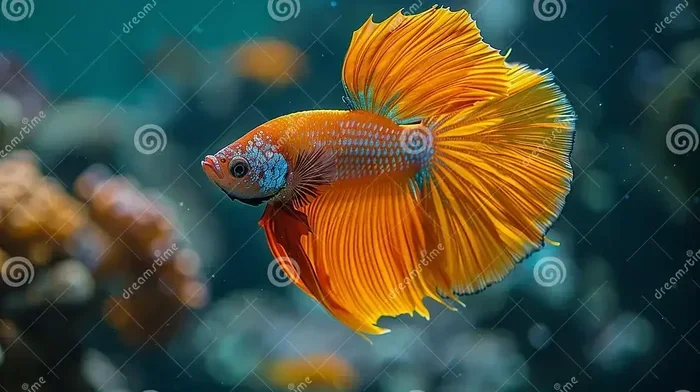
Figuring out how to tell what kind of betta fish you have is easier than you think. By looking at tail shapes, colors, body size, and fin patterns, you can identify your betta’s breed and variety. This guide walks you through every clue step by step.
So, you brought home a betta fish, but you are not entirely sure what kind it is. Maybe the pet store tag was unclear, or you adopted one from a friend. Either way, you want to know exactly what you are working with.
Learning how to tell what kind of betta fish you have is a fun and rewarding process. Betta fish come in many shapes, sizes, colors, and tail styles. Once you know what to look for, you can identify your fish with confidence.
This guide breaks down everything you need to know. From tail shapes to color patterns, we cover the main features that set each betta type apart. By the end, you will feel like a true betta expert.
Let us dive right in and start identifying your fish. No guesswork needed.
Key Takeaways
- Tail shape is the biggest clue: different betta breeds have uniquely shaped fins that make identification straightforward.
- Color and pattern matter: bettas come in solid, multicolor, and patterned varieties that help narrow down the type.
- Body size and fin length vary by breed: some bettas are short-finned and compact, while others have long flowing fins.
- Gender plays a role in identification: males and females look different, which helps confirm what kind of betta you own.
- Knowing the type helps with care: different betta varieties may need slightly different water and tank conditions.
- Start with the basics: tail shape, color, and body form cover most common betta fish types.
📑 Table of Contents
- Why Identifying Your Betta Fish Matters
- Common Betta Fish Types and Varieties
- How to Identify Your Betta by Tail Shape
- Recognizing Betta Fish Colors and Patterns
- Body Size and Physical Features to Look For
- How Gender Affects Betta Identification
- How to Care for Your Identified Betta
- When to Consult an Expert
- Final Thoughts
Why Identifying Your Betta Fish Matters
You might wonder why it even matters what kind of betta you have. The truth is, knowing your fish type helps you give it better care. Different betta varieties have slightly different needs when it comes to water, tank size, and diet.
For example, a betta with long flowing fins may need calmer water. A short-finned betta might be more active and need more swimming space. When you understand your fish, you can make smarter choices for its home and health.
Identification also helps you connect with other betta lovers. If you join online forums or visit local fish clubs, knowing your fish type makes conversations much easier. You will sound like you know exactly what you are talking about.
Plus, it is just plain fun. Betta fish are beautiful creatures, and learning about their differences deepens your appreciation for them. Once you learn how to tell what kind of betta fish you have, you will start noticing details you never saw before.
Common Betta Fish Types and Varieties
Betta fish belong to the species Betta splendens, but within that species, there are many distinct varieties. Each variety has its own look and personality. Let us explore the most common types you will encounter.
Crowntail Betta
The crowntail betta is one of the most popular types. Its fins have a spiky, crown-like appearance that makes it stand out. The webbing between the fin rays is reduced, giving each spine a separate, dramatic look.
Crowntails come in many colors and patterns. They have a relatively compact body and medium-length fins. If your betta looks like it is wearing a tiny crown, you likely have a crowntail.
Halfmoon Betta
The halfmoon betta has a tail that spreads out to form a perfect 180-degree semicircle. When the fins are fully open, they look like a beautiful fan or half-moon shape. This variety is especially popular among betta enthusiasts.
Halfmoons have long, flowing fins and a somewhat larger body than other types. Their dramatic tail spread makes them easy to identify once you know what to look for.
Plakat Betta
Plakat bettas have short, stubby fins that closely resemble wild bettas. They are sleek, fast swimmers and often look like miniature fighters. Many people confuse plakats with female bettas because of their shorter fins.
Plakats are known for being hardy and active. If your betta has short fins and a torpedo-shaped body, you might be looking at a plakat variety.
Veiltail Betta
The veiltail is probably the most common betta type found in pet stores. It has a long, flowing tail that droops downward like a veil. The tail fin is asymmetric, meaning one side is usually longer than the other.
Veiltails come in almost every color and pattern imaginable. They are friendly and hardy, making them a great choice for beginners. If your betta has a long, droopy tail, there is a good chance it is a veiltail.
Double Tail Betta
Double tail bettas have a split tail that looks like two separate tails. This unique feature gives them a distinctive silhouette. Their tails are often broad and rounded at the tips.
Double tails tend to have a slightly more compact body. They are relatively rare and sought after by collectors. If your betta looks like it has two tails, you have found a special variety.
How to Identify Your Betta by Tail Shape
Tail shape is the single most important feature when you want to tell what kind of betta fish you have. Each breed has a signature tail that sets it apart from the rest. Here is a simple way to look at your fish and figure out its type.
Start by observing your betta from above. Look at the overall shape of the tail fin. Is it long and flowing? Is it short and rounded? Does it spread out wide? Each answer points you toward a different breed.
Next, check the tail edges. Are they smooth and curved, or spiky and jagged? Smooth edges often mean a halfmoon or veil tail. Spiky edges usually indicate a crowntail. Jagged or split edges could mean a double tail.
Also, pay attention to how the tail moves. Long-finned bettas like halfmoons and veiltails tend to glide gracefully. Short-finned bettas like plakats swim with quick, darting movements. The way your fish moves can confirm what type it is.
Quick Tip: Use a Magnifying Glass
If you are having trouble seeing the details, try using a small magnifying glass. This helps you spot the tiny rays and webbing patterns in the fins. It is a simple trick that makes identification much easier.
Recognizing Betta Fish Colors and Patterns
Color and pattern play a big role in identifying your betta. While color alone does not tell you the breed, it helps narrow things down and adds to the overall picture of your fish.
Solid Color Bettas
Solid color bettas are exactly what they sound like. Their entire body and fins are one uniform color. Common solid colors include red, blue, green, white, and black.
These are some of the easiest bettas to identify because there is no pattern to confuse things. If your fish is one solid color from nose to tail, you are looking at a solid variety.
Multicolor Bettas
Multicolor bettas display two or more colors in distinct sections. For example, a fish might have a red body with blue fins, or a yellow head with a green body. The color breaks are usually clear and well-defined.
Multicolor patterns are common across many betta breeds. The specific color combination does not always tell you the breed, but it does make each fish unique and beautiful.
Patterned Bettas
Patterned bettas have interesting designs on their bodies and fins. Some common patterns include butterfly, marble, koi, and cambodian. Each pattern has its own look and charm.
Butterfly patterns have a gradient of color that fades from dark at the body to light at the fin edges. Marble patterns have bold, irregular splotches that can change over time. Koi patterns mimic the look of koi carp with orange, white, and black patches.
How Color Helps with Identification
Certain colors are more common in specific breeds. For instance, crowntails are often found in vibrant reds and blues. Halfmoons frequently display rich, deep colors because of their large fin surface area. Plakats tend to show more natural, wild-type colors.
While color is not the only factor, it is a helpful clue. Combined with tail shape and body size, it gives you a much clearer picture of what kind of betta you own.
Body Size and Physical Features to Look For
Beyond the tail and colors, your betta’s body shape and size give you more clues. Different breeds have different body proportions that are worth examining.
Start by looking at the overall body shape. Is your betta long and slender, or short and round? Long, streamlined bodies are typical of plakats and wild-type bettas. Rounder, more compact bodies are common in halfmoons and crowntails.
Next, check the fin length relative to the body. Some bettas have fins that are longer than their entire body. Others have fins that are short and close to the body. This ratio is a key identifier.
Also, look at the dorsal fin, which is the fin on the top of the fish. In some breeds like the halfmoon, the dorsal fin is tall and wide. In plakats, it is shorter and more pointed. These small details matter when you are trying to identify your fish.
Finally, pay attention to the size of your betta overall. Most domesticated bettas grow to about 2.5 to 3 inches in length. But some varieties may look larger because of their long fins, even if their body is small. Do not let fin length fool you into thinking your fish is bigger than it actually is.
Quick Tip: Compare Photos Online
One of the easiest ways to identify your betta is to compare it with photos online. Search for images of different betta breeds and lay them side by side with your fish. You will often find a match quickly this way. It is like a visual matching game that is both fun and useful.
How Gender Affects Betta Identification
Gender is another important factor in identifying what kind of betta fish you have. Male and female bettas look noticeably different, and knowing this helps confirm your fish’s type.
Male bettas generally have longer, more colorful fins. They also tend to have more vibrant colors and elaborate tail shapes. Females have shorter fins, a duller color palette, and a visible white egg spot on their underside.
If you are trying to figure out if your betta is male or female, check for a small white dot near the ventral area. This is the egg spot and is present in most females. Males do not have this spot.
Keep in mind that some betta types look similar between genders. For instance, female crowntails can look a lot like males but with slightly shorter fins. Always use multiple features together for the most accurate identification.
If you are unsure about your fish’s gender, you can learn more about how to tell the gender of a betta fish with our detailed guide. Knowing the gender helps you understand your fish better and plan the right care approach.
How to Care for Your Identified Betta
Once you know what kind of betta fish you have, you can tailor its care to its specific needs. While all bettas share some basic requirements, different varieties benefit from small adjustments.
Every betta needs clean, warm water. The ideal temperature range is between 76 and 82 degrees Fahrenheit. Use a water conditioner to remove harmful chemicals from tap water before adding it to the tank.
Long-finned bettas like halfmoons and veiltails do best in calm water. Avoid strong filter outflows that can damage their delicate fins. You can baffle the filter or use a sponge filter for gentle flow.
Short-finned bettas like plakats are more active and need space to swim. A tank of at least 5 gallons is recommended for any betta, but larger is always better. Add plants and hiding spots to make your fish feel safe and comfortable.
Feed your betta a varied diet of high-quality pellets and occasional treats like frozen bloodworms or brine shrimp. Overfeeding is a common mistake, so feed small amounts once or twice a day. For more detailed care tips, check out our guide on how to take care of a betta fish.
Common Mistakes to Avoid
- Keeping your betta in too small a tank: Bettas need at least 5 gallons to thrive.
- Using untreated tap water: Always condition water before adding it to the tank.
- Overfeeding your fish: This leads to obesity and poor water quality.
- Ignoring water temperature: Cold water can make your betta sluggish and sick.
- Housing two male bettas together: They will fight and can seriously harm each other.
When to Consult an Expert
Sometimes, despite your best efforts, you cannot figure out what kind of betta fish you have. That is perfectly okay. Many bettas are mixed breeds or have features that overlap between varieties.
If you are stuck, reach out to experienced betta keepers online. Forums and social media groups are full of people who love helping identify fish. Post clear photos of your betta from different angles, and you will likely get helpful answers quickly.
You can also consult a knowledgeable fish store employee or a local aquarium club member. These experts see many different betta types and can often identify yours on sight.
If your betta shows signs of illness, such as faded colors, clamped fins, or loss of appetite, seek advice promptly. Early treatment can make a big difference. Learn more about how to tell if your betta fish is sick so you can act fast when needed.
Remember, identifying your betta is a journey, not a race. Enjoy the process of learning about your fish and watching it thrive in its home.
Final Thoughts
Now you know how to tell what kind of betta fish you have. By looking at tail shape, color, pattern, body size, and gender, you can identify most betta types with confidence. Each variety has its own charm and unique features that make it special.
Take your time and enjoy the process. Use the tips and clues in this guide every time you look at your fish. Soon, you will know your betta type as well as you know your best friend.
Caring for a betta becomes much more rewarding when you understand what makes your fish unique. Apply what you have learned here, and your betta will thank you with vibrant colors and lively behavior.
Keep learning, keep observing, and most of all, enjoy your beautiful betta fish. You now have the knowledge to identify and care for your fish like a true expert.
Frequently Asked Questions
What is the easiest way to tell what kind of betta fish I have?
The easiest way is to look at the tail shape. Different breeds have distinct tail forms like crowntail, halfmoon, veiltail, and plakat. Combine tail shape with color and body size for the most accurate identification.
Can I identify my betta fish just by its color?
Color alone is not enough to identify the breed. Many betta types share the same colors. However, color combined with tail shape and pattern gives you a much clearer picture of what kind of betta you have.
How can I tell if my betta is a male or female?
Males have longer, more colorful fins and no white egg spot. Females have shorter fins and a visible white dot on their underside. Learning how to tell the gender of a betta fish is a key part of identification.
Do different betta types need different care?
Yes, slightly. Long-finned bettas need calmer water to protect their delicate fins. Short-finned bettas are more active and need space to swim. All bettas need warm, clean water and a proper diet.
What if I still cannot identify my betta fish?
Post clear photos in online betta communities or forums. Experienced keepers can often identify your fish from photos. You can also visit a local fish store or aquarium club for expert help.
Are there rare betta fish types I should know about?
Yes, some rare types include the double tail, elephant ear, and king betta. These are less common and often sought after by collectors. If your betta has unusual features, it might be one of these special varieties.