What Kind of Water Does Betta Fish Need
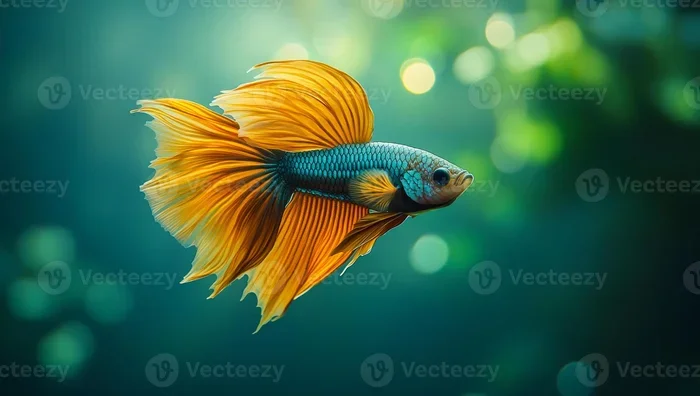
Betta fish thrive in warm, soft, slightly acidic water that mimics their natural tropical habitats. By monitoring temperature, pH, and water hardness, you can create a healthy environment that promotes vibrant colors and robust health. Follow these simple guidelines to ensure your betta lives a long, lively life.
Key Takeaways
- Ideal temperature: Keep water between 76‑82°F (24‑28°C) for optimal metabolism.
- pH range: Aim for slightly acidic water, pH 6.5‑7.0, similar to their native streams.
- Water hardness: Soft to moderately hard water (2‑12 dGH) is best.
- Filtration & aeration: Gentle filtration and occasional water changes prevent toxin buildup.
- Water source: Use conditioned tap water or reverse‑osmosis (RO) water diluted to the right hardness.
- Regular testing: Test kits help you maintain stable parameters and catch problems early.
- Seasonal adjustments: Slightly adjust temperature and pH during breeding or seasonal changes.
📑 Table of Contents
- Introduction: Why Water Matters for Betta Fish
- 1. Temperature: The Warmth Betta Fish Crave
- 2. pH: Keeping the Water Slightly Acidic
- 3. Water Hardness: Soft to Moderately Hard
- 4. Filtration, Aeration, and Water Changes
- 5. Choosing the Right Water Type for Your Setup
- 6. Monitoring and Maintaining Water Quality
- Conclusion: A Simple Recipe for Happy Betta Water
Introduction: Why Water Matters for Betta Fish
Imagine moving to a new home and finding out the air is too dry or the temperature is constantly freezing. You’d feel uncomfortable, right? Betta fish feel the same way about their water. The quality of the water you provide isn’t just a backdrop—it’s the foundation of their health, color, and behavior.
In this guide we’ll answer the question what kind of water does betta fish need by breaking down temperature, pH, hardness, and the best sources you can use at home. We’ll also share practical tips for testing, treating, and maintaining the perfect aquarium environment.
1. Temperature: The Warmth Betta Fish Crave
Ideal Temperature Range
Betta fish are tropical natives of Southeast Asia. In the wild they live in shallow rice paddies and slow‑moving streams where water stays warm year‑round. The sweet spot for a healthy betta is 76‑82°F (24‑28°C). Below 76°F, their metabolism slows, making them sluggish and more prone to disease. Above 82°F, stress spikes and oxygen levels drop.
How to Keep Temperature Stable
- Use an aquarium heater rated for the tank size; a 25‑watt heater works well for a 5‑gallon setup.
- Place the heater near a water flow (via a gentle filter) to distribute heat evenly.
- Check the heater daily with a reliable aquarium thermometer.
- In cooler rooms, consider an insulated tank cover to reduce heat loss.
Seasonal Adjustments
During breeding, many hobbyists raise the temperature to about 82°F to stimulate spawning. Once fry are released, gradually lower the temperature back to the normal range to avoid stressing the adults.
2. pH: Keeping the Water Slightly Acidic
What pH Is Best?
Betta fish prefer a pH that leans on the acidic side, typically **6.5‑7.0**. This mirrors the soft, tannin‑stained waters of their native habitats. A stable pH is more important than hitting an exact number; sudden swings can shock a betta’s delicate gills.
Testing and Adjusting pH
- Invest in a liquid test kit; they’re easy to read and more accurate than strips.
- If the pH is too high, add driftwood or Indian almond leaves; both release natural tannins that gently lower pH.
- For a pH that’s too low, a small amount of crushed coral or a commercial pH increaser can raise it safely.
Link to Related Reading
For a deeper dive into water chemistry, see our article on what type of water does a betta fish need.
3. Water Hardness: Soft to Moderately Hard
Understanding dGH
Water hardness measures the concentration of calcium and magnesium ions, expressed in degrees General Hardness (dGH). Betta fish thrive in **soft to moderately hard water—about 2‑12 dGH**. Very hard water (>20 dGH) can make it hard for them to regulate electrolytes.
Choosing the Right Source
- Tap water: Most municipal supplies are moderately hard. Use a water conditioner to remove chlorine and chloramines.
- Reverse Osmosis (RO) water: Pure RO water is essentially zero hardness. Mix RO water with tap water to reach the 2‑12 dGH range.
- Distilled water: Like RO, it’s too soft on its own; blend with tap water.
Adjusting Hardness
To soften water, add peat moss or use a commercial softening agent. To harden water, add crushed coral, limestone, or a commercial hardness booster—but do so gradually and retest.
4. Filtration, Aeration, and Water Changes
Gentle Filtration Is Key
Betta fish are “labyrinth” fish—they can gulp air from the surface, so they don’t need strong water flow. However, a gentle filter removes ammonia and nitrite, keeping the water clean. A sponge filter or a low‑flow hang‑on filter works perfectly.
Aeration Tips
- Provide a small air stone if the tank is heavily planted; the bubbles help circulate water without creating a strong current.
- Open the tank lid a few minutes each day to let fresh air in.
Regular Water Changes
Change **25‑30% of the water weekly**. This dilutes any accumulated toxins and helps maintain stable pH and hardness. Always match the temperature and parameters of the new water to the existing tank water before adding.
Link to Practical Guidance
Need a step‑by‑step water‑change routine? Check out how much water does a betta fish need for detailed instructions.
5. Choosing the Right Water Type for Your Setup
Tap Water vs. Bottled vs. RO
Most beginners start with tap water because it’s convenient. After conditioning, it usually meets the temperature, pH, and hardness needs for a betta. Bottled spring water can be an alternative, but always test it first—some brands are too hard.
When to Use RO Water
If you live in an area with very hard or highly alkaline tap water (pH > 8), RO water is a lifesaver. Mix 1 part RO with 2‑3 parts tap water, then test to hit the 6.5‑7.0 pH and 2‑12 dGH range.
Conditioners and Additives
Always use a water conditioner that removes chlorine, chloramine, and heavy metals. Some conditioners also contain beneficial bacteria to jump‑start the nitrogen cycle.
Link to Comprehensive Overview
For a full comparison of water types, read what kind of water for betta fish.
6. Monitoring and Maintaining Water Quality
Essential Test Parameters
- Ammonia (NH₃): Should always be 0 ppm.
- Nitrite (NO₂⁻): Should be 0 ppm.
- Nitrate (NO₃⁻): Keep below 20 ppm; higher levels can stress bettas.
- pH, Temperature, Hardness: Test weekly.
Testing Schedule
Test new tanks daily for the first two weeks, then settle into a weekly routine. Keep a logbook (paper or digital) to track trends.
Common Problems and Quick Fixes
- Cloudy water: Usually a bacterial bloom; increase filtration and perform a 20% water change.
- Algae overgrowth: Reduce light to 6‑8 hours per day and avoid over‑feeding.
- pH drift: Add driftwood or a commercial pH stabilizer.
Conclusion: A Simple Recipe for Happy Betta Water
Answering the question what kind of water does betta fish need comes down to three core ingredients: warm temperature (76‑82°F), slightly acidic pH (6.5‑7.0), and soft to moderate hardness (2‑12 dGH). Pair these with gentle filtration, regular water changes, and consistent testing, and you’ll give your betta a thriving, stress‑free home.
Remember, bettas are resilient but they’re not invincible. Small, consistent adjustments beat big, dramatic changes. Keep a close eye on the water, enjoy the vibrant colors, and watch your betta flourish for years to come.
Frequently Asked Questions
What temperature should betta fish water be?
Betta fish thrive in water kept between 76‑82°F (24‑28°C). Maintaining a stable temperature within this range supports healthy metabolism and vibrant coloration.
Can I use tap water for my betta fish?
Yes, tap water is fine if you treat it with a conditioner to remove chlorine and chloramines. Test the hardness and pH, then adjust with driftwood or crushed coral if needed.
Do betta fish need a heater?
In most homes, a reliable aquarium heater is essential to keep the water in the 76‑82°F range, especially in cooler climates or during winter months.
How often should I change the water?
Change 25‑30% of the tank water each week. This helps keep ammonia, nitrite, and nitrate levels low while maintaining stable pH and hardness.
Is a filter necessary for a betta tank?
A gentle filter is recommended to remove waste and keep water clear, but it should provide low flow to avoid stressing the betta.
What pH is safe for betta fish?
Betta fish do best in slightly acidic water, with a pH between 6.5 and 7.0. Consistency is key; avoid sudden swings in pH.