How to Tell If Your Betta Fish Is Injured
Knowing how to tell if your betta fish is injured is essential for every fish owner. From visible wounds and fin tears to sudden behavior changes, this guide covers all the key signs you need to watch for. We also share practical treatment tips and prevention advice to help your betta heal quickly.
Your betta fish is more than just a pet. It is a living creature that depends on you for its safety and well-being. When you notice something looks off, it is natural to worry. But do you actually know how to tell if your betta fish is injured? Understanding the signs of injury can make all the difference between a quick recovery and a serious health decline.
Betta fish are tough. They are known as the “warrior fish” for a reason. But even the strongest fish can get hurt. Whether it is a torn fin, a scrape from a sharp decoration, or an injury caused by a tank mate, injuries need attention. The good news is that most injuries are treatable if you catch them early. This guide walks you through every sign, symptom, and step you need to know.
We will cover physical signs, behavioral changes, common causes, and treatment options. By the end, you will feel confident in your ability to protect your betta. Let us dive in.
Key Takeaways
- Spot injuries early: Look for visible wounds, torn fins, bloating, and clamped fins as the most common signs.
- Behavior changes matter: Lethargy, loss of appetite, and hiding are strong indicators that something is wrong.
- Act fast: Early treatment with aquarium salt and clean water can prevent minor injuries from becoming serious.
- Prevention is key: A safe tank setup with smooth decorations and proper tank mates reduces injury risk.
- Know when to see a vet: Severe injuries, infections, or signs of a dying fish need professional attention quickly.
- Recovery is possible: With the right care, most betta fish injuries heal fully within days to weeks.
📑 Table of Contents
- Common Physical Signs of Injury in Betta Fish
- Behavioral Changes That Signal Injury
- Common Causes of Betta Fish Injuries
- How to Treat a Injured Betta Fish
- When an Injury Becomes Life-Threatening
- Preventing Injuries in the First Place
- Quick Tips for Injury Spotting
- Common Mistakes to Avoid
- Expert Insight: Why Early Detection Matters
- Conclusion
Common Physical Signs of Injury in Betta Fish
The easiest way to learn how to tell if your betta fish is injured is to look at its body. Physical signs are often the most obvious. You do not need to be a vet to spot them. Just look closely during feeding time or when you are doing a water change.
Visible Wounds and Cuts
Open wounds are a clear signal. These can appear as cuts, scrapes, or tears on the body. They might be red, swollen, or even bleeding slightly. Sharp decorations, rough gravel, or plastic plants with rough edges are common culprits. If you see a wound, act quickly. Clean water and a little aquarium salt can help prevent infection.
Torn or Ripped Fins
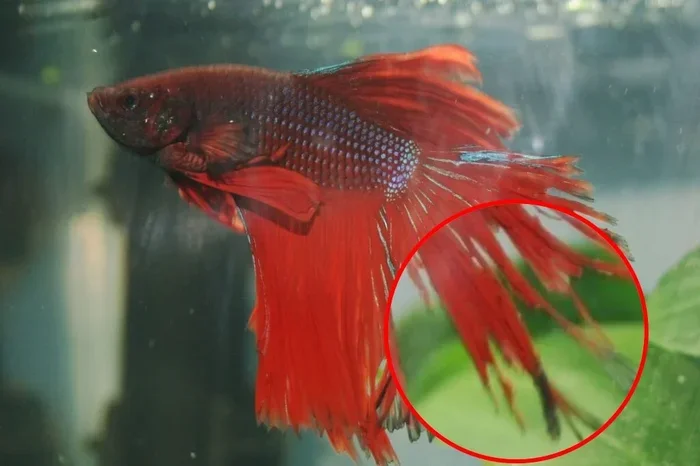
Fin damage is one of the most common injuries in betta fish. Torn fins look ragged, with pieces missing or frayed edges. This can happen from swimming into sharp objects or from fin nipping by other fish. Minor fin tears usually grow back within a few weeks. But severe damage might need more attention. You can read more about keeping your betta’s fins healthy in our guide on how to make your betta fish happy, which covers overall fin health and tank conditions.
Bloating and Swelling
A swollen belly is not always a sign of injury. It can also signal illness. But if the bloating came on suddenly after a fight or collision, it could be internal injury. Watch for other symptoms like clamped fins or loss of appetite. These combinations point toward trauma rather than just bloating.
Clamped Fins
When a betta holds its fins close to its body instead of spreading them out, that is called clamping. Clamped fins often signal pain or discomfort. It is one of the first behavioral signs that something is wrong. Check for any visible injuries nearby, and test your water parameters immediately.
White Spots or Patches
White spots on the body can indicate infection, especially around a wound. These spots may look like salt grains on the skin. They often appear when a minor injury becomes infected due to poor water quality. If you notice white spots, you should also check if your fish shows other signs of sickness, which you can learn about in our article on how to tell if my betta fish is sick.
Behavioral Changes That Signal Injury
Betta fish are expressive creatures. They show how they feel through their actions. Changes in behavior are often the first clue that your fish is hurt. You know your fish best. If something feels off, trust your instincts.
Lethargy and Sluggish Movement
A healthy betta is active and curious. It swims around the tank, explores, and responds to you. If your fish suddenly becomes lazy and stays at the bottom of the tank, that is a red flag. Lethargy can be a sign of pain from an injury. The fish conserves energy because moving hurts.
Loss of Appetite
Betta fish are hungry creatures. They get excited at feeding time. If your betta refuses food for more than a day or two, something is wrong. Injury-related pain can suppress appetite. However, a loss of appetite can also point to illness, so it is important to look for other signs too.
Hiding and Avoiding Interaction
If your usually social betta starts hiding behind the heater or in corners, take note. Injured fish often seek isolation because they feel vulnerable. This behavior is a natural survival instinct. It means your fish is not feeling safe or comfortable.
Flashing or Scraping Against Objects
Flashing is when a fish rapidly rubs its body against decorations or the tank walls. It looks a bit like a sudden twitch or dart. This behavior often means the fish is trying to relieve itchiness or pain from a wound or parasite. If you see this, inspect your fish carefully for injuries.
Common Causes of Betta Fish Injuries
Prevention starts with understanding what causes injuries in the first place. Most injuries are avoidable once you know the source. Here are the most common reasons betta fish get hurt.
Sharp or Rough Decorations
Plastic plants with rough edges, sharp rocks, and broken ornaments can easily cut a betta’s delicate fins and body. Betta fish have long, flowing fins that snag easily. Always choose smooth decorations and soft silk plants for your tank.
Aggressive Tank Mates
Betta fish can be territorial. Housing them with aggressive fish leads to fights and injuries. Fin nippers like tiger barbs or cichlids are especially dangerous. Always research tank mate compatibility before adding new fish to your betta’s home.
Poor Water Quality
Dirty water weakens a fish’s immune system. A weakened betta is more prone to infections from even minor scrapes. Ammonia and nitrite spikes are particularly harmful. Regular water changes keep your fish strong and resilient.
Jumping Out of the Tank
Betta fish are known jumpers. An open tank without a lid can lead to a fallen fish. Falls can cause bruises, broken bones, or even fatal injuries. Always keep a tight-fitting lid on your tank. This is one of the simplest and most effective injury prevention steps you can take.
How to Treat a Injured Betta Fish
Once you have identified an injury, the next step is treatment. Acting quickly gives your betta the best chance of a full recovery. Here is a clear, step-by-step approach.
Step 1: Quarantine the Fish
If you have a community tank, move the injured betta to a separate hospital tank. This prevents further harm from other fish and makes it easier to monitor healing. Use a tank of at least 5 gallons with a gentle filter and stable temperature.
Step 2: Clean the Wound
For external wounds, clean the area gently with a soft cloth dampened with tank water. Do not use soap or chemicals. A diluted iodine solution (used sparingly) can help disinfect minor cuts. Always be gentle, as betta fish are sensitive.
Step 3: Add Aquarium Salt
Aquarium salt is a proven treatment for minor injuries and infections. It helps reduce swelling, promotes healing, and fights bacteria. Use one teaspoon per gallon of water, and dissolve it before adding the fish. Do not use table salt, as it contains additives that can harm your fish.
Step 4: Improve Water Quality
Perform a 25 percent water change immediately. Test the water for ammonia, nitrite, and nitrate levels. Keep ammonia and nitrite at zero. Clean water is the foundation of healing. If you need guidance on water maintenance, check out our article on how to change your betta fish water.
Step 5: Monitor and Adjust
Watch your fish closely for the next several days. Look for improvement in appetite, energy, and the appearance of the wound. If the injury does not improve within a week, or if it gets worse, consider consulting a fish veterinarian. Do not wait too long, as untreated infections can become life-threatening.
When an Injury Becomes Life-Threatening
Sometimes injuries are more serious than they first appear. Knowing when an injury has crossed the line into a life-threatening situation is critical. This is especially important for owners who want to understand how to tell if a betta fish is dying from an untreated wound or infection.
Signs of a Severely Injured Fish
Look for these warning signs that indicate a critical situation:
- Heavy bleeding that does not stop after a few minutes.
- Inability to swim or loss of balance.
- Gaping mouth or visible bone damage.
- Complete loss of appetite for more than two days.
- Rapid breathing or gasping at the surface.
- Body turning pale or developing a grayish tint.
If you notice any of these signs, your fish needs immediate care. Move it to a clean hospital tank, raise the temperature slightly to about 80 degrees Fahrenheit, and contact a fish vet as soon as possible. In severe cases, injuries can lead to a fish dying if not treated promptly. Our article on how can you tell if a betta fish is dying provides more detailed guidance on recognizing end-stage symptoms.
Recovery Timeline
Minor injuries like small fin tears usually heal within 1 to 2 weeks. Moderate wounds with proper treatment can improve within 3 to 5 days. Severe injuries that require veterinary care may take several weeks. The key is consistent monitoring, clean water, and a stress-free environment. Keeping your fish’s tank conditions optimal also supports long-term health, which you can learn more about in our guide on how to know if your betta fish is happy.
Preventing Injuries in the First Place
The best treatment is prevention. A well-setup tank reduces the risk of injury significantly. Here are the most effective prevention strategies every betta owner should follow.
- Use smooth decorations: Choose silk plants, rounded rocks, and driftwood without sharp edges.
- Keep a secure lid: Prevent jumping accidents with a tight-fitting tank lid or cover.
- Choose peaceful tank mates: Avoid aggressive or fin-nipping species. Bettas do best alone or with very calm companions.
- Maintain clean water: Perform weekly water changes and test parameters regularly.
- Provide adequate space: A minimum of 5 gallons gives your betta room to swim without bumping into things.
- Feed a balanced diet: Strong fish recover faster. High-quality pellets and occasional treats keep your betta in top condition.
Taking these simple steps goes a long way. A safe environment means fewer injuries, a happier fish, and less stress for you.
Quick Tips for Injury Spotting
- Check your betta during feeding time when it is most active and visible.
- Use a flashlight to inspect hard-to-see areas like under the fins and near the tail.
- Keep a small magnifying glass near the tank for closer inspections.
- Take photos of any wounds to track healing progress over time.
- Set a weekly reminder to inspect your fish for any physical or behavioral changes.
Common Mistakes to Avoid
Even well-meaning owners can make mistakes when dealing with an injured betta. Here are the most common ones and how to avoid them.
- Using human medications: Never use over-the-counter human creams or ointments on your fish. These contain chemicals that are toxic to aquatic life.
- Ignoring early signs: Small injuries can become big problems fast. Do not wait and hope it gets better on its own.
- Overcrowding the hospital tank: Keep the treatment tank simple and stress-free. Too many decorations create hiding spots that make monitoring difficult.
- Changing too much water at once: Large water changes during treatment can shock a weakened fish. Stick to 25 percent changes.
- Skipping water parameter tests: Even if the water looks clear, harmful chemicals can still be present. Always test before adding a fish back to the main tank.
Expert Insight: Why Early Detection Matters
Professional aquarists and fish veterinarians agree on one thing: early detection saves lives. A minor injury that is caught within hours has a much better outcome than one that goes unnoticed for days. The difference between a simple wound treatment and a serious infection comes down to timing. Get to know your fish. Watch it every day. Notice small changes. That daily attention is your greatest tool in keeping your betta safe and healthy.
If you ever feel unsure about what you are seeing, it is always better to check. A quick inspection can prevent a small problem from turning into an emergency. And remember, your betta relies on you for everything. The more you learn about its health, the better equipped you are to help.
Conclusion
Learning how to tell if your betta fish is injured empowers you as an owner. You now know the physical signs to look for, the behavioral changes to watch, and the steps to take for treatment. From visible wounds and torn fins to lethargy and loss of appetite, the clues are there if you know where to look. Prevention through a safe tank setup, smooth decorations, and clean water is always the best approach. But when injuries do happen, quick action and proper care make all the difference. Your betta fish deserves a safe, healthy life. With the knowledge from this guide, you are well on your way to giving it just that.
Frequently Asked Questions
How can I tell if my betta fish has a wound?
Look for visible cuts, scrapes, or red areas on the body. Torn fins and swelling near a specific spot are also strong indicators. Use a flashlight to inspect areas that are hard to see, especially near the tail and under the fins. If the wound looks infected with white spots or pus, it needs prompt treatment.
Can a betta fish die from a minor injury?
Most minor injuries heal on their own with proper care. However, if a small wound becomes infected due to poor water quality, it can escalate quickly. Infections can spread and become life-threatening within days. This is why early treatment and clean water are so important.
What should I put on a betta fish wound?
Use aquarium salt at one teaspoon per gallon to help disinfect and promote healing. For open wounds, a diluted iodine solution applied very sparingly can work. Never use human antiseptics or creams. Always consult a fish vet for severe wounds that do not improve within a few days.
How long does it take for a betta fish fin injury to heal?
Minor fin tears typically heal within 1 to 2 weeks. Moderate damage may take 3 to 4 weeks. The healing speed depends on water quality, nutrition, and the severity of the injury. Keeping the tank clean and stress-free supports faster recovery.
Why is my betta fish hiding after an injury?
Hiding is a natural defense response. Injured fish feel vulnerable and seek safe, quiet spots. This behavior is normal in the first 24 to 48 hours after an injury. If hiding continues beyond a couple of days, check for signs of infection or worsening pain, and consider treatment steps.
How do I prevent my betta fish from getting injured?
Use smooth decorations, keep a secure tank lid, avoid aggressive tank mates, and maintain clean water. Regular tank inspections and a balanced diet also strengthen your fish’s resilience. Prevention is always easier and safer than treating an injury after it happens.