How to Tell If Your Betta Fish Is Mad

Knowing how to tell if your betta fish is mad is essential for every fish owner. Betta fish show anger through flaring, clamped fins, color changes, and hiding. This guide covers the top signs, causes, and fixes so you can keep your betta calm and healthy.
Have you ever walked up to your betta fish tank and noticed your fish looking extra aggressive? Maybe its fins are flared out, or it’s chasing its own reflection. If so, you might be wondering how to tell if your betta fish is mad. Understanding your betta’s mood is a key part of good fish care. A happy betta is a healthy betta, and a mad betta needs your attention fast.
Betta fish are beautiful, colorful creatures with big personalities. They can seem calm one moment and furious the next. Their anger might look like flaring at their reflection, refusing food, or even nipping at tank mates. In this article, we will walk you through every sign of an angry betta. We will also cover what causes this behavior and how you can fix it. By the end, you will feel confident reading your betta’s mood like a pro.
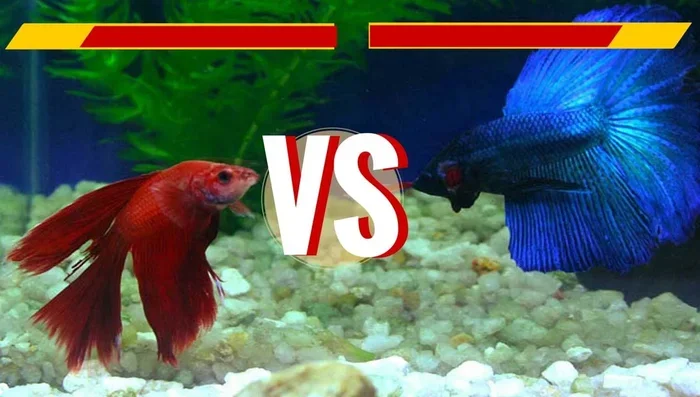
Let us start with the most obvious sign: flaring. When a betta flares, it spreads its gills and fins wide open. This makes the fish look as large as possible. In the wild, bettas do this to scare off rivals. In your home, your betta might flare at its reflection in the glass, at another fish, or even at you. Occasional flaring is normal. But constant flaring means something is wrong.
Key Takeaways
- Flaring and fin spreading: A mad betta will flare its gills and fins to look bigger and more threatening.
- Clamped fins are a red flag: When a betta holds its fins close to its body, it often signals stress or agitation.
- Color changes show mood: A betta fish may fade or darken in color when it is angry or stressed.
- Tank conditions matter: Poor water quality and small tanks are the biggest causes of an angry betta.
- Quick fixes work: Simple changes like cleaning the tank and adding hiding spots can calm a mad betta fast.
- Know when to seek help: Some anger signs overlap with sickness, so always check for illness too.
📑 Table of Contents
- Top Signs Your Betta Fish Is Mad
- What Causes a Betta Fish to Get Mad
- How to Calm Down an Angry Betta Fish
- When Anger Signals a Health Problem
- How to Keep Your Betta Happy and Calm Long-Term
- Quick Tips for Reading Betta Fish Mood
- Common Mistakes People Make with Angry Bettas
- Expert Insight: Understanding Betta Fish Behavior
- Conclusion
Top Signs Your Betta Fish Is Mad
Betta fish cannot talk, but they communicate a lot through body language. Learning to read these signals helps you respond quickly. Here are the most common signs that your betta is mad or stressed.
Flaring and Fin Spreading
Flaring is the #1 sign of an angry betta. When a betta flares, it opens its gill covers wide and spreads its tail fins. This display is meant to intimidate rivals or threats. You might notice your betta doing this when it sees another fish, a mirror, or even its own reflection. A little flaring now and then is normal betta behavior. But if your fish flares for long periods, it is a clear sign of betta fish aggression.
Here is what to watch for:
- Flaring that lasts more than a few minutes
- Flaring at nothing in the tank (likely a reflection)
- Flaring combined with chasing or nipping
- Constant flaring that exhausts your fish
If your betta flares at its reflection for hours, try reducing the reflection. You can move the tank to a less reflective spot or dim the lights. This simple fix often calms a mad betta down quickly.
Clamped Fins
Clamped fins are one of the easiest signs to spot. When a betta holds its fins tightly against its body instead of spreading them out, it is showing discomfort. Clamped fins can mean your fish is angry, scared, or stressed. This is different from flaring. Flaring is an aggressive display, while clamped fins show the fish wants to protect itself.
Check for these clues:
- Fins held close to the body all the time
- Difficulty swimming or moving freely
- Fins that stay clamped even during feeding
- Combined with rapid breathing or hiding
If you see clamped fins, test your water quality right away. Poor water conditions are a leading cause of stress. Also, check if your tank is too small. A cramped space can make any fish feel trapped and mad. Learn more about how to keep your betta fish warm and comfortable in a proper-sized tank.
Color Changes and Darkening
Betta fish can change color based on their mood. When a betta is mad or stressed, its colors may fade or become very dark. Some bettas develop vertical stripes when they are agitated. This is called “barring” and it is a strong stress signal. Bright, vibrant colors usually mean a happy fish. Dull or dark colors often mean something is wrong.
Watch for these color-related signs:
- Fading of usual bright reds, blues, or greens
- Darkening of the body or fins
- Vertical stripes or bars along the body
- Color returning to normal once the stressor is removed
Color changes can also happen when a betta is sleeping or resting, so look at the full picture. If the color change comes with other anger signs, your fish is likely mad.
Hiding and Refusing to Come Out
Most bettas are curious and active. They like to explore their tank and interact with their environment. If your betta suddenly starts hiding behind plants, in corners, or under decorations, something is bothering it. A mad or stressed betta often retreats to a safe spot and refuses to come out. This hiding behavior is a clear cry for help.
Consider these points:
- Hiding that lasts more than a day or two
- Refusing to come out even during feeding time
- Staying hidden after a new tank mate or change
- Pairing hiding with clamped fins or loss of color
If your betta is hiding, check the tank setup. Too much bright light, aggressive tank mates, or lack of hiding spots can all cause this behavior. Adding plants and decorations gives your betta places to feel safe.
Refusing Food or Eating Aggressively
A betta’s appetite changes when it is mad or stressed. Some angry bettas refuse food completely. Others become hyper-aggressive eaters and snap at anything that moves. Both extremes are warning signs. A healthy betta has a steady appetite and eats calmly.
Watch how your fish behaves at feeding time:
- Ignoring food it normally loves
- Biting at the water surface aggressively
- Spitting food out repeatedly
- Eating then darting to hide immediately
If your betta won’t eat for more than two days, this is a serious concern. Check the water temperature and quality first. Then look for other signs of anger or illness. Sometimes a betta that is mad will also show signs of being sick. It is important to distinguish between the two.
What Causes a Betta Fish to Get Mad
Now that you know the signs, let us talk about the causes. Understanding why your betta is angry helps you fix the problem at its root. Most causes of anger in bettas are linked to their environment or tank conditions.
Poor Water Quality
This is the #1 cause of stress and anger in betta fish. Dirty water builds up ammonia and nitrites, which are toxic to fish. Even small amounts of these chemicals can make your betta feel awful. Signs of poor water quality include cloudy water, bad smells, and algae buildup. A betta living in dirty water will often become aggressive, lethargic, or sick.
To keep water quality high:
- Test your water parameters weekly
- Change 25-30% of the water every week
- Use a gentle water conditioner to remove chlorine
- Clean the filter regularly but not too often
Regular betta fish tank cleaning goes a long way in keeping your fish calm and happy. Learn the proper steps in our guide on how to clean your betta fish tank.
Tank That Is Too Small
Betta fish need space to swim and explore. A tiny bowl or cup is not enough for a healthy, happy betta. When a betta is cramped, it feels trapped and becomes territorial. This territorial behavior often shows up as anger, flaring, and aggression. A tank that is at least 5 gallons is recommended for a single betta.
Small tanks cause these problems:
- Rapid buildup of toxins in the water
- No room for plants or hiding spots
- Temperature swings that stress the fish
- Increased aggression and frustration
If your betta lives in a small bowl, upgrading to a larger tank is one of the best things you can do. A bigger tank gives your fish room to roam and reduces anger triggers.
Reflections and Mirror Exposure
Betta fish are territorial by nature. When they see another fish (or their own reflection), they think it is a rival. This triggers flaring, chasing, and aggressive displays. Many bettas become obsessed with their reflection in the glass. They may flare at it for hours, which is exhausting and stressful.
To reduce reflection stress:
- Move the tank away from direct light sources
- Use a background on the outside of the tank
- Place plants or decorations to break up reflections
- Avoid placing two betta tanks side by side
Wrong Tank Mates
Betta fish are not always peaceful. Male bettas especially are known for fighting other bettas and fin-nipping fish. If your tank has aggressive tank mates, your betta will feel threatened and become angry. Choosing the right companions is crucial for a calm tank environment.
Good tank mates for bettas include:
- Neon tetras (in groups)
- Corydoras catfish
- Mystery snails
- Ghost shrimp
- Small schooling fish that stay in the upper levels
Avoid fish with bright colors or long fins, as bettas may see them as rivals. Also avoid fish that nip at fins. The wrong tank mates can turn a peaceful tank into a battlefield.
How to Calm Down an Angry Betta Fish
Once you identify the cause of your betta’s anger, you can start fixing the problem. Most mad bettas calm down once their needs are met. Here are practical steps to restore peace in your tank.
Improve Water Conditions First
Always start with the water. Test for ammonia, nitrite, and nitrate levels. Perform a partial water change if any levels are off. Clean the substrate and remove any waste or uneaten food. Fresh, clean water can quickly reduce stress and anger in bettas. Your fish will feel safer and more relaxed in a clean environment.
For ongoing maintenance, learn how to change your betta fish water the right way. Consistent water changes are the foundation of betta fish care.
Add Hiding Spots and Plants
Betta fish feel safer when they have places to retreat. Adding live or silk plants, caves, and decorations gives your fish a sense of security. When a betta knows it has a safe spot, it is less likely to feel threatened and lash out in anger.
Great options include:
- Live plants like java fern or anubias
- Small caves or hollow logs
- Silk plants (avoid sharp plastic edges)
- Leaf litter or floating plants for shade
A well-decorated tank makes a huge difference. It breaks up lines of sight and gives your betta its own territory to claim peacefully.
Reduce Stimulation and Noise
Betta fish are sensitive to their surroundings. Loud noises, tapping on the glass, and constant movement near the tank can stress them out. Try to place your tank in a quiet area of your home. Avoid sudden changes in lighting or temperature. A calm environment leads to a calmer betta.
Quick tips for a peaceful tank:
- Place the tank away from speakers and TVs
- Use a soft, dimmable light
- Avoid tapping or banging on the glass
- Keep the room at a stable temperature
When Anger Signals a Health Problem
Sometimes, what looks like anger is actually a sign of illness. Betta fish often become aggressive or withdrawn when they are not feeling well. It is important to check for other symptoms that might point to sickness rather than just a bad mood.
Signs That Anger Is Actually Illness
Watch for these warning signs that go beyond normal anger:
- Loss of appetite combined with lethargy
- White spots on the body or fins
- Ragged or torn fins that are not healing
- Swollen belly or pinecone-like scales
- Rapid breathing or gasping at the surface
- Lying on the bottom of the tank for long periods
If you notice any of these signs, your betta may need more than just a better environment. It may be sick. Learn how to tell if your betta fish is sick and take action quickly. Early treatment can make a big difference in your fish’s recovery.
Stress and Its Long-Term Effects
Chronic stress is dangerous for betta fish. A fish that stays angry or scared for weeks can develop weakened immunity, loss of color, and diseases. Long-term stress shortens a betta’s lifespan significantly. This is why catching anger signs early and addressing the cause is so important. A stressed betta is not just unhappy, it is at risk of serious health problems.
If your betta has been stressed for a long time, consider these recovery steps:
- Perform frequent small water changes
- Add stress coat conditioner to the water
- Keep the tank in a quiet, dim area
- Feed high-quality food to boost nutrition
- Give your fish time and patience to recover
With the right care, most bettas bounce back from stress. You can help your fish regain its vibrant colors and playful personality. For more tips on restoring your betta’s health, check out our article on how to make your betta fish healthy again.
How to Keep Your Betta Happy and Calm Long-Term
Prevention is always better than treatment. The best way to deal with an angry betta is to prevent anger in the first place. A well-set-up tank with good care creates a peaceful, happy fish. Here are the habits that keep bettas content.
Maintain a Consistent Routine
Betta fish thrive on routine. Feed them at the same times each day. Perform water changes on a regular schedule. Keep the temperature stable. When your fish knows what to expect, it feels secure. This security reduces stress and prevents anger from building up.
Provide Enrichment and Play
Did you know betta fish can get bored? A dull tank with nothing to do can make your fish frustrated. Add enrichment to keep your betta mentally stimulated. You can float a ping pong ball in the tank, train your betta to follow your finger, or set up a small current with a gentle filter. Engaging your betta in games with your betta fish is a fun way to strengthen your bond and keep it happy.
Enrichment ideas that work great:
- Floating toys or ping pong balls
- Training sessions with food rewards
- New plants or decorations to explore
- Gentle water flow for swimming against
Build a Bond with Your Fish
Betta fish are smarter than many people think. They can recognize their owners and respond to interaction. When you spend time near the tank and feed your betta by hand (gently), it builds trust. A betta that trusts you is less likely to feel threatened and angry. Building a bond with your betta fish creates a more relaxed, friendly companion.
For more on strengthening your relationship, read our guide on how to grow a bond with your betta fish. The connection you build makes all the difference.
Quick Tips for Reading Betta Fish Mood
Here is a quick reference guide to help you read your betta’s mood at a glance:
| Behavior | Likely Mood | What to Do |
|---|---|---|
| Flaring at reflection | Agitated or territorial | Reduce reflection, add plants |
| Clamped fins | Stressed or scared | Test water, check temperature |
| Fading or dark color | Stressed or angry | Improve water quality |
| Hiding constantly | Fearful or unwell | Add hiding spots, check for illness |
| Refusing food | Stressed or sick | Check water and health |
| Flaring at other fish | Territorial | Rearrange tank or remove trigger |
| Swimming actively and flaring fins | Happy and confident | No action needed |
This table is a quick tool, not a substitute for observing your individual fish. Every betta has its own personality. Some are naturally more aggressive, while others are calm and relaxed. Knowing what is normal for your fish helps you spot changes early.
Common Mistakes People Make with Angry Bettas
Even caring fish owners make mistakes when dealing with an angry betta. Here are the most common ones to avoid.
- Ignoring the signs: Many people think flaring is normal and do nothing. Constant flaring and aggression need attention.
- Adding more fish to fix it: Throwing in another tank mate rarely works. It often makes aggression worse.
- Changing everything at once: Sudden large water changes or tank rearrangements can stress your betta even more. Make changes gradually.
- Using the wrong tank size: Keeping a betta in a bowl or cup is the fastest way to create a mad, stressed fish.
- Not testing water regularly: You cannot see ammonia or nitrite. Testing is the only way to know your water is safe.
Avoiding these mistakes puts you on the right path to a calm, happy betta. Prevention and consistency are your best tools.
Expert Insight: Understanding Betta Fish Behavior
Betta fish are far more perceptive than most people realize. They respond to their environment, their routine, and even the emotions of the people around them. An angry betta is not being “mean” on purpose. It is communicating that something is wrong. When you learn to listen to these signals, you become a better caretaker. Your fish rewards you with vibrant colors, active swimming, and a healthy appetite.
Professional aquarists always recommend observing your betta daily. Spend a few minutes each morning watching how your fish moves, eats, and interacts with its environment. These small observations add up to a deep understanding of your betta’s needs. Over time, you will know exactly when something is off before it becomes a serious problem.
If you want to go deeper into understanding your betta’s overall well-being, check out our article on how to know if your betta fish is happy. Recognizing happiness is just as important as recognizing anger. Together, these skills give you a complete picture of your fish’s emotional state.
Conclusion
Knowing how to tell if your betta fish is mad is one of the most important skills any betta owner can develop. From flaring and clamped fins to color changes and hiding, the signs are there if you know what to look for. Most causes of anger in bettas are tied to water quality, tank size, and environment. By fixing these factors, you can transform a stressed, angry fish into a calm, happy companion.
Remember to act quickly when you spot anger signs. The longer a betta stays stressed, the harder it is to recover. Keep up with regular water changes, provide a spacious and decorated tank, and spend time observing your fish every day. A little attention goes a long way toward keeping your betta in the best possible mood.
Your betta fish depends on you for everything. When you take the time to understand its mood and meet its needs, you build a relationship that is rewarding for both of you. A calm betta is a joy to watch, and a happy betta lives a longer, healthier life. Put these tips into practice today and enjoy the difference in your fish’s behavior.
Frequently Asked Questions
Why is my betta fish suddenly acting angry?
Sudden anger in a betta usually points to a change in the environment. This could be poor water quality, a new tank mate, a reflection, or a sudden temperature drop. Check your water parameters first and look for any recent changes in the tank. Most of the time, fixing the environment calms the fish down quickly.
Can a betta fish be angry at you?
Betta fish do not feel anger toward people the way humans do. When your betta flares or chases its reflection, it is reacting to a perceived threat. However, bettas can become stressed or frightened by loud noises, tapping on the glass, or sudden movements near the tank. Treating your fish gently helps build trust and reduces stress responses.
How do I know if my betta is mad or sick?
This is a great question because the signs overlap. Both anger and sickness can cause clamped fins, hiding, and loss of appetite. Look for additional sickness signs like white spots, torn fins, swollen belly, or gasping at the surface. If you are unsure, learn how to tell if your betta fish is sick and compare the symptoms carefully.
Will my betta fish calm down on its own?
Sometimes a betta will calm down if the stressor is temporary, like a brief reflection flare. But chronic anger caused by poor tank conditions or wrong tank mates will not go away on its own. You need to address the root cause. Without intervention, prolonged anger leads to stress, illness, and a shorter lifespan for your fish.
What tank size is best for preventing anger in bettas?
A tank of at least 5 gallons is recommended for a single betta fish. This gives your fish enough space to swim, explore, and establish its own territory without feeling cramped. Smaller tanks lead to rapid toxin buildup and territorial frustration, which are major causes of anger and aggression in bettas.
How long does it take for a stressed betta to calm down?
It depends on the cause and severity of the stress. If you fix water quality or remove a stressor, many bettas show improvement within a few days. More serious cases caused by long-term poor conditions may take a few weeks of consistent care to fully recover. Patience and consistent tank maintenance are key to helping your betta bounce back.