How Much Food So Betta Fish
Knowing how much food to feed a betta fish is one of the most important parts of betta care. Overfeeding is the number one mistake new fish owners make, and it can lead to serious health problems. This guide covers the right portion sizes, feeding frequency, and tips to keep your betta thriving.
If you own a betta fish, you have probably wondered about how much food so betta fish needs every day. It is a simple question, but the answer matters more than most people think. Feeding your betta the right amount keeps it active, colorful, and living a long life. Too little food leads to weakness, and too much food leads to big problems.
This guide breaks down everything you need to know about betta fish feeding amounts. We will cover portion sizes, how often to feed, what foods to use, and the mistakes to avoid. Whether you are a new betta owner or have had fish for years, you will find useful tips here.
Key Takeaways
- Feed your betta fish 2-3 pellets per meal: This is the ideal portion size for most bettas.
- Feed twice a day: Morning and evening feedings work best for a healthy routine.
- Overfeeding causes serious problems: Bloating, constipation, and dirty tanks are common results.
- Skip one day a week: Fasting helps your betta’s digestive system stay clean and healthy.
- Variety matters: Mix pellets with frozen or live foods for better nutrition.
- Watch your fish’s appetite: A healthy betta eats eagerly but stops when full.
📑 Table of Contents
- How Much Food Does a Betta Fish Need?
- How Often Should You Feed a Betta Fish?
- What Should You Feed Your Betta Fish?
- Signs You Are Overfeeding Your Betta
- Quick Tips for Perfect Betta Feeding
- How Much Food Do Baby Betta Fish Need?
- Common Betta Feeding Mistakes
- Why Portion Control Matters So Much
- Conclusion
How Much Food Does a Betta Fish Need?
The short answer is simple. A betta fish needs a very small amount of food at each feeding. Most experts agree that 2 to 3 pellets per meal is the right amount. But there is more to it than just counting pellets.
Betta fish have tiny stomachs. In fact, their stomach is about the size of their eye. This means they cannot eat a lot at once. How much food to feed a betta fish depends on several factors, including the fish’s age, size, and activity level.
Portion Size by Food Type
Not all betta foods are the same size. Here is a quick look at portions for different food types:
- Pellets: 2 to 3 small pellets per feeding. Look for pellets made specifically for bettas.
- Flakes: A small pinch, about the size of your pinky fingertip.
- Frozen bloodworms: 2 to 3 pieces, thawed before feeding.
- Live food (brine shrimp, daphnia): A small handful, enough for the fish to eat in 2 minutes.
The key rule is this: a betta should finish its food in under 2 minutes. If food is left over, you gave too much. Uneaten food sinks to the bottom and ruins your water quality fast.
How Often Should You Feed a Betta Fish?
Most betta fish do well with two feedings per day. A morning feeding and an evening feeding creates a steady routine. Some owners also choose to feed once a day with a slightly larger portion, but twice a day is generally better.
How much food should I feed my betta fish each time? Stick to the 2 to 3 pellet rule for each meal. This prevents overfeeding and keeps your fish healthy.
Creating a Feeding Schedule
A consistent schedule helps your betta stay stress-free. Try this simple routine:
- Feed once in the morning, around 8 or 9 AM.
- Feed once in the evening, around 6 or 7 PM.
- Skip one full day of feeding each week for fasting.
Fasting one day a week is very important. It gives your betta’s digestive system time to process any remaining food. This helps prevent betta fish constipation and bloating. If you want more details on how long your betta can go without food, check out our guide on how many days betta fish can live without food.
What Should You Feed Your Betta Fish?
Not all fish food is created equal. Betta fish are carnivores, which means they need protein-rich food. The wrong diet can lead to poor color, low energy, and health issues over time.
Best Foods for Betta Fish
Here are the top food options for a healthy betta diet:
- Betta pellets: The foundation of a good diet. Look for high-protein pellets with fish meal as the first ingredient.
- Frozen bloodworms: A great treat that adds variety and protein.
- Brine shrimp: Excellent for bettas of all ages and sizes.
- Daphnia: A natural laxative that helps with digestion.
- Betta flakes: Okay as a supplement, but not as the main food source.
For a balanced approach, use pellets as the staple and rotate in frozen or live foods 2 to 3 times a week. This keeps mealtime exciting and nutrition complete. If you are interested in making your own food, you can learn more in our article on how to make betta fish food at home.
Foods to Avoid
Some foods can harm your betta. Stay away from these:
- Tropical flakes made for community tanks (wrong nutrition profile)
- Bread or crackers (causes bloating and offers no nutrition)
- Feeding too many live worms (can lead to fatty liver)
- Human food of any kind
Signs You Are Overfeeding Your Betta
Overfeeding is the fastest way to ruin your betta’s health. It is also one of the most common mistakes new fish owners make. How much do betta fish eat in the wild? Far less than most people think. In their natural habitat, bettas eat small insects and larvae throughout the day in tiny amounts.
Here are the warning signs of overfeeding:
- Cloudy water within hours of feeding
- Food left uneaten after 5 minutes
- Bloating or a swollen belly
- Lethargy or spending too much time at the bottom of the tank
- Stringy white waste that hangs from the fish
- Loss of appetite over time
If you notice these signs, reduce the portion size immediately. A bloated betta can become constipated, which may require fasting or even a pea treatment to fix. For more on how long bettas can survive without food, read how long can a betta fish survive without food.
Quick Tips for Perfect Betta Feeding
Follow these simple tips to make feeding time easy and effective:
- Remove uneaten food after 2 minutes. Use a small net or turkey baster to clean it up.
- Soak pellets before feeding. This prevents them from expanding in your betta’s stomach and causing bloating.
- Do not feed your betta right after a water change. Wait at least 30 minutes to let your fish settle.
- Use a feeding ring or tray. This keeps food in one place and makes it easy to remove leftovers.
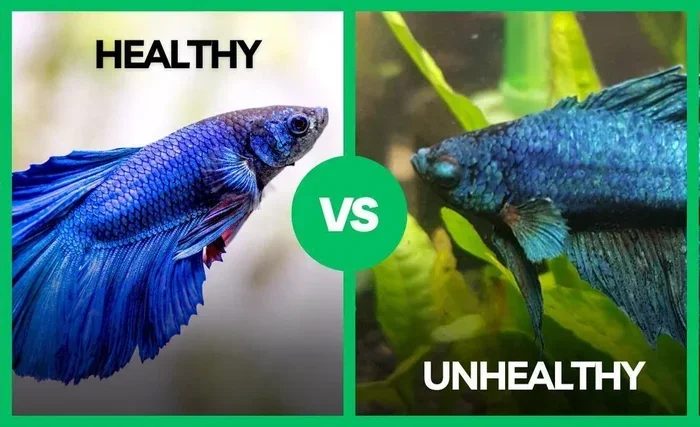
- Watch your betta’s body shape. A healthy betta has a rounded but not bloated belly.
These small habits make a big difference over time. Your betta will be more active, more colorful, and less prone to illness.
How Much Food Do Baby Betta Fish Need?
Young betta fish, also called fry and juveniles, have different feeding needs than adults. Baby bettas need smaller, more frequent meals to support their fast growth.
Feed baby bettas 3 to 4 times per day with very small portions. Crushed pellets, microworms, and baby brine shrimp work well for young fish. As your betta grows, you can reduce feedings to twice a day and increase the portion size slightly.
The goal is steady, consistent growth without overfeeding. A well-fed baby betta will develop vibrant colors and strong fins within the first few months.
Common Betta Feeding Mistakes
Even experienced fish owners sometimes make feeding mistakes. Here are the most common ones to watch out for:
- Feeding too much at once: This is the #1 mistake. Your betta’s stomach is tiny, and it does not need a lot of food.
- Skipping fasting days: Without a fasting day, food can build up in the digestive tract and cause blockages.
- Sticking to only one food type: Variety ensures your betta gets all the nutrients it needs.
- Feeding on a random schedule: Bettas thrive on routine. Feed them at the same times each day.
- Ignoring leftover food: Uneaten food decays fast and spikes ammonia levels in your tank.
Avoiding these mistakes will help your betta live a longer, healthier life. For more on betta care basics, visit our page about how much space a betta fish really needs to ensure its entire environment supports good health.
Why Portion Control Matters So Much
How much food so betta fish eats directly impacts water quality in your tank. When you overfeed, the extra food breaks down and releases ammonia. Ammonia is toxic to fish, even in small amounts. A single overfeeding session can spike ammonia levels and stress your entire aquarium setup.
Proper portion control does more than just keep your fish full. It keeps the water clean, reduces the need for water changes, and supports your filter’s biological load. A well-fed betta in a clean tank is a happy betta.
How much should a betta fish eat to maintain ideal water conditions? The answer is simple: only what it can consume in under 2 minutes. This small amount provides enough nutrition without polluting the water.
If you are ever unsure about the right amount, start with 2 pellets and observe your fish. If it eats eagerly and finishes everything, you got it right. If food is left behind, you gave too much for that particular feeding.
Conclusion
Feeding your betta fish the right amount is one of the easiest ways to boost its health and lifespan. Remember the basics: 2 to 3 pellets, twice a day, with one fasting day per week. Choose high-quality betta pellets and mix in frozen or live foods for variety. Watch for signs of overfeeding and adjust your portions as needed.
Now that you know how much food to feed a betta fish, you are well on your way to being a great betta owner. Your fish will thank you with bright colors, active swimming, and a long, healthy life. Start applying these tips today and watch the difference in your betta’s behavior and appearance.
Frequently Asked Questions
How many pellets should I feed my betta fish per meal?
Feed 2 to 3 small pellets per meal. This is the ideal portion for most adult bettas. If your betta is very small or young, start with 1 to 2 pellets and adjust based on how quickly it eats.
Can I feed my betta fish once a day instead of twice?
Yes, you can feed once a day, but the portion should be slightly larger. Twice a day is generally better because it mimics natural eating patterns and keeps energy levels steady throughout the day.
What happens if I overfeed my betta fish?
Overfeeding causes bloating, constipation, and poor water quality. Uneaten food decays quickly and raises ammonia levels, which can make your betta sick. Always remove leftover food after 2 minutes.
Can I feed my betta fish every other day?
Feeding every other day is not recommended for adult bettas. They need regular nutrition to stay healthy. However, skipping one day per week as a fasting day is beneficial and helps digestion.
What is the best time of day to feed a betta fish?
Morning and evening feedings work best. Try to feed at the same times each day to build a routine. Avoid feeding right before lights out, as bettas need time to digest their food while awake.
How do I know if my betta fish is hungry?
A hungry betta will swim to the surface and look around the feeding area eagerly. However, be careful not to confuse normal begging behavior with actual hunger. Stick to your feeding schedule and portion sizes to avoid overfeeding.