How to Raise Betta Fish Together
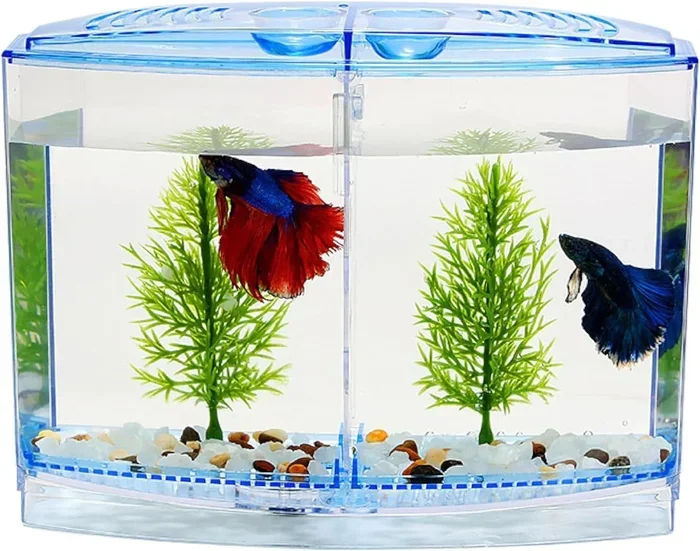
Learning how to raise betta fish together requires the right tank setup, compatible tank mates, and proper feeding habits. Bettas can coexist peacefully when you understand their behavior and create a safe environment. This guide covers everything you need to know about keeping multiple bettas in one aquarium successfully.
Raising betta fish together is both exciting and challenging. Many aquarium lovers dream of creating a beautiful community tank filled with these colorful, flowing-finned fish. But the truth is, bettas have a reputation for being aggressive. Understanding how to raise betta fish together the right way can make the difference between a thriving aquarium and a stressful disaster.
If you have ever wondered whether you can keep more than one betta in the same tank, this guide is for you. We will walk you through everything step by step. From tank setup to feeding routines, you will find practical advice that actually works. Let us dive in.
Key Takeaways
- Tank size matters: A minimum of 20 gallons is recommended when raising multiple bettas together.
- Know their behavior: Male bettas are highly territorial and usually cannot be kept together.
- Female sororities work: A group of female bettas can live together with proper setup and hiding spots.
- Water quality is critical: Regular water changes and proper filtration keep all fish healthy.
- Feed carefully: Spread food across the tank to prevent one betta from hogging all the food.
- Watch for aggression: Early signs of stress or fighting need immediate attention to prevent injury.
- Use tank dividers: A divider can help you keep bettas in the same aquarium without direct contact.
📑 Table of Contents
Understanding Betta Fish Behavior Together
Before you add a second betta to your tank, you need to understand how these fish think. Bettas are also called Siamese fighting fish for a reason. They are naturally territorial, especially males. Knowing their behavior helps you make smart decisions about tank setup and tank mates.
Why Betta Fish Fight
Male bettas fight to defend their territory. In the wild, they claim small spaces in rice paddies and slow-moving streams. When another male enters their space, they see it as a threat. The result is often fin nipping, chasing, and serious injury.
This is why you should never keep two male bettas in the same tank. They will fight, and the winner may not walk away without wounds. Even if one fish appears to win, both fish often suffer from stress and weakened immune systems.
Signs of Aggression to Watch For
Watch your fish closely, especially during the first few days of introduction. Some clear signs of aggression include:
- Flaring gills and spreading fins at other fish
- Chasing other fish around the tank
- Biting or nipping at fins
- Refusing to eat
- Hiding constantly or refusing to come out
- Clamped fins pressed close to the body
If you notice these signs, act fast. Remove the aggressive fish or use a tank divider to separate them. Stress can lead to diseases like ich and fin rot, which weaken your fish over time.
Setting Up the Right Tank for Multiple Bettas
The foundation of a successful community tank is the setup itself. A poorly designed tank leads to conflict, poor water quality, and sick fish. When you know how to raise betta fish together, tank design becomes your best friend.
Tank Size Requirements
Size really does matter. A tiny bowl is not enough for multiple bettas. Here is a simple guide:
- Two bettas: Minimum 20 gallons
- Three to four bettas: Minimum 30 gallons
- Five or more: 40 gallons or larger
More space means less territorial conflict. Each fish needs its own area to claim without bumping into another fish constantly.
Essential Equipment
You will need a few key pieces of equipment to keep multiple bettas healthy:
- Filter: A gentle filter that does not create too much current. Bettas prefer slow-moving water.
- Heater: Keep the water between 76°F and 82°F. Stable temperature reduces stress.
- Plants and decorations: Live or silk plants create hiding spots and break up sight lines.
- Thermometer: Monitor the water temperature daily.
If you are new to aquariums, check out this guide on how to set up a fish tank for betta fish for more detailed steps.
Using a Tank Divider
A tank divider is a practical solution when you want to keep bettas in the same aquarium without letting them touch. The divider splits the tank into sections, giving each fish its own space.
Dividers work well for:
- Quarantining a sick fish
- Housing two males who cannot be kept together
- Gradually introducing fish to each other
Some dividers even allow water to flow between sections, so both sides get filtered water. This is a great option if you do not have space for multiple tanks.
Choosing Compatible Tank Mates
Not all fish can live with bettas. Choosing the right companions is one of the most important parts of how to raise betta fish together successfully.
Male vs Female Betta Fish
Male bettas are the most aggressive and territorial. They should almost never be housed with other males. Female bettas can sometimes live together in what is called a “sorority.”
A female sorority works best when:
- The tank is at least 20 gallons
- There are five or more females (so no single fish becomes a target)
- There are plenty of plants and hiding spots
- The tank is set up before the fish are introduced
Best Tank Mates for Bettas
Some fish and creatures make great companions for bettas. Here are some options that generally work well:
| Tank Mate | Why They Work | Notes |
|---|---|---|
| Neon Tetras | Small, peaceful, stay in upper/mid levels | Keep in groups of six or more |
| Corydoras Catfish | Bottom dwellers, ignore bettas | Need soft substrate |
| Snails (Nerite or Mystery) | Clean algae, slow-moving | Cannot reproduce in freshwater |
| Ghost Shrimp | Inexpensive, help clean the tank | May be seen as food by bettas |
| Amano Shrimp | Larger, less likely to be eaten | Great algae eaters |
Avoid fish that are bright colored or have long fins, as bettas may mistake them for rival bettas and attack them.
Feeding Multiple Bettas Properly
Feeding time can become a battleground in a shared tank. If one fish eats all the food, the others go hungry. Proper feeding is essential when you are learning how to raise betta fish together.
Feeding Schedule and Diet
Feed your bettas twice a day, once in the morning and once in the evening. Only give them as much food as they can eat in two minutes. Overfeeding leads to dirty water and health problems.
A good diet includes:
- High-quality betta pellets
- Frozen or live bloodworms (as a treat)
- Daphnia or brine shrimp
- Blanched peas (to aid digestion)
Avoiding Food Aggression
To prevent one betta from eating all the food, try these tricks:
- Spread food across the tank: Drop pellets in different spots so multiple fish can eat at once.
- Use a feeding ring: This keeps food floating in one area, giving all fish equal access.
- Feed at the same time daily: Routine reduces anxiety and makes feeding predictable.
- Watch during meals: If one fish is consistently stealing food, consider feeding it separately for a few minutes first.
Maintaining Water Quality and Health
Clean water is the backbone of fish health. When multiple fish share a tank, waste builds up faster. Keeping up with water maintenance is non-negotiable.
Water Parameters for Betta Fish
Here are the ideal water parameters for bettas living together:
- Temperature: 76°F to 82°F
- pH: 6.5 to 7.5
- Ammonia: 0 ppm
- Nitrite: 0 ppm
- Nitrate: Below 20 ppm
Test your water at least once a week. Ammonia spikes can happen quickly in a multi-fish tank and can be deadly.
Water Changes and Filtration
Perform a 25% water change every week. Use a gravel vacuum to remove debris from the substrate. Always treat new water with a tap water conditioner before adding it to the tank.
A good filter is essential, but choose one with adjustable flow. Bettas do not like strong currents, and a powerful filter can stress them out. Sponge filters work great for betta tanks because they provide gentle filtration.
Common Health Issues in Shared Tanks
When fish live together, diseases spread faster. Watch out for these common problems:
- Fin rot: Frayed or discolored fins caused by poor water quality or bacterial infection. Treat early with antibiotics.
- Ich (white spot disease): Small white spots on the body and fins. Raise the temperature slightly and use medication.
- Fin loss from aggression: Torn fins from tank mates nipping. Separate aggressive fish immediately.
- Stress: Clamped fins, loss of color, and hiding are signs of stress. Address the cause quickly.
If you notice fin damage from fighting, learn how to treat betta fish fin loss before it gets worse. Early intervention makes a big difference.
Keeping Your Bettas Warm Without a Heater
In warmer climates or during summer months, you may not need a heater. But in winter or cold rooms, temperature drops can be dangerous. If you need alternatives, check out how to keep my betta fish warm without a heater for practical solutions.
Common Mistakes to Avoid
Even experienced fish keepers make mistakes. Here are some common errors people make when trying to keep multiple bettas together:
- Using too small a tank: A 5-gallon tank is not enough for two bettas. They need space to establish territories.
- Skipping the acclimation process: Always float the bag and slowly mix tank water before releasing new fish.
- Overcrowding the tank: More fish means more waste. Do not add too many fish too quickly.
- Ignoring early warning signs: If you see flaring or chasing, intervene before it escalates into injury.
- Neglecting water changes: A shared tank needs more frequent maintenance than a single-fish tank.
- Adding bright or long-finned tank mates: These can trigger territorial aggression in bettas.
Avoiding these mistakes saves you time, money, and heartbreak. Patience is your best tool when keeping multiple bettas.
Final Thoughts on Raising Betta Fish Together
Learning how to raise betta fish together is a rewarding experience that adds life and color to your home. The key is preparation, patience, and observation. Give your fish enough space, keep the water clean, feed them properly, and watch for signs of stress or aggression.
Start small if you are new to this. Try a female sorority or pair one male with peaceful community fish. As you gain confidence, you can experiment with more complex setups.
Remember, every betta has its own personality. Some are calm and social, while others are feisty and defensive. Respect their individual needs, and you will build a thriving aquarium that you and your fish will both enjoy.
For more information on general betta care, visit our guide on how to raise a betta fish and how to properly take care of betta fish.
Frequently Asked Questions
Can two male betta fish live together?
No, two male bettas should never be housed together. They are highly territorial and will fight, often resulting in serious injury or death. Always keep males in separate tanks or use a divider if you want them in the same aquarium.
How many female bettas can you keep together?
A group of five or more female bettas works best for a sorority setup. The group dynamic prevents any single fish from being targeted. Make sure the tank is at least 20 gallons with plenty of plants and hiding spots.
What is the best tank size for raising betta fish together?
A minimum of 20 gallons is recommended for two bettas. Larger tanks provide more territory and reduce aggression. For groups of three or more females, aim for 30 gallons or more.
How do you introduce new bettas to an existing tank?
Acclimate the new fish slowly by floating the bag in the tank for 15 to 20 minutes. Gradually mix tank water into the bag. Release the fish near plants or decorations to give it a hiding spot. Monitor all fish closely for the first few days.
What are the best tank mates for betta fish?
Peaceful bottom dwellers like corydoras catfish, neon tetras, nerite snails, and amano shrimp make great companions. Avoid bright-colored or long-finned fish that may trigger territorial behavior in bettas.
How often should you feed bettas in a shared tank?
Feed bettas twice a day with small amounts they can eat in about two minutes. Spread food across the tank to ensure all fish get their share. Remove any uneaten food after feeding to keep the water clean.