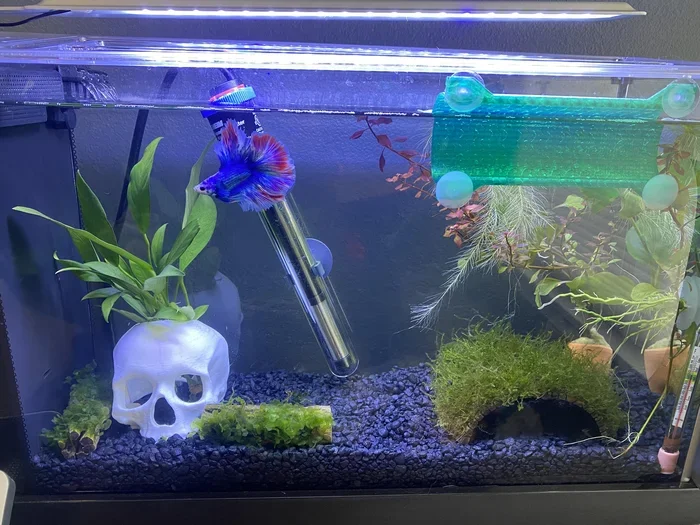
How to Stop a Betta Fish from Dying
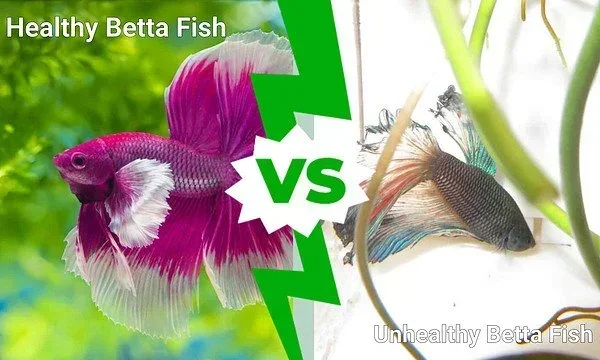
Stopping a betta fish from dying starts with understanding the warning signs and acting fast. This guide covers the most common causes of betta fish death, including poor water quality, stress, disease, and incorrect tank setup. You will learn practical steps to revive a struggling betta, prevent future health crises, and keep your fish thriving for years.
Watching a betta fish struggle is heartbreaking. You notice the colors fading, the fins clamping, and the energy draining away. The panic sets in. But here is the good news. Most situations where a betta fish is dying can be reversed if you act quickly and correctly. This guide walks you through every step you need to take to stop a betta fish from dying and give your companion the best chance at a full recovery.
Every betta fish owner should know that fish do not just die randomly. There is always a cause. Sometimes it is something simple, like a sudden temperature drop. Other times it is a hidden disease that crept up unnoticed. Understanding what goes wrong is the first step toward fixing it. Let us dive into the most common reasons betta fish die and how you can address each one.
Key Takeaways
- Water quality is the #1 factor: Ammonia, nitrite, and nitrate spikes are the leading killers of betta fish.
- Know the warning signs early: Recognizing symptoms like clamped fins, lethargy, and loss of color can save your fish’s life.
- Tank setup matters enormously: A properly cycled tank with the right temperature and décor prevents most health issues.
- Stress weakens the immune system: Reducing stressors is one of the most effective ways to stop a betta fish from dying.
- Quick action saves lives: Treating diseases like ich and fungal infections early gives your betta the best chance of survival.
- Prevention is always better than cure: Regular maintenance, proper feeding, and monitoring keep betta fish healthy long-term.
📑 Table of Contents
- Why Betta Fish Die: The Leading Causes
- How to Tell If Your Betta Fish Is in Danger
- Step-by-Step: How to Stop a Betta Fish from Dying
- Common Mistakes That Lead to Betta Fish Death
- When to Seek Professional Help
- Prevention: The Best Way to Stop a Betta Fish from Dying
- Quick Tips to Save a Dying Betta Fish Right Now
- Conclusion
Why Betta Fish Die: The Leading Causes
Before you can stop a betta fish from dying, you need to understand why they die in the first place. The causes fall into a few major categories. Once you know these, you can spot problems early and take action before it is too late.
Poor Water Quality
This is the number one killer of betta fish in home aquariums. Ammonia and nitrite are toxic to fish even in small amounts. A tank that has not been properly cycled will build up these harmful chemicals fast. Even in established tanks, skipped water changes can cause nitrate levels to spike. Betta fish are especially sensitive to water parameter swings. They may seem fine one day and be in critical condition the next.
If you suspect water quality is the issue, test your water immediately with a liquid test kit. Do not rely on test strips alone. Liquid tests give you far more accurate readings for ammonia, nitrite, nitrate, and pH. You can also learn more about saving a dying betta fish after a water change if you recently performed maintenance and things went wrong.
Wrong Tank Temperature
Betta fish are tropical fish. They need warm water to stay healthy. The ideal temperature range is between 78 and 80 degrees Fahrenheit. When the water gets too cold, a betta fish’s immune system slows down dramatically. This makes them vulnerable to diseases they could normally fight off. Cold water is one of the most common hidden causes of betta fish death.
If you do not have a heater, this is a serious problem. A betta fish cannot survive long-term in unheated water, especially during winter months. Check out our guide on how to keep your betta fish warm without a heater for emergency solutions if your heater fails.
Disease and Parasites
Bettas are prone to several common diseases. Ich, also known as white spot disease, is one of the most frequent culprits. Fungal infections, fin rot, and bacterial infections also take a heavy toll. The tricky part is that diseases often go unnoticed until they are advanced. By the time you see obvious symptoms, the fish may already be in serious danger.
Learning to recognize early signs of illness is critical. We have a detailed article on how to know if a betta fish is dying that covers the specific symptoms you should watch for every day.
Stress and Poor Environment
Stress might not kill a betta fish directly, but it weakens the immune system enough to let diseases take over. Common stressors include aggressive tank mates, bright lights, loud noises, small bowls, and sudden changes in their environment. A stressed betta will stop eating, hide constantly, and become susceptible to every pathogen in the water.
If you believe stress is the root cause, learning how to treat a stressed betta fish can help you address the underlying issues and restore your fish’s health.
How to Tell If Your Betta Fish Is in Danger
Time is your biggest enemy when a betta fish is dying. The faster you identify the problem, the better the chances of survival. Here are the most important warning signs to watch for.
- Clamped fins: The fish holds its fins tight against its body instead of spreading them out.
- Loss of color: Vibrant colors fade to pale white or gray.
- Lethargy: The fish barely moves and rests at the bottom of the tank.
- Loss of appetite: The fish refuses food for more than two days.
- Rapid breathing: Gills move quickly even when the fish is resting.
- White spots or patches: These signal ich or fungal infection.
- Fins deteriorating: Fins look ragged, melted, or discolored.
- Floating or sinking abnormally: Loss of buoyancy control.
If you notice any combination of these signs, do not wait. Start treatment immediately. Delaying action even by a few hours can make the difference between life and death.
Step-by-Step: How to Stop a Betta Fish from Dying
Now that you understand the causes and warning signs, let us get into the action plan. These steps will help you stabilize your betta fish and give it the best possible chance of recovery.
Step 1: Test the Water Immediately
Grab your liquid test kit and check ammonia, nitrite, nitrate, and pH. Ammonia and nitrite should always read zero. Nitrate should be below 20 ppm. If any of these numbers are off, you have found your problem. Perform a 50 percent water change right away using dechlorinated water at the same temperature as the tank. This single action alone can save a dying betta fish in many cases.
Step 2: Check the Temperature
Use a reliable aquarium thermometer to check the water temperature. If it is below 76 degrees Fahrenheit, this is an emergency. Raise the temperature gradually, no more than 2 degrees per hour, to avoid shocking the fish. A stable temperature around 78 to 80 degrees Fahrenheit supports the immune system and helps the fish fight off infection.
Step 3: Isolate the Fish if Needed
If you have a community tank, move the sick betta to a quarantine tank. This prevents other fish from picking on a weakened betta and allows you to treat the water without affecting the entire aquarium. A simple hospital tank with a sponge filter and gentle heater works perfectly.
Step 4: Treat for Disease
Once the water is clean and the temperature is stable, address any visible disease symptoms. For ich, raise the temperature slightly and use a dedicated ich treatment. For fin rot, antibacterial medication is usually effective. Always follow dosage instructions carefully and remove carbon from your filter during treatment, as carbon will absorb the medication.
For a detailed guide on treating one of the most common betta diseases, see our article on how to treat ich on a betta fish.
Step 5: Improve the Tank Setup
A betta fish cannot thrive in a tiny bowl or an uncycled tank. The minimum tank size should be 5 gallons, though larger is always better. Make sure the tank is fully cycled before adding any fish. Add gentle filtration, live plants, and hiding spots to reduce stress. A well-designed tank environment is one of the strongest defenses against disease and early death.
If you are setting up a new tank or upgrading, our guide on how to set up a fish tank for betta fish covers everything you need to get started the right way.
Step 6: Feed Properly and Monitor Daily
Overfeeding is a surprisingly common problem. Feed your betta small amounts twice a day, just enough that the fish eats everything within two minutes. Remove any uneaten food immediately. A varied diet of high-quality betta pellets, frozen bloodworms, and occasional blanched peas keeps your fish healthy and strong.
Make it a habit to observe your betta every single day. Watch how it swims, eats, and interacts with its environment. Catching small changes early is the secret to preventing a crisis.
Common Mistakes That Lead to Betta Fish Death
Many betta fish die because of simple, preventable mistakes. Here are the errors every owner should avoid.
- Keeping a betta in a bowl smaller than 5 gallons: Bowls do not provide enough space or stable water conditions.
- Skipping the tank cycle: Adding a betta to an uncycled tank exposes it to toxic ammonia from day one.
- Using tap water without conditioner: Chlorine and chloramine in tap water burn fish gills and damage their health.
- Overfeeding: Excess food rots in the tank and spikes ammonia levels rapidly.
- Ignoring water changes: Even in a cycled tank, regular water changes are essential to remove accumulated waste.
- Placing the tank in a stressful location: Direct sunlight, drafts, loud appliances, and high-traffic areas all cause chronic stress.
Avoiding these mistakes alone will dramatically increase your betta fish lifespan. A well-cared-for betta can live 3 to 5 years, and some even reach 7 years with excellent care.
When to Seek Professional Help
There are times when home treatment is not enough. If your betta fish is not responding to water changes, temperature adjustments, and medication after 48 hours, it is time to consult a veterinarian who specializes in fish. Many exotic pet clinics offer telehealth consultations. You can also reach out to experienced aquarists in online communities for advice on difficult cases.
Sometimes the kindest choice is to focus on comfort. If your betta is in the final stages of a terminal illness, you may want to learn about how to comfort a dying betta fish naturally to ensure your fish passes peacefully and without suffering.
Prevention: The Best Way to Stop a Betta Fish from Dying
The most powerful tool in your arsenal is prevention. A healthy betta fish in a well-maintained tank rarely faces life-threatening emergencies. Here is how to build a prevention routine that works.
- Test water weekly. Keep ammonia and nitrite at zero. Keep nitrate below 20 ppm.
- Perform 25 to 50 percent water changes every week. Consistency is more important than the size of the change.
- Keep the temperature stable. Use a reliable heater with a thermostat and check it monthly.
- Feed a balanced diet. Rotate between pellets, frozen foods, and occasional vegetables.
- Observe your fish daily. Know what is normal for your betta so you can spot anything unusual fast.
- Quarantine new fish. Any new addition to the tank should spend at least two weeks in a separate tank.
- Keep the tank clean. Vacuum the substrate during water changes and trim live plants as needed.
Building these habits takes a few weeks, but soon they become second nature. The result is a thriving betta fish that stays healthy and vibrant for years.
Quick Tips to Save a Dying Betta Fish Right Now
If you are in a panic and need fast action, here are the most effective emergency steps:
- Do a 50 percent water change with temperature-matched, dechlorinated water.
- Check ammonia and nitrite levels immediately.
- Raise the temperature to 80 degrees Fahrenheit if it is below 76.
- Remove any carbon from the filter before adding medication.
- Turn off bright lights and keep the room quiet to reduce stress.
- Add aquarium salt at the rate of 1 teaspoon per gallon for mild cases.
- Do not feed for 24 hours if the fish is not eating.
These quick actions address the most common causes of sudden betta fish decline. Many owners have successfully revived their fish using just these steps.
Conclusion
Stopping a betta fish from dying is absolutely possible when you know what to do. The key is acting fast, addressing the root cause, and providing consistent, high-quality care going forward. Water quality, temperature, disease prevention, and stress reduction form the foundation of betta fish health. By following the steps in this guide, you give your betta fish the best fighting chance when things go wrong. Remember, the best treatment is always prevention. Build a solid routine, stay observant, and your betta will reward you with years of beauty and companionship.
Frequently Asked Questions
How do you know if a betta fish is dying or just sick?
A dying betta fish shows multiple severe symptoms at once, such as extreme lethargy, pale color, clamped fins, and refusal to eat for several days. A sick betta may show one or two mild symptoms but still responds to food and swims occasionally. If you are unsure, test your water parameters first, since poor water quality is the most common cause of rapid decline.
Can you save a betta fish that is barely moving?
Yes, in many cases. A barely moving betta fish is often in critical condition but can recover with immediate action. Start with a large water change, check the temperature, and treat for any visible disease. Moving the fish to a clean, warm quarantine tank gives it the best chance of bouncing back.
What is the most common cause of betta fish death?
Poor water quality is the single most common cause. Ammonia and nitrite poisoning from an uncycled tank or skipped water changes kills more betta fish than any disease. Temperature shock and stress are also leading contributors. Regular water testing and maintenance prevent most of these deaths.
How long does it take to save a dying betta fish?
It depends on the cause and how quickly you act. Some betta fish show improvement within 24 to 48 hours of a water change and temperature adjustment. Disease-related cases may take 5 to 7 days of consistent treatment. Patience and consistency are essential throughout the recovery process.
Should you change all the water if a betta fish is dying?
No. Never change more than 50 percent of the water at once. A full water change can shock a weakened fish by removing beneficial bacteria and causing sudden parameter swings. A 50 percent change with temperature-matched, dechlorinated water is the safest emergency approach.
Can stress alone kill a betta fish?
Yes, chronic stress can be fatal over time. Stress weakens the immune system, making a betta vulnerable to diseases it could otherwise fight. Loud noises, aggressive tank mates, improper temperatures, and small tanks all contribute to stress. Creating a calm, stable environment is one of the most important things you can do for your betta fish.