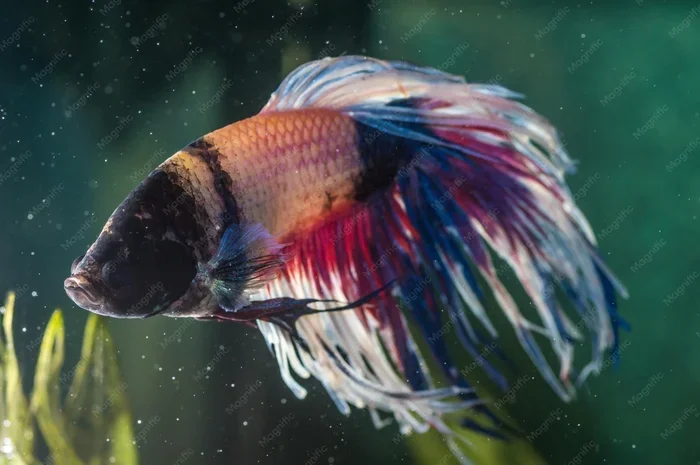
Where to Buy Giant Betta Fish
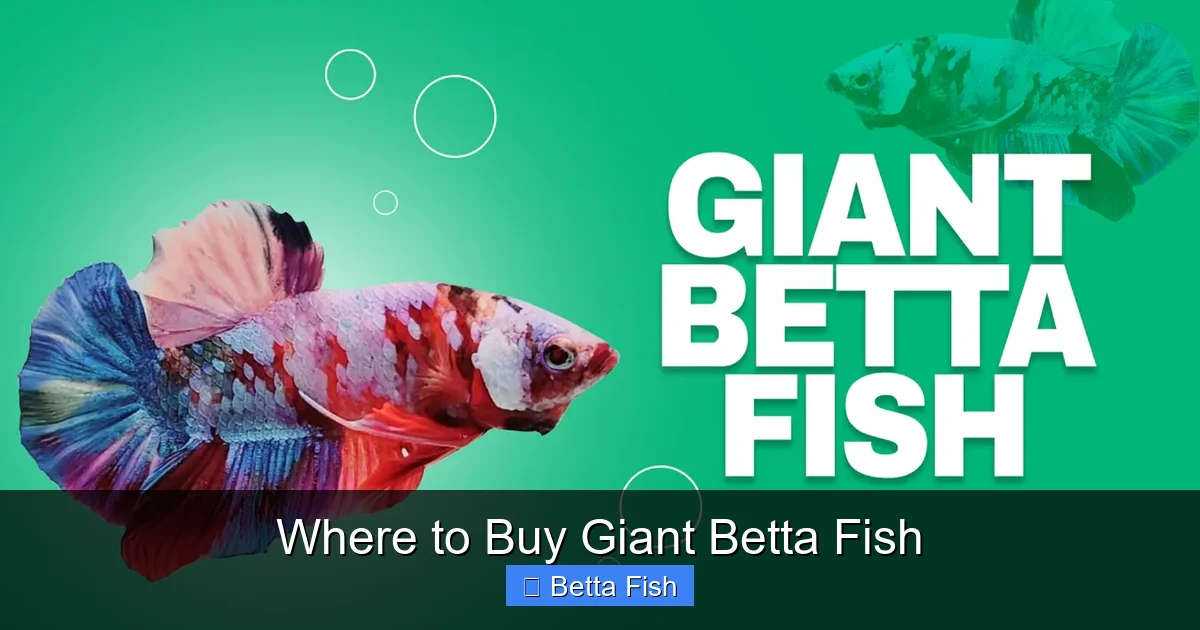
Finding a healthy giant betta fish requires knowing where to look and what to ask. Reputable specialty breeders and dedicated aquarium shops are your top sources, offering healthier, genetically superior fish. Avoid big-box retailers and vague online marketplaces where fish are often stressed and poorly cared for. Always prioritize sellers who provide clear health guarantees, tank conditions, and are transparent about the fish’s lineage and care history.
So, you’ve fallen in love with the majestic, flowing fins and commanding presence of the giant betta fish. These aren’t your average pet store bettas; they’re a statement piece, a living work of art that can grow up to 3-4 inches from head to tail tip. But here’s the critical first step that determines everything: where do you actually buy one? The wrong source can lead to heartbreak, a sick fish, and wasted money. The right source sets you up for years of rewarding companionship. This guide will walk you through every reputable avenue, the red flags to dodge, and the exact questions you must ask to bring home a thriving, beautiful giant betta.
Think of buying a giant betta not like buying a bag of kibble, but like adopting a specialized show dog. You’re investing in a living creature with specific genetic lines and care needs. The goal is to find a seller who treats their fish with the same level of respect and professionalism. We’ll break down the landscape, from the crème de la crème of breeders to your neighborhood fish store, and give you the tools to make a savvy, ethical choice.
Key Takeaways
- Specialty Breeders Are Gold Standard: They focus on genetics, health, and specific traits, providing the highest quality giant bettas with detailed care information.
- Local Aquarium Shops Can Be Excellent: Well-run stores with knowledgeable staff and clean, well-maintained display tanks are reliable sources for locally-sourced fish.
- Avoid Big-Box & General Marketplace Listings: Stores like Walmart or generic Facebook Marketplace sellers often have poor husbandry, high mortality, and no support or guarantees.
- Ask Critical Questions Before Buying: Inquire about water parameters, feeding routines, health history, and quarantine policies to gauge a seller’s expertise and care standards.
- Inspect Fish Health Visually: Look for vibrant color, intact fins, active swimming, clear eyes, and no signs of fungus, velvet, or clamped fins before purchasing.
- Shipping Requires Careful Planning: If buying online, choose sellers who use proper insulated packaging, heat/cold packs, and guaranteed live arrival policies.
- Quarantine is Non-Negotiable: Always quarantine new giant bettas for 2-4 weeks in a separate tank to prevent disease introduction to your main aquarium.
📑 Table of Contents
- Understanding the Giant Betta Market
- Top Tier Source #1: Reputable Specialty Betta Breeders
- Top Tier Source #2: Dedicated Local Aquarium Shops
- Online Sources: Navigating the Digital Marketplace
- Major Red Flags: Where NOT to Buy Giant Betta Fish
- The Buyer’s Due Diligence Checklist: Questions to Ask & Health to Inspect
- Bringing Your Giant Betta Home: The Critical First Steps
- Conclusion: A Journey Worth Taking
Understanding the Giant Betta Market
Before we dive into “where,” it helps to understand “what” you’re looking for. The term “giant betta” refers to bettas selectively bred over generations for larger body size, often with thicker, more muscular builds and longer, more elaborate fins than standard bettas. They come in virtually every color and fin type—plakat, halfmoon, double tail, veil tail—but on a grander scale. This selective breeding means genetics and husbandry are everything. A poorly bred giant betta from a stressed mother in bad water will be stunted, frail, and prone to disease. A well-bred one from a dedicated breeder will be robust, vibrant, and display the breed’s true potential.
The Importance of Ethical Breeding
Ethical breeders are artists and scientists. They carefully pair males and females to enhance desirable traits (size, finnage, color) while avoiding genetic bottlenecks that cause health issues. They raise their fry in pristine water, feed high-quality, varied diets, and cull (humanely euthanize) any fish with severe deformities to improve the overall health of the line. This isn’t cold; it’s responsible stewardship. When you buy from such a breeder, you’re getting a fish with a strong genetic foundation, raised in optimal conditions from day one. This translates to a hardier, more beautiful pet with a better chance at a long life (5-7+ years with proper care).
Top Tier Source #1: Reputable Specialty Betta Breeders
This is the undisputed premier source for a high-quality giant betta. Specialty breeders are passionate enthusiasts who breed bettas as a dedicated hobby or small business. They are treasure troves of knowledge and often have unique, high-demand color and fin combinations you won’t find anywhere else.
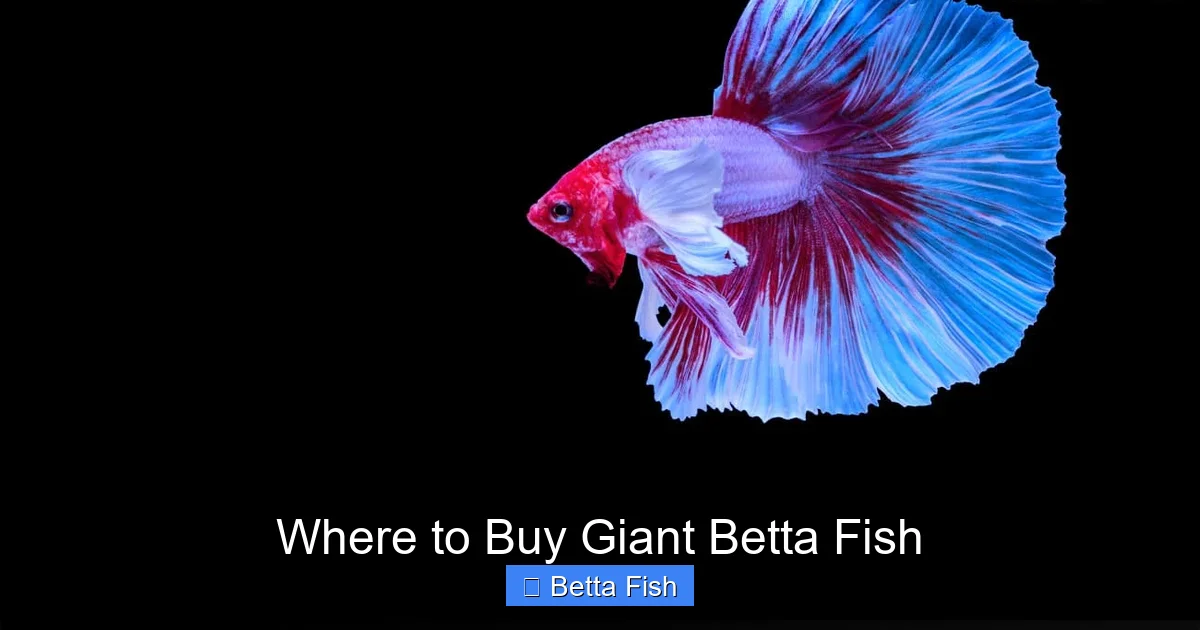
Visual guide about Where to Buy Giant Betta Fish
Image source: buildyouraquarium.com
How to Find a Reputable Breeder
Finding them requires a bit of detective work. Start with online communities. Forums like Betta Fish Keepers on Reddit or specialized Facebook groups are invaluable. Members will freely recommend breeders they’ve had excellent experiences with. Look for breeders who are active in these communities, answering questions and sharing their setups—it shows they’re invested in the hobby, not just sales. Also, search for “giant betta breeder” or “halfmoon giant betta breeder” on Instagram and YouTube. The best breeders use social media to showcase their stock, provide educational content about care, and document their breeding projects.
What to Expect When Buying From a Breeder
Communication will be personal and detailed. They will ask you questions about your tank setup, experience level, and water parameters to ensure their fish is going to a good home. They often sell fish at a specific size or age (e.g., 4-5 months old) to ensure they are past the fragile fry stage. Prices reflect the work involved: expect to pay anywhere from $50 to $200+ for a top-tier, show-quality giant betta from a renowned breeder. They typically sell via their own website or through a waiting list. They will provide clear photos/videos of the exact fish you’re buying, not just stock photos. Many also offer a health guarantee (e.g., 14-30 days) and will provide detailed lineage information if available.
Top Tier Source #2: Dedicated Local Aquarium Shops
Don’t overlook your local fish store (LFS)! A truly excellent, dedicated aquarium shop can be a fantastic source. The key is finding one that specializes in fish, not just a pet section in a general store.

Visual guide about Where to Buy Giant Betta Fish
Image source: koibettafish.com
What Makes a “Good” Local Shop?
Walk in and observe. The tanks should be impeccably clean. Water should be clear, algae minimal, and equipment (filters, heaters) should be running and properly installed. Fish should be active, swimming confidently, with fins fully extended (not clamped). Look for a dedicated, heated betta display system—individual cups or small tanks with clean water and heaters. Staff should be able to answer specific questions about the fish’s origin, how long they’ve had it, and basic care. If the shop gets its bettas from a known, reputable distributor or even local breeders, that’s a huge plus. Some shops even have relationships with local breeders and can special-order a giant betta for you.
The Advantages of Buying Locally
The biggest advantage is you can see the fish in person before you buy. You can assess its health, activity level, and conformation directly. There’s no shipping stress, which is a major killer of bettas. You also build a relationship with a local expert you can turn to for advice and supplies. Prices at a good LFS will be higher than a big-box store but often lower than a top breeder, typically in the $25 to $80 range for a nice giant betta. You’re also supporting a local business that cares about the hobby.
Online Sources: Navigating the Digital Marketplace
The internet is a double-edged sword. It connects you to breeders worldwide but also floods the market with low-quality, mass-produced fish. Navigating it wisely is key.
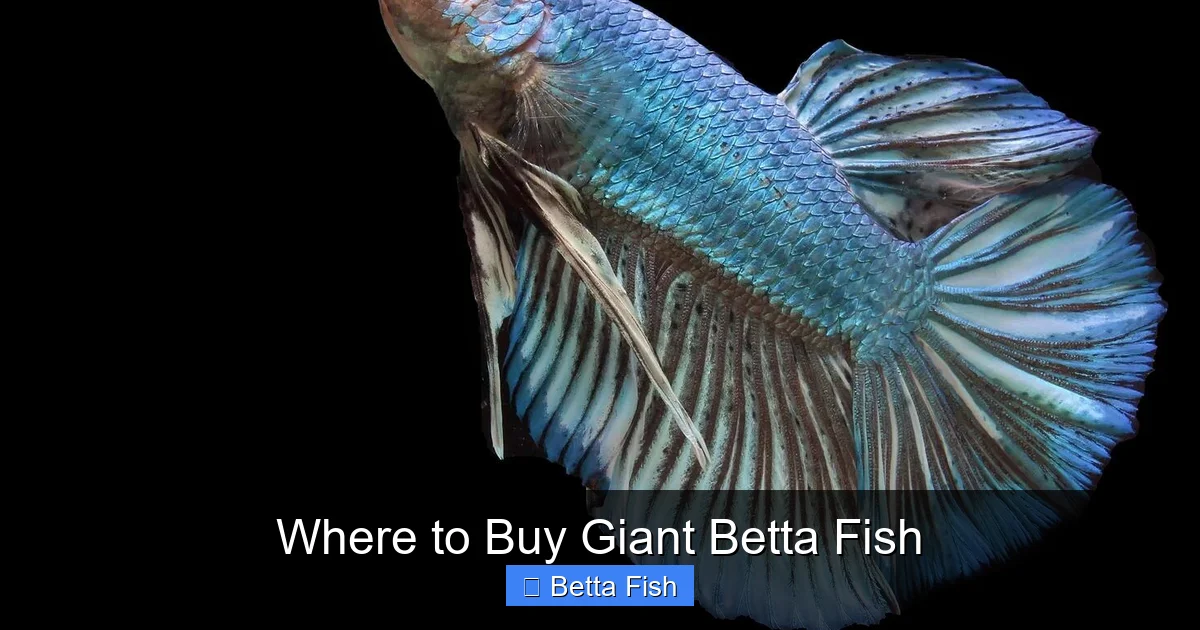
Visual guide about Where to Buy Giant Betta Fish
Image source: static.vecteezy.com
Specialized Online Retailers & Auction Sites
There are established online retailers that specialize in high-quality bettas. These businesses often have professional websites, detailed fish profiles with multiple high-resolution images and videos, and clear shipping policies. They source from reputable breeders or are breeders themselves. Examples include dedicated betta websites that ship across the country. Prices vary widely based on the fish. The process is similar to buying from a breeder: you select, pay, and await a carefully packed shipment. Always read reviews from previous customers about their shipping success and fish health upon arrival.
Auction Sites & Community Marketplaces (Use Extreme Caution)
Sites like eBay or general Facebook groups have sellers of all kinds. You can find good deals and rare fish here, but the risk is highest. Treat these listings like you would any other high-value online purchase. Scrutinize the seller’s feedback history specifically related to live fish. Demand recent, clear pictures and videos of the actual fish in its current tank. Ask pointed questions about its age, health, and last water change. If the seller is evasive, uses stock photos, or has no history of selling fish, walk away. The prices might be tempting, but the cost of a dead or diseased fish and the emotional toll aren’t worth it.
Major Red Flags: Where NOT to Buy Giant Betta Fish
Now, let’s talk about the places you should actively avoid. These are the sources that consistently produce poor outcomes for sophisticated fish like giants.
Big-Box Retailers & General Pet Stores
This includes giant chains like Walmart, PetSmart, Petco, etc. While convenient, their supply chain is designed for volume, not quality. Bettas are often shipped as tiny, stressed fry in tiny, unheated cups for weeks, suffering from ammonia burns, fin rot, and severe stress. The “giant” bettas you might see are often just standard bettas that have been overfed and are bloated, not genetically giant. The staff is rarely trained in specific betta or giant betta care. You are essentially buying a fish at the end of a long, brutal supply chain with a high probability of underlying illness. The low price ($10-$25) is not a bargain when the fish dies in a week.
General Online Marketplaces Without Vetting
Avoid sellers on platforms like Craigslist, OfferUp, or general Facebook Marketplace who have no established reputation in the fish hobby. These are often casual hobbyists selling surplus fish, and while some may have excellent stock, many have limited knowledge of disease prevention, proper packaging, or shipping logistics. The risk of receiving a dead on arrival (DOA) fish with no recourse is very high. If you do use these, apply the strictest vetting process and insist on local pickup only so you can inspect the fish yourself.
Any Seller Who Refuses to Answer Questions
This is the ultimate red flag. A legitimate, caring seller will be happy to tell you about their fish’s diet, tank mates, water change schedule, and health history. If they are vague, dismissive, or refuse to provide recent, clear photos/videos of the specific fish for sale, they are hiding something. Trust is paramount in this transaction. No trust? No sale.
The Buyer’s Due Diligence Checklist: Questions to Ask & Health to Inspect
Armed with knowledge of sources, your success hinges on your pre-purchase investigation. Whether online or in person, you must be your own advocate.
The Essential Pre-Purchase Questionnaire
Ask these questions of any seller, breeder, or shop:
- “What are the current water parameters (ammonia, nitrite, nitrate, pH, temperature) of the tank this fish is in?” A correct answer shows they test their water. “I don’t know” is a bad sign.
- “What is your feeding regimen? What food do you use?” Quality breeders/shops feed a varied diet of high-quality pellets, frozen foods (brine shrimp, bloodworms), and sometimes live foods.
- “Has this fish ever been treated with medication? If so, what and why?” Transparency is key. A recent, unexplained treatment is a concern.
- “Do you quarantine all new fish before adding them to your display/sale tanks?” This is non-negotiable for a reputable operation. It prevents disease outbreaks.
- “What is your policy if the fish arrives dead (for online) or becomes ill within X days?” A clear, fair health guarantee is a sign of confidence in their stock.
- “Can you provide a recent, clear video of this specific fish swimming in its tank?” This is the single best way to assess health and activity remotely. A refusal is a deal-breaker.
The Visual Health Inspection: What to Look For
When you see the fish (in person or on video), conduct this mental checklist:
- Activity: Should be alert, swimming smoothly and purposefully. Lethargy, floating at the top, or sinking and struggling is a major red flag.
- Fins: Should be fully extended, without tears, rot (blackened or fuzzy edges), or clamping (held tightly against the body).
- Body: Should be torpedo-shaped and muscular for a giant, not bloated or emaciated. No ulcers, sores, raised scales, or cotton-like growths (fungus).
- Eyes: Should be clear, bright, and protruding normally. Cloudy or “pop-eye” is a sign of disease.
- Gills: Should move rhythmically and not be red and inflamed (a sign of ammonia burn or infection).
- Color: Should be vibrant and even. Faded color, especially with dark vertical stress bars on the body, indicates poor health or stress.
Bringing Your Giant Betta Home: The Critical First Steps
You’ve found your fish and made the purchase. The journey isn’t over. The first few weeks are the most dangerous for your new betta due to stress and potential disease incubation.
The Mandatory Quarantine Tank
Never, ever skip this. Set up a simple, bare-bottom quarantine tank (5-10 gallons is ideal) with a heater, a sponge filter (gentle flow), and a few hiding places like a PVC pipe or java moss. Use established filter media from your main tank to seed beneficial bacteria, but treat it as a separate system. Acclimate your new betta to this tank using the drip acclimation method over 1-2 hours to slowly equalize water parameters. Keep it in quarantine for a minimum of 2 weeks, preferably 4. Monitor it closely for any signs of illness (loss of appetite, clamped fins, spots, scratching). Only after this observation period, and if it remains healthy, should you consider netting it and introducing it to its permanent display tank. This protects any existing fish from introducing pathogens.
Setting Up the Perfect Giant Betta Home
Your giant betta needs space to show off its grandeur. A single giant betta should have at least a 10-gallon tank, but 20 gallons long is even better. Use a gentle sponge filter or a filter with a very low flow (betta fins are delicate). A heater is essential to maintain a stable 78-80°F (25.5-26.5°C). Provide smooth, silk plants and soft, fine-leafed live plants like java fern or anubias. Avoid rough decorations that can tear fins. Use a soft, sandy substrate or fine gravel. A tight-fitting lid is crucial—giant bettas are strong jumpers. Perform weekly 25-30% water changes with dechlorinated, temperature-matched water. Stable, clean water is the single most important factor in preventing disease.
Conclusion: A Journey Worth Taking
Finding the right giant betta fish is the first and most important chapter in your story with this magnificent creature. It requires patience, research, and a commitment to ethical sourcing. By prioritizing specialty breeders and dedicated local aquarium shops, you are voting with your wallet for quality, animal welfare, and expert knowledge. You are far more likely to bring home a robust, genetically sound fish that will thrive for years, displaying the full, breathtaking potential of the giant betta breed.
Remember, the initial investment in a well-sourced fish saves you from the emotional and financial cost of a chronically ill one. Do your homework, ask the hard questions, and inspect with a critical eye. The moment you see your giant betta, healthy and flourishing in its perfectly set-up tank, gracefully flaring its massive fins, you’ll know every step was worth it. You haven’t just bought a fish; you’ve welcomed a living masterpiece into your home, built on a foundation of quality and care.
Frequently Asked Questions
How much does a true giant betta fish cost?
Prices vary dramatically based on quality, color, and fin type. From a reputable breeder or high-end online retailer, expect to pay between $50 and $200+ for a show-quality fish. From an excellent local aquarium shop, prices might range from $30 to $80. Any “giant betta” priced under $20, especially at big-box stores, is almost certainly not a genetically giant betta and is likely in poor health.
How can I tell if a giant betta for sale is actually healthy?
Look for vibrant, even color; fully extended, undamaged fins; active, alert swimming; clear eyes; and a muscular, torpedo-shaped body without bloating. The fish should be in clean, warm water with a heater. Avoid any fish with clamped fins, frayed or rotting fin edges, fuzzy growths, scratching on decorations, or lethargic behavior. Always ask for a recent video of the specific fish swimming.
Is it safe to ship a giant betta fish in the mail?
It can be done safely by experienced sellers. Look for shippers who use insulated boxes with proper heat or cold packs depending on the weather, double-bag the fish in clean, oxygenated water, and include a “Live Arrival Guarantee” with a clear policy for DOA (Dead on Arrival) claims. Avoid sellers who use standard mail services or have vague shipping policies. The best breeders often ship only on specific days to minimize transit time.
What size tank do I need for a single giant betta?
Due to their larger size and greater bio-load, giant bettas need more space than standard bettas. The absolute minimum is a 10-gallon tank, but a 20-gallon long tank is strongly recommended. This provides ample swimming space, more stable water parameters, and room for gentle filtration and decor without crowding.
Are giant bettas more aggressive than regular bettas?
Giant bettas share the same generally aggressive and territorial nature as all Betta splendens. Their size can make them more formidable, but the temperament is individual. They must be kept solitary or with extreme caution in very large, heavily planted community tanks with non-aggressive, non-fin-nipping tank mates. Never house two male giant bettas together. Their aggression level is not inherently higher, but their size means any flare or bite can cause more damage.
What is the average lifespan of a giant betta fish?
With pristine water conditions, a high-quality diet, and proper care, a well-bred giant betta can live 5 to 7 years, sometimes longer. This is comparable to, and sometimes slightly longer than, the average 3-5 year lifespan of a standard betta, as the selective breeding for hardiness in top lines can pay off. Poor genetics and bad husbandry, often from low-quality sources, can drastically shorten this to just 1-2 years.