How to Raise a Betta Fish in a Plant Bowl
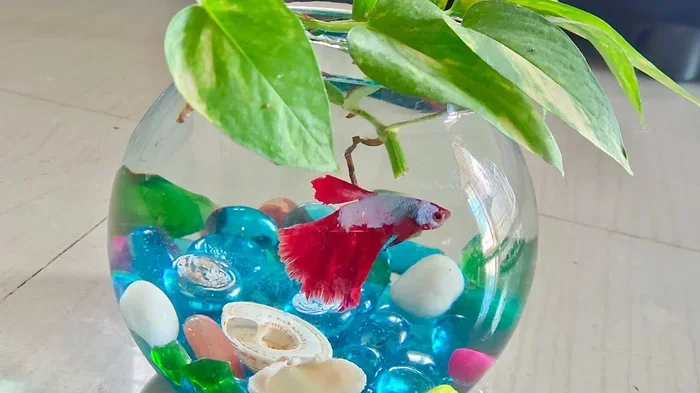
Raising a betta fish in a plant bowl is a rewarding way to create a beautiful, natural habitat for your fish. This guide covers everything you need to know about setting up the bowl, choosing the right plants, maintaining water quality, and keeping your betta healthy. You will learn simple steps to make your plant bowl a thriving home for your betta.
Raising a betta fish in a plant bowl is one of the most satisfying ways to keep these beautiful creatures at home. A plant bowl creates a natural, calming environment that mimics the betta’s native habitat. It also looks stunning on a desk, shelf, or windowsill. Many fish owners love the idea of combining greenery with a thriving aquarium. But doing it right takes knowledge and care.
This guide walks you through everything you need to know. You will learn how to set up the bowl, choose the best plants, maintain water quality, and keep your betta happy and healthy. Whether you are a beginner or an experienced fish keeper, you will find practical tips here. Let us dive in and explore how to raise a betta fish in a plant bowl the right way.
Key Takeaways
- Choose the right bowl size: A minimum of 2.5 gallons gives your betta room to swim and thrive.
- Pick safe aquatic plants: Live plants like java moss and anubias improve water quality and look great.
- Keep water clean: Regular water changes and proper filtration are essential for betta health.
- Maintain the right temperature: Bettas need warm water between 76 and 82 degrees Fahrenheit.
- Feed wisely: Small amounts of high-quality food prevent overfeeding and water pollution.
- Monitor your betta daily: Watch for signs of stress or illness to catch problems early.
- Use a gentle setup: Avoid sharp decorations and strong currents that can harm your betta’s fins.
📑 Table of Contents
Why Choose a Plant Bowl for Your Betta Fish?
A plant bowl offers many benefits that a plain glass bowl simply cannot match. Live plants do more than just look pretty. They actively improve the water quality in your betta’s home.
Plants absorb harmful toxins like ammonia and nitrates. They release oxygen into the water, which helps your betta breathe better. A well-planted bowl also creates a sense of security for your fish. Bettas feel more relaxed when they have places to hide and explore.
Another big advantage is the natural aesthetic. A plant bowl looks like a tiny underwater garden. It brings life and color to any room. Many people find that watching their betta swim through plants is incredibly calming and enjoyable.
However, a plant bowl does require more attention than a bare bowl. You need to balance the needs of both the fish and the plants. This means understanding water parameters, lighting, and feeding habits. But the rewards far outweigh the extra effort.
Live Plants vs. Fake Plants
When setting up a plant bowl, you have two main options: live plants or artificial ones. Live plants are the better choice for most betta keepers. They contribute to a healthier ecosystem and help maintain clean water. Fake plants may look nice, but they do not offer the same biological benefits.
Some fake plants can even harm your betta. Plastic plants with sharp edges can tear delicate betta fins. If you prefer fake plants, choose silk varieties that are soft and safe. But for the best results, go with live plants whenever possible.
Setting Up Your Betta Fish Plant Bowl
The setup process is the most important step in raising a healthy betta. A proper foundation makes everything else easier. Take your time and get this right from the start.
First, choose the right bowl. Many people wonder can you put a betta fish in a bowl, and the answer is yes. But the size matters a lot. A bowl that is at least 2.5 gallons gives your betta enough space to swim and explore. Smaller bowls can work, but they are harder to maintain. If you are unsure about the setup process, check out this guide on how to set up a betta fish bowl with a plant for detailed step-by-step instructions.
Choosing the Right Bowl Size and Shape
Width matters more than height for a betta bowl. Bettas are labyrinth fish, which means they breathe air from the surface. A wider bowl gives them more surface area to access oxygen. Avoid tall, narrow vases that limit swimming space.
Here are some good bowl options to consider:
- Round glass bowls: Classic and attractive, available in various sizes.
- Rectangular tanks: Offer more swimming room and easier planting space.
- Wide-mouth containers: Great for plant growth and easy maintenance.
Avoid bowls made of metal or toxic materials. Stick with glass or high-quality plastic that is safe for aquarium use. If you are curious about specific materials, you can read about can you put a betta fish in a plastic bowl to learn more about safe options.
Adding Substrate and Plants
Add a thin layer of aquarium-safe substrate at the bottom of the bowl. Gravel or sand works well. The substrate helps anchor your plants and gives the bowl a natural look. You do not need a thick layer. A quarter-inch to half-inch depth is plenty.
Now comes the fun part: choosing your plants. Some of the best plants for a betta bowl include:
- Java moss: Easy to grow and great for betta hiding spots.
- Anubias: Low-light tolerant and very hardy.
- Java fern: Adds a lush, natural feel to the bowl.
- Amazon sword: Provides good coverage and looks stunning.
Live plants like these not only enhance the beauty of the bowl but also support the nitrogen cycle. They help break down waste and keep the water cleaner longer. For more ideas on decorating your bowl with plants, check out our guide on how to decorate a betta fish bowl.
Water Quality and Maintenance
Clean water is the single most important factor in raising a healthy betta. Bettas are sensitive to poor water conditions. Even small amounts of ammonia or nitrites can make your fish seriously ill.
You should test your water regularly. Use a simple aquarium test kit to check ammonia, nitrite, nitrate, and pH levels. The ideal parameters for a betta bowl are:
- Ammonia: 0 ppm
- Nitrite: 0 ppm
- Nitrate: Below 20 ppm
- pH: Between 6.5 and 7.5
How Often to Change the Water
Water changes are essential for a plant bowl. In a small bowl, waste builds up quickly. You should perform partial water changes at least once a week. Replace about 25 to 30 percent of the water each time.
Use a siphon or small cup to remove old water gently. Be careful not to disturb the plants or substrate too much. Add fresh, dechlorinated water at the same temperature as the bowl water. Sudden temperature changes can stress your betta.
For more detailed guidance on keeping the water fresh, visit our article on how to maintain a betta fish bowl. It covers water change schedules, cleaning tools, and best practices in depth.
Using Water Conditioner
Always use a water conditioner before adding new water to the bowl. Tap water contains chlorine and chloramine, which are harmful to fish. A good conditioner neutralizes these chemicals instantly. This step is non-negotiable if you want your betta to thrive.
Some conditioners also add beneficial electrolytes that help reduce fish stress. Look for products that are specifically designed for betta fish. They often include ingredients that support fin health and gill function.
Feeding Your Betta Fish Properly
Feeding is one of the areas where new betta owners make the most mistakes. Overfeeding is a common problem that leads to poor water quality and health issues. Bettas have small stomachs, roughly the size of their eye.
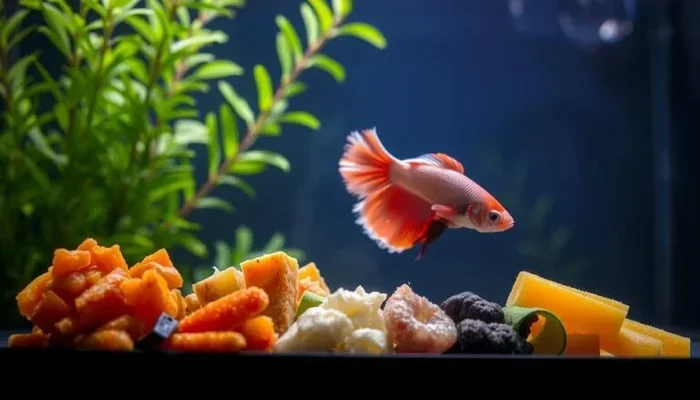
Feed your betta two to three times a day. Give only as much food as they can eat in two to three minutes. High-quality betta pellets are the best staple food. You can supplement with frozen or live foods like brine shrimp and bloodworms occasionally.
Here are some feeding tips to keep in mind:
- Stick to a schedule: Feed at the same times each day to build routine.
- Watch for uneaten food: Remove any food that settles on the bottom after feeding.
- Skip one day a week: This helps prevent constipation and gives the digestive system a rest.
- Variety matters: Rotate between pellets, frozen foods, and live treats for balanced nutrition.
Overfeeding not only pollutes the water but also shortens your betta’s lifespan. A well-fed betta should have a rounded body but not appear bloated. If you notice your fish refusing food, it could be a sign of illness or stress.
Creating the Ideal Environment
Bettas are tropical fish that need warm, stable water temperatures. Room temperature water is usually not warm enough on its own. You will need a small heater to maintain the right conditions.
Temperature Requirements
The ideal temperature range for a betta bowl is between 76 and 82 degrees Fahrenheit. Below 74 degrees, your betta may become sluggish and prone to illness. Above 86 degrees, the oxygen levels drop, which can also be dangerous.
Use a small aquarium heater rated for bowls. Place it near the filter output or in a corner of the bowl. A thermometer is essential to monitor the temperature accurately. If you want more tips on keeping the water warm, check out our guide on how to warm a betta fish bowl.
Lighting for Plant Growth
Your plants need light to grow and stay healthy. If your bowl is near a window with natural sunlight, that can work well. However, direct sunlight can cause algae blooms, which are difficult to control.
A better option is to use a small LED aquarium light. Set it on a timer for 8 to 10 hours per day. This gives your plants the energy they need without encouraging excess algae growth. Make sure the light is not too intense. Bettas prefer moderate lighting that mimics their natural habitat.
Adding a Filter
You might wonder, do betta fish have to be in a filtered tank. The answer is no, but a filter makes maintenance much easier. A gentle sponge filter helps circulate the water and remove debris without creating strong currents. Bettas prefer calm water because their long fins make them poor swimmers in fast-moving water.
If you choose not to use a filter, you will need to do water changes more frequently. A filter buys you time and keeps the water cleaner between changes. Choose a filter with an adjustable flow rate to keep the current soft and gentle.
Common Mistakes to Avoid
Even well-meaning betta owners can make mistakes that harm their fish. Being aware of these pitfalls helps you avoid them. Here are the most common errors people make when raising bettas in plant bowls:
- Using too small a bowl: Bowls under 1 gallon are extremely difficult to maintain. Your betta deserves at least 2.5 gallons of space.
- Skipping water changes: Even with plants, waste builds up. Regular water changes are not optional.
- Overcrowding the bowl: Bettas are solitary fish. Do not add tank mates without proper research.
- Using the wrong plants: Some plants release chemicals that are harmful to fish. Stick to aquarium-safe species.
- Ignoring temperature: Cold water weakens the betta’s immune system and invites disease.
- Overfeeding: Excess food rots at the bottom and spikes ammonia levels quickly.
Avoiding these mistakes sets you up for success. A little prevention goes a long way in keeping your betta healthy and vibrant.
Signs of a Healthy Betta Fish
Knowing what a healthy betta looks like helps you catch problems early. A happy betta displays bright, vivid colors and flowing fins. It should be active and curious, exploring the bowl throughout the day.
Here are the signs of a healthy betta:
- Strong appetite: Eagerly eats food at feeding time.
- Bright colors: Rich reds, blues, greens, or purples depending on the variety.
- Intact fins: No tearing, clamping, or fraying of the fins.
- Active swimming: Moves freely without gasping at the surface or staying at the bottom.
- Clear eyes: Eyes should be bright and free of cloudiness.
If you notice any of these warning signs, test the water immediately and perform a partial water change. Early action often makes the difference between a minor issue and a serious health problem.
Final Thoughts on Raising a Betta Fish in a Plant Bowl
Raising a betta fish in a plant bowl is a wonderful experience that brings nature into your home. It requires patience, consistency, and a genuine love for your fish. But the joy of watching a thriving betta swim through lush green plants is truly unmatched.
Start with a proper setup. Choose the right bowl, add safe plants, and maintain clean water. Feed your betta wisely and keep the temperature stable. Monitor your fish daily and act quickly if anything seems off. These simple steps will help your betta live a long, happy, and healthy life.
Remember that every bowl is a small ecosystem. Balance is the key to success. Take pride in your setup and enjoy the process. With the right care, your betta plant bowl will become a beautiful focal point in your home and a happy home for your fish.
For ongoing care tips and updates, be sure to visit our how to care for betta fish in bowl guide and our how to clean out a betta fish bowl article for deep cleaning best practices.
Frequently Asked Questions
What is the best plant for a betta fish bowl?
Java moss and anubias are among the best plants for a betta bowl. They are hardy, low-maintenance, and safe for fish. They also help improve water quality by absorbing nitrates and other waste products.
Can a betta fish live in a plant bowl without a filter?
Yes, bettas can live without a filter, but you must do water changes more frequently. A gentle sponge filter makes maintenance easier and helps keep the water cleaner. Without any filtration, the bowl can become toxic quickly.
How often should I change the water in my betta plant bowl?
Perform a partial water change of 25 to 30 percent once a week. This removes built-up waste and keeps ammonia levels in check. In smaller bowls, you may need to change water more frequently.
Do betta fish like plants in their bowl?
Yes, bettas love plants. Plants provide hiding spots, reduce stress, and improve water quality. Live plants also give bettas a more natural environment that encourages healthy behavior and vibrant colors.
Can I put a betta fish in a bowl with a bamboo plant?
Yes, bettas can live in bowls with bamboo plants. Bamboo is safe for fish and can grow partially submerged. Just make sure the bamboo does not release harmful substances into the water, and keep the water clean.
How long do betta fish live in a plant bowl?
With proper care, bettas can live three to five years in a plant bowl. The key factors are clean water, stable temperature, proper feeding, and a stress-free environment. Neglecting any of these can significantly shorten their lifespan.