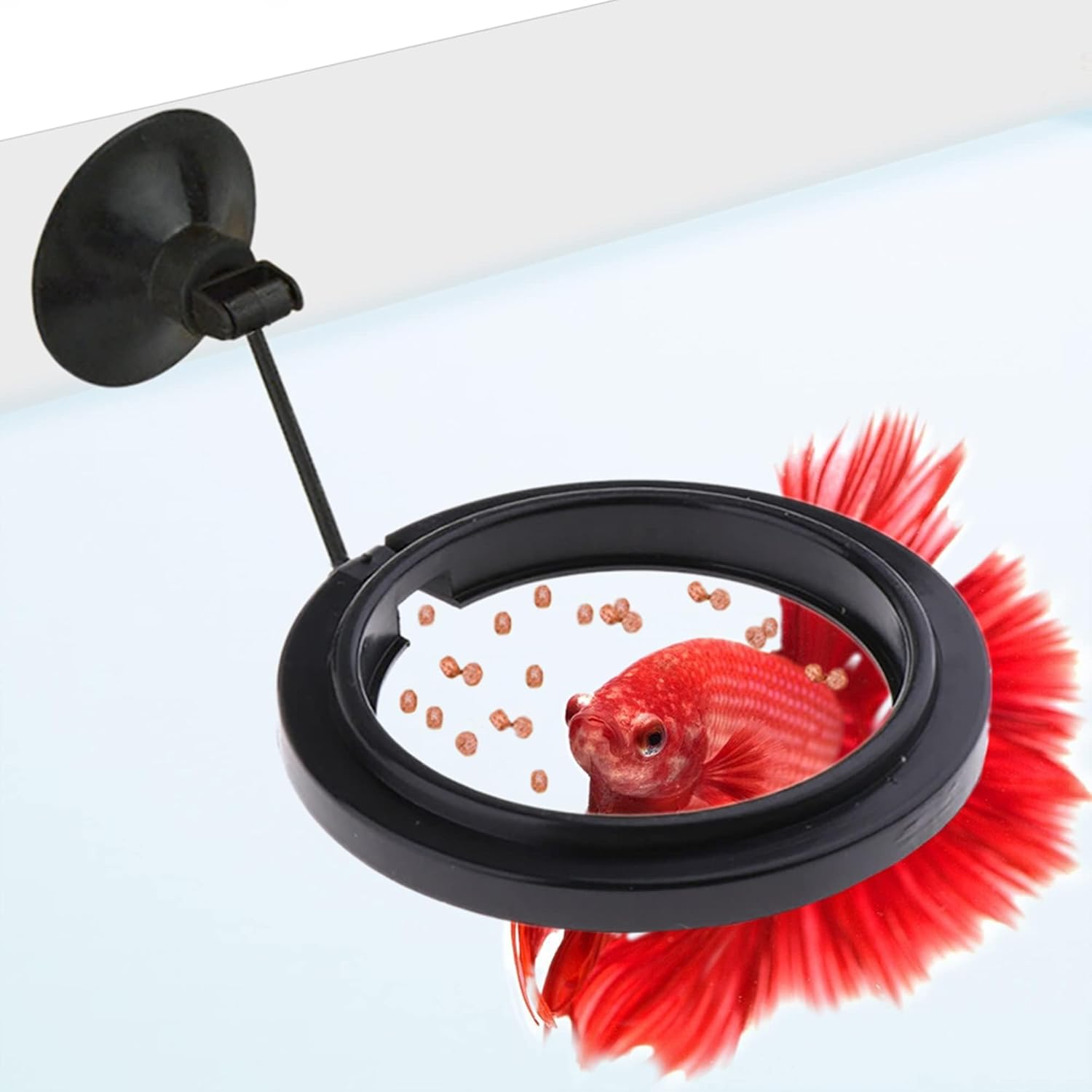
Betta fish are frequently seen in tiny bowls or cups, but this practice stems from myths, not science. Understanding their natural habitat, breathing needs, and social behavior reveals why a larger, well‑filtered tank is the healthiest choice. Learn practical steps to upgrade your betta’s home and keep it thriving.
Key Takeaways
- Myth vs. reality: Small containers persist because of outdated beliefs, not betta biology.
- Labyrinth organ: Betta’s special breathing organ lets them survive low‑oxygen water, but it doesn’t replace proper filtration.
- Stress reduction: A larger tank with plants and hiding spots lowers aggression and disease risk.
- Legal and ethical angles: Many pet stores sell tiny containers, but responsible owners should upgrade quickly.
- Practical upgrade tips: Simple steps—choose a 5‑gallon tank, add a heater, gentle filter, and live plants.
- Cost‑effective solutions: You don’t need expensive gear; budget‑friendly options work just as well.
- Long‑term benefits: Healthier bettas live longer, show brighter colors, and display natural behaviors.
📑 Table of Contents
- Introduction: The Tiny Bowl Dilemma
- 1. Historical Roots: From Rice Paddies to Pet Shops
- 2. The Science of Betta Biology
- 3. Why Small Containers Harm Betta Health
- 4. The Ethical and Legal Perspective
- 5. How to Upgrade: Practical Steps for Betta Owners
- 6. Budget‑Friendly Alternatives
- Conclusion: Rethinking the Tiny Bowl
Introduction: The Tiny Bowl Dilemma
Walk into a pet store and you’ll likely see a row of bright, flowing fins swimming in tiny plastic cups or glass bowls. It feels natural to think, “That’s where betta fish belong.” Yet, if you’ve ever wondered why are betta fish in small containers, you’ll discover a story full of history, marketing, and misunderstandings.
In this article we’ll unpack the reasons behind the tiny‑container trend, compare it with the betta’s natural environment, and give you clear, friendly advice on how to create a better home. By the end, you’ll feel confident enough to explain the issue to a friend—or to convince a pet store manager to rethink the display.
1. Historical Roots: From Rice Paddies to Pet Shops
1.1 The “Betta Bowl” Origin
Betta fish, also called Siamese fighting fish, come from shallow, slow‑moving waters in Thailand, Malaysia, and Cambodia. In the wild they live among dense vegetation, leaf litter, and warm water that can reach 30 °C (86 °F). When they were first exported in the 1970s, exporters needed a cheap way to ship large numbers. Small, sealed containers were the most economical.

Visual guide about Why Are Betta Fish in Small Containers
Image source: i.pinimg.com
Pet stores adopted the same containers for display because they were inexpensive and fit neatly on shelves. Over time, the image of a betta in a tiny bowl became ingrained in popular culture.
1.2 Marketing Myths
Retailers often claim that bettas can survive in tiny spaces because of their “labyrinth organ,” a special respiratory structure that lets them gulp air from the surface. While this organ does allow them to live in low‑oxygen water, it does **not** mean they thrive there. The myth persists because it’s a simple selling point: “No need for a filter!”
For a deeper dive into the myth, see our article on why are betta fish kept in such small containers. It explains how the myth started and why it’s misleading.
2. The Science of Betta Biology
2.1 The Labyrinth Organ Explained
The labyrinth organ is an extra set of gill‑like structures located near the fish’s head. It extracts oxygen directly from the air, allowing bettas to survive in water that would suffocate most other species. This adaptation is a survival trick for living in stagnant rice paddies, not a license to live in a 250 ml cup.
Visual guide about Why Are Betta Fish in Small Containers
Image source: png.pngtree.com
2.2 Natural Habitat Needs
- Temperature: 76‑82 °F (24‑28 °C) year‑round.
- Space: In the wild, a male’s territory can cover several square feet of leaf‑covered water.
- Structure: Plants, roots, and driftwood provide hiding spots and breeding platforms.
- Water Quality: Even in stagnant ponds, water is regularly refreshed by rain and runoff, keeping ammonia low.
When you compare these needs to a tiny plastic cup, the mismatch is obvious. A small container quickly becomes a stress factory.
3. Why Small Containers Harm Betta Health
3.1 Water Quality Decline
In a 250 ml bowl, waste products (ammonia, nitrite) accumulate within hours. Without filtration or regular water changes, toxic levels rise, leading to fin rot, fungal infections, and a weakened immune system.
Visual guide about Why Are Betta Fish in Small Containers
Image source: online.fliphtml5.com
3.2 Stress and Aggression
Betta males are territorial. When confined to a tiny space, they can’t establish a proper territory, causing chronic stress. Stressed bettas display faded colors, erratic swimming, and may even become more aggressive toward their own reflection.
3.3 Limited Exercise and Enrichment
In a small bowl a betta can only swim a few body lengths before hitting a wall. Lack of movement leads to muscle atrophy and a shorter lifespan. In contrast, a 5‑gallon tank allows natural swimming patterns and encourages healthy behavior.
4. The Ethical and Legal Perspective
4.1 Animal Welfare Concerns
Animal welfare groups argue that keeping bettas in tiny containers is a form of neglect. While the fish may survive, they do not thrive. Many countries are beginning to draft regulations that would require a minimum tank size for ornamental fish.
4.2 What Stores Can Do
Pet stores can still display bettas attractively without compromising welfare. Options include:
- Using 2‑gallon “display tanks” with gentle filtration.
- Rotating stock to keep water fresh.
- Providing live plants or silk décor to mimic natural habitats.
For more ideas on display improvements, read why are betta fish kept in small bowls.
5. How to Upgrade: Practical Steps for Betta Owners
5.1 Choosing the Right Tank Size
The consensus among experts is a minimum of 5 gallons (≈19 L) for a single male betta. This gives enough water volume to dilute waste and enough floor space for swimming.
5.2 Essential Equipment
- Heater: Maintain 78‑80 °F (25‑27 °C). A submersible 50‑watt heater works well for 5‑gallon tanks.
- Filter: A low‑flow sponge filter or a hang‑on‑back (HOB) filter set to “gentle.” Betta’s labyrinth organ lets them surface breathe, so a strong current isn’t needed.
- Cover: Betta are strong jumpers. A glass lid or mesh cover prevents escapes.
- Substrate and Plants: Use fine sand or gravel and add live or silk plants for hiding spots.
5.3 Setting Up the Tank
1. Rinse the tank, substrate, and décor with dechlorinated water.
2. Fill with conditioned water, set the heater, and let the temperature stabilize.
3. Install the filter and run it for 24 hours before adding the fish.
4. Acclimate the betta slowly using the drip method to avoid shock.
5.4 Ongoing Care
- Perform 25‑30% water changes weekly.
- Test water parameters (ammonia, nitrite, nitrate, pH) monthly.
- Trim overgrown plants and clean the filter media as needed.
- Watch for signs of stress: faded color, clamped fins, or excessive hiding.
6. Budget‑Friendly Alternatives
6.1 DIY Filters
For those on a tight budget, a simple sponge filter made from aquarium sponge and airline tubing works wonders. It provides biological filtration without creating strong currents.
6.2 Reusing Existing Tanks
Many hobbyists repurpose small community tanks (5‑gallon) that are no longer needed. Clean them thoroughly, add a heater, and you have a ready‑made home for a betta.
Conclusion: Rethinking the Tiny Bowl
The question why are betta fish in small containers is rooted in history, economics, and misinformation. While bettas can survive in tiny spaces thanks to their labyrinth organ, survival is not the same as thriving. By understanding their natural needs, providing adequate space, filtration, and enrichment, you give your betta a chance to display its brilliant colors, playful personality, and long, healthy life.
Next time you see a betta in a cup, you’ll know the truth—and you’ll have the tools to offer a better home. Your betta will thank you with vibrant fins and a lively, stress‑free demeanor.
Frequently Asked Questions
Why do some people still keep bettas in small bowls?
Many keep bettas in small bowls because of tradition and the belief that the fish’s labyrinth organ lets them live without filtration. It’s a convenient, low‑cost setup, but it’s not optimal for health.
Can a betta survive long‑term in a 1‑gallon tank?
A 1‑gallon tank is better than a cup, but it still limits swimming space and can lead to rapid water quality decline. A minimum of 5 gallons is recommended for long‑term health.
What are the signs that my betta is stressed in a small container?
Signs include faded coloration, clamped fins, frantic swimming, frequent hiding, and loss of appetite. These indicate poor water conditions or insufficient space.
Do bettas need a filter if they can breathe air?
Yes. The labyrinth organ helps them get oxygen from the surface, but a filter removes toxic waste products, keeping the water safe and clear.
How often should I change the water in a betta’s tank?
In a properly filtered 5‑gallon tank, change 25‑30% of the water weekly. Without a filter, you’ll need to change 50% or more every few days.
Is it ever okay to keep a betta in a cup for a short period?
Short‑term transport in a clean, aerated cup is fine, but it should never be a permanent home. Transfer the fish to a proper tank as soon as possible.