How to Raise a Betta Fish in a Fishbowl
Raising a betta fish in a fishbowl is easier than most people think, but it does require the right setup and consistent care. This guide covers everything you need to know about bowl size, water temperature, filtration, feeding, and routine maintenance to keep your betta thriving. Whether you are a beginner or looking to improve your current setup, you will find practical tips and actionable advice to give your betta fish a healthy and comfortable home.
Raising a betta fish in a fishbowl can be a rewarding experience. These colorful little fish, also known as Siamese fighting fish, are known for their flowing fins and bright personalities. Many people think bettas are low-maintenance pets that can survive in tiny cups of water. The truth is quite different. A betta fish needs a proper environment to truly thrive, and that starts with understanding what they need to live a long and healthy life.
If you are new to keeping bettas, the idea of setting up a fishbowl might feel overwhelming. But it does not have to be. With the right knowledge, a little patience, and a consistent routine, you can create a beautiful home for your betta. This guide will walk you through every step of the process, from choosing the perfect bowl to feeding your fish the right way. You will also learn how to maintain water quality, spot common health problems early, and keep your betta happy for years to come.
How to Raise a Betta Fish is a broader topic, but this guide focuses specifically on the fishbowl setup, which comes with its own unique challenges and rewards.
## Choosing the Right Fishbowl for Your Betta
### Bowl Size Matters More Than You Think
One of the biggest mistakes new betta owners make is choosing a bowl that is too small. While bettas can survive in small containers, they truly flourish when they have more space. A bowl that holds at least 5 gallons is the ideal minimum. This gives your fish enough room to swim, explore, and stay active.
Small bowls under 3 gallons are much harder to maintain. Ammonia and nitrite levels can spike quickly in tiny volumes of water. Even with frequent water changes, keeping the water stable in a very small bowl is a constant battle. If you want a healthy and happy betta, go bigger whenever possible.
### Shape and Material Considerations
Betta fish like bowls that are wider at the top and narrower at the bottom. This shape gives them more surface area at the water line, which is important for gas exchange. Your betta needs to access the surface to breathe air, since they have a special organ called a labyrinth that lets them gulp oxygen from above the water.
Glass bowls are a popular choice because they are easy to clean and do not scratch over time. Plastic bowls work too, but they can scratch and cloud up after a while. Avoid bowls with sharp edges or tiny openings that make it hard to clean and maintain the habitat.
### The Role of Plants and Decorations
Adding plants to your betta’s bowl does more than make it look pretty.
Live plants help filter the water naturally by absorbing nitrates and producing oxygen. They also give your betta places to hide and rest, which reduces stress and makes them feel secure.
Live plants are the best option, but silk plants work well too. Avoid plastic plants with sharp edges, as they can tear your betta’s delicate fins. A few smooth rocks, some driftwood, and a couple of plants create a natural and comfortable environment that your fish will love.
## Setting Up the Bowl: Step by Step
### Step 1: Rinse and Prepare the Bowl
Before you add anything, rinse the bowl thoroughly with clean water. Do not use soap or any cleaning chemicals. Residue from soap can be deadly to fish. Simply rinse with warm water and wipe the inside with a soft cloth.
### Step 2: Add Substrate
A thin layer of aquarium gravel or sand at the bottom of the bowl looks great and provides a surface for beneficial bacteria to grow. Rinse the substrate in a colander under running water before adding it to remove dust and debris. Keep the layer shallow, about one to two inches, so it is easy to clean during water changes.
### Step 3: Install a Filter (If Possible)
Many people wonder,
do betta fish have to be in a filtered tank? The answer is no, but a filter makes maintenance much easier and keeps water quality more stable.
If your bowl is large enough, consider a small sponge filter. It provides mechanical and biological filtration without creating too much water flow, which bettas generally dislike.
### Step 4: Add Water and Treat It
Fill the bowl with dechlorinated water. Tap water contains chlorine and chloramine that are harmful to fish. Use a water conditioner or water stabilizer to remove these chemicals. Let the water sit for a few minutes after adding the conditioner to ensure it is fully treated.
### Step 5: Cycle the Bowl Before Adding Your Betta
Cycling means establishing beneficial bacteria that break down toxic ammonia and nitrite. This process takes about two to four weeks. You can speed it up by adding a source of beneficial bacteria, such as filter media from an established tank or a bottled bacteria starter. Test the water with a simple aquarium test kit to confirm that ammonia and nitrite levels are at zero before introducing your betta.
## Water Temperature and Heating
### Why Temperature Control Is Critical
Betta fish are tropical fish, which means they need warm water to stay healthy. The ideal temperature range is between 76 and 82 degrees Fahrenheit. Water that is too cold can make your betta sluggish, suppress their immune system, and lead to illness. Water that is too hot holds less oxygen, which can also cause problems.
### How to Keep the Bowl Warm
A small aquarium heater with a built-in thermostat is the most reliable way to maintain a stable temperature. Choose a heater rated for the size of your bowl, and place it near the filter output for even heat distribution. If you do not use a heater,
there are alternative methods to warm a betta fish bowl, such as placing it in a warm room or using a heat mat. However, these methods are less precise and require close monitoring.
### Signs Your Betta Is Too Cold
Watch for these warning signs that the water temperature is too low:
- Your betta stays near the bottom of the bowl and barely moves.
- The fins hang limp instead of flowing gracefully.
- The colors become dull and faded.
- Your betta refuses to eat or eats very little.
- The fish seems unusually tired or sleeps more than normal.
If you notice any of these signs, check the temperature immediately and adjust your heater or move the bowl to a warmer spot.
## Feeding Your Betta Fish Properly
### What to Feed Your Betta
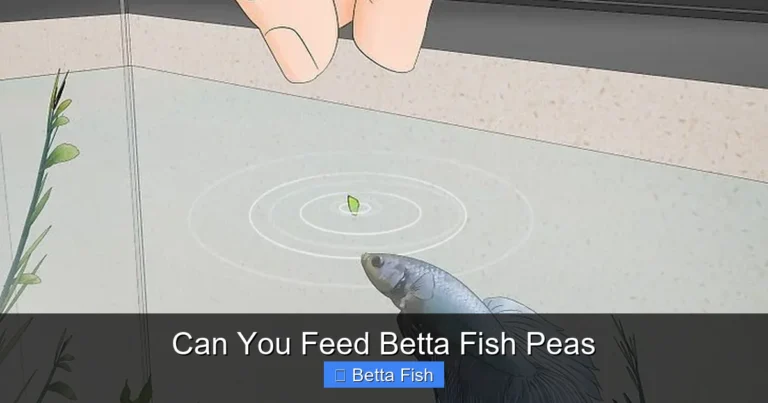
A high-quality betta pellet should be the staple of your fish’s diet. Look for pellets that list whole fish or fish meal as the first ingredient. Avoid flakes, as they are designed for community fish and do not provide the protein levels bettas need.
In addition to pellets, you can offer occasional treats like frozen or live bloodworms, brine shrimp, or daphnia. These are high in protein and make excellent supplements. Feed treats in moderation, no more than two to three times per week, to prevent overfeeding.
### Feeding Schedule and Portions
Feed your betta two small meals per day, about four to six pellets per meal. Some owners prefer to fast their betta one day per week, which helps prevent constipation and keeps the digestive system healthy. A good rule of thumb is to feed only what your betta can consume in two minutes.
Overfeeding is one of the most common mistakes betta owners make. Excess food sinks to the bottom of the bowl, decays, and pollutes the water. This spikes ammonia levels and can make your fish sick. When in doubt, feed a little less rather than a little more.
## Routine Maintenance and Water Changes
### Why Water Changes Are Essential
Even with a filter and plants, waste builds up in a fishbowl over time. Regular water changes remove accumulated toxins, excess nutrients, and debris. For a 5-gallon bowl, a 25 to 30 percent water change once a week is usually sufficient. Smaller bowls may need more frequent changes.
### How to Perform a Water Change
Follow these simple steps for a stress-free water change:
- Siphon out about one-quarter of the water using a turkey baster or small gravel vacuum.
- Remove any visible debris from the substrate while siphoning.
- Replace the removed water with fresh, dechlorinated water at the same temperature as the bowl.
- Add water conditioner to the new water before pouring it in.
- Check the temperature with a thermometer to make sure it matches the bowl water.
Maintaining a betta fish bowl becomes second nature once you establish a routine. Set a reminder on your phone or mark it on your calendar so you never miss a water change.
### Testing the Water
Invest in a simple liquid test kit that measures ammonia, nitrite, nitrate, and pH. Test the water once a week, especially during the first few months of ownership. This helps you catch problems early before they become serious. The ideal parameters for a betta bowl are:
- Ammonia: 0 ppm
- Nitrite: 0 ppm
- Nitrate: Below 20 ppm
- pH: Between 6.5 and 7.5
## Keeping Your Betta Healthy and Happy
### Common Health Problems
Betta fish are generally hardy, but they can still get sick. The most common health issues include fin rot, ich (white spot disease), and swim bladder disorder. Most of these problems are caused by poor water quality, sudden temperature changes, or stress.
Ich is one of the most common diseases in betta fish and shows up as tiny white spots on the fins and body. It is caused by a parasite that thrives in stressed or unhealthy fish. Treating ich early with medication and raising the temperature slightly can clear it up quickly.
### Signs of a Happy, Healthy Betta
A healthy betta fish will have bright, vibrant colors and flowing fins. They will be active, curious, and eager to eat. A happy betta may even build bubble nests at the surface, which is a natural behavior and a great sign that they feel safe and comfortable in their environment.
### Reducing Stress in the Bowl
Stress weakens the immune system and makes bettas more susceptible to disease. To keep stress levels low, avoid sudden changes in water temperature, keep the bowl in a quiet location away from loud noises and direct sunlight, and provide plenty of hiding spots with plants and decorations.
## Common Mistakes to Avoid
– Keeping your betta in a bowl smaller than 3 gallons.
– Skipping water changes or doing them too infrequently.
– Using untreated tap water without a conditioner.
– Overfeeding your betta, which leads to poor water quality.
– Placing the bowl in direct sunlight, which causes algae blooms and temperature swings.
– Using harsh soaps or chemicals to clean the bowl.
– Housing two male bettas in the same bowl, which will lead to aggression and fighting.
– Ignoring signs of illness until the problem becomes severe.
Avoiding these common pitfalls will save you a lot of trouble and help your betta live a long, healthy life. With proper care, betta fish can live three to five years, and some even reach seven years or more.
## Final Thoughts
Raising a betta fish in a fishbowl is a wonderful journey that anyone can enjoy. The key is to provide a properly sized bowl, stable warm water, clean conditions, and a nutritious diet. When you put in the effort to create a healthy habitat, your betta will reward you with brilliant colors, playful behavior, and a personality that shines through the glass.
Remember that every bowl is a mini ecosystem. The more you learn about betta fish care, the better equipped you will be to give your fish the best possible life. Start with the basics covered in this guide, stay consistent with your maintenance routine, and never stop learning. Your betta will thank you with years of beauty and companionship.
Key Takeaways
- Choose the Right Bowl Size: A minimum of 5 gallons gives your betta enough room to swim and stay healthy.
- Keep the Water Warm: Betta fish need a stable temperature between 76 and 82 degrees Fahrenheit for optimal health.
- Cycle the Bowl Before Adding Your Fish: Establishing beneficial bacteria prevents ammonia buildup and keeps water safe.
- Perform Regular Water Changes: Weekly partial water changes remove toxins and maintain a clean environment.
- Feed a Balanced Diet: High-quality pellets and occasional treats like bloodworms keep your betta fit and colorful.
- Watch for Signs of Stress: Clamped fins, loss of color, and lethargy are early warning signs that something is wrong.
- Add Plants and Decorations: Live or silk plants create hiding spots and make the bowl feel natural and comfortable.
Frequently Asked Questions
What size bowl is best for a betta fish?
A bowl that holds at least 5 gallons is the best choice for a betta fish. While bettas can survive in smaller containers, a 5-gallon bowl provides enough space for swimming, stable water conditions, and room for plants and decorations. Smaller bowls require more frequent maintenance and are harder to keep healthy.
Do betta fish need a heater in a bowl?
Yes, betta fish need a heater to maintain a stable water temperature between 76 and 82 degrees Fahrenheit. Without a heater, the water temperature can fluctuate, which stresses the fish and weakens their immune system. A small aquarium heater with a thermostat is the most reliable and affordable option for keeping the water warm and consistent.
How often should I change the water in my betta bowl?
Perform a 25 to 30 percent water change once a week for a 5-gallon bowl. Smaller bowls may need more frequent changes. Always use dechlorinated water at the same temperature as the bowl water, and add water conditioner before pouring in the fresh water. Consistency is the key to maintaining a healthy environment for your betta.
Can betta fish live without a filter?
Betta fish can live without a filter, but a filter makes water maintenance much easier and keeps the environment cleaner. A small sponge filter provides gentle filtration without creating strong currents that bettas dislike. If you do not use a filter, you will need to perform more frequent water changes to keep the water quality safe.
What should I feed my betta fish in a bowl?
A high-quality betta pellet should be the main food, fed in small portions twice a day. You can supplement with frozen or live bloodworms, brine shrimp, or daphnia a few times a week. Avoid overfeeding, as uneaten food decays quickly in a small bowl and pollutes the water. Feed only what your betta can eat within two minutes.
How can I tell if my betta fish is stressed?
Signs of a stressed betta include clamped fins, loss of color, lethargy, loss of appetite, and staying near the bottom of the bowl. Stress is usually caused by poor water quality, temperature fluctuations, or an overcrowded environment. Regular water testing and maintenance help prevent stress and keep your betta healthy and active.