How to Put Betta Fish with Other Fish
Putting betta fish with other fish is possible when you choose the right tank mates and set up the aquarium correctly. Bettas can live peacefully with peaceful, non-fin-nipping species like snails, shrimp, and certain schooling fish. This guide covers everything you need to know about creating a harmonious community tank with your betta.
So you want to add more fish to your betta tank? That is a great idea, but it comes with some important considerations. How to put betta fish with other fish is a question many aquarium lovers ask. The good news is that with the right approach, your betta can live happily alongside other species. In this guide, we will walk you through everything step by step.
Bettas are beautiful, colorful fish with big personalities. But they can also be territorial and aggressive. This means picking the wrong tank mates can lead to serious problems. Luckily, plenty of peaceful fish and creatures make wonderful companions. Whether you have a male or female betta, there are options that work. Let us dive into how you can create a thriving community tank.
Key Takeaways
- Choose peaceful tank mates: Not all fish get along with bettas. Pick calm species that won’t nip fins or stress your betta.
- Tank size matters: A minimum 10-gallon tank gives everyone enough space to reduce aggression and territorial behavior.
- Introduce fish slowly: Quarantine new fish first, then add them gradually to avoid shocking your betta.
- Watch for aggression signs: Flaring, chasing, and fin nipping mean you need to separate fish immediately.
- Set up the tank properly: Plants, hiding spots, and proper filtration create a stress-free environment for all fish.
- Female bettas are more social: They can sometimes live with other fish more easily than males.
📑 Table of Contents
Understanding Betta Fish Temperament
Before adding any other fish, you need to understand your betta’s personality. Every betta is different. Some are calm and relaxed, while others are feisty and territorial. This behavior comes from their natural instincts in the wild.
Why Are Bettas Territorial?
Bettas originally come from the warm, shallow waters of Southeast Asia. In the wild, they claim small territories among plants and debris. Male bettas especially defend their space from other males. This is why putting two male bettas together almost always ends badly.
Female bettas tend to be less aggressive. They can sometimes live in small groups called sororities. But even females need enough space and hiding spots. Understanding this natural behavior helps you pick the right setup.
Signs of Stress or Aggression in Bettas
Watch for these signs when introducing new fish:
- Flaring – Your betta spreads its gills and fins to look bigger.
- Chasing – Your betta swims after other fish constantly.
- Color fading – A stressed betta loses its vibrant colors.
- Hiding – Your betta refuses to come out of hiding.
- Fin nipping – Other fish bite at your betta’s long fins.
If you notice any of these signs, act quickly. Sometimes the solution is simply rearranging the tank or adding more plants. Other times, you may need to separate the fish entirely.
For more details on keeping bettas with other fish, check out Can You Put Betta Fish With Other Types Of Fish.
Best Tank Mates for Betta Fish
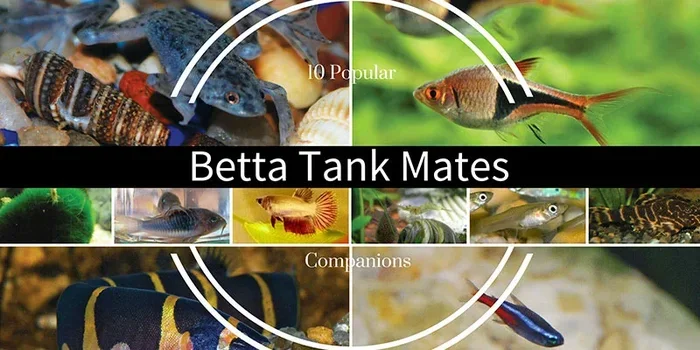
Not all fish make good companions for bettas. The best tank mates are peaceful, non-aggressive species that do not bother your betta’s fins. Here are some tried-and-true options that work well in a community setup.
Snails
Nerite snails and mystery snails are excellent betta companions. They mind their own business and help clean algae from the tank. Most bettas ignore snails completely. These slow-moving creatures will not trigger your betta’s territorial instincts.
Shrimp
Cherry shrimp and amano shrimp are popular choices. They are small, peaceful, and great at eating leftover food. Just keep in mind that some bettas may try to eat small shrimp. If your betta is very aggressive, shrimp might not survive. But in most cases, they do just fine.
Peaceful Community Fish
Small schooling fish like neon tetras, ember tetras, and corydoras catfish can work well. These fish stay in groups and keep to themselves. They usually do not bother your betta, and your betta typically leaves them alone too.
For a more complete list of compatible fish, see What Other Fish Can You Put With Betta.
Female Betta Tank Mates
If you have a female betta, you have more options. Female bettas are generally less aggressive and can coexist with a wider range of species. Can You Put Other Fish With A Female Betta is a great resource if you are specifically looking for female betta companions.
Some good female betta tank mates include:
- Harlequin rasboras
- Pygmy corydoras
- Otocinclus catfish
- Ghost shrimp
- Amano shrimp
How to Introduce New Fish to Your Betta
The introduction process is critical. Rushing this step is one of the most common reasons community tanks fail. Take your time and follow these steps carefully.
Step 1: Quarantine New Fish
Always quarantine new fish for at least two weeks before adding them to your betta tank. This protects both your existing fish and the newcomers. Quarantine tanks let you observe fish for diseases like ich or fungal infections without risking your main tank.
Step 2: Set Up the Tank First
Make sure your tank is fully cycled and stable before adding any new fish. Test the water parameters including ammonia, nitrite, and nitrate levels. A well-established tank with good filtration and live plants gives every fish the best chance to thrive.
Adding plants like java moss or anubias can also break up sightlines. This reduces territorial behavior because fish cannot see each other as clearly. Check out How To Setup A Betta Fish Bowl With A Plant for plant setup ideas.
Step 3: Use a Divider or Rearrange Decor
When you are ready, try rearranging the decorations in your tank first. This resets territories and prevents your betta from claiming a specific spot as its own. If you are extra cautious, use a tank divider for the first few days so fish can see each other without direct contact.
Step 4: Introduce Slowly
Float the new fish’s bag in the tank for 15 to 20 minutes. This equalizes the temperature. Then slowly add small amounts of your tank water to the bag over 30 minutes. Finally, use a net to gently release the new fish. Avoid pouring the bag water into your main tank.
For tips on male betta introductions, read Can You Put A Betta Fish With Any Other Fish.
Step 5: Monitor Closely
Watch the tank for the first 24 to 48 hours after introduction. Some chasing is normal, but persistent aggression is not. If your betta flares constantly or won’t eat, you may need to remove the new fish and try again later.
Setting Up the Perfect Community Tank
A successful community tank starts with the right setup. Your goal is to create an environment where every fish feels safe and comfortable. This means paying attention to tank size, decorations, water quality, and feeding routines.
Tank Size Requirements
A minimum of 10 gallons is recommended for a betta community tank. Bettas need at least 5 gallons on their own, and adding other fish requires extra space. Larger tanks dilute aggression and give fish room to establish separate territories. A 20-gallon tank is even better if you can manage it.
Filtration and Water Quality
A good filter keeps the water clean and healthy. Choose a filter with adjustable flow because bettas prefer gentle water movement. Sponge filters work great for community tanks. They provide mechanical and biological filtration without creating strong currents.
Keep these water parameters stable:
- Temperature: 76 to 82 degrees Fahrenheit
- pH: 6.5 to 7.5
- Ammonia: 0 ppm
- Nitrite: 0 ppm
- Nitrate: Below 20 ppm
Plants and Hiding Spots
Live plants are your best friend in a community tank. They provide hiding spots, reduce stress, and improve water quality. Java fern, anubias, and amazon sword plants are all great choices. Dense planting also breaks up lines of sight, which helps reduce aggression.
Add caves, driftwood, and floating plants too. These give shy fish places to retreat and help your betta feel secure in its territory. Floating plants like duckweed or water lettuce also dim the light, which bettas naturally prefer.
Feeding Tips for Community Tanks
Feeding time can cause tension in a community tank. Bettas are slow eaters compared to many other fish. To make sure your betta gets enough food, try these tips:
- Feed your betta first with pellets or frozen bloodworms in a specific spot.
- Wait until your betta eats before adding flake food for other fish.
- Use sinking pellets for bottom-dwelling fish like corydoras.
- Do not overfeed. Remove uneaten food after 2 to 3 minutes.
For more on keeping your tank clean with plants, see How To Clean Betta Fish Tank With Live Plants.
Common Mistakes to Avoid
Even experienced fish keepers make mistakes. Here are some common errors that can cause problems when housing bettas with other fish.
Choosing Aggressive or Fin-Nipping Fish
This is the number one mistake. Fish like tiger barbs, serpae tetras, and betta fish are known fin nippers. They will tear at your betta’s beautiful flowing fins. This causes stress, injury, and even infection. Always research any fish before adding it to your betta tank.
Overcrowding the Tank
Too many fish in a small tank leads to aggression and poor water quality. Follow the general rule of one inch of fish per gallon, but remember that bettas need extra space. Overcrowding also increases ammonia and nitrate levels quickly, which is dangerous for all inhabitants.
Skipping the Quarantine Period
It is tempting to add new fish directly to your display tank. But quarantine is essential. New fish can carry diseases like ich, velvet, or fungal infections. One sick fish can wipe out your entire tank if you skip this step.
Ignoring Behavioral Cues
Many fish keepers add new fish and then forget to monitor them. Check your tank regularly for signs of stress. If your betta stops eating, hides constantly, or flares at tank mates all day, something is wrong. Address issues early before they become serious problems.
For more on handling betta aggression, check out Are You Supposed To Put Betta Fish With Other Fish.
Final Thoughts
How to put betta fish with other fish comes down to preparation, patience, and observation. Choose peaceful tank mates, set up your tank properly, and introduce new fish slowly. Every betta has its own personality, so what works for one tank may not work for another. Stay flexible and be willing to adjust your setup if needed.
A successful community tank is incredibly rewarding. Watching your betta swim peacefully alongside other fish creates a beautiful and lively aquarium. Start small, learn from each experience, and enjoy the process. With the right approach, you can create a harmonious underwater world that both you and your fish will love.
Frequently Asked Questions
Can I put a male betta with other fish?
Yes, but it requires careful planning. Male bettas are more territorial, so you need a tank of at least 10 gallons with plenty of plants and hiding spots. Choose peaceful, non-fin-nipping species like corydoras, tetras, or shrimp. Always monitor behavior closely during the first few weeks.
What fish can live with bettas safely?
Safe tank mates include nerite snails, cherry shrimp, corydoras catfish, ember tetras, and harlequin rasboras. These species are peaceful, stay out of your betta’s territory, and do not nip fins. Avoid aggressive or flashy fish that might trigger your betta’s territorial instincts.
How many fish can I keep with a betta?
In a 10-gallon tank, you can keep your betta plus 3 to 5 small peaceful fish or a group of shrimp and snails. The key is not overcrowding the tank. More space means less stress and fewer conflicts between your betta and its tank mates.
Do bettas get lonely?
Bettas are not schooling fish, so they do not need companions of their own species. However, they can get bored or stressed in an empty tank. Adding peaceful community fish, shrimp, or snails provides stimulation and creates a more interesting environment for your betta.
What should I do if my betta is chasing other fish?
First, check if the tank is too small or overcrowded. Rearrange decorations to reset territories and add more plants. If chasing continues, separate the aggressive fish using a divider or move it to its own tank. Persistent aggression usually means the tank mate is not a good match.
Can female bettas live with other fish?
Yes, female bettas are generally less aggressive and can live with a wider variety of tank mates. They can even be kept in small groups called sororities. Good companions include pygmy corydoras, otocinclus catfish, and peaceful tetras. Always provide plenty of hiding spots and space.