Do Betta Fish Need Gravel in Their Tank

Betta fish don’t strictly need gravel, but the right substrate can improve water quality, mimic natural habitats, and make tank maintenance easier. Choosing between bare‑bottom, smooth gravel, or plant‑friendly substrate depends on your setup, décor preferences, and how much you’re willing to clean.
Key Takeaways
- Gravel isn’t mandatory: Bettas can thrive in a bare‑bottom tank if water parameters are stable.
- Choose smooth, rounded gravel: Sharp edges can damage delicate betta fins.
- Substrate helps anchor plants: Live plants improve water quality and provide hiding spots.
- Cleaning is easier with small grains: Larger stones trap debris and require more vigorous vacuuming.
- Consider tank size: A 5‑gal minimum gives enough space for substrate without overcrowding.
- Watch for ammonia spikes: New gravel can release tannins; rinse thoroughly before use.
- Combine with a gentle filter: A filtered tank reduces debris buildup, especially with substrate.
📑 Table of Contents
- Introduction: Why the Gravel Question Matters
- 1. Understanding a Betta’s Natural Habitat
- 2. The Pros of Adding Gravel
- 3. The Cons of Using Gravel
- 4. Choosing the Right Substrate
- 5. How to Set Up Gravel Properly
- 6. When Gravel Might Not Be the Best Choice
- 7. Integrating Gravel with Other Essentials
- Conclusion: Do Betta Fish Need Gravel?
Introduction: Why the Gravel Question Matters
When you first set up a home for a betta, the list of supplies can feel endless. You’ve probably bought a tank, heater, filter, and some decorations. Then the question pops up: Do betta fish need gravel in their tank? It’s a common dilemma because many fish‑keeping guides assume a substrate is a given, yet bettas are unique.
In this article we’ll walk through the science, the practicalities, and the personal preferences that shape the answer. By the end you’ll know exactly when gravel helps, when it hinders, and what alternatives exist. Let’s dive in—no fancy jargon, just friendly advice you can act on today.
1. Understanding a Betta’s Natural Habitat
Wild origins
Bettas (Betta splendens) hail from shallow, slow‑moving waters of Thailand, Malaysia, and Cambodia. Their native ponds are often littered with leaf litter, roots, and soft mud rather than coarse sand or gravel. This tells us that a pristine, bare‑bottom tank actually mimics their natural floor quite well.

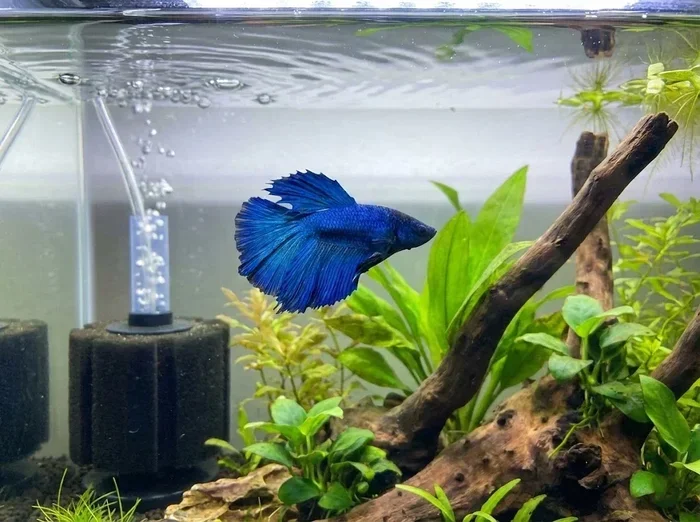
Visual guide about Do Betta Fish Need Gravel in Their Tank
Image source: thefappeningblog.com
What they look for in the wild
- Cover: Overhanging leaves and roots give shy bettas places to hide.
- Soft substrate: Fine detritus lets them rest without bruising their fins.
- Warm, acidic water: Temperatures around 78‑80°F (25‑27°C) and pH 6.5‑7.0 are ideal.
Knowing this helps you decide whether adding gravel adds value or just creates an unnecessary cleaning chore.
2. The Pros of Adding Gravel
Anchors live plants
Live plants are a betta’s best friends. They oxygenate the water, absorb nitrates, and provide gentle currents for the fish to explore. Gravel (especially fine‑to‑medium sized) holds plant roots securely, allowing you to create a lush, natural‑looking aquascape.

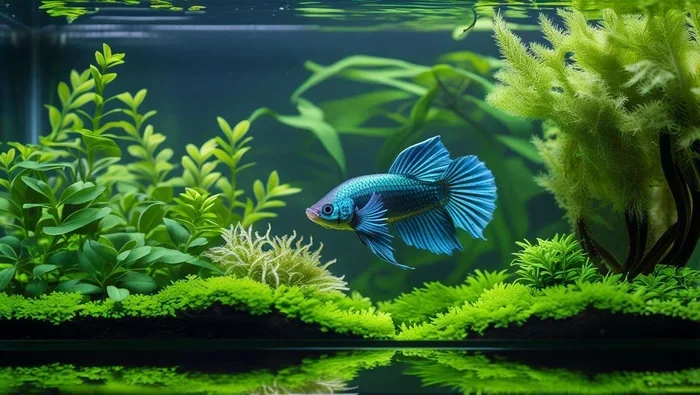
Visual guide about Do Betta Fish Need Gravel in Their Tank
Image source: st3.cricketcountry.com
Biological filtration boost
Gravel provides surface area for beneficial bacteria to colonize. These microbes break down ammonia and nitrite—two toxic compounds that appear as soon as the tank cycles. While a filter does the heavy lifting, gravel acts as a secondary bio‑filter, especially useful in smaller setups.
Aesthetic appeal
Many hobbyists love the look of a colorful substrate that complements decorations and fish coloration. A well‑chosen gravel can make a simple 5‑gallon tank feel like a miniature jungle.
3. The Cons of Using Gravel
Traps debris and waste
Gravel can act like a vacuum cleaner that never empties. Uneaten food, fish waste, and decaying plant matter settle between stones, creating hidden pockets of ammonia. If you’re not diligent with vacuuming, water quality suffers.

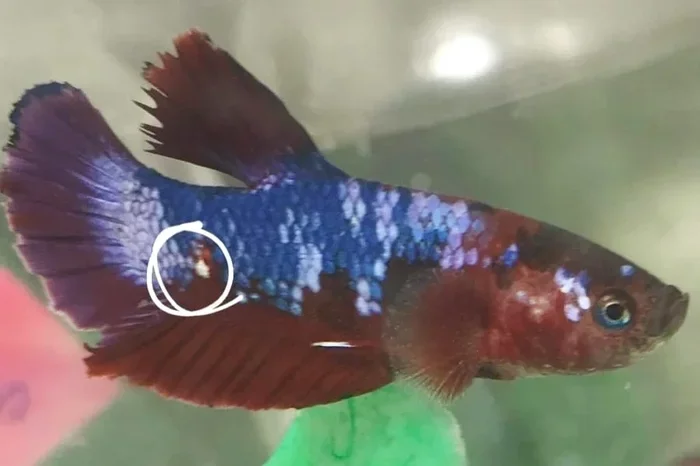
Visual guide about Do Betta Fish Need Gravel in Their Tank
Image source: img.hankyung.com
Risk of fin injury
Bettas have long, delicate fins. Rough, jagged gravel can snag and cause tears, leading to infections. Always select smooth, rounded gravel or opt for sand if you’re worried about abrasions.
More setup time
Before adding gravel you must rinse it thoroughly to remove dust and any lingering chemicals. After rinsing, you need to layer it evenly and let the tank cycle again—a bit more work than a bare‑bottom tank.
4. Choosing the Right Substrate
Gravel options
- Fine‑to‑medium smooth gravel: 2‑4 mm size, rounded edges, good for plants.
- Colored or textured gravel: Adds visual interest but may affect water clarity.
- Specialty “betta” substrate: Often includes iron and trace minerals that promote plant growth.
Alternative substrates
- Sand: Soft on fins, easy to clean with a siphon, but can compact and become anaerobic if over‑packed.
- Bare‑bottom: Simplifies cleaning and spot‑checks for waste, ideal for beginners.
- Peat or leaf litter: Replicates natural tannin‑rich environment, lowers pH, and adds a subtle amber hue.
When you decide, remember the rule of thumb: if you can’t see the bottom, you probably have too much substrate.
5. How to Set Up Gravel Properly
Step‑by‑step guide
- Rinse thoroughly: Place gravel in a bucket, swish with water, and repeat until water runs clear.
- Layer depth: Aim for 1–2 inches (2.5–5 cm). Too deep encourages anaerobic zones.
- Even spread: Use a flat tool to smooth the surface; avoid hills and valleys.
- Test water parameters: After adding water, check pH and hardness; adjust if needed.
- Cycle the tank: Let beneficial bacteria colonize before adding your betta. This can take 1–2 weeks.
Maintenance tips
- Vacuum 10–20% of the substrate during weekly water changes.
- Use a gentle siphon to avoid stirring up settled debris.
- Trim plant roots that start to rot, as they can decay within the gravel.
6. When Gravel Might Not Be the Best Choice
Small or temporary setups
If you’re using a 2‑gallon “betta bowl,” adding gravel adds unnecessary weight and cleaning difficulty. A bare‑bottom tank with a small piece of smooth stone for decoration works just fine.
New hobbyists
Beginners often struggle with water testing and regular maintenance. Starting with a bare‑bottom tank reduces variables, letting you focus on temperature, filtration, and feeding.
Medical situations
When treating fin rot or parasites, a smooth, bare surface allows you to apply medicated baths without substrate interference.
7. Integrating Gravel with Other Essentials
Filters and water flow
A gentle filter (like a sponge filter) circulates water without creating strong currents that can disturb betta fins. Pair it with gravel to keep debris suspended long enough for the filter to capture it.
Heaters
Most bettas need a stable temperature of 78‑80°F. A heater placed near the tank’s edge prevents direct contact with gravel, avoiding hot spots.
Lighting
Live plants need appropriate light. Choose a low‑intensity LED that won’t stress the betta but supports plant growth.
For more details on heaters and filters, see our guides on Do Betta Fish Need A Heater In Their Tank and Do Betta Fish Need A Filtered Tank.
Conclusion: Do Betta Fish Need Gravel?
The short answer is no, they don’t strictly need it. However, the right gravel can boost plant health, enhance biological filtration, and make the tank look more natural. If you choose smooth, rinsed gravel and commit to regular cleaning, your betta will likely thrive just as well as in a bare‑bottom tank.
Ultimately, the decision hinges on your personal style, willingness to maintain substrate, and the size of your aquarium. Whatever you pick, keep water parameters stable, provide hiding spots, and enjoy watching your betta explore its new world.
Frequently Asked Questions
Do betta fish need gravel to stay healthy?
No, bettas can be healthy in a bare‑bottom tank. Gravel is optional and mainly adds aesthetic value and plant support.
Can gravel harm a betta’s fins?
Yes, if the gravel is sharp or jagged. Always choose smooth, rounded gravel to avoid fin tears.
How often should I clean gravel in a betta tank?
Vacuum about 10‑20% of the substrate during each weekly water change to prevent waste buildup.
Is sand a better alternative than gravel?
Sand is softer on fins and easier to clean, but it can compact. Choose fine, washed sand and stir it occasionally.
Will gravel affect my water’s pH?
Most inert gravel won’t change pH, but some colored or mineral‑rich substrates can. Test water after adding any new substrate.
Can I keep live plants with gravel in a betta tank?
Absolutely. Gravel provides a stable anchor for roots, making plant care easier and improving water quality.