How to Make Your Betta Fish More Happy
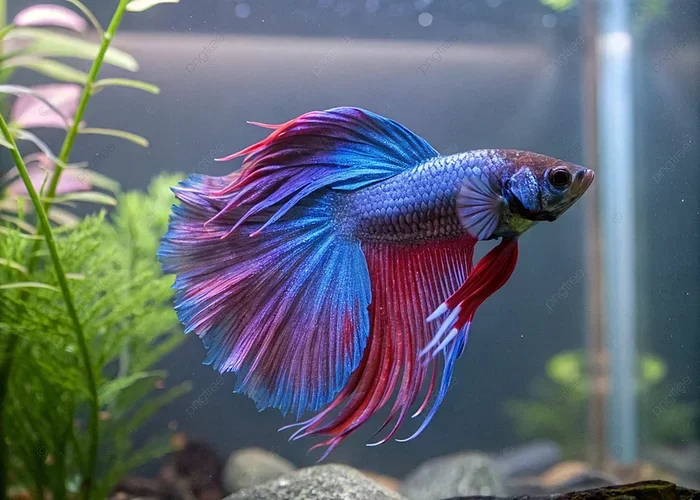
Making your betta fish more happy is easier than you think. With the right tank setup, a good feeding routine, and plenty of enrichment, you can transform your betta’s life. This guide covers everything you need to know about creating a joyful home for your colorful companion.
Key Takeaways
- Tank size matters: A proper tank with clean water is the foundation of betta fish happiness.
- Enrichment keeps them engaged: Plants, decorations, and toys prevent boredom and stress.
- Feeding plays a big role: A balanced diet boosts both health and mood.
- Watch for happiness signs: Knowing what a happy betta looks like helps you adjust care.
- Bonding time counts: Gentle interaction builds trust and makes your fish more active.
- Water quality is non-negotiable: Clean water reduces stress and supports long-term well-being.
📑 Table of Contents
- How to Make Your Betta Fish More Happy: A Complete Guide
- 1. Set Up the Perfect Tank for a Happy Betta
- 2. Feed a Balanced and Varied Diet
- 3. Provide Mental Stimulation and Enrichment
- 4. Build a Strong Bond with Your Betta
- 5. Monitor Health and Watch for Stress Signs
- 6. Quick Tips for Everyday Betta Happiness
- Conclusion
How to Make Your Betta Fish More Happy: A Complete Guide
Every betta fish owner wants the same thing. They want their fish to be happy. But what does a happy betta fish actually look like? And more importantly, how do you get one? The truth is, making your betta fish more happy is not magic. It is about understanding their needs and meeting them consistently. In this guide, we will walk you through every step you need to take. From tank setup to feeding tips, you will find practical advice that works. Whether you are a new betta parent or a seasoned fish keeper, there is something here for you.
A betta fish happiness plan starts with the basics. You need the right environment, the right food, and the right level of interaction. Skip any of these, and your fish may become stressed or dull. But get them right, and you will see a vibrant, active, and joyful fish swimming around with energy. Let us dive into the details and help you build the best life for your betta.
Why Betta Fish Happiness Matters
A happy betta is a healthy betta. When your fish feels safe and stimulated, its colors become brighter. Its fins flare with energy. It swims actively and responds to you. But an unhappy betta hides, stops eating, and loses its color. Betta fish care is not just about keeping them alive. It is about helping them thrive. Research shows that enriched environments lead to better fish health and longer lifespans. So investing time in your betta’s happiness pays off in big ways.
Many owners do not realize how much their fish can feel stress. Just like us, bettas respond to their surroundings. A dull tank with no stimulation leads to boredom. And boredom leads to health problems. That is why betta fish enrichment is so important. It keeps their minds active and their bodies healthy.
1. Set Up the Perfect Tank for a Happy Betta
The tank is your betta’s entire world. If it is too small or dirty, your fish will suffer. A proper betta fish tank setup is the first step toward happiness. Many people still keep bettas in tiny bowls. While bettas can survive in small spaces, they cannot thrive. A 5-gallon tank or larger gives your fish room to explore and swim freely.
Essential Tank Requirements
Here is what every happy betta tank needs:
- At least 5 gallons of water for comfortable swimming space.
- A gentle filter to keep water clean without strong currents.
- A heater to maintain temperatures between 76 and 82 degrees Fahrenheit.
- Live or silk plants for hiding spots and natural feel.
- A soft substrate like sand to protect delicate fins.
Your betta fish habitat should mimic their natural environment. In the wild, bettas live in warm, slow-moving waters with plenty of cover. Replicating this at home makes a huge difference. Add caves, driftwood, and broad-leaf plants. These give your fish places to rest and explore. If you are unsure where to start, check out our guide on how to decorate your betta fish tank for creative ideas.
Water Quality and Maintenance
Clean water is the backbone of a happy betta fish. Ammonia and nitrite levels should always be zero. Nitrate should stay below 20 ppm. Test your water weekly and do partial water changes every one to two weeks. Use betta fish water care products to remove chlorine and heavy metals. If you want detailed guidance, our article on how to change your betta fish water walks you through the process step by step.
Never skip water changes. Dirty water causes stress, disease, and shortened lifespan. Your betta deserves clean, fresh water every single day.
2. Feed a Balanced and Varied Diet
Food is more than fuel for your betta. It is a source of joy. A betta fish feeding schedule that includes variety keeps your fish interested and healthy. Most owners feed the same pellet every day. While pellets are fine as a staple, they should not be the only thing your fish eats.
Best Foods for Betta Happiness
Try rotating these foods throughout the week:
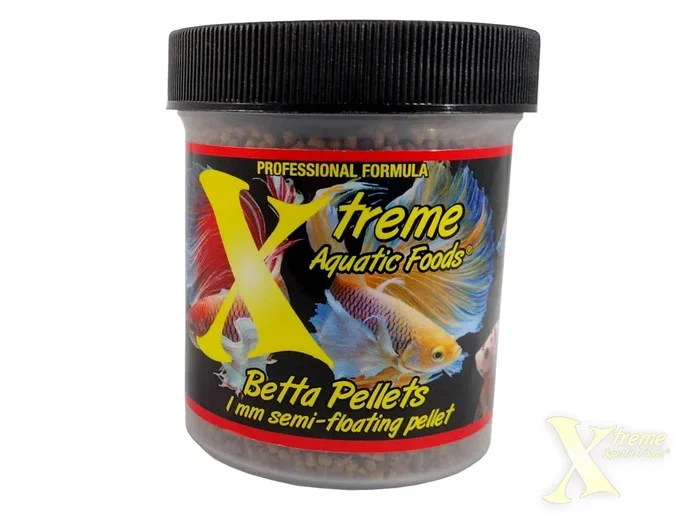
- High-quality betta pellets as the base of their diet.
- Frozen or live brine shrimp as a treat two to three times a week.
- Bloodworms in moderation for protein boost.
- Daphnia for digestive health and enrichment.
Feed small amounts twice a day. Remove any uneaten food after five minutes. Overfeeding leads to bloating and dirty water. If you want to try making food at home, our guide on how to make betta fish food at home has great recipes you can try.
A well-fed betta is an active betta. You will notice better color, more energy, and eager swimming at feeding time. This is one of the clearest betta fish happiness signs to watch for.
3. Provide Mental Stimulation and Enrichment
Bettas are smarter than most people think. They can recognize their owners, follow fingers, and even learn simple tricks. Without stimulation, they get bored. And boredom leads to lethargy and depression. Betta fish enrichment is one of the easiest ways to boost happiness.
Easy Enrichment Ideas
Try these simple enrichment methods to keep your betta engaged:
- Add a mirror briefly (for a few minutes) to trigger natural flaring behavior.
- Place a floating betta leaf hammock near the surface for resting.
- Rearrange decorations occasionally to create a fresh environment.
- Use a laser pointer gently to encourage chasing behavior.
One of the best ways to stimulate your betta is through interactive play. If you want ideas, our article on how to play games with your betta fish is packed with fun activities you can try together. Your fish will love the attention, and you will enjoy watching their playful responses.
Signs of a Bored Betta
Watch for these warning signs that your betta needs more stimulation:
- Lying at the bottom of the tank for long periods.
- Not responding to movement outside the tank.
- Flaring at nothing or showing repetitive behaviors.
- Refusing food even when hungry.
If you notice any of these, it is time to add new enrichment. A simple change like a new plant or a different feeding location can make a big difference.
4. Build a Strong Bond with Your Betta
Bonding with your betta is one of the most rewarding parts of fish keeping. When your fish trusts you, it becomes more active and responsive. A happy betta fish that has bonded with its owner will often swim to the front of the tank when you approach.
How to Build Trust
Follow these steps to build a strong connection:
- Visit the tank at the same times each day. Routine helps your betta feel safe.
- Talk softly near the tank. Your voice becomes a familiar, comforting sound.
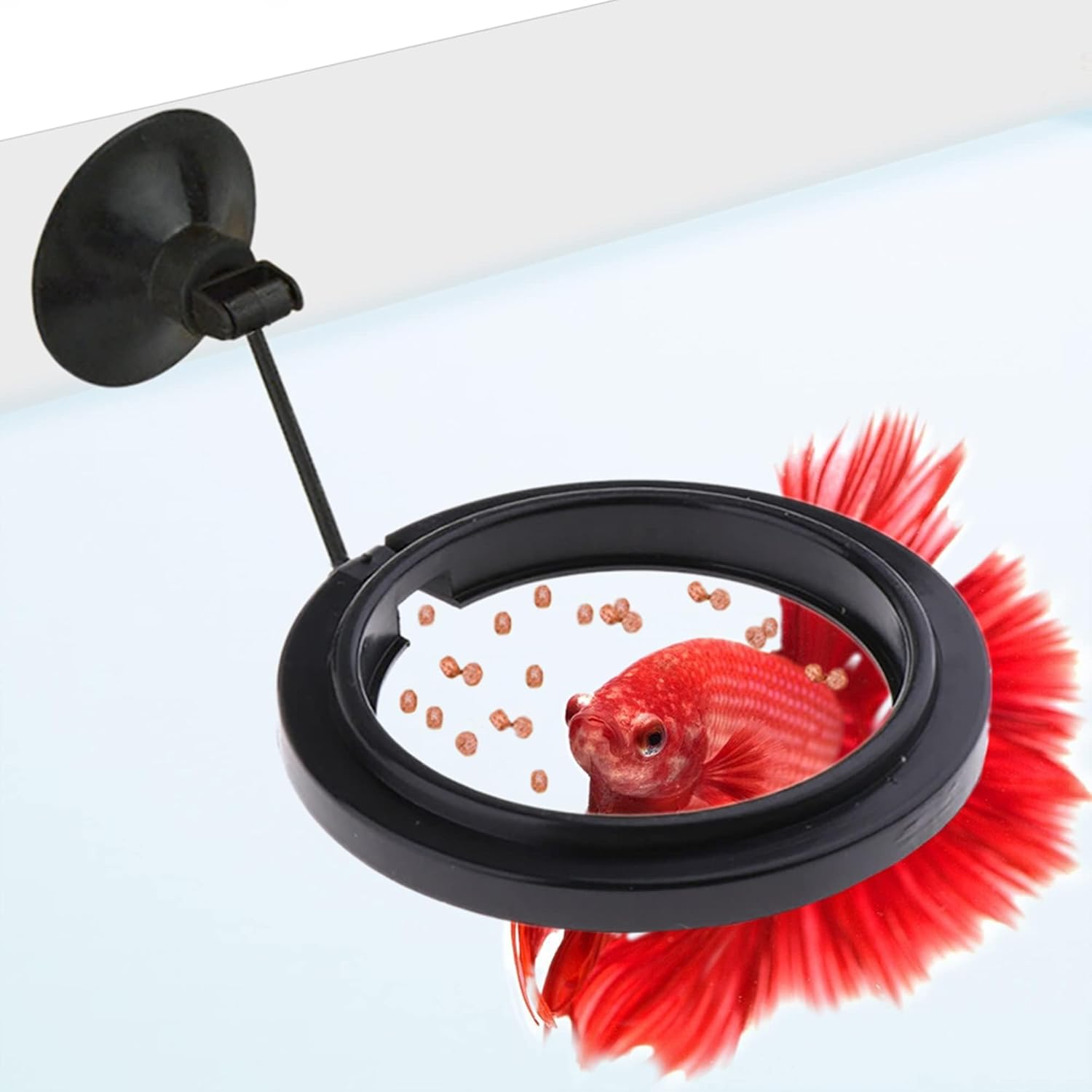
- Feed by hand occasionally. This encourages direct interaction and trust.
- Place your hand near the tank gently. Let your betta get used to your presence.
If you want to go deeper into bonding, check out our guide on how to grow a bond with your betta fish. It covers advanced techniques for building a lasting relationship with your fish. The bond you build makes a real difference in your betta’s overall well-being.
5. Monitor Health and Watch for Stress Signs
Even with the best care, bettas can become stressed or sick. Early detection is key. A stressed betta fish is an unhappy betta. Knowing the signs of stress and illness helps you act fast and keep your fish happy.
Common Stress Signs to Watch For
Look out for these betta fish stress signs:
- Clamped fins held close to the body.
- Loss of color or fading vibrancy.
- Hiding constantly instead of swimming freely.
- Loss of appetite or refusal to eat.
- Rapid breathing or gasping at the surface.
- White spots on the body or fins (sign of ich).
If you notice any of these, test your water parameters first. Often, stress comes from poor water quality. If the water is fine, consider adding more hiding spots or reducing noise and light near the tank. For treatment options, our article on how to treat a stressed betta fish offers practical solutions.
When to Seek Help
Some problems need more than home care. If your betta stops eating for more than three days, shows signs of infection, or appears to be in pain, consult a fish veterinarian or experienced aquarist. Early intervention can save your fish’s life and restore their happiness.
6. Quick Tips for Everyday Betta Happiness
Small daily habits add up to a much happier fish. Here are quick tips you can start today:
- Keep the tank light on a natural day/night cycle. Use a timer for consistency.
- Place the tank in a quiet area away from loud noises and vibrations.
- Avoid tapping on the glass. It startles your betta and causes stress.
- Add new elements slowly. Sudden changes can shock your fish.
- Observe your betta daily. You will notice behavior changes before they become problems.
For more in-depth tips on keeping your betta joyful, our article on how to make your betta fish happy covers additional strategies that complement everything in this guide.
Common Mistakes That Make Betta Fish Unhappy
Avoid these common errors that hurt your betta’s happiness:
- Keeping the tank too small. A bowl or tiny tank limits movement and causes stress.
- Overfeeding. Excess food pollutes water and causes health issues.
- Ignoring water changes. Dirty water leads to illness and discomfort.
- Keeping aggressive tankmates. Bettas are solitary fish and do not need companions.
- Placing the tank in direct sunlight. This causes temperature swings and algae blooms.
Each of these mistakes is avoidable. With a little effort and awareness, you can create a perfect environment for your betta to flourish.
Expert Insight: Understanding Betta Behavior
Bettas are intelligent and curious creatures. They explore their surroundings, remember patterns, and respond to their owners. A happy betta fish will build a bubble nest, swim actively, and display vivid colors. These are all positive indicators of well-being. Understanding your fish’s behavior helps you make better care decisions every day.
If you want to learn more about recognizing happiness in your fish, our guide on how to know if your betta fish is happy provides detailed behavioral signs to watch for. It is a great companion resource for this guide.
Conclusion
Making your betta fish more happy comes down to a few key principles. Provide a clean, spacious tank. Feed a varied and balanced diet. Offer mental stimulation and enrichment. Build a trusting bond through daily interaction. Monitor health and act quickly when problems arise. These steps are simple, but they make a tremendous difference.
Your betta fish depends entirely on you for its happiness. Every choice you make, from tank setup to feeding routine, shapes your fish’s quality of life. Start with one or two changes today. Build from there. You will be amazed at how quickly your betta responds with brighter colors, more energy, and joyful swimming. A happy betta is a beautiful thing to behold, and it all starts with the care you provide.
Take what you have learned here and put it into action. Your fish will thank you with a vibrant, active, and truly happy life. That is the reward of caring for a betta fish the right way.
Frequently Asked Questions
How can I tell if my betta fish is happy?
A happy betta shows bright colors, active swimming, and a good appetite. It builds bubble nests and responds to your presence. If your fish hides constantly or loses color, it may be unhappy or stressed. Watching for these betta fish happiness signs helps you adjust care quickly.
What is the best tank size for a happy betta fish?
A 5-gallon tank is the minimum recommended size for a single betta. Larger tanks provide more swimming space and better water stability. A happy betta fish needs room to explore, so aim for at least 5 gallons and always use a filter and heater.
Can I keep other fish with my betta to make it happier?
Bettas are solitary fish and do not always do well with tankmates. Some peaceful species like snails or shrimp may work, but many fish cause stress. Focus on betta fish enrichment inside the tank rather than adding companions. Your betta will be happier with a well-setup solo environment.
How often should I change my betta fish water?
Do partial water changes of 25 to 30 percent every one to two weeks. This keeps betta fish water clean and free of harmful chemicals. Always treat new water with a conditioner before adding it to the tank, and match the temperature to avoid shocking your fish.
Do betta fish get bored?
Yes, bettas can get bored without stimulation. A dull tank with no decorations or interaction leads to lethargy. Adding plants, rearranging décor, and playing with your fish are great ways to prevent boredom and boost your betta fish mood naturally.
Can playing with my betta fish make it happier?
Absolutely. Gentle interaction like following your finger or chasing a laser dot provides mental stimulation. Try activities from our guide on how to play games with your betta fish. Regular play sessions strengthen your bond and keep your fish mentally active and happy.