Can Betta Fish Eat Other Betta Fish

Betta fish are aggressive predators, but they rarely eat a full‑grown betta of their own kind. Stress, size differences, and cramped tanks can trigger biting or even cannibalism, so proper setup and careful monitoring are essential.
Key Takeaways
- Size matters: A larger betta may nip a smaller one, but true “eating” is uncommon.
- Gender rules: Males are far more territorial than females, making mixed‑sex groups riskier.
- Tank size is crucial: Crowded spaces increase aggression and the chance of bites.
- Introduce slowly: Use a divider or gradual visual exposure to gauge tolerance.
- Diet won’t stop aggression: Feeding the right foods won’t prevent a betta from attacking a tank mate.
- Observe daily: Early signs of stress—flaring, hiding, or loss of color—signal a problem.
- Alternative companions: Some peaceful bottom‑dwelling fish can coexist, but never another male betta.
Quick Answers to Common Questions
Can a male betta eat a female betta?
It’s possible if the female is much smaller or if the male is extremely territorial, but outright eating is rare.
Do bettas ever eat their own species in the wild?
In the wild, adult bettas rarely encounter each other, so cannibalism is not a common behavior.
Will a larger betta always dominate a smaller one?
Larger bettas often win fights, but the outcome also depends on temperament, health, and tank conditions.
Can feeding a betta more often stop aggression?
More frequent feeding can reduce hunger‑driven nipping but won’t eliminate territorial aggression.
Is a divided tank safe for two male bettas?
Yes, a solid acrylic divider in a sufficiently large tank can allow visual contact without physical fights.
📑 Table of Contents
- Introduction: The Curious Question
- 1. What Drives Betta Aggression?
- 2. Size and Age: The Real Deal
- 3. The Role of the Environment
- 4. Feeding: Does Diet Prevent Biting?
- 5. Real‑World Scenarios: When Betta Eats Another Betta
- 6. Alternatives to Keeping Multiple Betta Fish Together
- Conclusion: Bottom Line on Betta Cannibalism
Introduction: The Curious Question
If you’ve ever watched a betta flare its gorgeous fins and wondered, “Can betta fish eat other betta fish?” you’re not alone. These vibrant Siamese fighting fish are famous for their bold personalities, and that reputation often leads to myths about cannibalism. In reality, bettas are opportunistic predators, but they usually target tiny crustaceans, insect larvae, or very small fry—not fully grown adults of their own species.
Understanding the true nature of betta aggression helps you create a safe environment, whether you keep a single champion or experiment with a community tank. Let’s dive into the science, the risks, and the practical steps you can take to keep your bettas happy and healthy.
1. What Drives Betta Aggression?
Territorial instincts
Betta fish evolved in shallow, slow‑moving waters of Thailand where defending a small patch of territory meant survival. Males, in particular, guard their space fiercely, flashing bright colors and flaring their gill covers to warn intruders.
Hunting behavior
In the wild, bettas hunt tiny insects that fall onto the water’s surface. Their mouths are designed for snapping up small prey, not for chewing larger fish. This natural predatory instinct explains why they may bite at a smaller betta that wanders too close, but it rarely results in a full‑on “eat‑the‑other‑betta” scenario.
Stress and overcrowding
When a tank is too small or lacks hiding spots, stress levels rise. A stressed betta may become more prone to aggression, leading to occasional nipping that can cause injury and, in severe cases, death.
2. Size and Age: The Real Deal
Juvenile vs. adult bettas
Very young fry are vulnerable and can be eaten by larger bettas. However, once a betta reaches about 2‑3 inches, its size makes it difficult for another adult to swallow whole. The biggest risk is a larger betta inflicting bite wounds on a smaller tank mate, which can lead to infection.

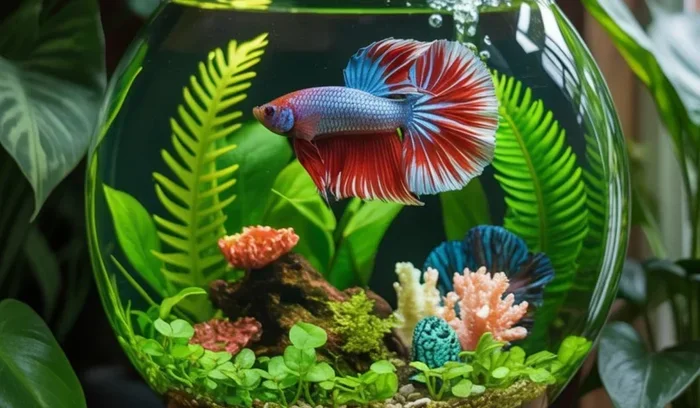
Visual guide about Can Betta Fish Eat Other Betta Fish
Image source: peoplesdispatch.org
Sex differences
Male bettas are the classic “fighters.” A single male in a tank with another male will almost always result in a showdown that can end in severe injuries or death. Female bettas are generally less aggressive, but they can still display territorial behavior, especially if they are large or have established a nest.
Practical tip
If you must keep more than one betta, match them by size and consider using a divider that allows visual contact but prevents physical interaction. This setup lets them get used to each other’s presence without the risk of biting.
3. The Role of the Environment
Tank size matters
A minimum of 5‑gallon per betta is recommended when housing multiple bettas with a divider. Larger tanks dilute territorial lines and give each fish its own space to claim.

Visual guide about Can Betta Fish Eat Other Betta Fish
Image source: studywrap.com
Plants and decorations
Live plants, silk plants, and plenty of caves create visual barriers. These structures reduce the chance of a betta seeing another as a direct threat.
Water quality
Clean, well‑filtered water reduces stress. Perform weekly 25‑30% water changes and keep the temperature stable between 76‑82°F (24‑28°C). Poor water quality can make even the calmest betta act aggressively.
Internal link example
For more ideas on tank mates that won’t trigger aggression, see our guide on what other fish can live with betta fish.
4. Feeding: Does Diet Prevent Biting?
What bettas love to eat
Betta fish thrive on high‑protein foods such as what can betta fish eat – live or frozen brine shrimp, daphnia, and quality betta pellets. These foods satisfy their predatory instincts.
Will feeding stop aggression?
Providing ample food reduces hunger‑driven nipping but does not eliminate territorial aggression. A well‑fed betta may still flare at a neighbor if it feels its space is threatened.
Feeding tips for multiple bettas
- Feed small portions 2‑3 times daily to avoid leftovers that foul the water.
- Distribute food in different corners of the tank so each fish can eat without competition.
- Consider a feeding ring or a separate feeding area behind a divider.
5. Real‑World Scenarios: When Betta Eats Another Betta
Case study: Overcrowded community tank
In a 10‑gallon tank with three male bettas, one dominant male repeatedly attacked the smallest. After a few days, the tiny betta showed signs of injury and was later found dead with bite marks. The owner learned that the tank was too small and that multiple males should never share the same space without a solid barrier.
Case study: Successful divided tank
A hobbyist placed two male bettas in a 20‑gallon tank using a clear acrylic divider. After a week of visual exposure, both fish displayed calm behavior and even shared feeding times. No injuries occurred, proving that proper division can allow coexistence without cannibalism.
Key lesson
True “eating” of a full‑grown betta by another is rare. Most incidents involve bite wounds, stress, or the death of a much smaller fry.
6. Alternatives to Keeping Multiple Betta Fish Together
Solo tanks
The safest and most common setup is a single betta in its own aquarium. This eliminates any risk of aggression or cannibalism.
Community tanks with peaceful species
Some small, fast‑moving fish like neon tetras or rasboras can coexist with a single male betta, provided the tank is well‑planted and the betta has plenty of space. Always monitor interactions closely during the first few weeks.
Internal link example
Read more about compatible companions in our article can you keep other fish with a betta.
Conclusion: Bottom Line on Betta Cannibalism
While the headline question—can betta fish eat other betta fish—sounds dramatic, the reality is more nuanced. Larger bettas may bite smaller ones, and in extreme cases, a bite can be fatal. However, full‑scale cannibalism of an adult betta by another adult is highly unlikely.
The best strategy is to respect each betta’s territorial nature: give them ample space, provide plenty of hiding spots, feed them a proper diet, and avoid mixing multiple males in the same open tank. When you follow these guidelines, you’ll keep your bettas colorful, healthy, and drama‑free.
Frequently Asked Questions
Can betta fish eat other betta fish?
Adult bettas rarely eat each other whole. They may bite smaller bettas, causing injury, but true cannibalism is uncommon.
What should I do if my betta is nipping another betta?
Separate them immediately, check for injuries, and consider a larger tank or a divider to prevent further contact.
Are female bettas less aggressive than males?
Generally, yes. Females tend to be less territorial, but they can still defend their space, especially when breeding.
Can I keep a male betta with other fish?
Yes, with careful selection of peaceful, fast‑moving species and plenty of hiding spots, a male betta can coexist with certain community fish.
How can I tell if my betta is stressed?
Look for faded colors, constant hiding, excessive flaring, or loss of appetite. Stress often precedes aggression.
What is the safest tank size for multiple bettas?
At least 5 gallons per betta, plus extra space for a divider if they share the same tank. Larger tanks provide better chances of peaceful coexistence.